Getting Started
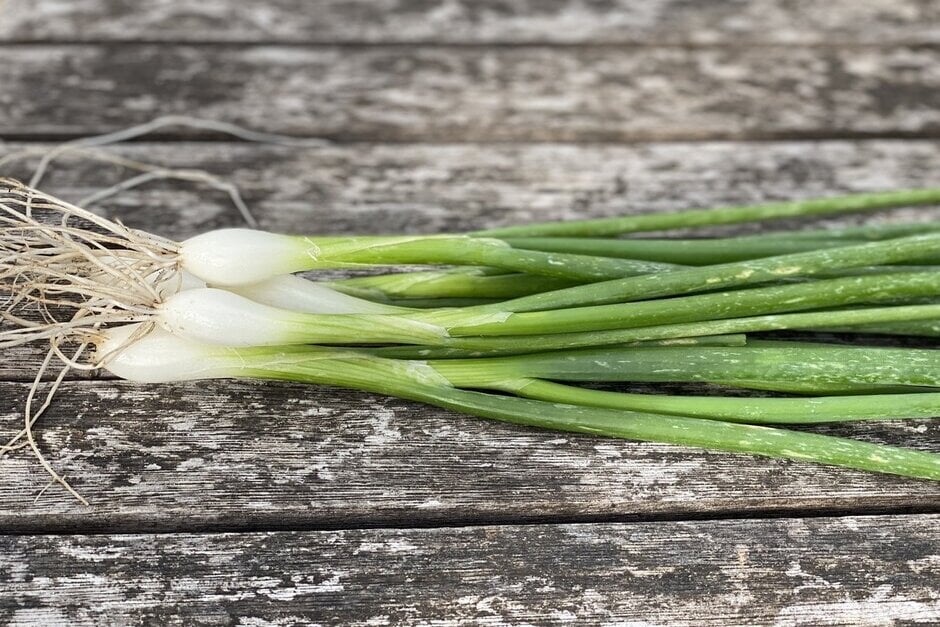
Salad onions, also called spring onions and scallions, are easy to grow and take up little space, so can fit into even the smallest garden – and they grow well in containers too. Sow little and often for quick harvests, or make a larger sowing of a variety that has a long cropping season. Salad onions are delicious raw in salads or cooked in stir-fries.
Jobs to do now
Sow seed outdoors
Harvest
Water if needed
Month by Month
Sow
Plant
Harvest


Choosing What To Grow
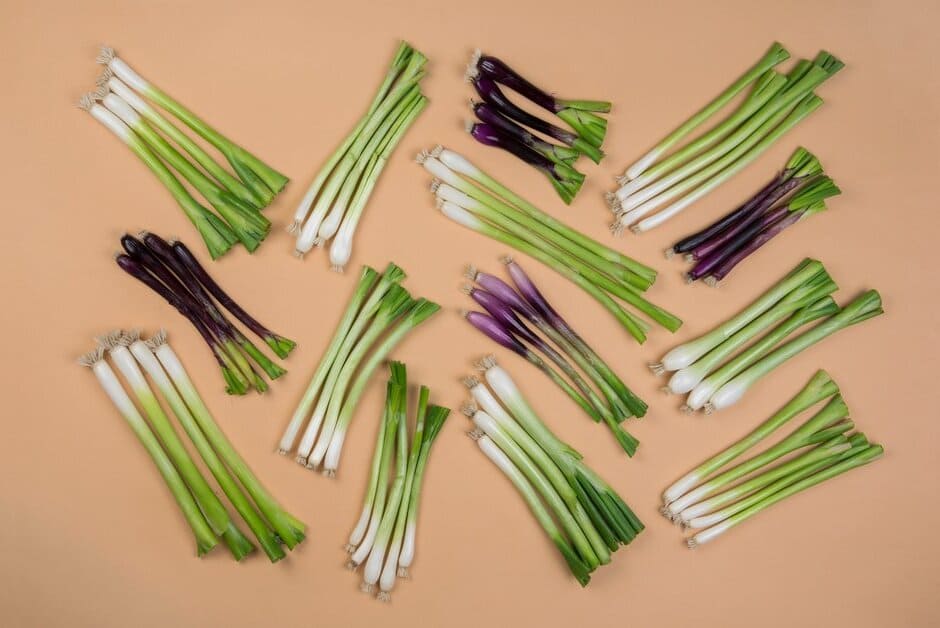
Salad onions are varieties of Allium cepa or Allium fistulosum. There are many to choose from, either cylindrical like mini leeks or with small round white topped with green leaves. For added decorative appeal, there are also varieties with reddish-purple bulbs and stems. Choose hardy varieties for early or late sowings.
For the most reliable varieties, look for those with an RHS Recommended: Award of Garden Merit (AGM) – see our list of AGM fruit and veg (135kB pdf) – salad onions are listed under onions, and also our Recommended Varieties below. For more veg-growing inspiration, visit any of the RHS gardens, as they grow a wide range of onions, salad veg and other quick and easy crops.
What and where to buy
Seeds are available all year round from garden centres and online seed suppliers. Young plants may also be available to buy from garden centres and online retailers in spring and early summer – ideal if you only want a few.
Recommended Varieties


Preparing The Ground
Choose a sunny planting site, with free-draining soil, and weed thoroughly. Salad onions have a limited root system, so improving the soil with lots of organic matter before planting is invaluable – dig in a bucketful of homemade garden compost or well-rotted manure per square metre/yard. This will add , improve the soil structure and hold moisture in the soil. Avoid using fresh manure. Rake the ground to remove lumps and stones.
Alternatively, if you're practicing no-dig gardening, the soil with organic matter ahead of sowing or planting directly into the mulch.
Sowing
Salad onions are usually sown direct outdoors, either in the ground or in large containers. They can also be started off indoors, for an earlier crop.
Sowing indoors
It’s easiest to sow salad onions direct outdoors (see below) but, if your soil is cold and wet in early spring or you want an early crop, you can sow indoors in March. Sow the seeds in modular trays for transplanting outdoors later in spring, or sow in a greenhouse border or large container as their final growing site. See our indoor sowing guides below for more details.
Sowing outdoors
Sow salad onions outdoors from March onwards, for harvests through summer and into autumn. Sowing small batches every couple of weeks will give you continuous supplies. You can also sow hardy varieties in late summer and early autumn for harvesting the following spring. These will germinate and grow into small, sturdy plants before winter and should be ready to harvest from March onwards.
Make a shallow , 1cm (½in) deep, then water along the base. Sow the seeds thinly along the drill, then cover with soil. Space rows about 20cm (8in) apart. For more sowing tips, see our guides below.
Protect the from slugs and snails, especially in damp weather. Thin them out to about 2.5cm (1in) apart. Closer spacing may encourage downy mildew. The thinnings can be used in salads.
Sowing in containers
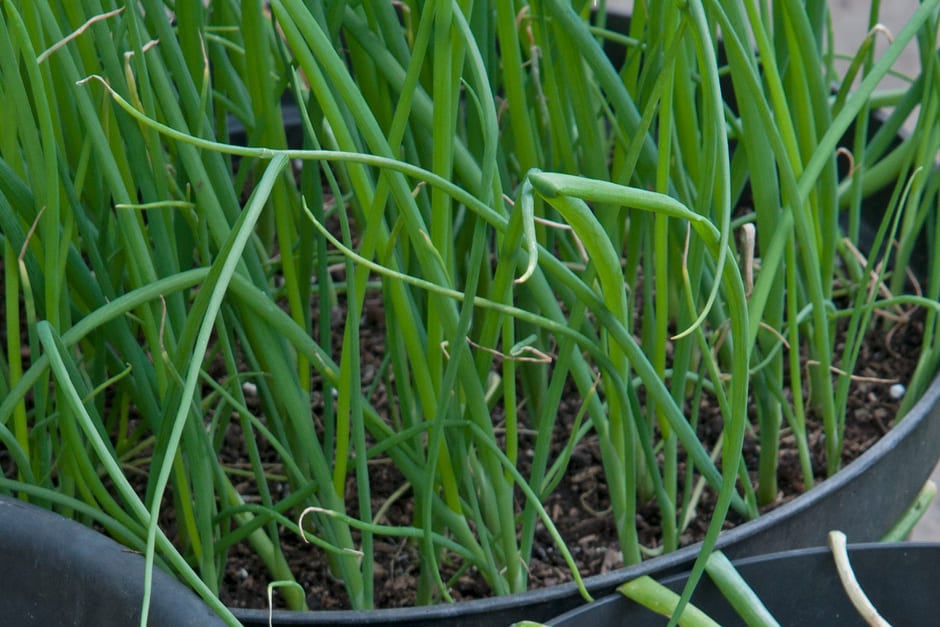
Salad onions grow well in a large pot at least 30cm (1ft) wide. Position it in a warm, sunny spot, close at hand for easy harvesting. Fill it with peat-free multi-purpose and water well. Then scatter the seeds thinly and cover with about 1cm (½in) of compost.
Planting
If you have sown salad onions indoors or bought young plants, plant them outdoors once they’re well rooted and growing strongly. Harden off young plants, especially if planting in early to mid-spring. Plant into prepared ground, spacing plants a few centimetres apart. Water the young salad onions before and after planting.
Plant Care
Salad onions are easy to look after and grow quickly. Keep them free from weeds and water them during prolonged dry spells.
Watering
Water young salad onions until they are well established, then only water during prolonged dry spells. Plants in containers need more frequent watering, as the can dry out quickly, especially in hot weather.
Weeding
Salad onions grow less well when competing with weeds for light and moisture, so weed regularly – hoe between the rows and hand weed between individual plants.
Winter protection
Hardy varieties of salad onion can be sown outdoors in autumn, for cropping in early spring. They often benefit from being covered with cloches or biodegradable fleece during winter, especially in harsh weather or in cold locations.
Harvesting
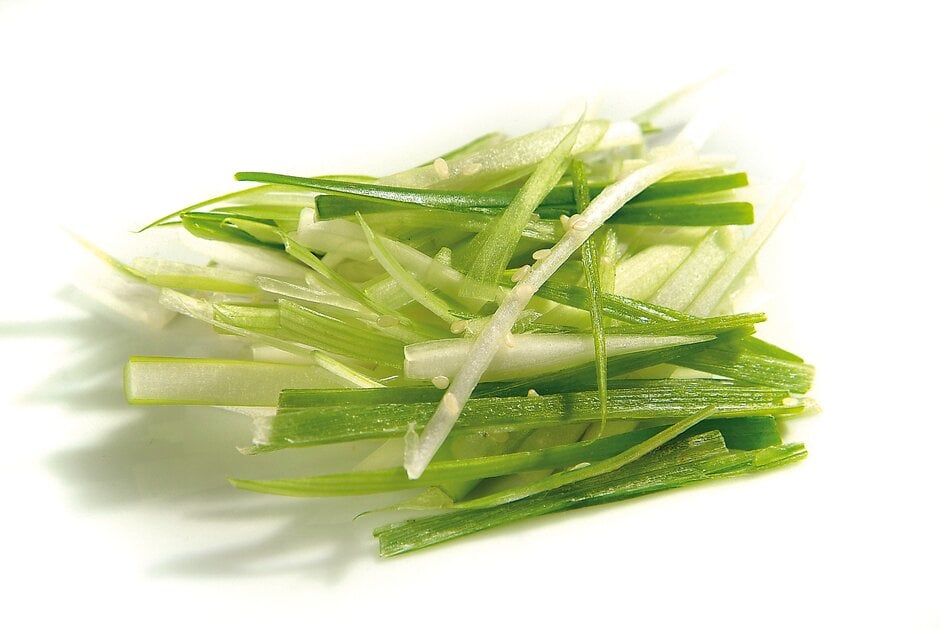
Salad onions generally take about two months to reach harvesting size. Simply lift individual onions whenever required. You can harvest from spring right through to autumn by making repeat sowings. Salad onions are best when small and young, about 15cm (6in) tall, with the bulb no more than 1–2.5cm (½–1in) across, depending on the variety. Young salad onions have a sweet, mild flavour, which becomes stronger as they grow larger.
Problem Solving
Salad onions are fast growing and generally trouble free. Fungal diseases can arise in damp or overcrowded conditions. For more on these and other issues, see Common problems, below.
Common Problems

Onion downy mildew
Onion downy mildew is a disease of onions and related crops that damages foliage and bulbs, resulting in loss of yield or even a complete failure of w...

Onion white rot
White rot is a serious fungal disease of onions, garlic and leeks causing yellowed, wilting foliage and decay of the roots and bulb. It may persist in...


