Peat-free case studies: Botanica Plant Nursery
Botanica Plant Nursery shares their peat-free journey
Have you made the transition to peat-free? If you’d like to share your story to help and inspire other growers, please get in touch .
Many growers and nurseries in the UK are already 100% peat-free, or are well on their way. Botanica Plant Nursery have shared their journey with us to help other growers learn about the issues they faced along the way and the solutions they found.
So how did Botanica do it, what motivated them, and how did they overcome challenges to reach peat-free success?
Botanica Plant Nursery: background
Peat-free status: Peat-free apart from some propagation material
Date established: 1986, and peat-free since 1998 when we developed our own peat-free compost
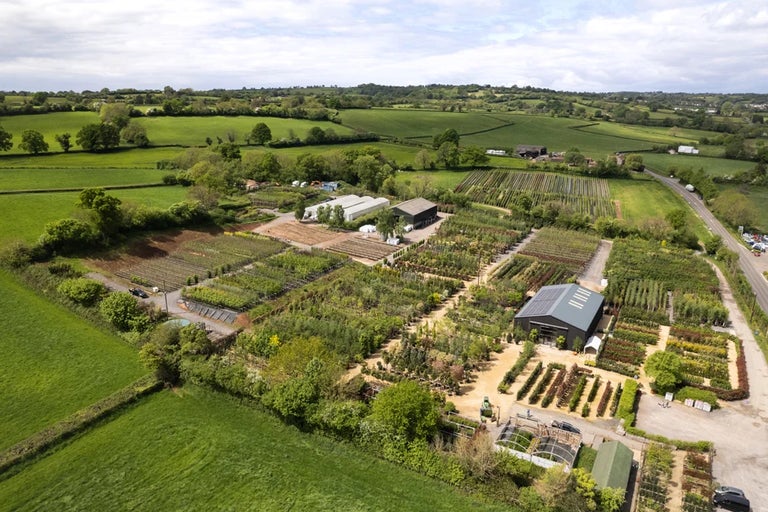
Type/size of plants grown: Over 6,000 species/varieties, including trees, shrubs, climbers, perennials, fruit, grasses, ferns, native hedging and wild flowers – all English-grown and English-provenance plants. Sizes vary from 9cm to 1000L specimens (trees)
Number of plants produced per year: Approximately 30-40,000
Growing environment, irrigation and nutrition used: 25 acres of irrigated container beds and tunnels, plus open-ground field. An integrated pest management system with minimal chemicals is used (bees are kept on-site)

Botanica Nursery
Growing peat-free – in conversation with Jon Rose, Founder & Managing Director
Why did you decide to go peat-free, and how long did it take to transition?
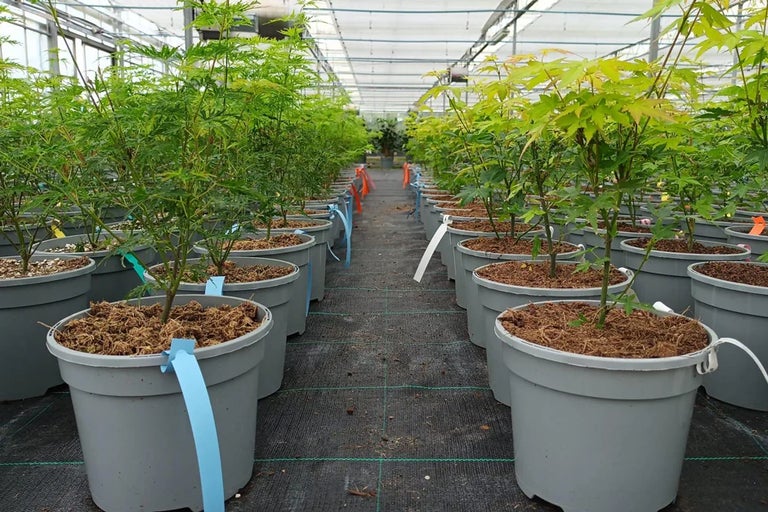
We decided to move to peat-free for cost and environmental reasons. It took us three years to reach a useable product, sadly killing many plants in the process because we started from scratch at a time when there were few options available for peat-free growing media.
Did you test many different growing media manufacturers or carry out trials? What peat-free media has been most successful for you?
No, we used our own mix. For the last six years we have also used an ICL peat-free mix along with our own.
"The benefit is knowing we have a product that grows plants really well without destroying the natural world"
How easy was it to transition to fully peat-free once you started?
The main problem was the time it took to create our own mix that worked for us.
What were the different feed and irrigation needs when growing peat-free, and any other changes to production?
We use a water agent in our mix, H2Gro, which helps to reduce the need for continuous irrigation.
What have been the benefits of peat-free?
For us at Botanica, the benefit is knowing we have a product that grows plants really well without destroying the natural world.

Botanica Nursery
Have you made the move to peat-free?
If you’d like to share your story to help and inspire other growers, please email us at peatfreeworkshops@rhs.org.uk.