Quick Facts
Passion flower blooms over a long period from early summer until the autumn
1
Happy in any fertile, well-drained soil
2
Grow hardy passion flowers outdoors in a sunny, sheltered position in the garden
3
Plant in spring after the last frosts
4
Water freely during the summer, but reduce watering in the winter
5
Prune annually in spring, shortening old flowered stems
6
Make new plants in spring from layering and softwood cuttings, or from semi-hardwood cuttings in summer
7


Before you get started
Choosing a passion flower
Passion flowers generally fall into two groups. The first are the hardy types that are able to grow outside in a sunny, sheltered location in the garden. The second group are tender and you will to grow them in a conservatory or warm greenhouse. So, the first decision you'll need to make is whether to grow border passion flowers or conservatory passion flowers, if you have a suitable indoor space. You can try them as houseplants too, but they need a light position and lots of space to grow, as these climbers are usually at least 3m (10ft) tall
Find out more about border and conservatory passion flowers:
You can choose which flower colour and shape you’d like.
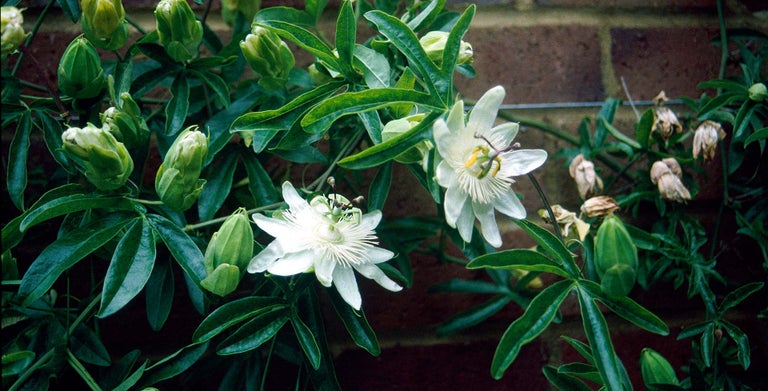
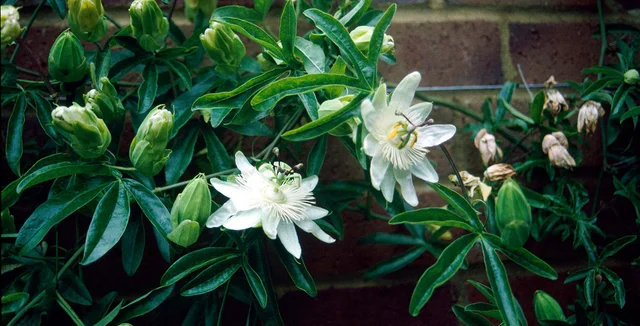
- Hardy passion flowers are still only truly hardy in towns, cities and mild areas, such as around the coast in the UK. The blue Passiflora caerulea is widely available at garden centres, as is its all-white form:Passiflora caerulea ‘Constance Eliott’
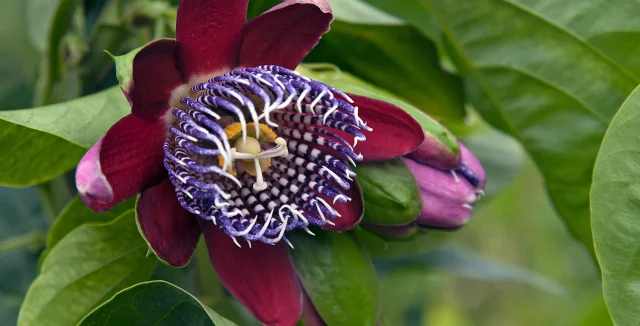
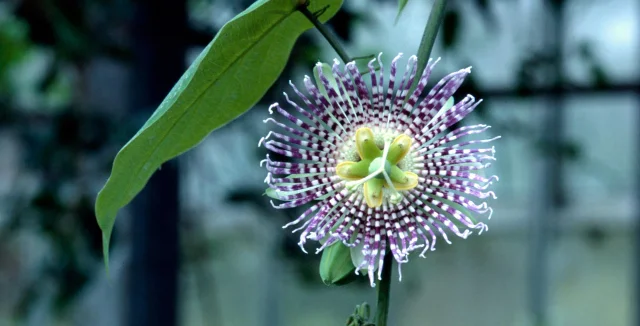
- Tender passion flowers have blooms that range in colour from reds and yellows to purples and blues. The flower shapes range from simple starry bells, such as Passiflora citrina, to exotic jelly-fish-like forms of Passiflora quadrangularis. All will need room in a conservatory or heated greenhouse to grow and flower well.
Finally, if you want to try growing edible passion fruit, it’s something that’s fun to try as it usually results in a few fruits (but not big crops). The two to try in a conservatory or greenhouse are Passiflora edulis (the passion fruit or Purple granadilla)and P. quadrangularis, (Giant granadilla)although the most reliable for fruiting is P edulis.
Find out more about edible passion flowers:
Buying
Plants for sale are usually of flowering size and available in 1 or 2 litre pots. They are available at both garden centres and via mail order.
Tender passion flowers that need to be grown in a heated greenhouse or conservatory and are usually only available from nurseries specialising in climbers or tropical plants. For those looking for more specialist information, thePassiflora Society International provides a lot of useful information on these plants
Use the RHS Find a Plant tool for specialist nurseries near you or with plants for mail order purchase.
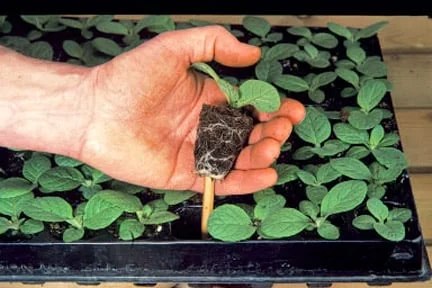

Planting
Planting Outdoors
- Plant hardy passion flowers in the spring after the cold weather has passed (typically late May/early June)
- Hardy passion flowers planted in the garden border, produce the best growth and flowers when in a sunny, sheltered position away from cold drying winds. A south- or west- facing fence or wall is ideal
- Hardy Passiflora caerulea can reach 10m (33ft) high and so needs space to grow and flower well
- Passion flowers climb by means of tendrils and need to be planted and trained against a trellis or horizontally-wired fence or wall on which the tendrils can cling
Planting Indoors
- Tender passion flowers can be grown in containers, starting with a 30cm (12in) wide pot, in the greenhouse
- Provide light shade for tender passion flowers grown in a conservatory or greenhouse to prevent the foliage becoming scorched in hot weather
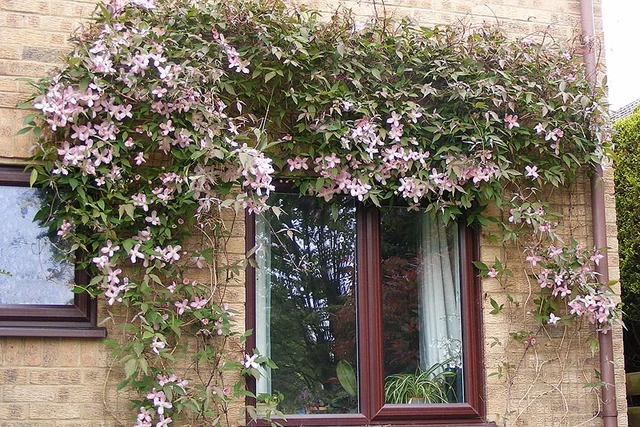
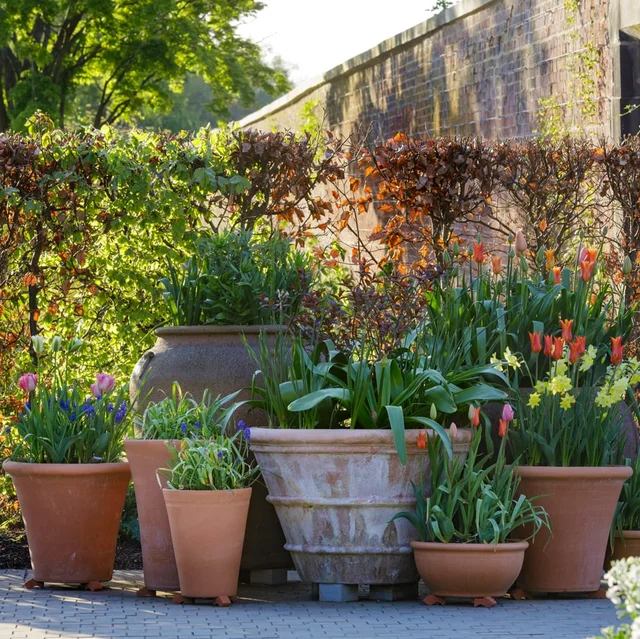
Ongoing Care
Watering
Water passion flowers in the garden once a week during dry spells and container plants as soon as the surface of the soil looks dry. Flower buds may drop if the soil becomes too dry and the plant wilts. Water container plants less frequently during the winter to avoid root rot from the soil remaining too wet
Feeding
If growth and flowering is weak, feed plants in the ground in spring with a general fertiliser such as Growmore. Plants in containers should be fed using a liquid feed, such as Phostrogen, every four to six weeks during the (March to October). During the winter, no feeding is required as the plant will be dormant
Deadheading
No is required, as passion flowers flowers drop naturally.
Repot passion flowers growing in containers every 2-3 years.
Overwintering hardy passion flowers
While Passflora caerulea is hardy in milder regions of the UK, in colder areas protect the stems by wrapping with insulating
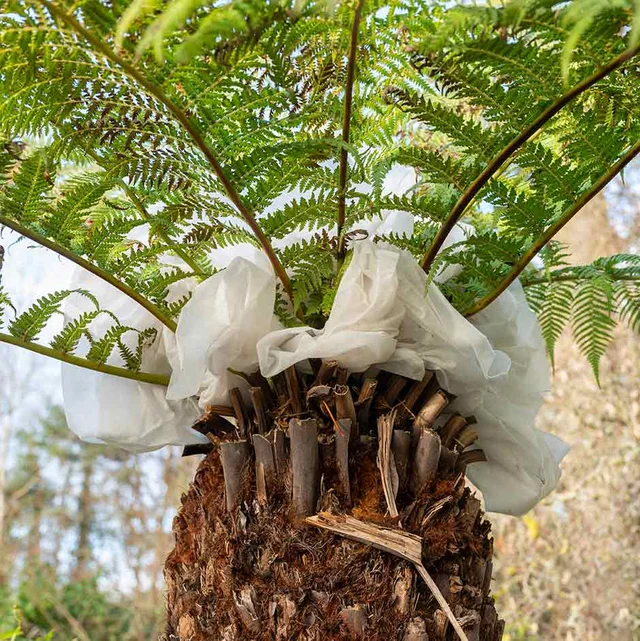
Overwintering tender passion flowers
Passiflora mollissima, P. × exoniensis, P. antiqueness, P. × alatocaerulea, P. × allardii, P. caeruleoracemosa, P. alata, P manicata all require a minimum temperature of 5-7°C (41-45°F) so are best suited to heated but cool conditions in a glasshouse or conservatory.
Overwintering edible passion flowers
P. edulis (the edible passion fruit or purple granadilla) and P. quadrangularis (Giant granadilla) require tropical conditions and winter temperatures no lower than 10-16°C (50-61°F)
Pruning and Training
Prune your passion flower once a year in early spring if necessary. Flowers are produced on the new growth, so pruning entails removing the old flowered stems, while retaining a framework of strong, healthy stems. Pruning helps to keep the plant tidy and within bounds.
Renovate overgrown plants, by cutting back the stems to 30-60cm (1-2ft) from the base. Renovation should only be done every few years as it will weaken the plant if performed too often. Reduce excessive numbers of new shoots that may appear, retaining only the strongest. Be aware that flowering is often delayed for a year or two after renovation.

Propagating
You can make new plants from your passion flowers from , layering or seed.
Layering
Layering is the easiest method of propagating passion flowers and flowering sized plants can be obtained almost immediately. The method enables rooting of the layered stem while it is still connected to the mother plant. This means it is almost always successful.
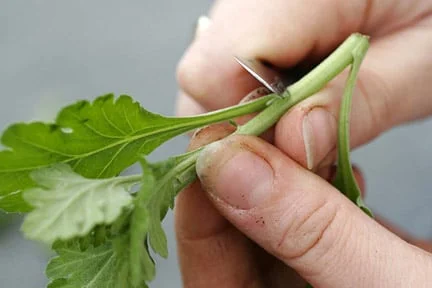
Softwood cuttings
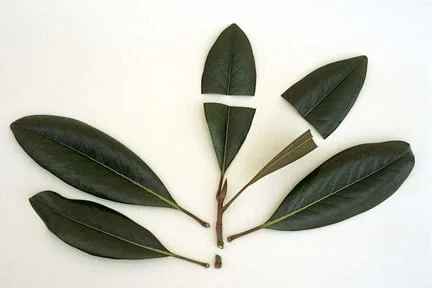
are also possible and are made by taking cuttings of the soft and flexible young shoot tips in spring and summer. These root readily when planted in peat-free cuttings and kept in a or enclosed plastic bag to retain .
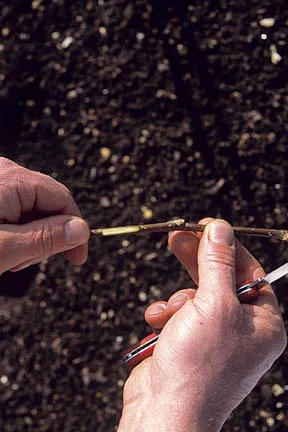
Semi-ripe cuttings
are an easy way to propagate Passiflora. These are taken using stems that are soft at the tip but which have hardened at the base. They will root quickly when taken in summer.
Seed
Passion flower may be propagated from seed, but the may not grow to be the same as the parent plant. Soak the seeds in tepid water for 24 hours to soften the hard seed coat. Then sow into peat-free and keep covered at a temperature of 25°C (77°F) until seedlings appear.
Problems
Flower buds may drop if the soil becomes too dry and the plant wilts (see Watering above)
In the garden
Pests such as aphids can be a nuisance on young growth
Plant viruses such as cucumber mosaic virus can be troublesome
Under glass
Passion flower is vulnerable to a range of pests indoors including Glasshouse red spider mite, Glasshouse whitefly, scale insects and mealybug
If you’re a member of the RHS, you can use our online Gardening Advice service, via MyRHS for any gardening questions.