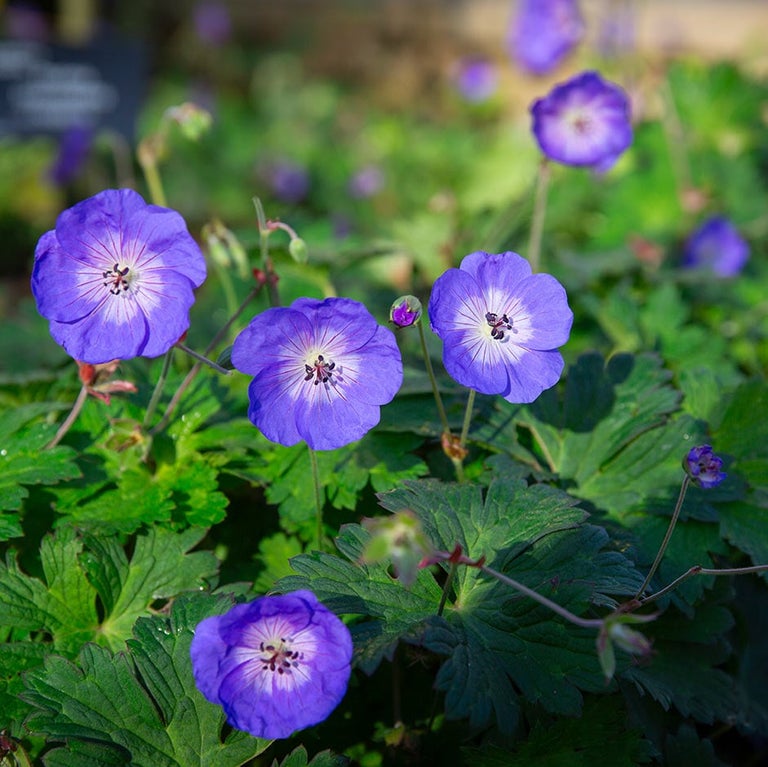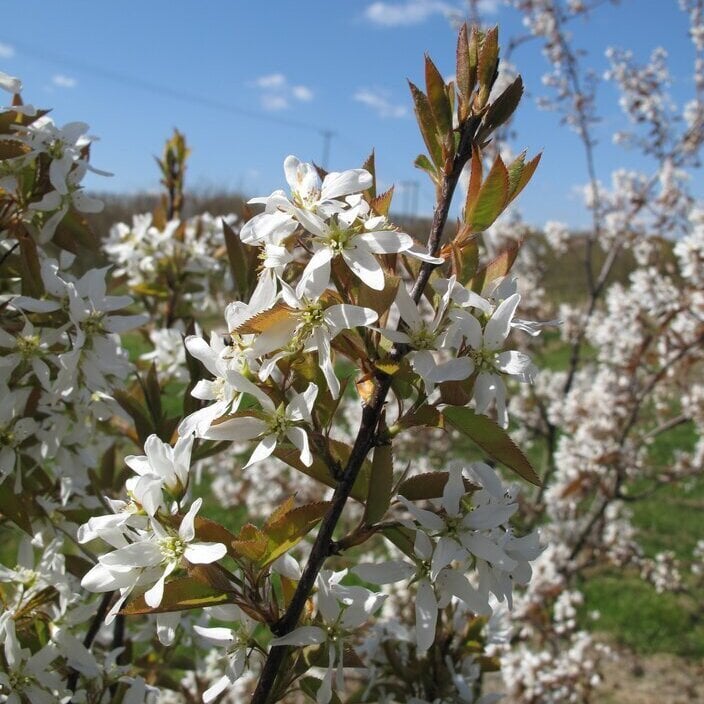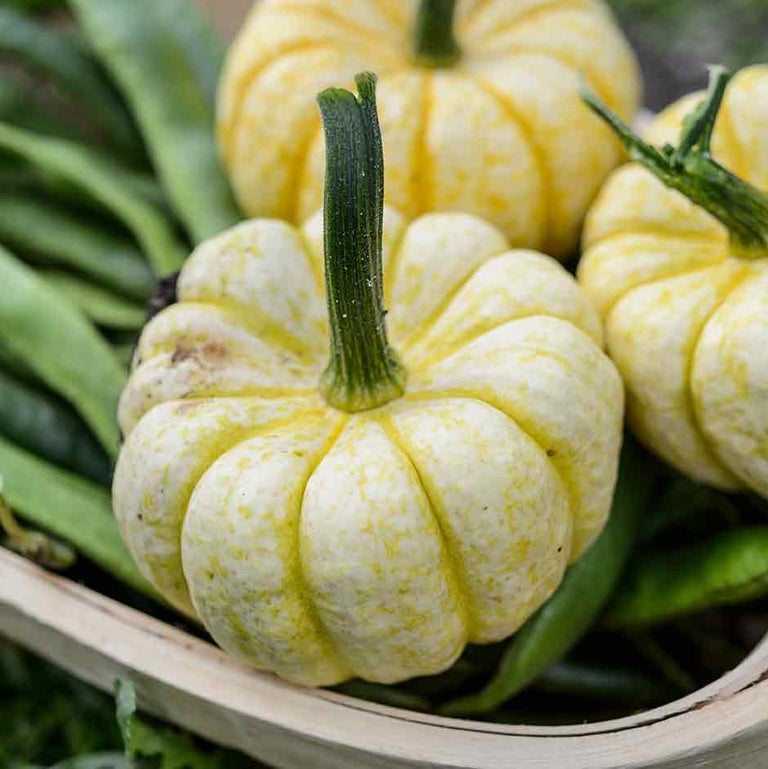
Drought-resistant plants
As climate change presents us with the challenge of gardening with less water, choosing plants to suit our growing conditions becomes paramount.
Before choosing plants that can cope with dry conditions, you’ll need to work out the other key factors that help them thrive. Take a look at the area you are about to plant and assess:
1. Shade levels – work out how much shade a border receives. The more sun, the wider the choice of plants. If the area you need to plant is shady and dry, see our advice pages on shade planting and plants for under trees for lists of suitable plants.
2. Soil type – this will determine how water is held in the soil. Use our guide to soil types to discover what kind of soil you have.
3. Microclimates – even within your garden, conditions vary. Some areas can be particularly windy, exposed or hot (reflected heat from paving for example). See our advice page on assessing your garden.

If your soil tends to be dry in summer and wet in winter, choose plants that can grow in this mix of conditions.
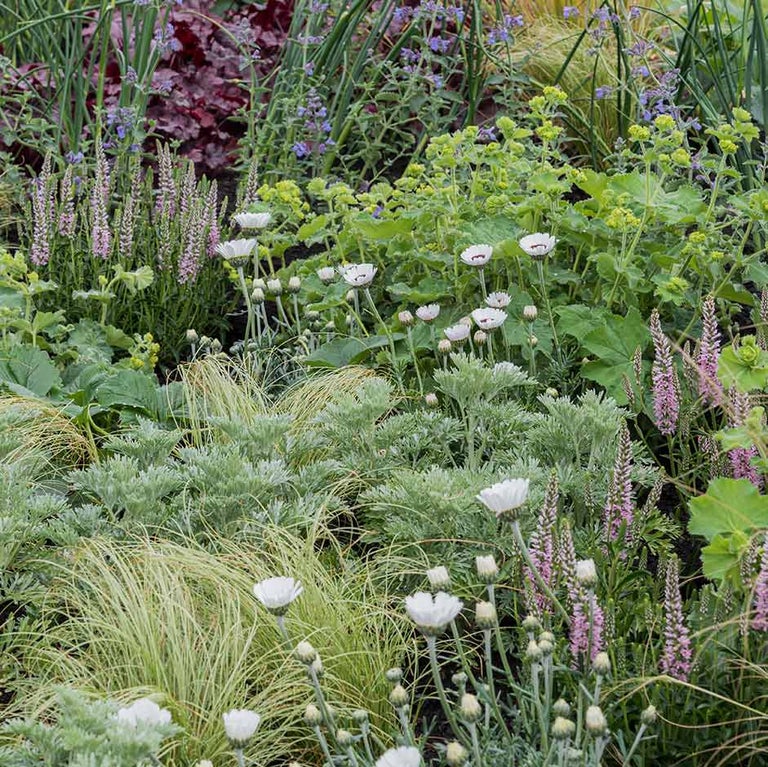
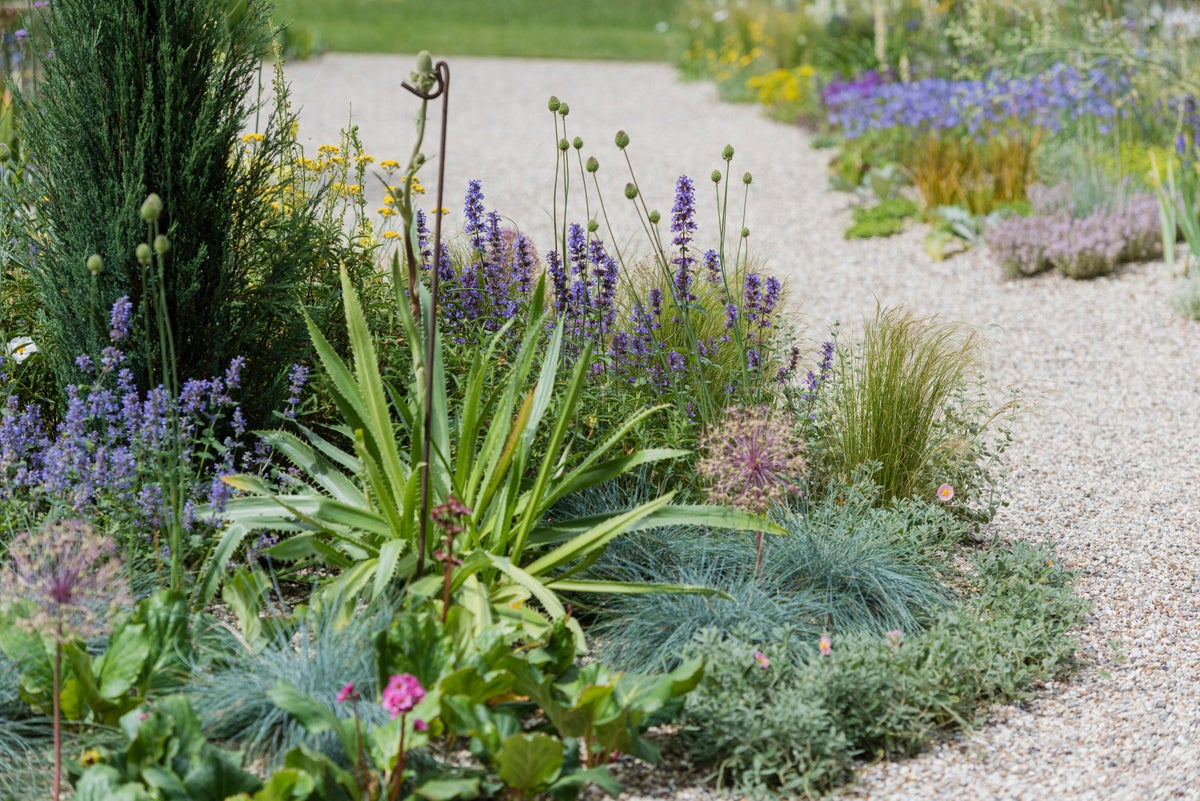
An advice page on drought-resistant plants lists trees, shrubs, climbers, perennials and that can tolerate dry conditions in borders or containers. We have put together a planting plan for drought-prone conditions.
In addition to Mediterranean-style plants that resist drought, some of the most resilient plants come from a range of areas including central Asia and the Himalayas. Others are or cultivars of plants native to the UK.

Regardless of soil type:
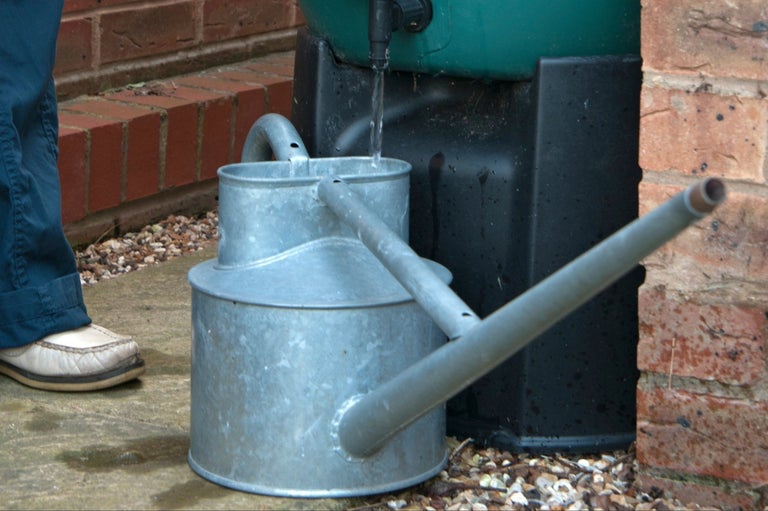
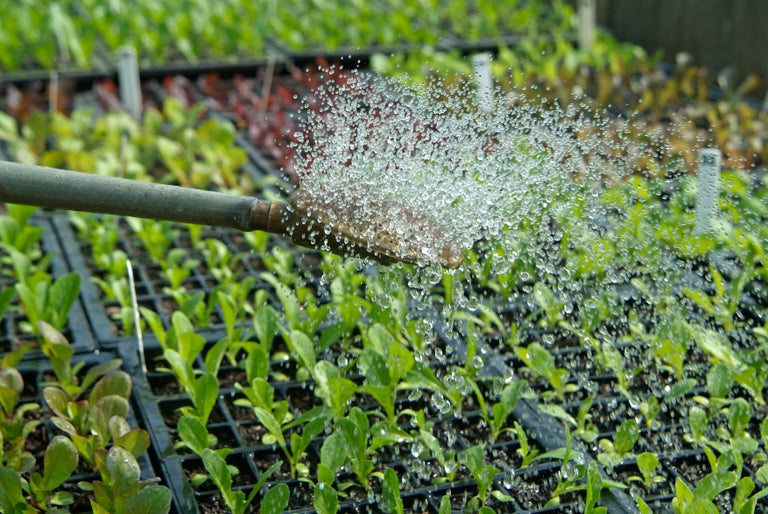
To withstand drought in the future, start by watering the soil well after planting. Ensure that you water down to the root zone. This encourages strong root development.
Water newly planted trees, shrubs and perennials regularly. This particularly applies in the first year, or longer depending on size at planting, even if they are described as drought tolerant. Large tree specimens may need watering for up to three years after planting.
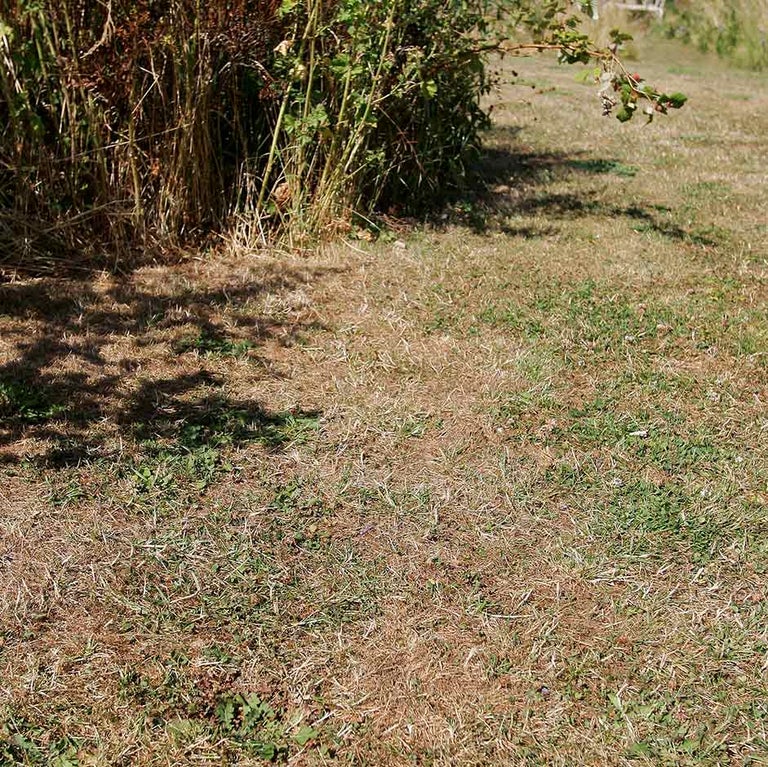
New lawns, whether seeded or turfed, require consistent watering until established.
Apply a layer of after planting. Mulching with organic matter, such as home-made garden , improves soil structure, helps retain moisture, adds and suppresses weeds. For Mediterranean-style plants, consider using 5-7.5cm (2-3in) of gravel as the mulch, or making a gravel garden.

Further reading:
Filipi, O. (2016). Planting Design for Dry Gardens: Beautiful, Resilient Groundcovers for Terraces, Paved Areas, Gravel and Other Alternatives to the Lawn. Filbert Press
Chatto, B. (2000). Drought-Resistant Planting Through the Year: Beth Chatto’s Gravel Garden. Frances Lincoln.