
How to plant bulbs in a pot
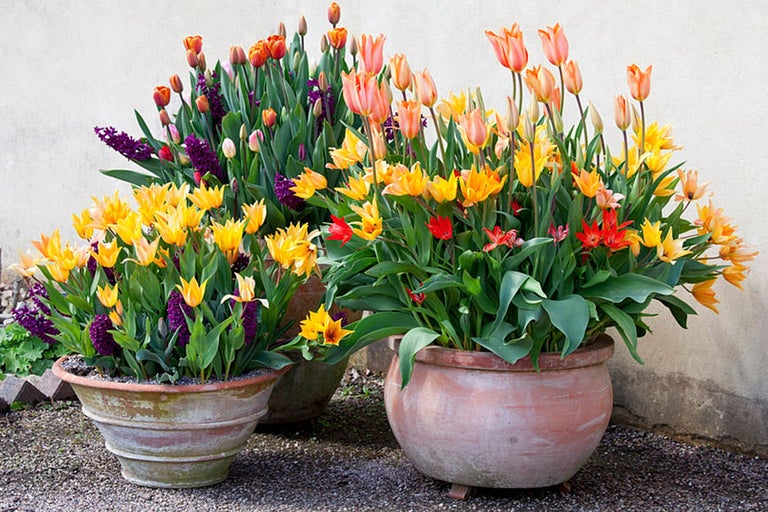
One of autumn’s most rewarding jobs is to plant a pot of spring bulbs. It’s quick and easy, and if you plant several different bulbs in layers, you’ll get even more flower power in a small space.
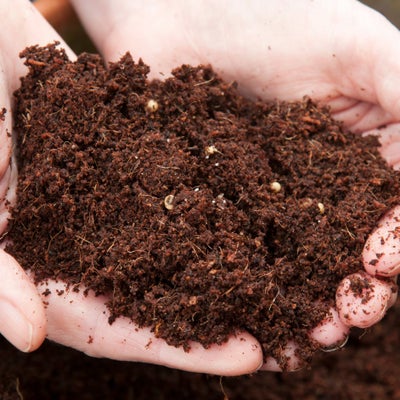
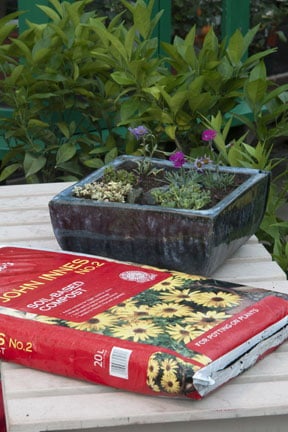
Peat-free compost is widely available and more sustainable than peat-based compost
Going peat-free helps to conserve precious peat bog habitats and combat climate change
‘Environmentally friendly’ and ‘organic’ composts aren’t necessarily peat-free

Going peat-free is great for the environment, and as new mixes have been developed for every need, your plants will thrive too.
Preserving peatlands is vital for the unique they support, as well as for the wider environment and climate. These habitats are important carbon stores and damaging them, including by draining them for peat extraction, releases carbon dioxide, contributing to climate change. Peatlands also play a key role in soaking up excess rainfall, helping to prevent localised flooding.
Along with increasing availability of peat-free composts, the quality has improved considerably in recent years too. So if you’ve had a go with peat-free in the past and had problems, it’s well worth trying again to find your perfect peat-free mix.
Despite previous government commitments, there is currently no legislation in place banning peat use in horticulture, so the timeline to end the use of peat in horticulture remains unclear.
Meanwhile, the RHS remains committed to a peat-free future for horticulture. Read more about our peat-free policies across all RHS operations, including Shows, Gardens and Retail, which came into force from 2026.
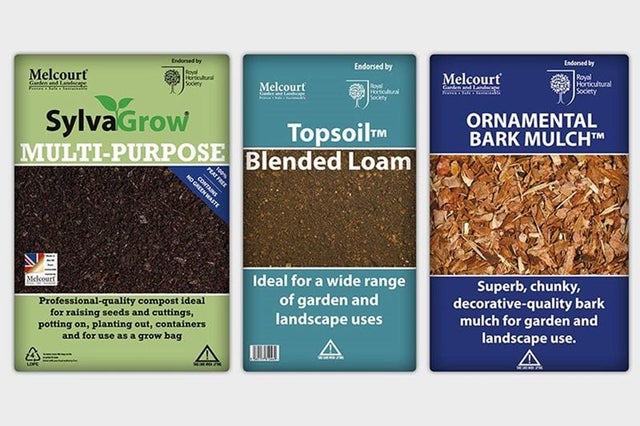
To ensure the you choose is sustainable, look out for the Responsible Sourcing Scheme (RSS) logo on bags. You can search the RSS website to find the traffic light rating of the compost, which is assessed based on seven environmental and sustainability criteria.
Now is a great time to join us and get started with peat-free growing.
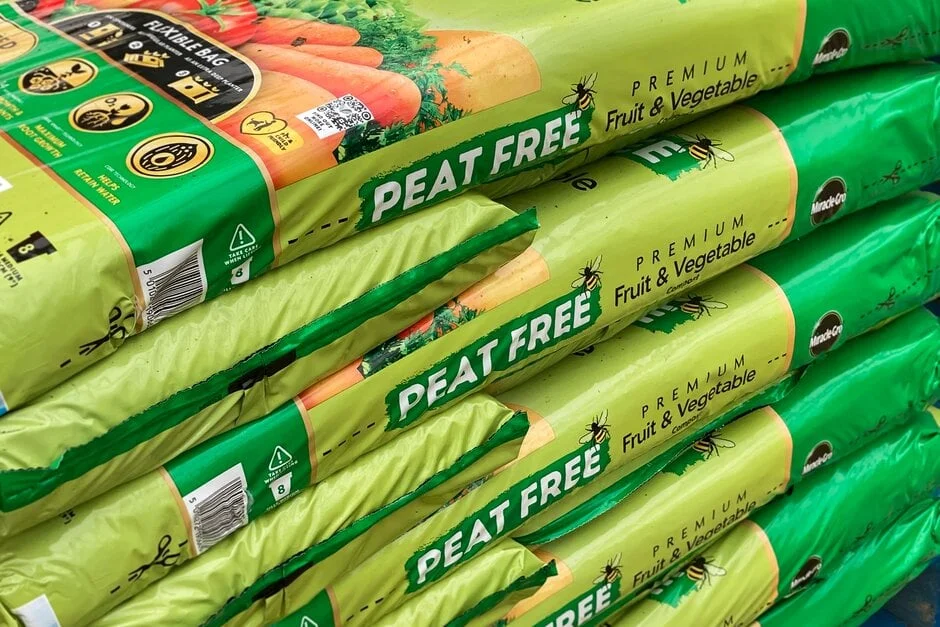
Always choose a to suit the plants you will be growing, such as or long-term container plants. Some plants, like or acid-loving plants and houseplants, need specialist mixes. With the expansion in the range of peat-free options, you will be able to buy peat-free versions of any type of compost.
When deciding between peat-free composts, look for information on the packaging about how to use it and which plants it is suitable for. The packaging may also recommend the use of specific fertilisers with that compost: this is not a marketing ploy, as different formulations have different balances of . Use either the recommended product or one with a similar nutrient balance – compare fertilisers by checking the NPK ratio and the trace-element content quoted on the packaging.
The following peat-free options may be especially useful:
When buying plants, you may also wish to consider choosing plants that have been grown peat-free. Our peat-free nursery finder is here to help you source plants raised 100% peat-free. RHS Plants online and the five RHS Garden Centres also stock a wide range of 'no new peat' plants.
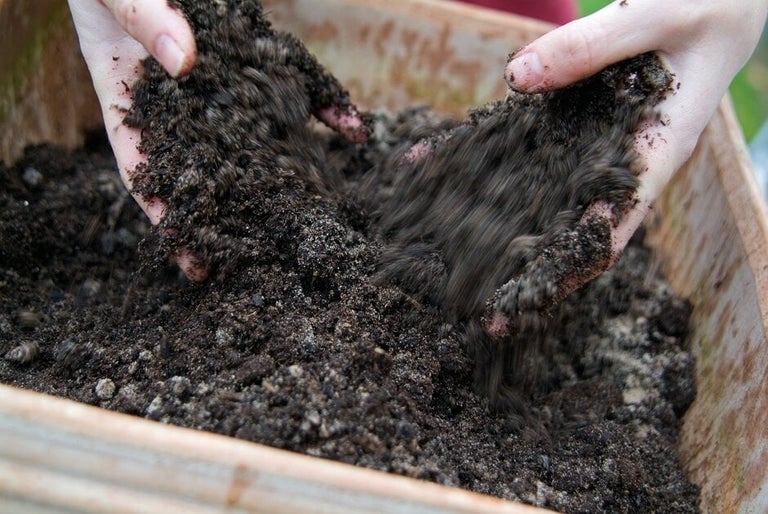
Peat-free composts can look and feel very similar to peat-based composts. However, they do need to be treated differently, and the watering and feeding requirements in particular may need changing if you were used to growing in peat.
It is best to try and use up your peat-free within the you bought it. Composts that are left longer than this can start to break down, meaning plants grow less well compared to using fresh compost. Some brands, including Melcourt, include the production date on the bag, so you can check exactly how fresh it is.
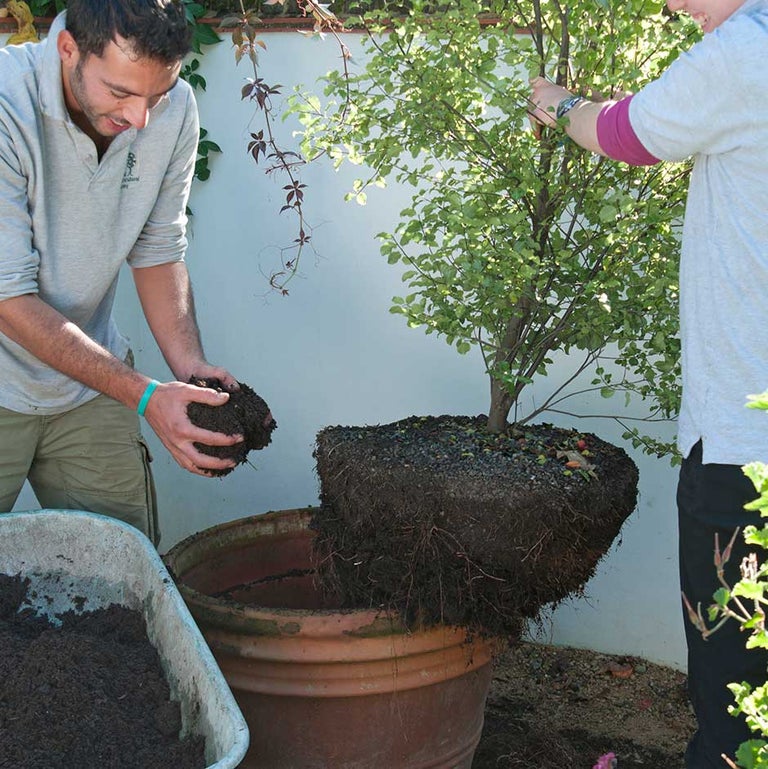
If you have compost that's over a year old you can add this to your home compost, use it to bulk out large planters, or add to beds and borders as a .
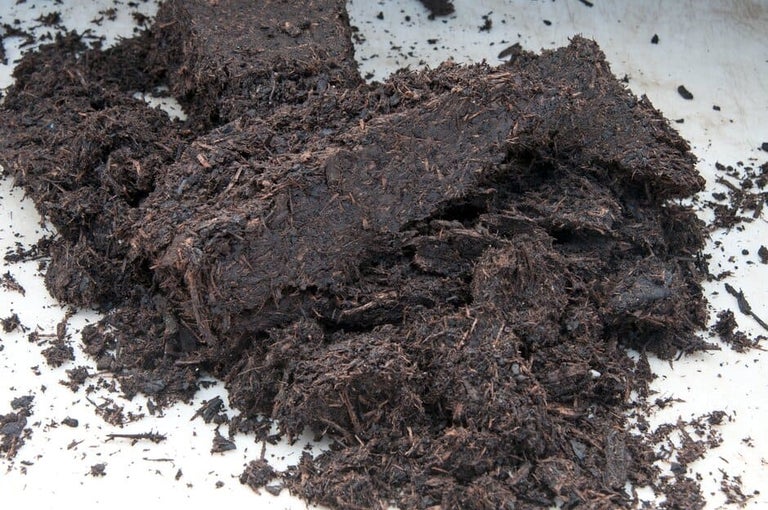
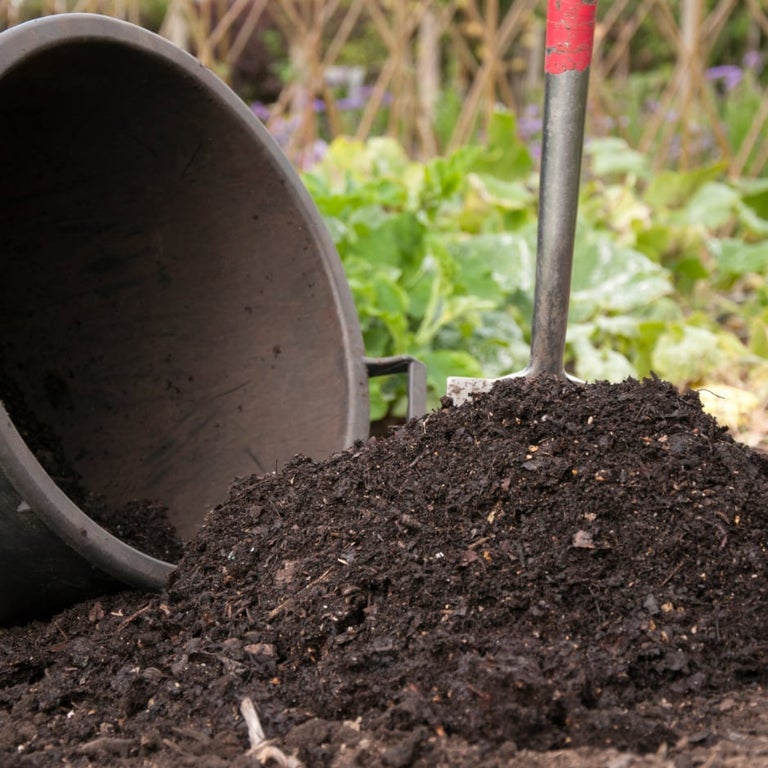
Peat-free potting composts contain blends of various organic (plant-derived) materials – such as composted , coir, wood fibre and composted – sometimes mixed with inorganic materials such as grit, and loam. All these materials have their own physical, chemical and biological properties that are different to those of peat, so it is worth trying a few different mixes to find one that suits your garden and the plants you grow.
Many of the ingredients in peat-free composts were previously considered waste from other industries, particularly the timber and coconut industry. These ingredients get a new life, and trees or coconut palms are not being grown for the compost industry, contributing to the sustainability of peat-free mixes.
Some of the most commonly used organic ingredients are:
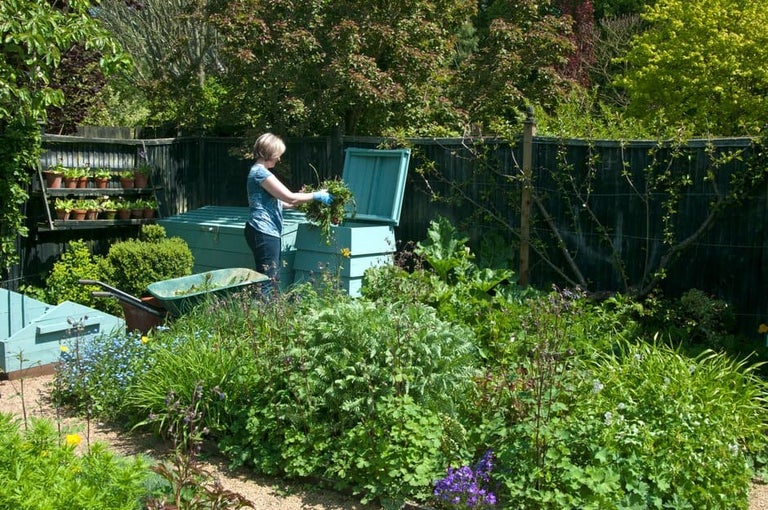
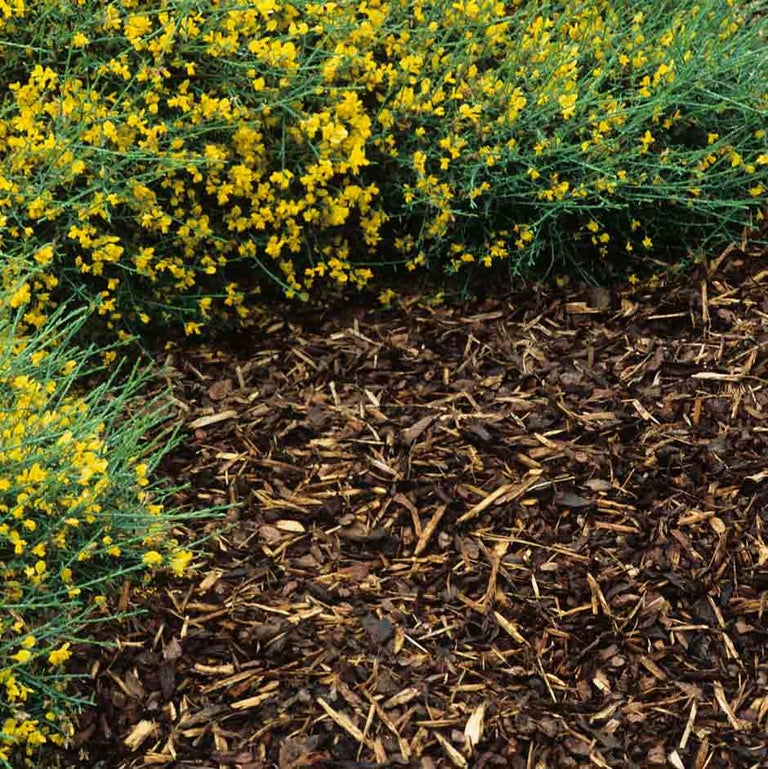
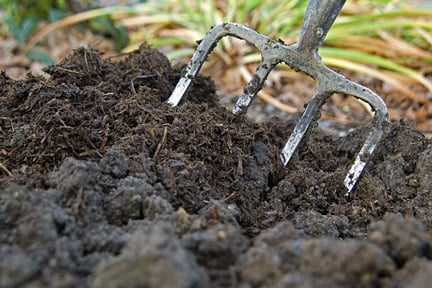
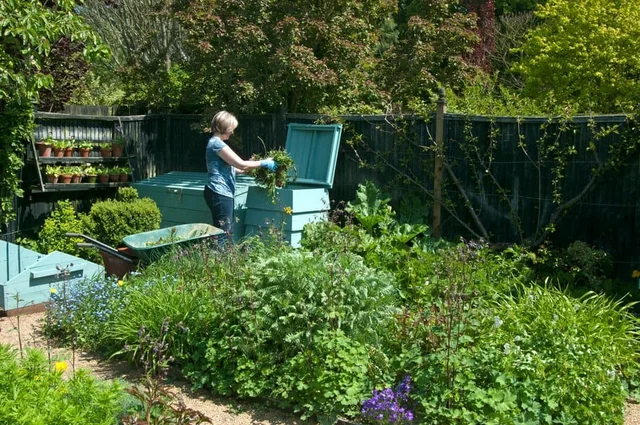
Home-composted food and garden waste is really useful as a mulch or soil improver – don't use bagged potting composts on your beds and borders.
Other ingredients
Research is ongoing into a number of materials that, if locally available, may be useful ingredients in blended products, such as arable straw waste, sustainably farmed sphagnum moss, bracken, wool and paper and cardboard production waste.
Home-made potting compost
You can mix your own peat-free potting compost using home-made garden compost, leafmould and inorganic materials (loam and sand). This has the benefits of being very low cost and having a much smaller carbon footprint than buying bagged compost, but the results can be very variable. It can be difficult to standardise the pH, moisture retention and available nutrients in your compost throughout the year, and to ensure that the final mix is weed-free.
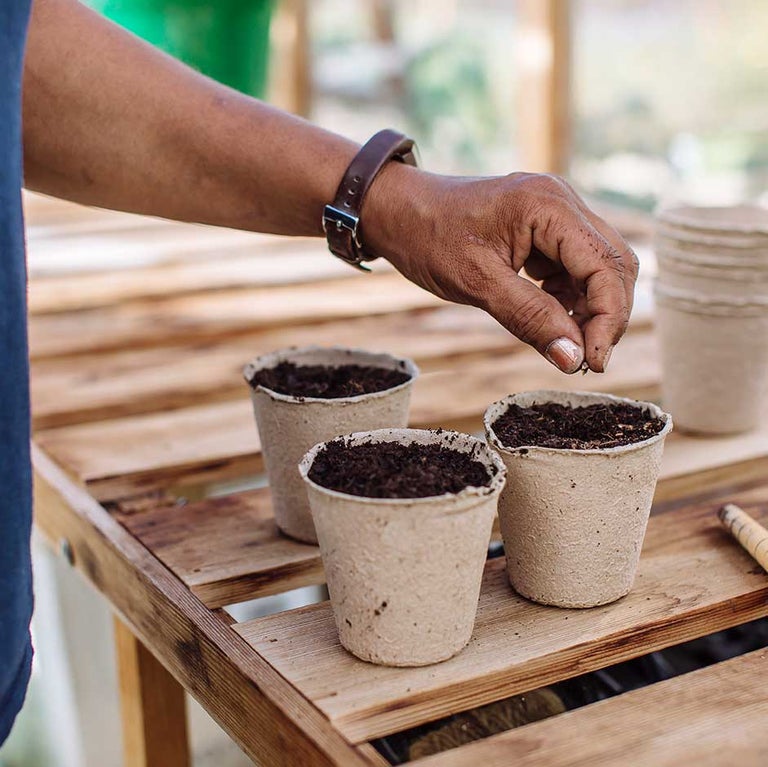
Home-made potting composts are best avoided for seed sowing, because of the potential for them to contain fungi that harm or cause damping-off disease.