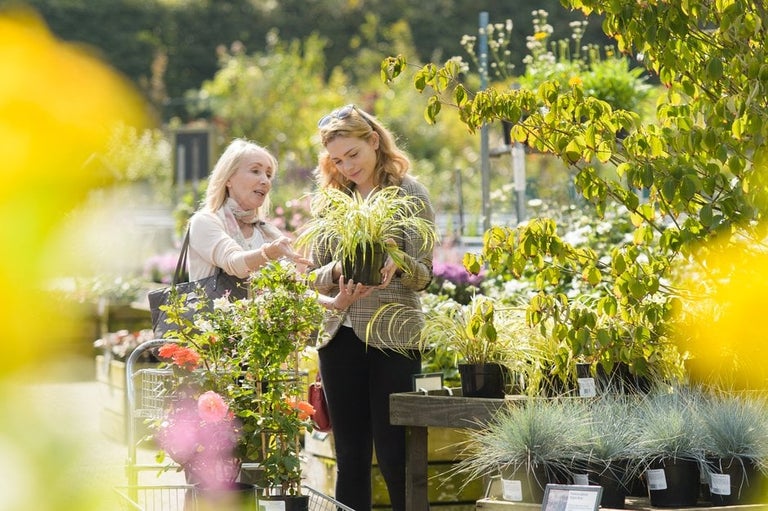
How to mulch with organic matter
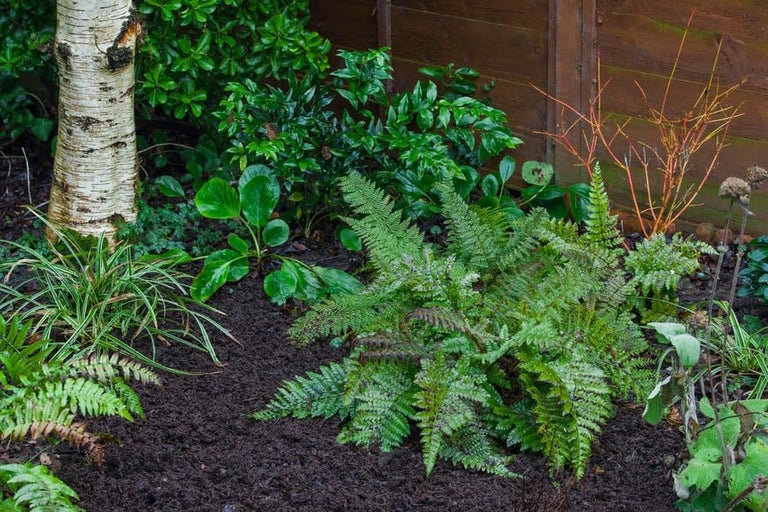
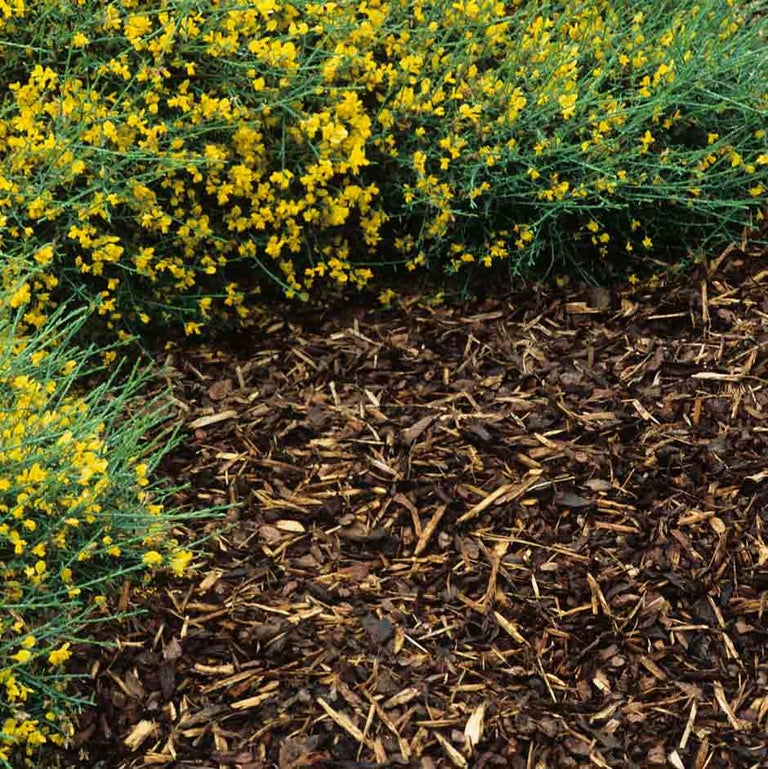
Covering bare soil with a thick layer of organic matter (biodegradable material) is an easy job that really benefits your soil and your plants, while also suppressing weeds. Here’s how to do it.
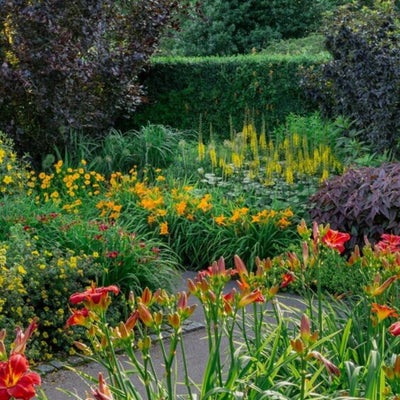
Reds and yellows add a warm glow to our borders
Glowing red autumn foliage creates a dazzling display
Evergreen foliage and red leaves add colour to borders

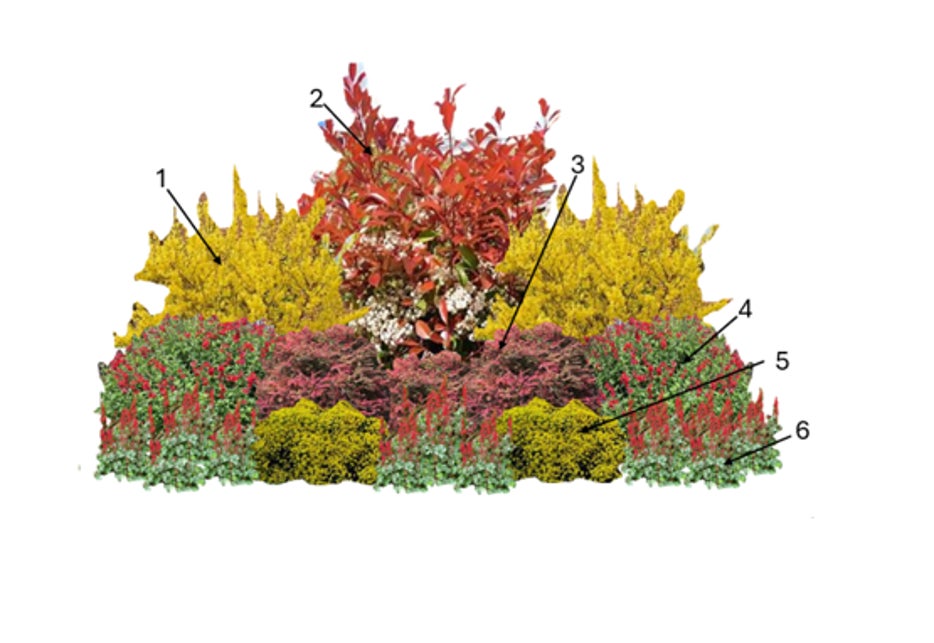
James Lawrence, RHS Principal Horticultural Advisor, has designed this simple, attractive, and most importantly, sustainable border design for you to try at home with plants that are easy to grow, widely available and look good together.
This planting design provides a range of plants that, once established, will provide a variety of interest throughout the year.
Leaf adaptations allow plants to withstand heat and drought well. The thick, leathery leaves of the Photinia and Genista, and the hairy leaves of the Salvia and Heuchera, reduce the water lost from the foliage.
The Genista and Heuchera also create ground cover, which suppresses weed growth and helps to cover the soil. This cover reduces soil erosion and the loss of surface water from evaporation.
Using an organic mulch, preferably homemade compost, while the plants establish can help to provide the same benefits.
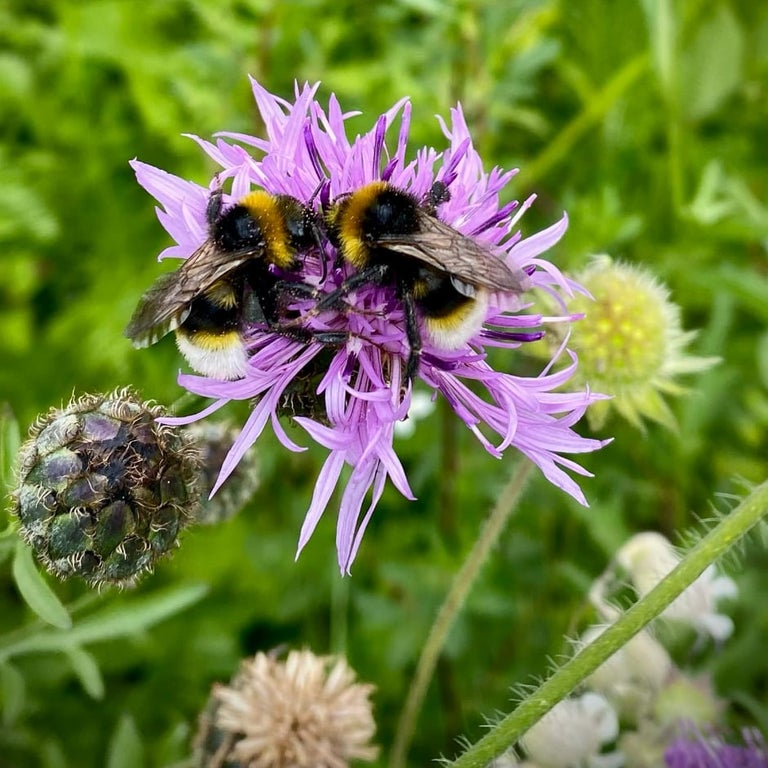
Several of these plants will also attract vital pollinators to your garden, helping to improve .
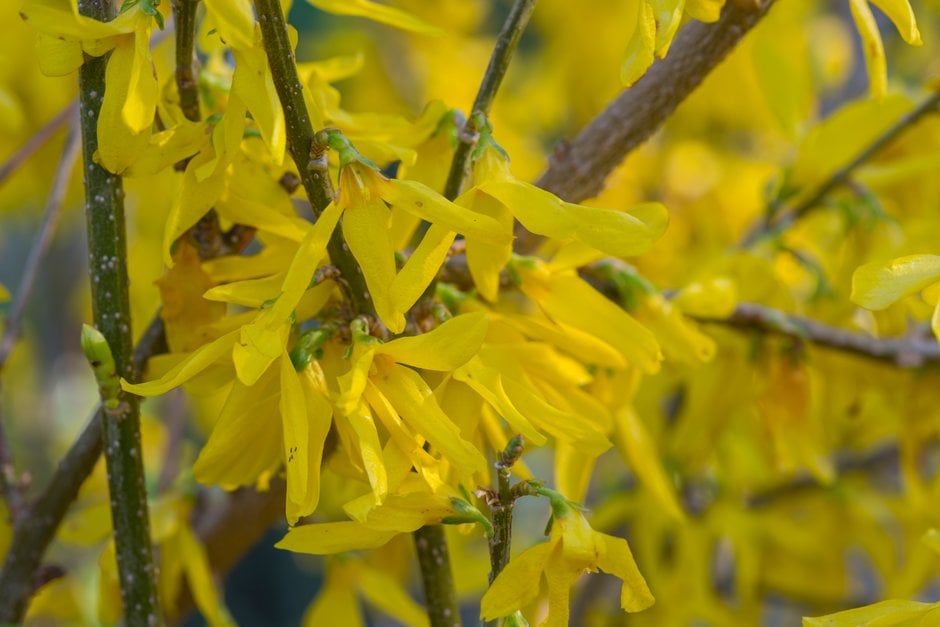
1 – Forsythia x intermedia ‘Lynwood Variety’ is an upright shrub with bright yellow flowers in early spring before the green leaves emerge.
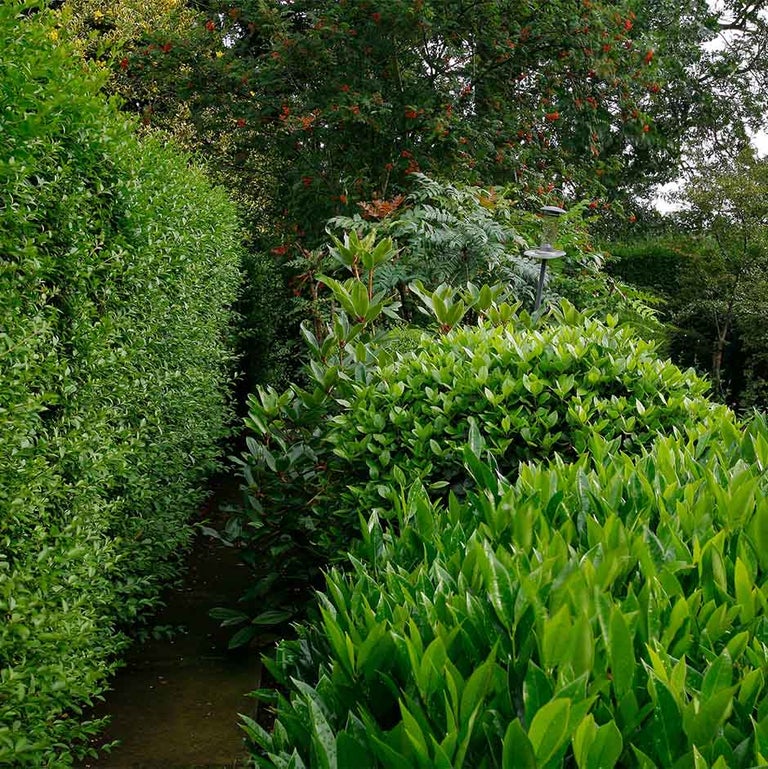
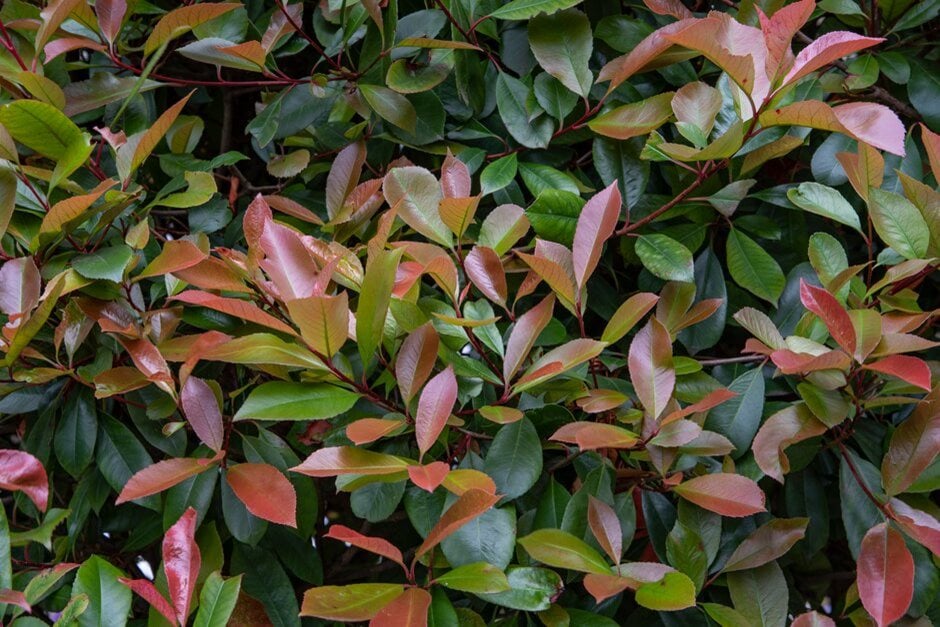
2 – Photinia x fraseri ‘Red Robin’ has glossy leaves that are bright red when young, dark green as they mature. Clusters of creamy-white flowers appear in spring if left unpruned.
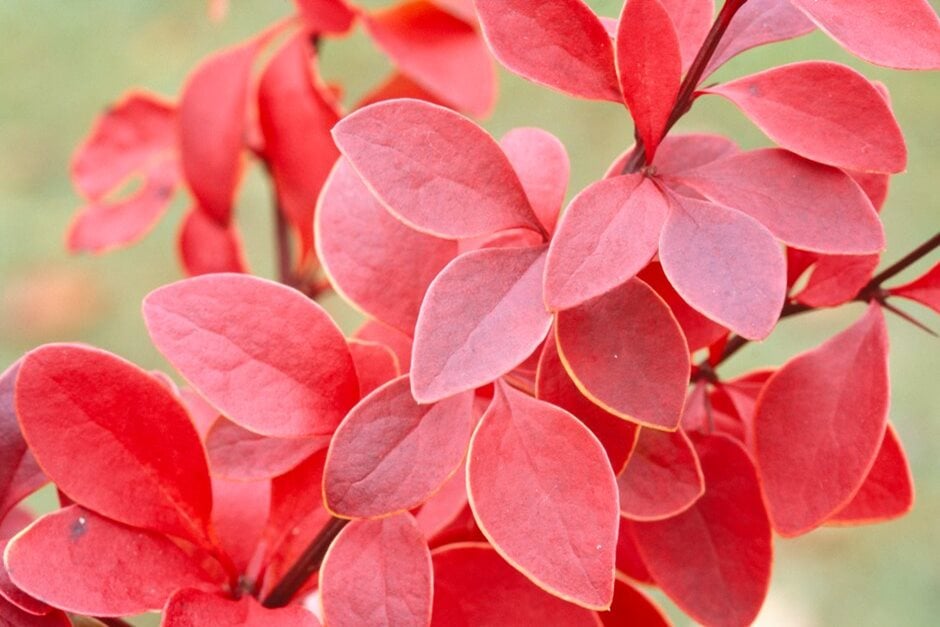
3 – Berberis thunbergii f. atropurpurea ‘Golden Ring’ has small, rounded purple-red leaves, narrowly edged with yellow, that turn red in autumn. Flowers are pale yellow in spring, followed by small, deep crimson berries in autumn.
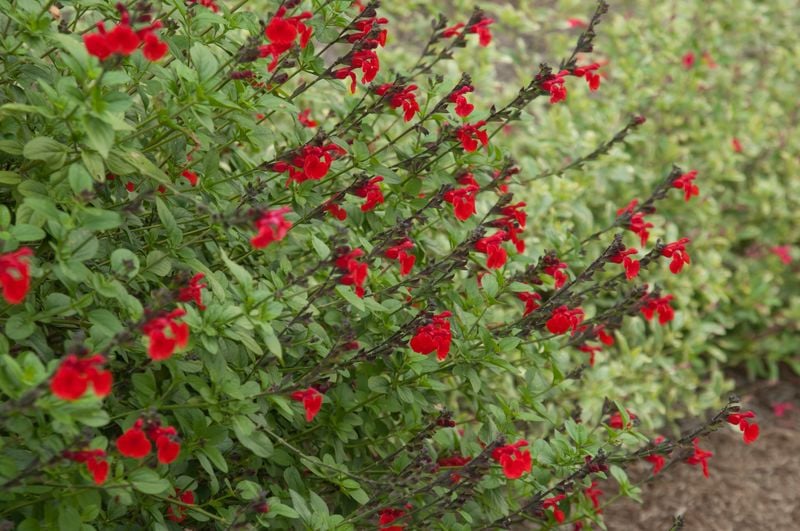
4 – Salvia ‘Royal Bumble’ is a bushy semi-evergreen plant, with aromatic, glossy deep green leaves. Large, glowing, rich red flowers with purple-black calyces and stems appear over a long period from late spring to autumn.
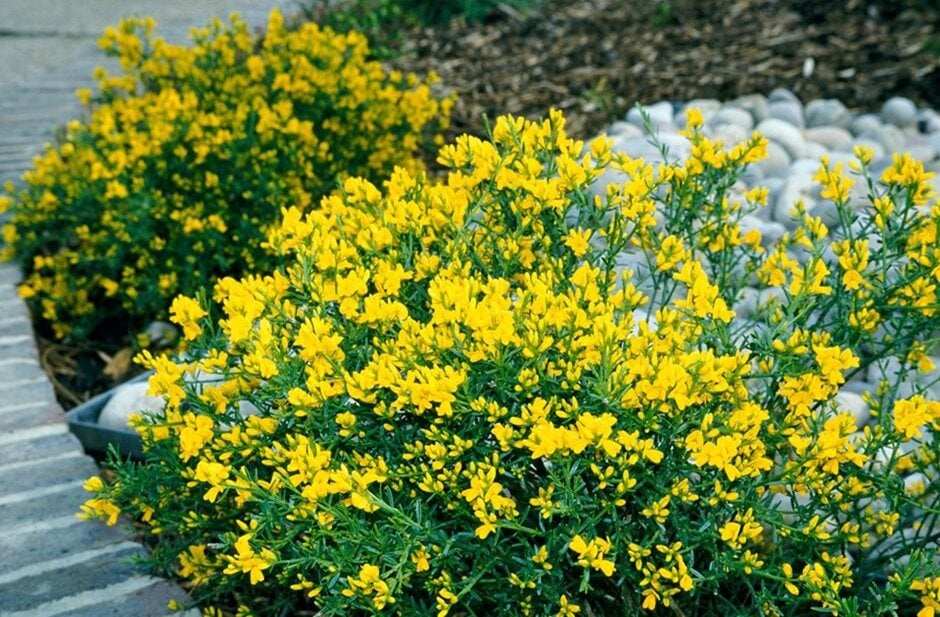
5 – Genista lydia is a compact deciduous dwarf shrub with arching or trailing branches. The leaves are small and the flowers like bright yellow pea flowers, held in terminal clusters in early summer.
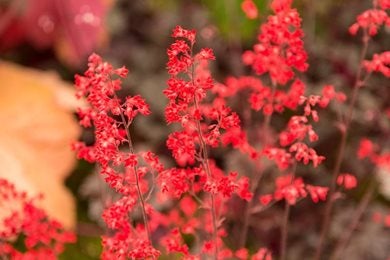
6 – Heuchera ‘Lipstick’ is a mound-forming with palmate, silver-veined green leaves and spires of small, lipstick-red flowers in summer.
By choosing plants which are well-suited to dry hot conditions, you can keep your border looking good and growing well because, planted in the right place, plants tend to be stronger and more naturally resistant to pests and disease.Once the plants are established, this will also reduce the need for extra inputs that less well-adapted plants would need, such as excessive water and fertiliser.
By choosing strong-growing plants, mostly with an RHS Recommended: Award of Garden Merit, it is possible, even within a narrow colour palette, to keep your border looking attractive all year round. The plants in this design flower at different times of the year and attract a variety of pollinators.
AGM plants tend to be more naturally resistant to pests and disease and, once established, will reduce the need for extra inputs that weaker-growing plants would need, such as excessive water and fertiliser.
A simple planting plan helps to create depth, interest and good coverage in a border.
Using the ethos of ‘right plant, right place’ to create a sustainable planting combination is great for the environment. It helps avoid waste and the use of products and practices needed to try and help ailing plants, such as the application of fertiliser. It also creates robust, long-lived planting that benefits soil health and garden . For more information about sustainable gardening, please see the RHS Sustainability Strategy.