Fragrant plants
Fragrant plants can add a whole new dimension to the enjoyment of the garden. They are ideal plants for the smaller garden, where the scent of their flowers or foliage can permeate the whole area.
Sensory plants can help to bring back memories and help lift your mood
Some scented plants can have calming effects

James Lawrence, RHS Principal Horticultural Advisor, has designed this simple, attractive, and most importantly, sustainable border design for you to try at home, with plants that are easy to grow, widely available and look good together.
This simple planting design provides a range of plants that, once established, will thrive together in your garden and provide a variety of sensory interest throughout the year.
This scheme consists of a combination of flowering shrubs and perennials that will provide the splash of colour and, even more importantly, fragrance, throughout the year.
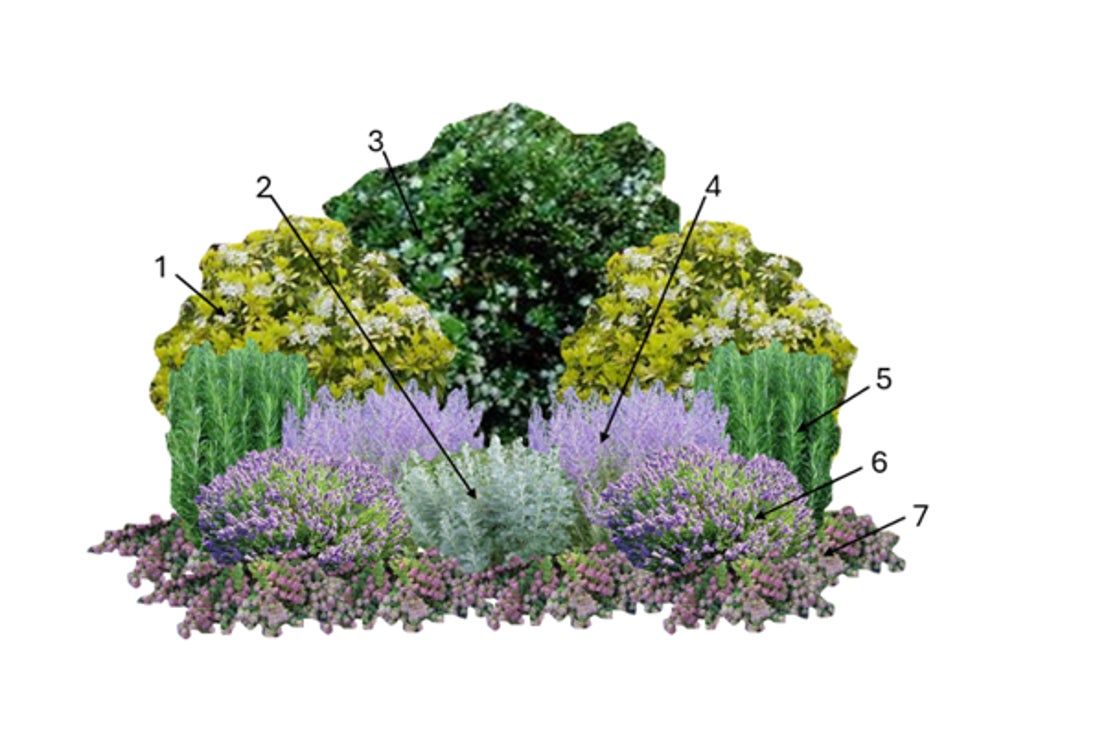
The theme is scented foliage, but this selection of plants also provides additional sustainability benefits. There are a variety of flower types from spring through the summer to help attract a wide variety of different pollinators.
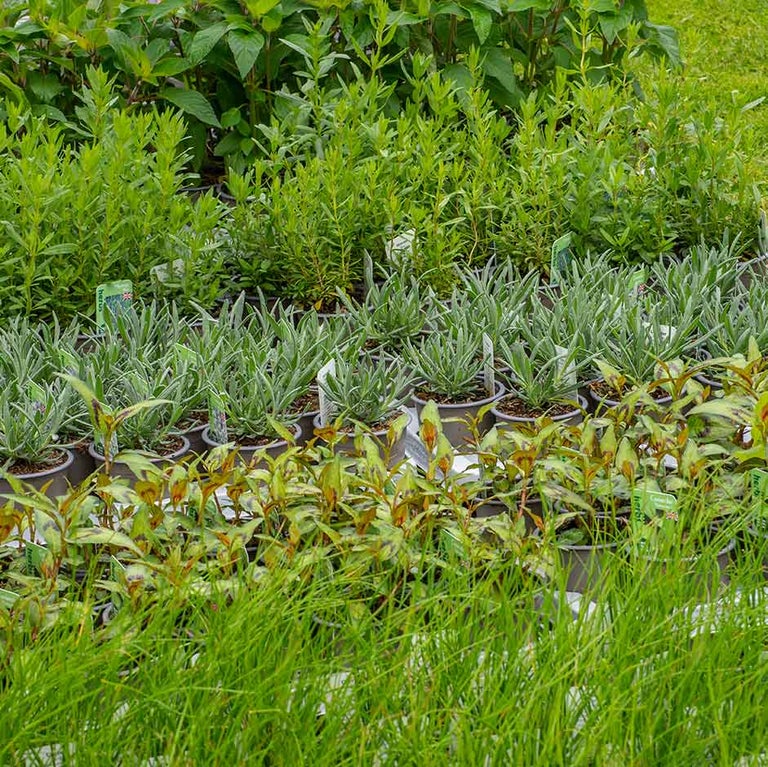
Once established, the Origanum will help to cover the ground, protecting the soil surface, reducing soil surface moisture loss and helping to supress weeds.
Using an organic mulch, preferably homemade compost, while the plants establish can help to provide the same benefits. Mulches should be spread when the soil is already moist to help trap some of that moisture before it dries out in summer.
The plant selection also helps support general health and wellbeing as many of the plants and their associated scents are used in therapeutic gardening practices to help create a calming and relaxing space.
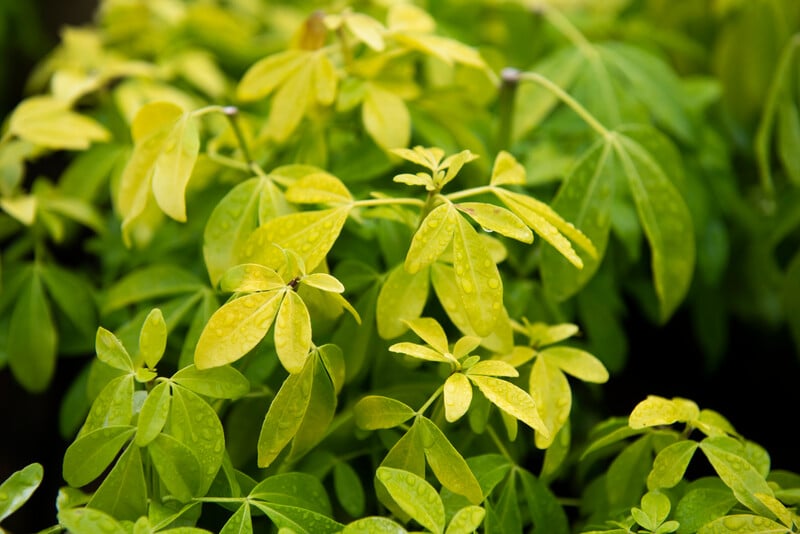
1 - Choisya ternata ‘Sundance’ is a medium-sized, rounded evergreen shrub with glossy bright yellow leaves and small clusters of fragrant white flowers in spring, often repeat flowering in late summer or autumn.
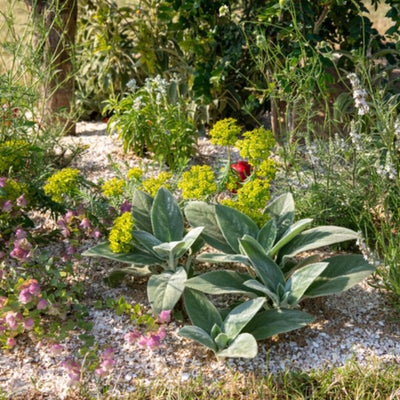
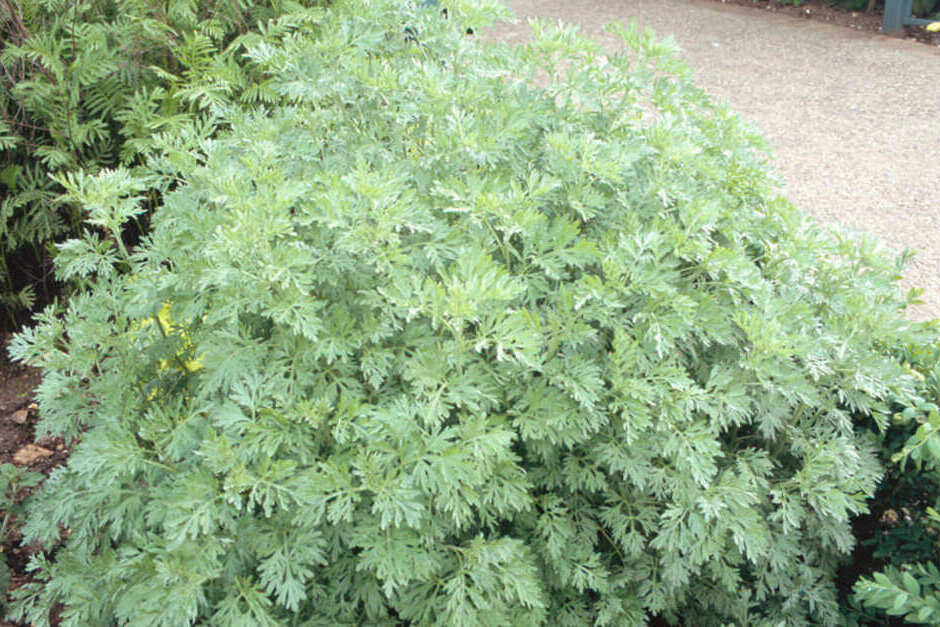
2 - Artemisia absinthium is an erect sub-shrub with very finely divided, pleasantly aromatic grey-green leaves, and small, nodding yellow flowerheads in late summer.
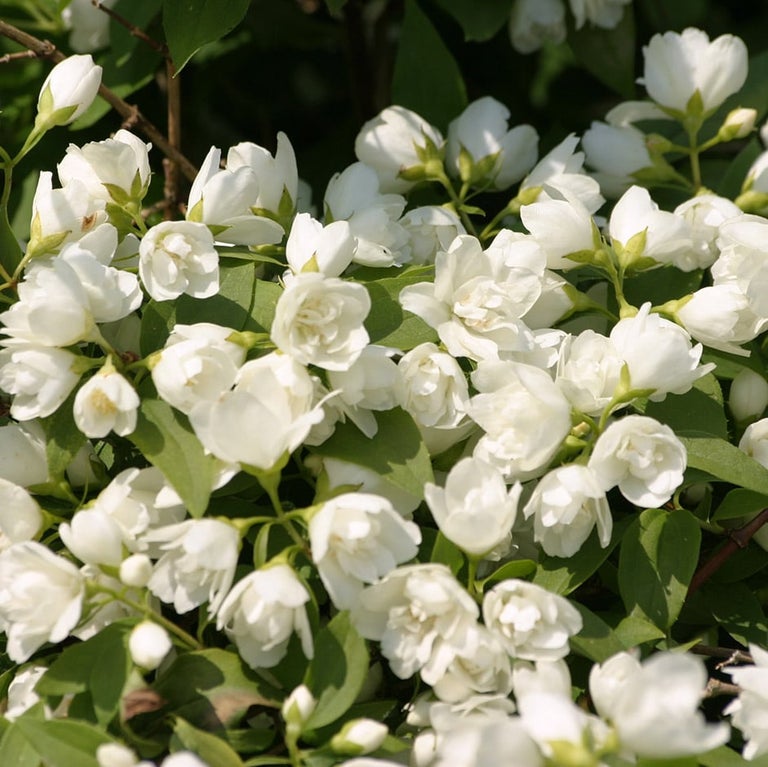
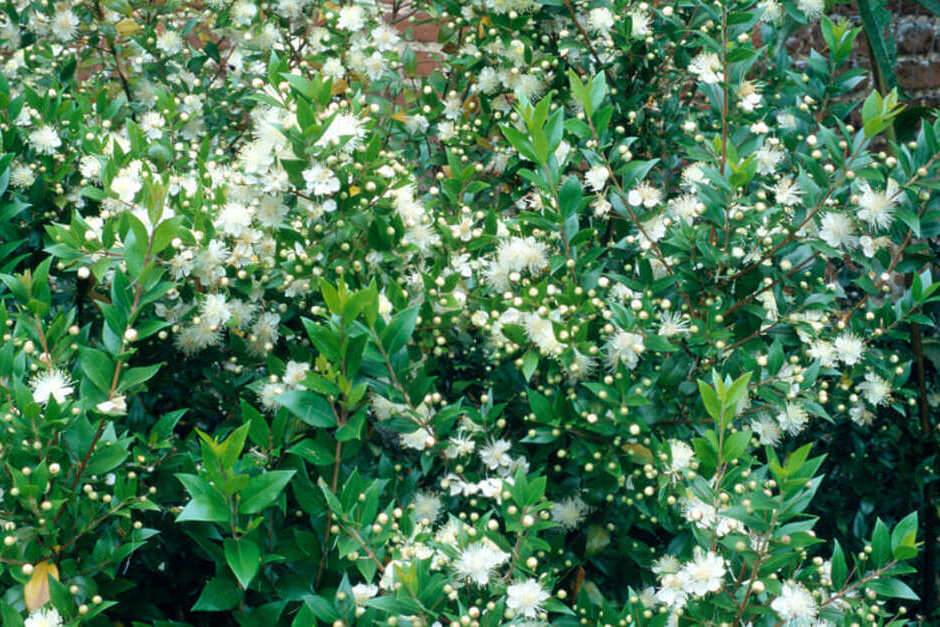
3 - Myrtus communis is a bushy medium-sized evergreen shrub with small, aromatic leaves and profuse white flowers, which are followed by purplish-black berries.
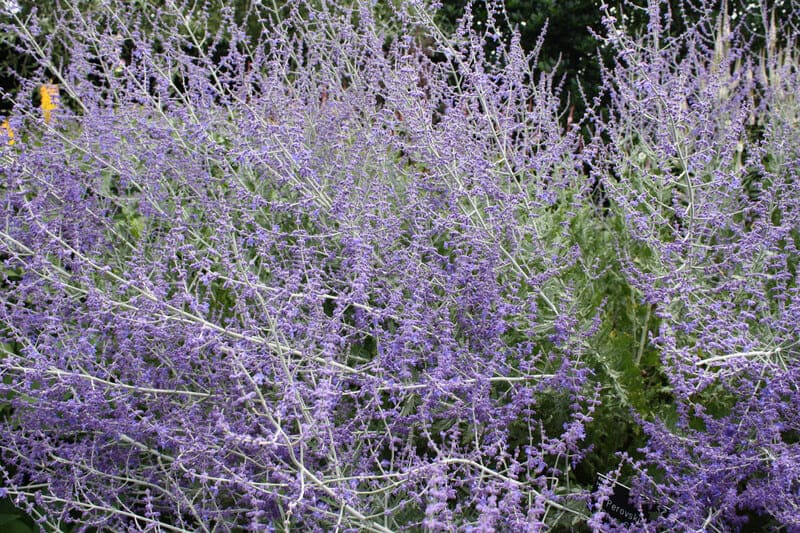
4 - Salvia ‘Blue Spire’ is a small sub-shrub with pale stems bearing deeply-divided, aromatic greyish leaves and plumy panicles of small violet-blue flowers in late summer and autumn.
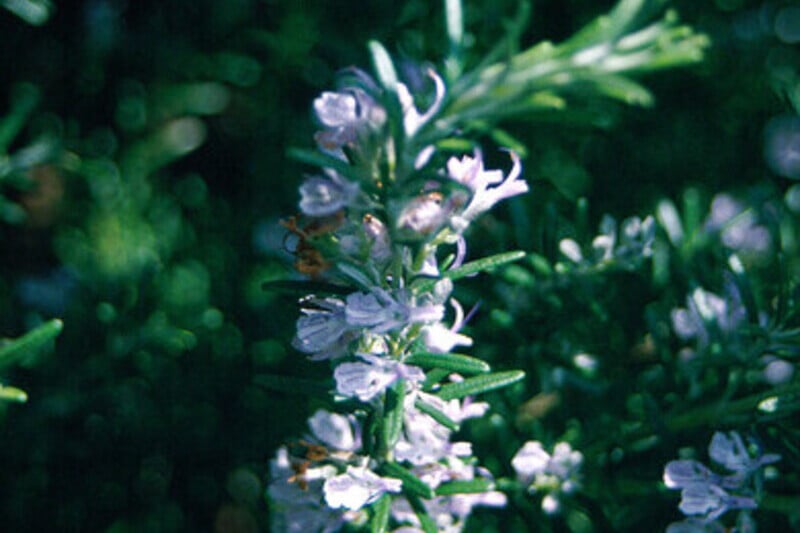
5 - Salvia rosmarinus ‘Miss Jessopp’s Upright’ is a compact, upright, medium-sized evergreen shrub with narrow, aromatic and edible dark green leaves. Small, two-lipped light blue flowers are borne mainly in spring and summer.
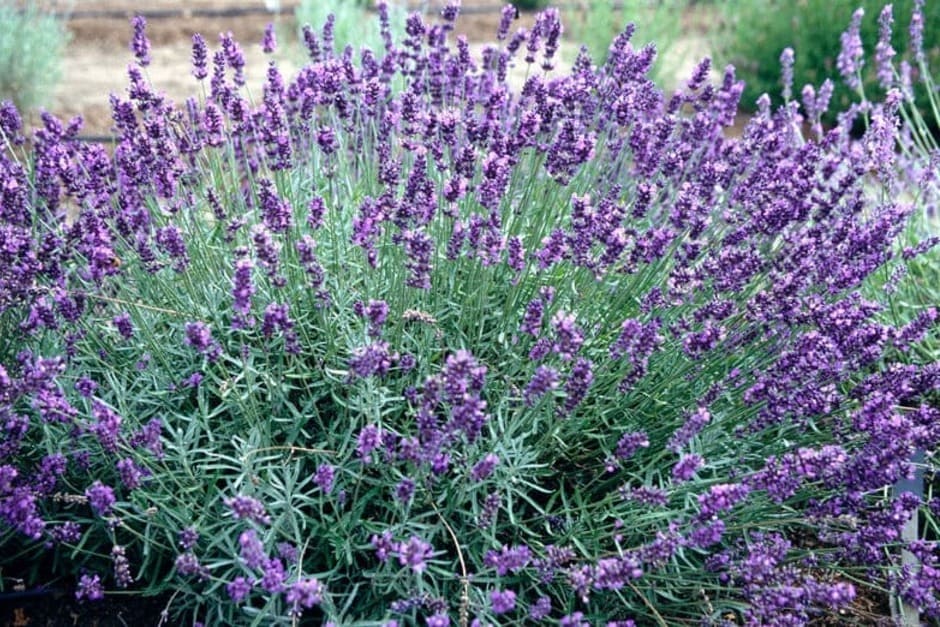
6 -Lavandula angustifolia ‘Imperial Gem’ is a compact evergreen shrub with narrow grey-green leaves and fragrant spikes of deep purple flowers in summer.
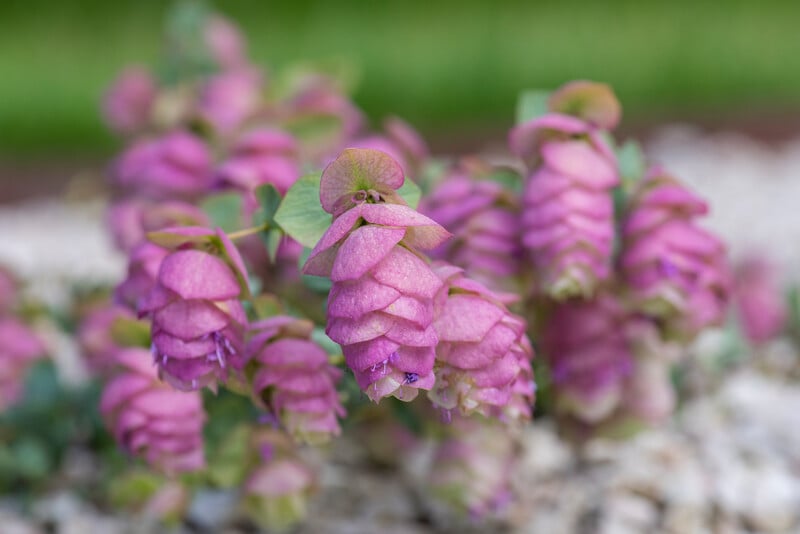
7 - Origanum ‘Kent Beauty’ is a semi-evergreen sub-shrub with trailing stems bearing pairs of rounded, bright green, aromatic and edible leaves. In summer it produces whorls of tubular pink flowers with overlapping, deep rose-pink bracts.
Sensory planting is designed to stimulate the senses of smell, sound, taste and touch, as well as sight. It tempts a visitor to view plants at close range, to reach out and touch, to inhale a fragrance, to listen to gentle sounds, and to actively experience the garden with all their senses.
By choosing plants that are good for senses, you can improve mood and general wellbeing. The sensory attributes allow people to engage with the environment around them in a way that is meaningful and beneficial to their mind and body.
Using the ethos of ‘right plant, right place’ to create a sustainable planting combination is great for the environment. It helps avoid waste and the use of products and practices needed to try and help ailing plants, such as the application of fertiliser. It also creates robust, long-lived planting that benefits soil health and garden . For more information about sustainable gardening, please see the RHS Sustainability Strategy.