Some plants can grow well in soil that experiences periods of flooding. It’s still possible to create a full and attractive border in these sometimes challenging conditions
By The RHS Advice Team
Quick facts
Soils with poor drainage or sites with a high water table may be prone to flooding
1
Flooding, especially if caused by short bursts of heavy rainfall, may not last long
2
Flood-prone soils may also experience periods of drought
James Lawrence, RHS Principal Horticultural Advisor, has designed this simple, attractive, and most importantly, sustainable border design for you to try at home with plants that are easy to grow, widely available and look good together.
This planting design recommends a range of plants that, once established, will cope in soils that may experience periods of flooding. A simple planting plan helps to create depth, interest and good coverage in a border.
James Lawrence
Choosing plants for flood-prone soils
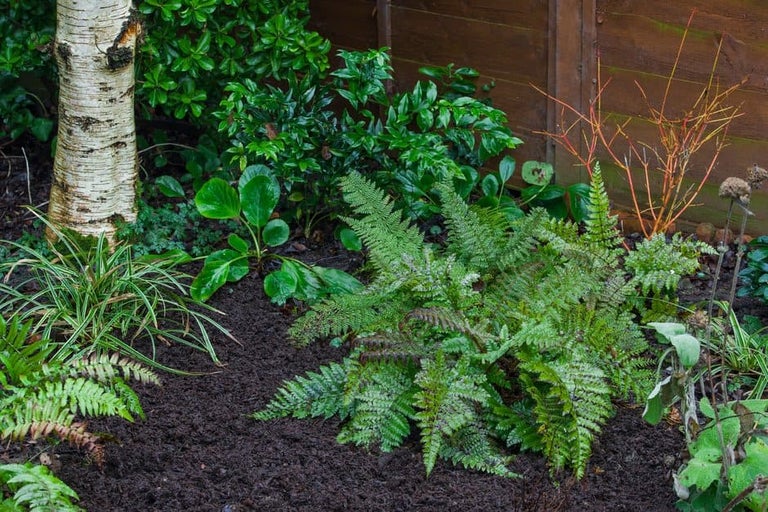
The emerging fronds of the ferns (Matteuccia and Osmunda) will brighten the border in spring and are closely followed by the pinks and whites of the Deutzia flowers. The Astilbe and Iris provide summer flowers and their seedheads will persist into autumn and potentially into winter.
Dense planting will help prevent erosion of bare soil. The ground cover can also help to reduce soil surface moisture evaporation during dry seasons, and suppress weed growth. Additional organic mulching , preferably with homemade compost , will improve the structure and drainage of soils.
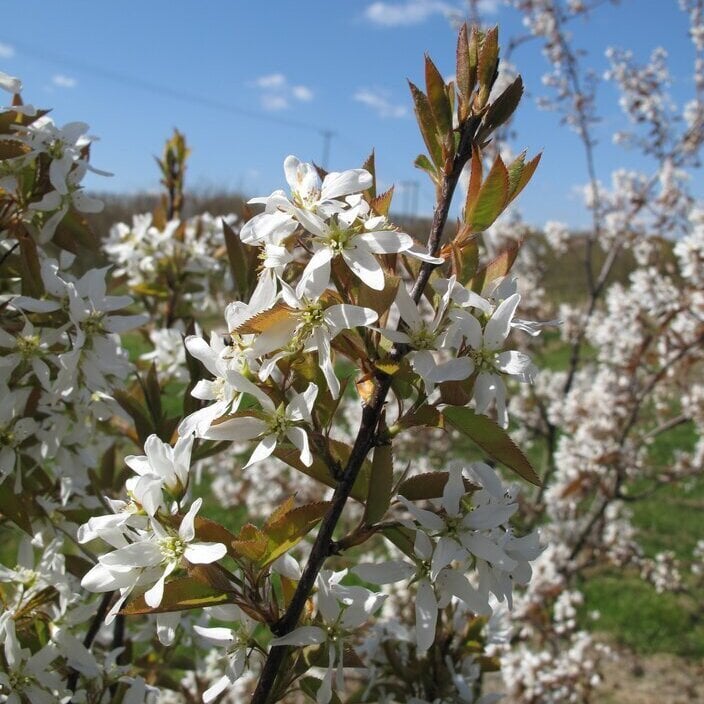
2 - Deutzia × hybrida 'Strawberry Fields' is a medium-sized deciduous shrub. Its lightly fragrant, star-shaped flowers open from dark pink buds to pale pink blooms in late spring and early summer.
3 - Matteuccia struthiopteris is a deciduous fern that forms colonies of tall, upright of bright green, divided fronds.
4 - Osmunda regalis is a robust, deciduous fern that forms a large clump of green fronds which often develop bronze tints in autumn.
5 - Astilbe 'Cappuccino' is a clump-forming herbaceous with divided, dark bronze emerging foliage, fading to green as it matures. In summer, tall, dense plumes of white flowers appear on dark red stems.
6 - Deutzia gracilis 'Nikko' is a compact deciduous shrub with lance-shaped green leaves, often turning burgundy in autumn. Clusters of small, white flowers appear in spring and early summer.
7 - Iris sibirica is herbaceous perennial with narrow, upright green leaves and violet-blue flowers in early summer.
About flood-prone soils
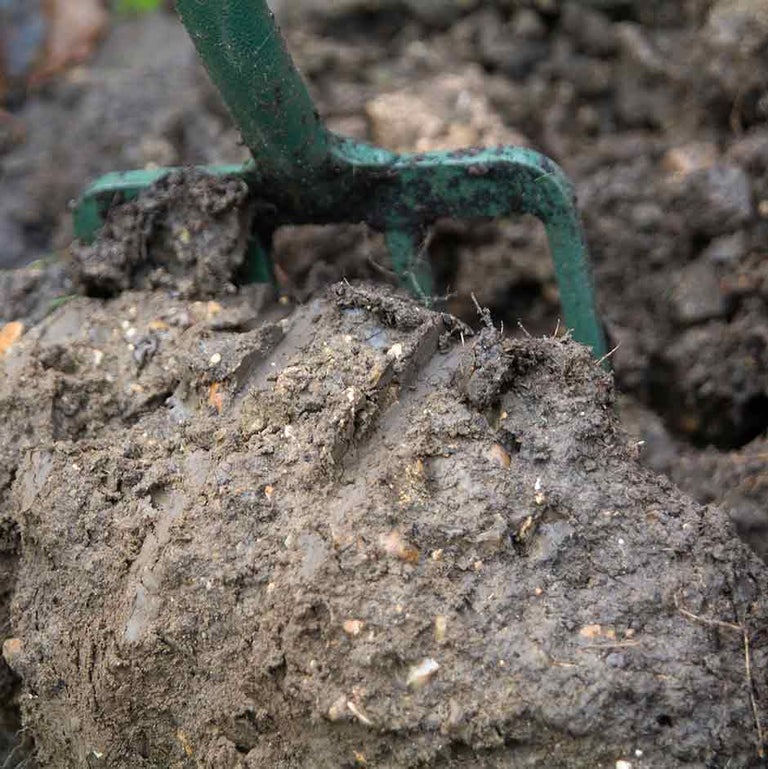
Periods of flooding can be brief and may be caused by heavy downpours, high water tables, compacted soil or poorly drained soil (often clay ). By choosing plants which are well-suited to tolerate periods of flooding , you can keep your border looking good and growing well, because plants that are planted in the right place tend to be stronger and more naturally resistant to pests and diseases. Also, once the plants are established, this will reduce the need for extra inputs that less well-adapted plants would need, such as fertiliser and watering in summer.
The challenge of flood-prone soils
Saturated soil limits the ability of plant roots to breathe. Short periods of flooding may limit root growth, but longer periods can cause roots to die and rot. Some plants have evolved to cope with periods of flooding as well as drier soil conditions.
The annual addition of garden or other organic matter will gradually improve the structure and drainage of your soil.
Why choose a sustainable planting combination?
Using the ethos of ‘right plant, right place’ to create a sustainable planting combination is great for the environment. It helps avoid waste and the use of products and practices needed to try and help ailing plants, such as the application of fertiliser. It also creates robust, long-lived planting that benefits soil health and garden . For more information about sustainable gardening, please see the RHS Sustainability Strategy .