The best crops to grow in shade
Make the most of the shady spots in your gardens, enriching your diet with an ever-increasing range of delicious food. Four grow-your-own experts share their tastiest food crops to grow in the shade

Fruit and veg that can triumph over hot, dry summers without constant watering – top picks from the RHS’s driest garden
Growing your own food should be one of the most rewarding things you can do in your outdoor space. If you’ve been left feeling demoralised this summer, with fruit and veg blasted by drought and a series of heatwaves long after the water butts ran dry, it may be time to rethink which crops you’re growing and take the opportunity to try something new.
We caught up with Cat Hood, horticulturist managing the Global Growth Vegetable Garden at RHS Hyde Hall in Essex, for her top recommendations of fruit and veg that cope better than most with increasingly hot, dry conditions.

Shrubby Mediterranean herbs such as sage, thyme, rosemary, oregano and bay naturally thrive in hot, sunny conditions – coping much better than parsley, coriander, basil, tarragon and other soft-leafed herbs. These easy, low-maintenance crops are perfect for supplying the kitchen with fresh flavours throughout the seasons. Harvest: all year round.

“These generally cope with lower irrigation than most annual crops,” says Cat. “I’d single out ‘Erato Violet’ for a unique flavour – it’s very sweet when correctly cured, tastes ‘smooth’ and even pairs well with vanilla for puddings and desserts.”
Sweet potatoes have a rambling habit and can be grown in a bed, container or even a hanging basket, where they will trail over the sides. Sweet potato is closely related to morning glory, so you’ll be able to enjoy striking violet-centred trumpet flowers too. Harvest: September–October (before first frost).
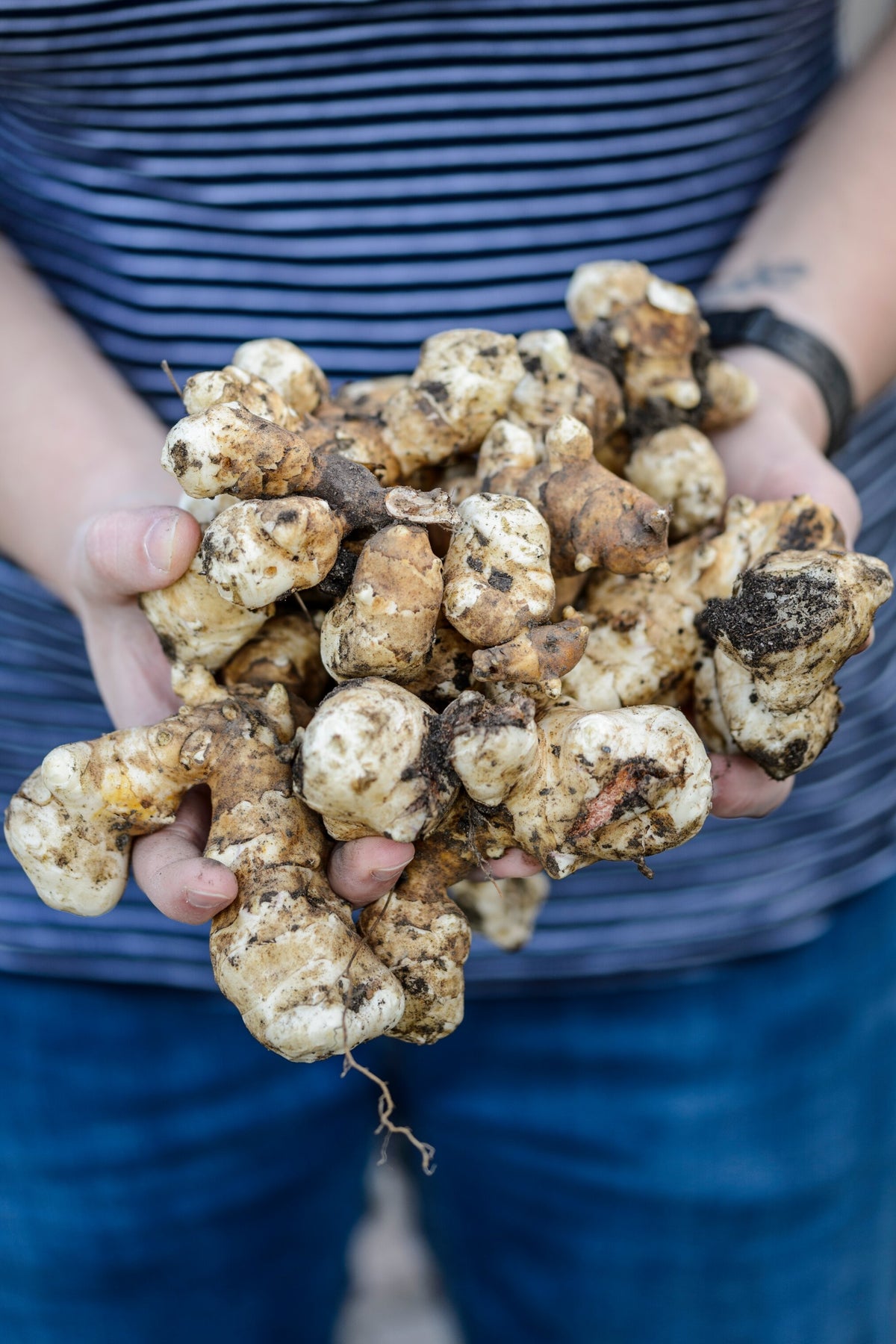
“As long as there’s a reasonable amount of moisture in the ground in spring to get them started, I’ve found these cope reasonably well with low amounts of irrigation during drought,” says Cat.
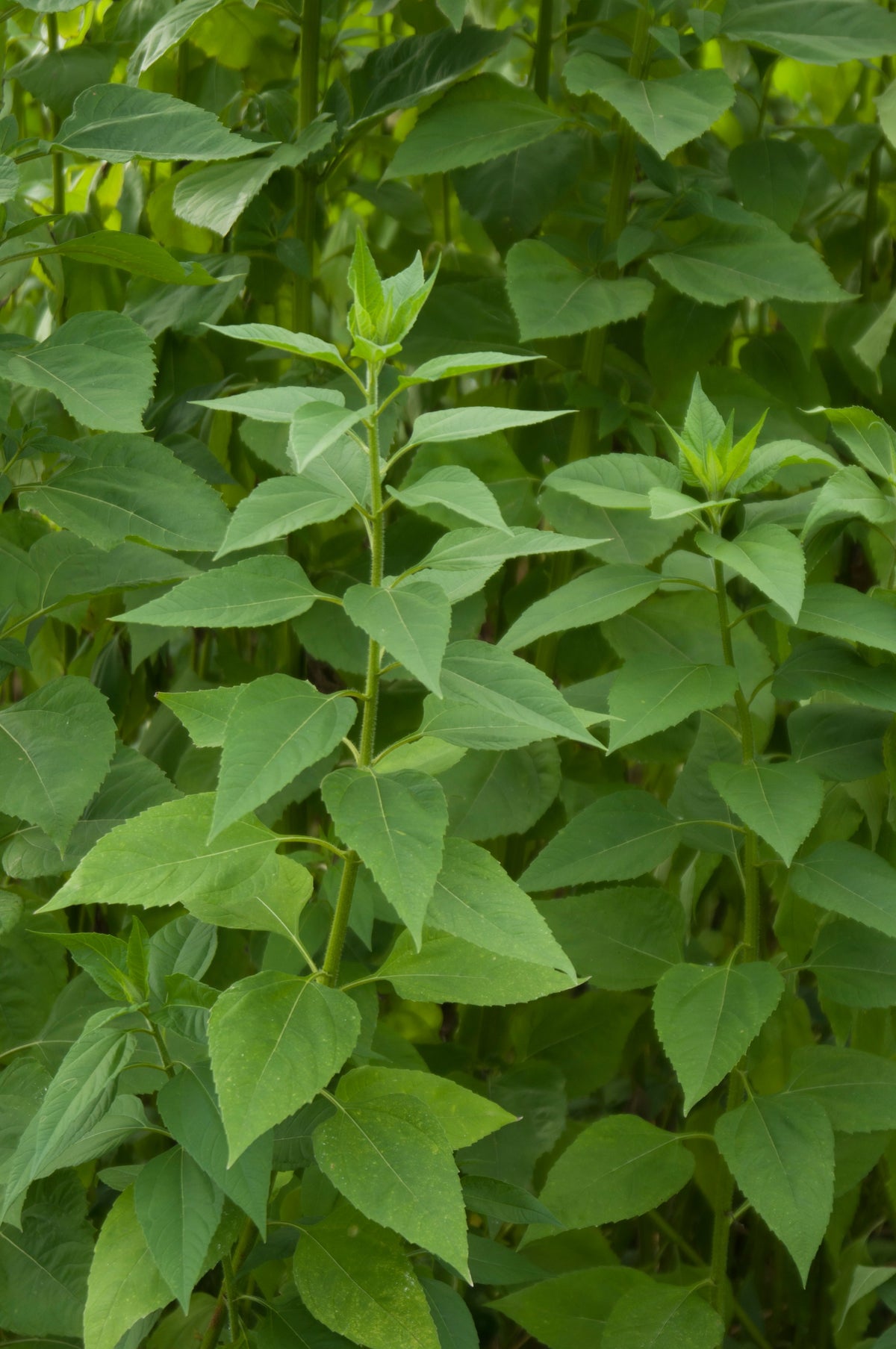
Long-lived and extremely easy to grow, Jerusalem artichokes are a cost-effective and very useful crop – you can harvest the tubers all winter, long after many other crops have finished. Compared with potatoes, they’re tough hardy perennials that tolerate poorer soils, bounce back from difficult conditions, and grow deep roots that allow them to access moisture deep underground.
Since Jerusalem artichokes are botanically a type of sunflower (Helianthus tuberosus), the pretty yellow flowers bring a summer bonus too. Harvest: November–March (after first frost).
How to grow Jerusalem artichokes

“Sweetcorn isn’t necessarily drought tolerant, but it’s done well this summer because it’s heat tolerant – it has certain adaptations, including in its metabolic chemistry, that mean it copes well and can even thrive in hot weather,” says Cat.
“Advice often suggests that sweetcorn needs frequent watering. But in practice, while plants will become stressed if they dry out completely or have repeated periods of wilting, I’ve found that they tend to cope better with less watering than many other traditional crops, such as beans, tomatoes and brassicas.” Harvest: August–September

“We grow Malabar spinach Basella alba (climber) and New Zealand spinach Tetragonia tetragonioides (sprawler), both of which are somewhat drought and heat tolerant and can be good summer alternatives to European spinach (Spinacia oleracea),” says Cat.
“Flavour and texture of both are a little different to European spinach, and older leaves can be bitter, which I think is important to note as people often initially dislike them as they expect them to taste the same as the spinach they’re used to. Both can be eaten raw as young leaves or cooked, similar to European spinach, and both also make a decent pesto.”
Other leaf crops more tolerant of heat and drought than lettuce and European spinach include perpetual spinach, chard and amaranth. Grow these in at least partial shade if you can, to further reduce their demand for water. Harvest: July–October.
More about Malabar spinach
More about New Zealand spinach

“Also known as shark’s fin melon and chilacayote, fig-leaf gourd (Cucurbita ficifolia) is incredibly productive, low maintenance once in the ground, and need minimal watering for an annual crop,” says Cat. “Last year three plants filled a 3m x 9m bed and yielded about 30 large gourds. They taste similar to courgette but store for a long time.”
If you have less space, try growing fig-leaf gourds vertically, scrambling over an arch, frame or tunnel. Harvest: October–November.

“Established fruit trees and bushes can cope quite well with periods of drought,” says Cat. “The top champions in that department for us have been figs and mulberries, which isn’t surprising, since both do well in Mediterranean climates.”
A fig is perfect for training against a sunny wall. Compact, reliable cultivars like ‘Brown Turkey’ and ‘Little Miss Figgy’ can be grown in a large pot too, and young trees start cropping from only 2–3 years old. Harvest: August–September.

The black mulberry, Morus nigra, has the best flavour of any mulberry. These deliciously sweet, aromatic and tangy fruits are very rarely found in shops, but make an exceptional jam. Eventually growing to 9m tall, this long-lived tree makes a beautiful centrepiece to a garden with space for one, fruiting by around eight years old.
Though it’s well worth the wait, if you want fruit sooner, look for cultivars of Morus nigra that start fruiting earlier than the wild species. Look for those with an RHS Recommended: Award of Garden Merit for best performance. If you’re short on space, try a compact such as ‘Charlotte Russe’, which will grow to only 1.5m tall if kept in a container and will fruit in its first year. Harvest: August–September.

“Other fruit trees and bushes that have done well for us are Ugni molinae (ugni berries), quince and feijoa,” says Cat.
Also known as Chilean guava or strawberry myrtle, this slow-growing evergreen shrub follows fragrant pale pink summer flowers with small, round red berries that ripen in autumn. Reminiscent of strawberry, these versatile fruits are exceptionally sweet and aromatic, providing a versatile fresh crop late in the year. Harvest: October–November.
More about Ugni molinae
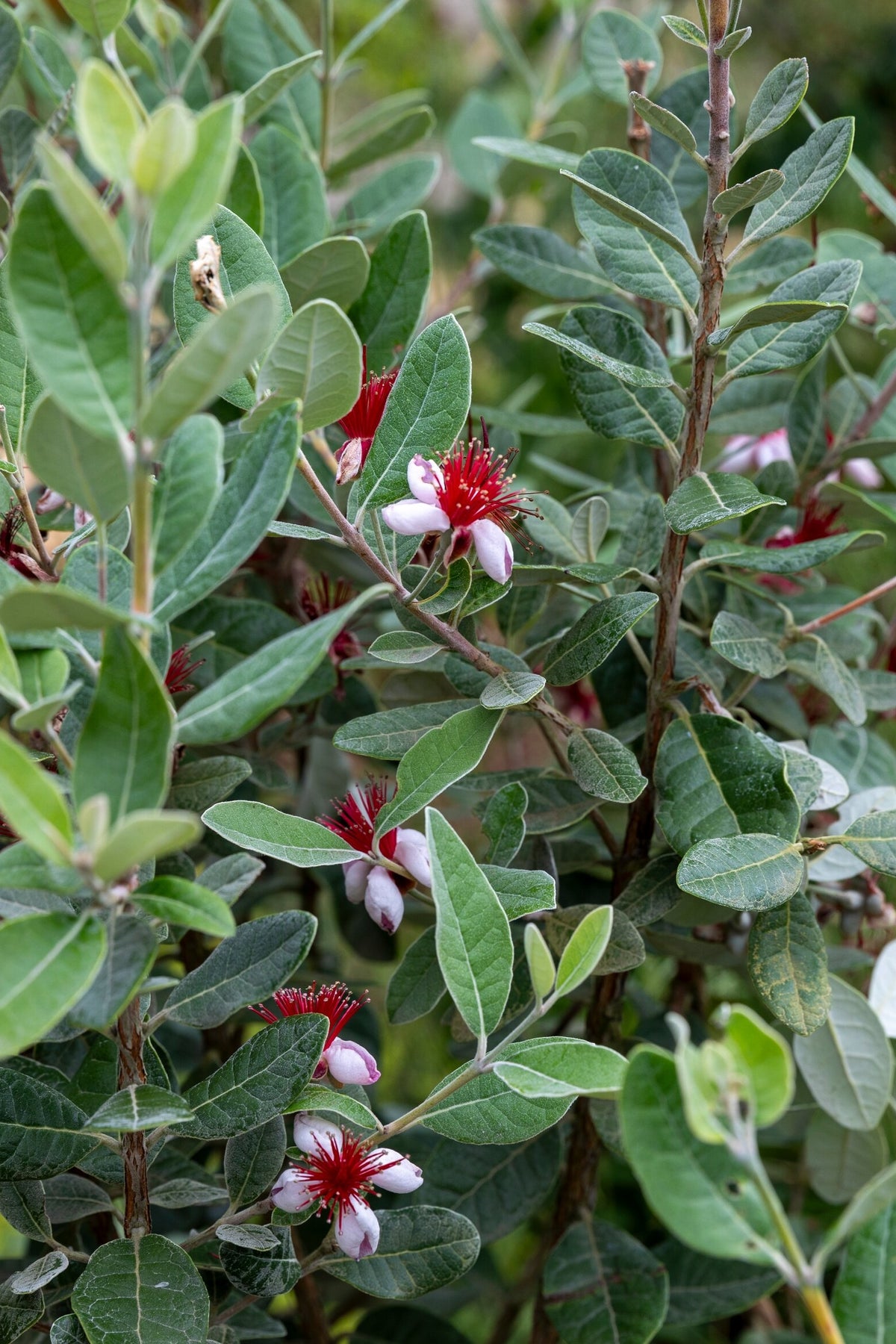
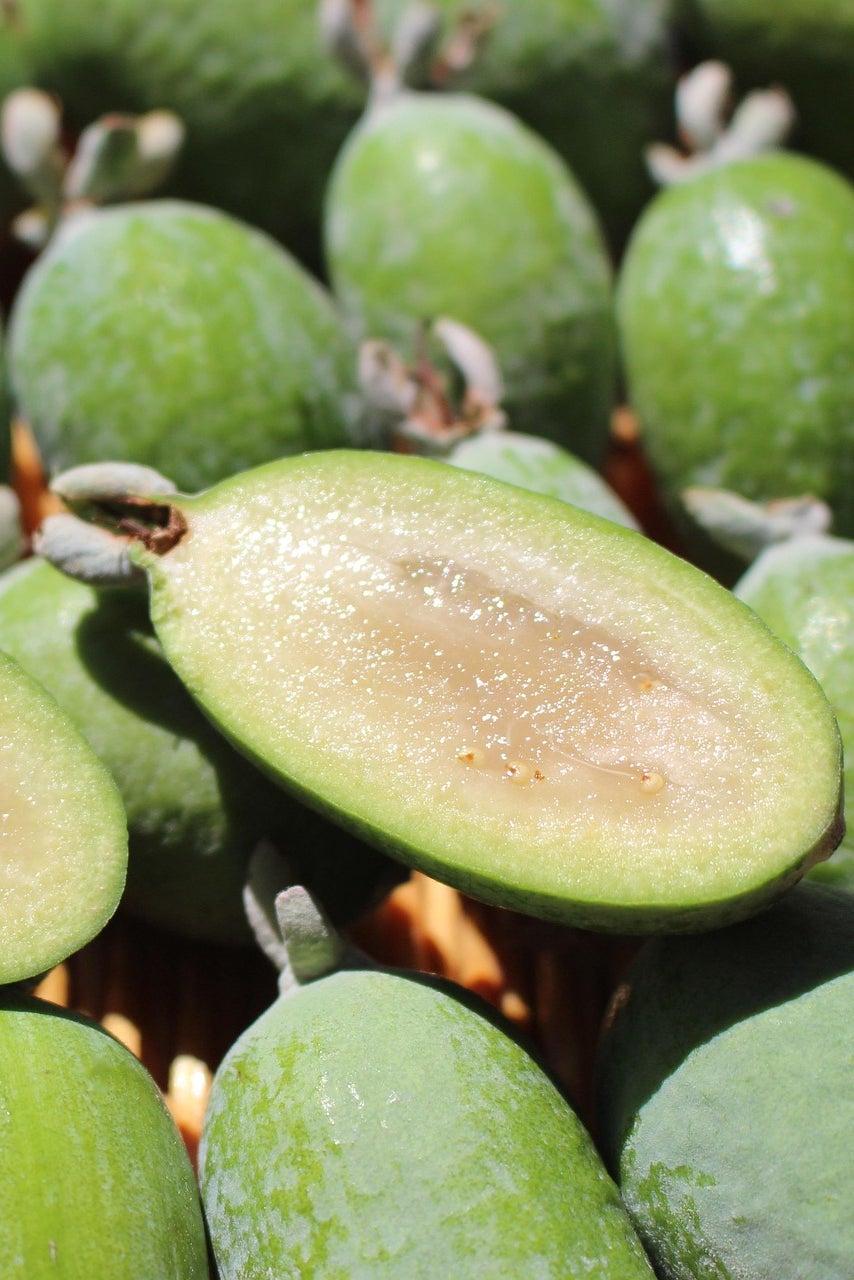
“These are attractive trees that can take a while to establish. The fruits are a bit divisive – I love them, but some people find them artificially sweet and sour. The best way to describe the flavour is similar to a Haribo Tangfastic. It’s is a popular fruit and flavour in new Zealand.”
Also known as pineapple guava, this evergreen shrub has been a designer favourite at recent RHS Shows, chosen for its climate resilience and exquisite pink flowers, making it an excellent dual-purpose choice for an ornamental garden as well as the veg patch. Harvest: October–November.