Back

Why the RHS is going peat-free

Thinking about going peat‑free? Find out how the RHS is leading the way and the simple steps you can take to protect the climate

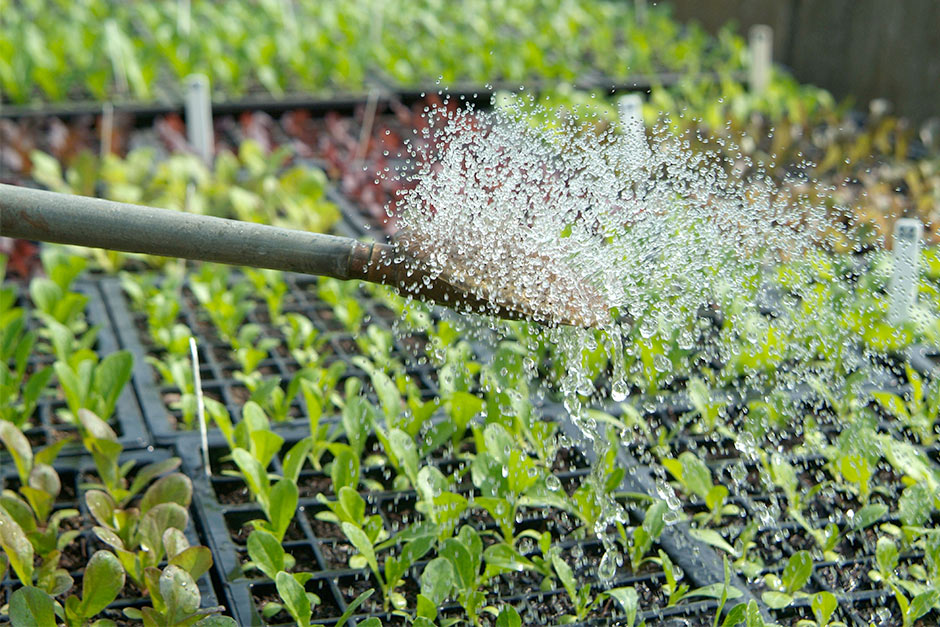
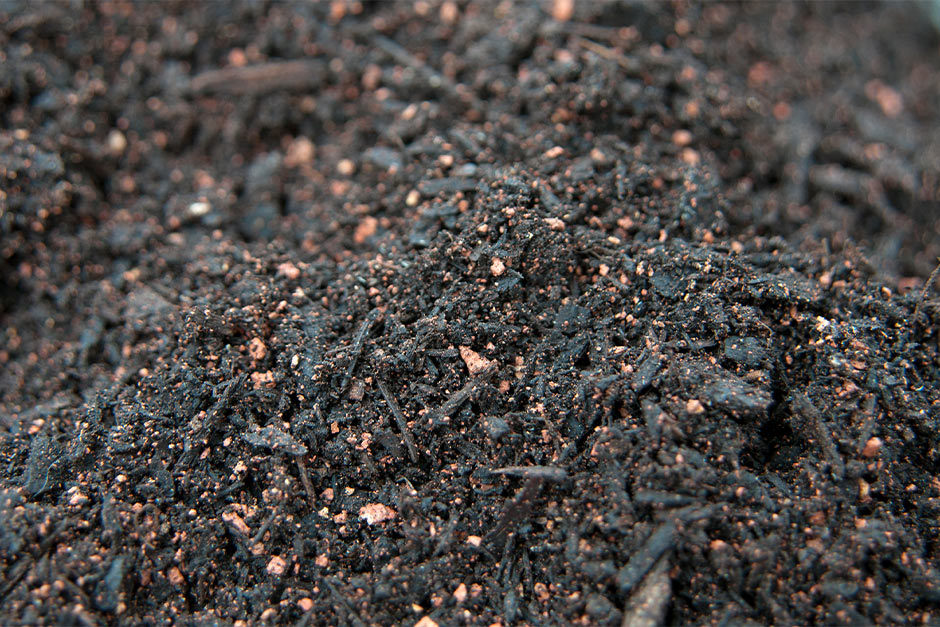
When making the switch to peat-free compost a few years ago, the first thing I noticed was the different texture – it can appear dry on top when it’s moist beneath, so I always check with my finger to avoid overwatering. I sow all of my veg in an unheated greenhouse using shop-bought peat-free compost specifically for seeds. I’ve had success with the different squash I’m trying this year‚ as well as my usual beetroot, kale, peas and heritage tomatoes.

To help everyone get the best out of peat-free alternatives, the RHS has lots of tips on our peat-free hub as well as a free email advice service. The most-asked question is about choosing compost – try a few brands to find one that works best for you and use the right type for the job. A common mistake is not using a seed compost for seeds – it really makes a difference. You also need to make small adjustments to plant care: water little and often and feed a bit earlier with diluted liquid seaweed feed.

The more gardeners using peat-free compost and plants, the better for the planet. We need to save precious resources in our peatlands to help with carbon storage and provide a home for nature. Over the last 12 years‚ the RHS has spent 150,000 hours and invested £2.5 million researching peat-free growing and supporting the horticultural industry to transition. However, government legislation to introduce a ban on peat has stalled. Plus, there’s been no guidance on what sustainable peat-free gardening practice really means, especially given the different ways that peat is found in the supply chain.
 
To help clarify, the RHS has created three new definitions to explain the difference between plants grown in peat that has newly entered the supply chain after 31 December 2025.
  1. No New Peat Plants are those that are grown entirely peat-free, or in peat that was extracted before 31 December 2025.
  2. Peat Starter Plants are those that started their life in peat (as plug plants, for example) but have since been grown on peat-free compost.
  3. Peat Plants are those that will be grown in peat extracted after 31 December 2025.

I’m pleased that the five RHS Gardens are now 100% peat-free. From 2026, all show gardens and judged exhibits at our RHS Flower Shows will be No New Peat. We’ve introduced a concession to support growers in the final stages of transition – until 2028‚ we will allow exhibitors to sell Peat Starter Plants as long as they’re grown on peat-free compost. This decision was made to safeguard the viability of the UK’s specialist nurseries and support plant diversity; it is required for around 40% of exhibitors that can show commitment to the transition. As of 1 January 2026, all RHS retail outlets sell only No New Peat plants, offering the biggest range of high-quality, planet-friendly plants in the UK.
 
The RHS is doing all it can to support gardeners and growers on the journey to a peat-free future. We need the Government to step in to help UK horticulture continue to lead the way.
Save to My scrapbook

Get involved

The RHS is the UK’s gardening charity, helping people and plants to grow - nurturing a healthier, happier world, one person and one plant at a time.