Five plants Sandringham’s Head Gardener couldn’t do without
Head Gardener for Sandringham, Jack Lindfield, shares his top plants and approach to gardening
Sandringham is the much-loved country retreat of Their Majesties King Charles III and Queen Camilla. The grounds include an organic farm, sawmill, residential and commercial properties, local parishes and communities nestled in the heart of The Norfolk Coast Area of Outstanding Natural Beauty.
Sandringham Gardens
The Gardens at Sandringham have been developed in turn by each Monarch since 1863 and now include extensive Water Gardens, a highly ornamental Woodland Walk, formal planting schemes, rockwork by James Pulham, and an array of mature, ancient and rare trees. His Majesty King Charles III has implemented many projects that have developed the garden extensively since becoming the UK's monarch in September 2022. This has enhanced the garden dramatically and the horticultural display and experience at Sandringham has been amplified since.

Sandringham’s gardens host a wide range of plant genera, so there are beautiful displays year round to see, from large drifts of snowdrops in the winter, Magnolias and Rhododendrons during the spring and vast displays of mid to late season flowering perennials in areas like The Topiary Garden and Rockery.
Jack’s approach to gardening

I get quite easily obsessed with new plants and groups of plants all of the time, but I aways find I have an itch to scratch with trees. For me, a garden is incomplete without trees as they create so much more than a backdrop or just simply bones of a garden. For me, the significance of a tree is not always what it does, such as how it flowers, the colour of the or the shape of its habit, but can be more about the story behind it, how it came to be or who discovered it. I find trees hold so much intrigue and there is so much to unpack down to each individual specimen, at least I find anyway.
Jack’s top five plants
If I started a new garden from scratch, and had the space to grow these, I would immediately go out and source the following plants which I just couldn’t do without:
Magnolia ‘Felix Jury’

Magnolia, in which I have far too many to choose from but as a good, fairly easily accessible option, I would choose ‘Felix Jury’ . This will eventually get quite big so requires plenty of space, and once the canopy is high enough, it looks great with Rhododendrons and Azalea planted beneath it.
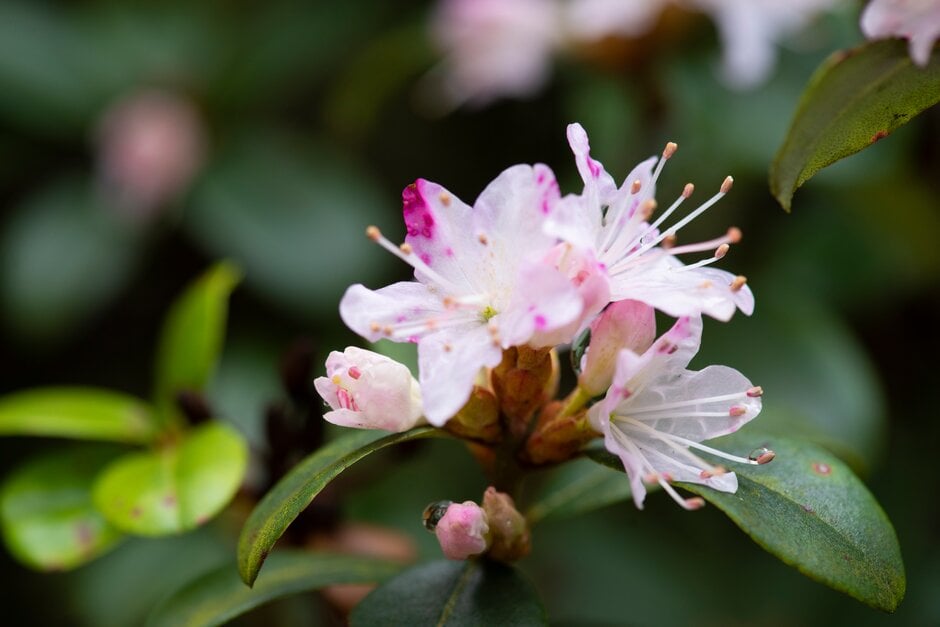
Rhododendron racemosum

Leading on from that, I would go in for some Rhododendron racemosum , which is a mid sized Rhododendron from West China that tends to be slightly more drought tolerant than others. It produces masses of small light-pink flowers, usually in March and creates a good evergreen understory shrub throughout the rest of the year.
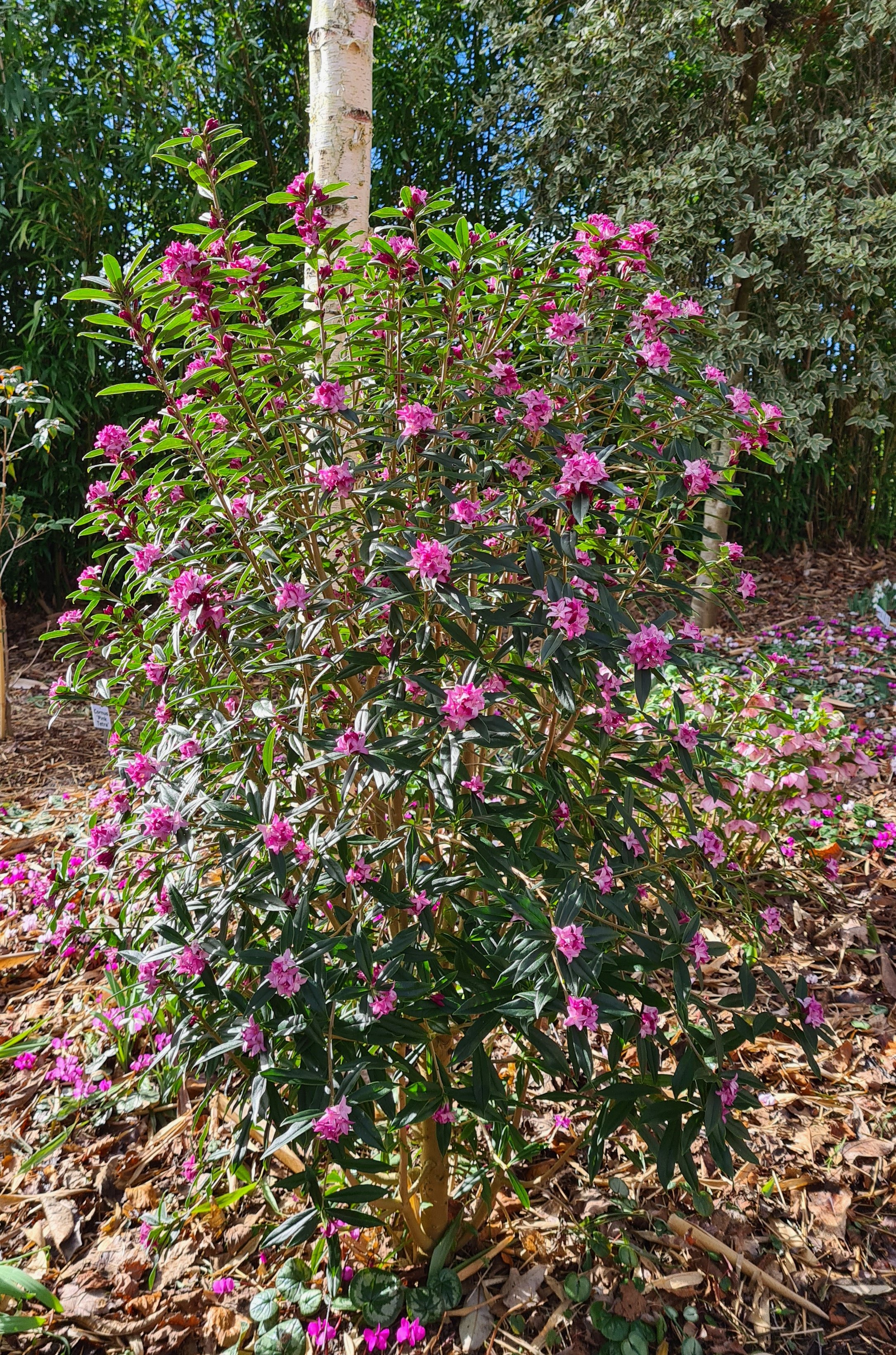
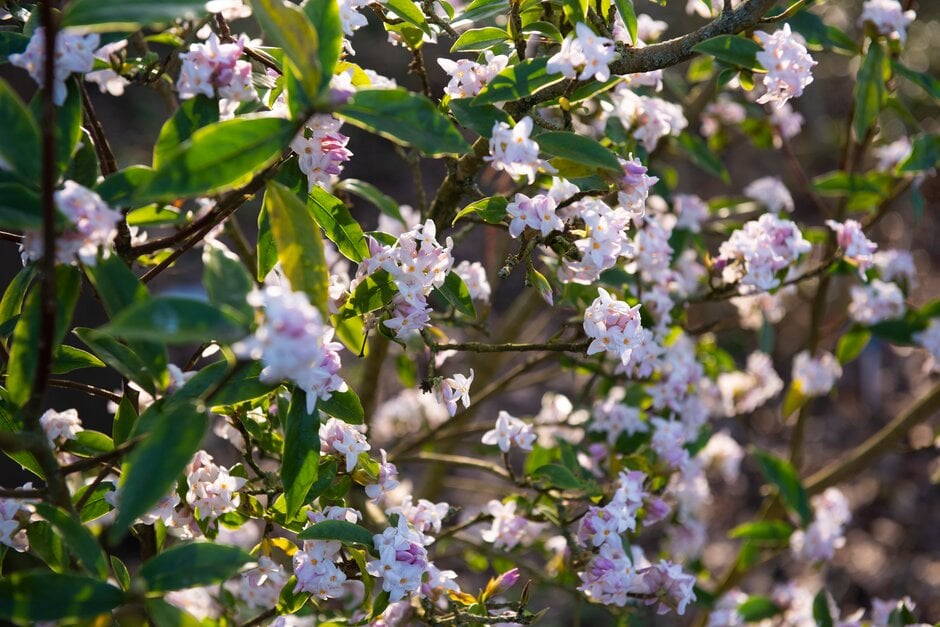
Daphne ‘Cobhay Purple Clouds’

Another great evergreen shrub that thrives in similar conditions is Daphne. A particular favourite of mine is called Daphne ‘Cobhay Purple Clouds’ which is a cross between Daphne wolongensis and Daphne bholua which was created by Junkers Nursery in Somerset. The scent along with the display so many of the Daphne’s produce is hard to beat and it would make a place for itself in any garden for me.
Dwarf Conifers

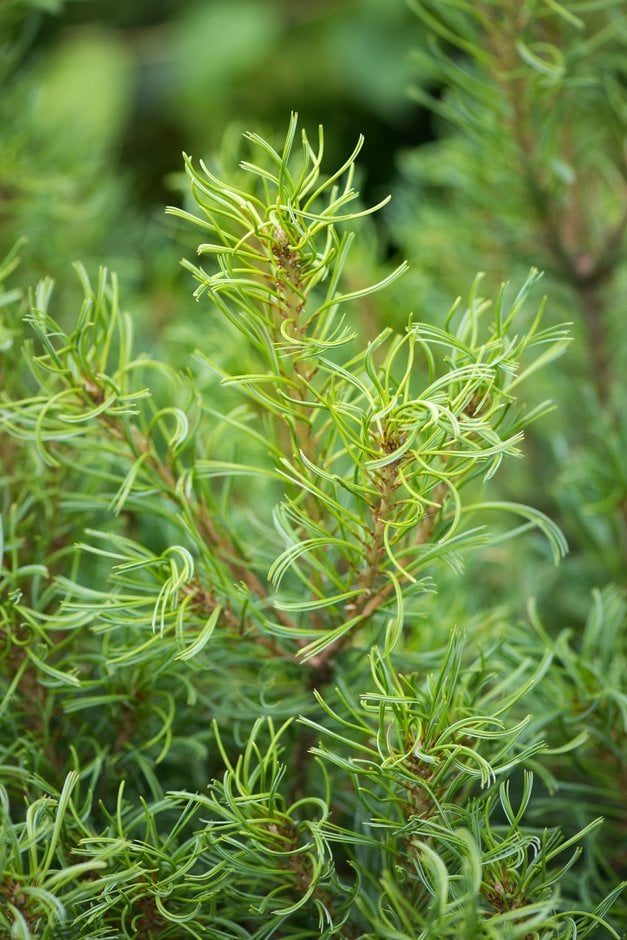
Maybe slightly controversial and not to everyone’s taste but I love Dwarf Conifers, especially in a rock garden setting or even as a container display. I think the have so much to offer in terms of form, shape and how they can be pruned and trained into all different shapes. There are several forms of the small Korean Fir (Abies koreana) and a cultivar called ‘Ice Breaker’ is probably most responsibly known. This along side small alpine plants like Saxifraga or Cyclamen look great together. Pinus strobus ‘Tiny Kurls’ is another well known dwarf conifer which look great in this setting and has really fun curly needles.
Snowdrops

And lastly at ground level, Snowdrops. With the thousands of varieties there are to choose from it is hard to pick just one, but I think every garden should have snowdrops and it is often quite fun to place some of the named cultivars alongside one enough to create a talking point, but I’ll leave that to everyone else’s imagination to piece together! Some snowdrops you could look at having include Galanthus ‘Atkinsii’ and Galanthusnivalis ‘Viridapice’ , both of which have been awarded the RHS Recommended: Award of Garden Merit.
Additional choices
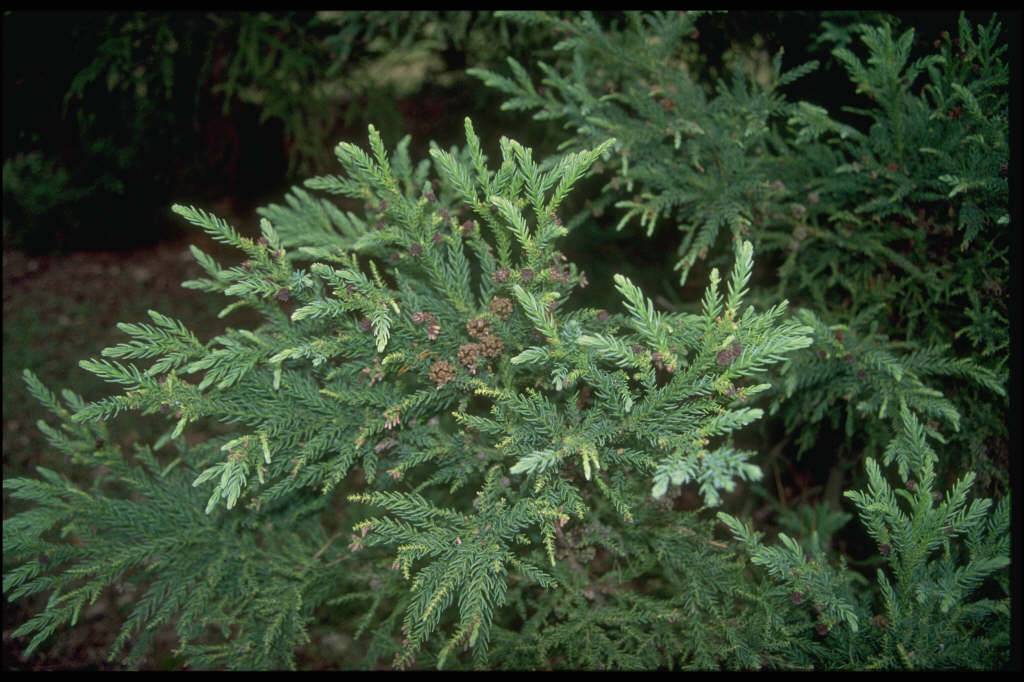
If I had more space I would plant more conifers, but this time I’d go big, as in conifers that get tall and look beautiful within the landscape such as Metasequoia glyptostroboides (dawn redwood), Sequoia sempervirens (coastal redwood), Pinus bungeana which is quite slow growing but produces beautiful bark and Cryptomeria japonica , also known as the Japanese cedar.
.JPG?w=1280&fit=clip&fm=jpg&auto=format)
![magnolia [Felix Jury]](https://apps.rhs.org.uk/plantselectorimages/detail/RHS_PUB0021242_7595.JPG?w=1280&fit=clip&fm=jpg&auto=format)