Not the plant you're looking for? Search over 300,000 plants
Fruit Edible

Rubus idaeus 'Glen Rosa' (F)
  • RHS Plants for pollinators

raspberry 'Glen Rosa'

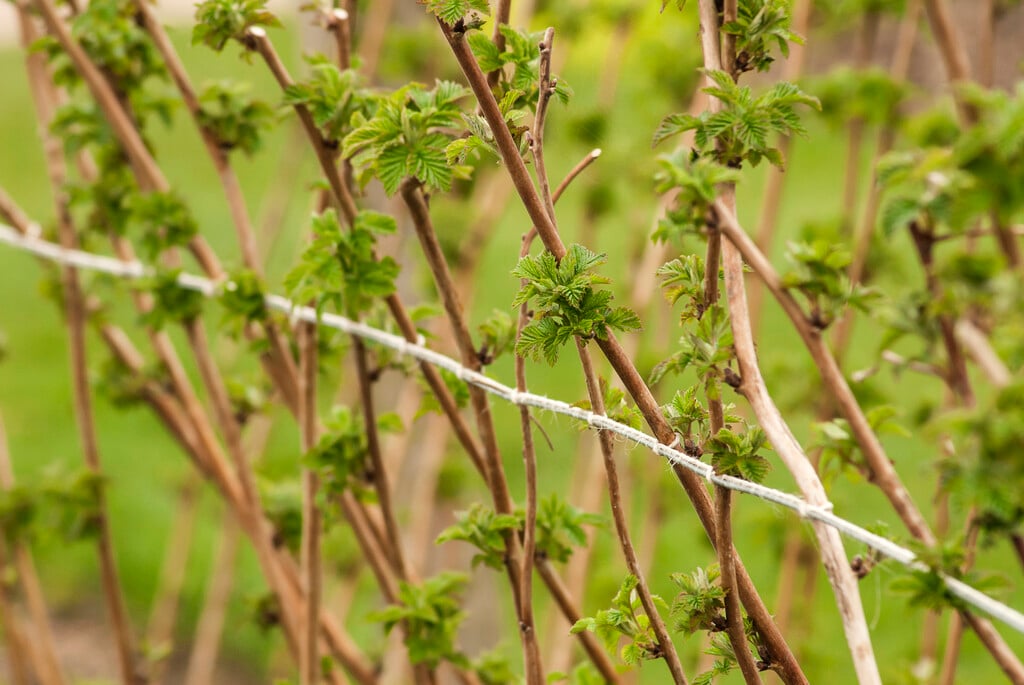
Healthy, early to mid season cultivar that gives very heavy yields of rounded, small to medium sized, sweet fruit on upright, thornless stems. Exceptionally hardy and ideal for northern and colder areas

Size
Ultimate height
0.5–1 metres
Time to ultimate height
2–5 years
Ultimate spread
0.1–0.5 metres
Growing conditions
Chalk
Loam
Sand
Moisture
Moist but well–drained, Well–drained
pH
Acid, Alkaline, Neutral
Colour & scent
StemFlowerFoliageFruit
Spring White Green
Summer Green Red
Autumn Green Yellow
Winter
Position
  • Full sun
Aspect

South–facing or West–facing or East–facing

Exposure
Sheltered
Hardiness
H6
Botanical details
Family
Rosaceae
Native to GB / Ireland
No
Foliage
Deciduous
Habit
Bushy, Clump forming
Potentially harmful
Fruit are ornamental - not to be eaten. Wear gloves and other protective equipment when handling. Pets: Fruit are ornamental - not to be eaten - see the HTA guide to potentially harmful plants for further information and useful contact numbers
Genus

Rubus can be deciduous or evergreen shrubs, often scrambling with bristly or prickly stems bearing simple, lobed, palmate or pinnate leaves and 5-petalled flowers followed by juicy, sometimes edible fruits

Name status

Accepted

How to grow

Cultivation

Grow in a sunny position, and best in slightly acidic well-drained soil. May have the potential to become a nuisance if not managed well. See raspberry cultivation

Propagation

Propagate by division in the dormant season. Lift new canes along with their rootballs. Choose only newly planted, disease-free stock from which to propagate

Suggested planting locations and garden types
  • Cottage and informal garden
  • Patio and container plants
  • Wildlife gardens
  • Edible fruit
  • Flower borders and beds
Pruning

Cut back canes after fruiting

Pests

May be susceptible to raspberry beetle, raspberry leaf and bud mite, red berry mite or fruit red spider mite in sheltered places

Diseases

May be susceptible to grey moulds, raspberry cane spot, a fungal leaf spot, raspberry cane blight or a virus

Get involved

The Royal Horticultural Society is the UK’s leading gardening charity. We aim to enrich everyone’s life through plants, and make the UK a greener and more beautiful place.