
Size
Ultimate height
0.5–1 metresTime to ultimate height
2–5 yearsUltimate spread
0.5–1 metresGrowing conditions
Moisture
Moist but well–drained, Poorly–drainedpH
Acid, Alkaline, NeutralColour & scent
| Stem | Flower | Foliage | Fruit | |
| Spring | Green Yellow | |||
|---|---|---|---|---|
| Summer | Blue Purple | Green Yellow | ||
| Autumn | Green Yellow | |||
| Winter |
Position
- Full sun
- Partial shade
Aspect
West–facing or East–facing or South–facing
Exposure
Sheltered Hardiness
H7Botanical details
- Family
- Lamiaceae
- Native to GB / Ireland
- No
- Foliage
- Deciduous
- Habit
- Bushy
- Genus
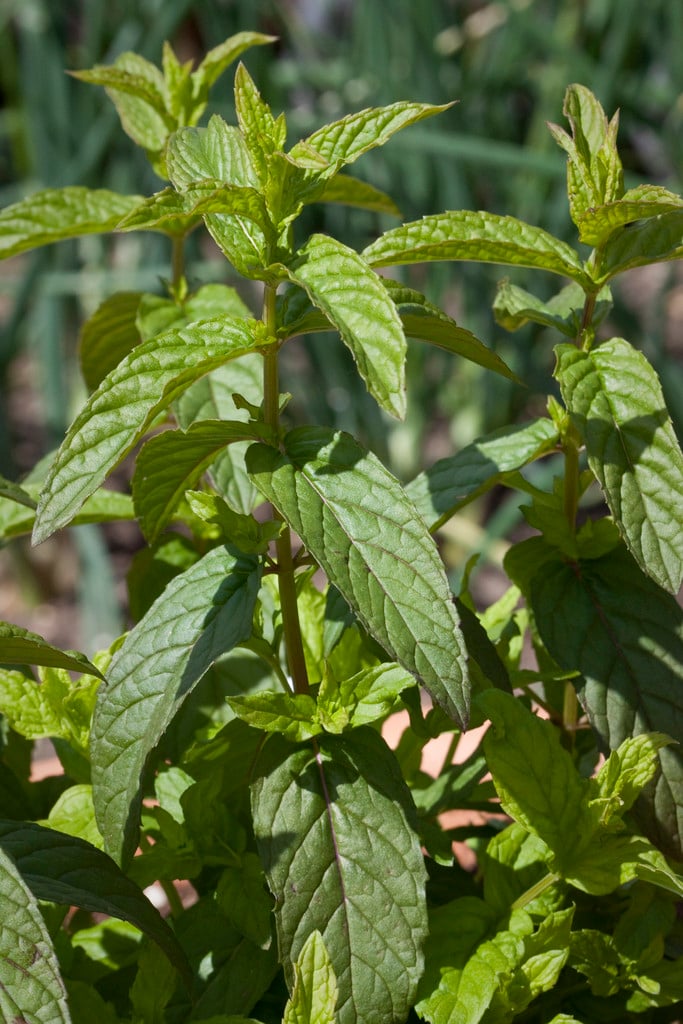
Mentha are aromatic, rhizomatous perennials with opposite, toothed leaves and small tubular flowers in spikes of whorls in summer
- Name status
Unresolved
How to grow
Cultivation
Grow in moist but well drained soil in full or partial sun. May have the potential to become a nuisance; restrict the root run in a deep container and plunge into the ground, or plant in a well chosen site where it can grow unrestricted. See mint cultivation for more information
Propagation
Propagate by division in spring or autumn. Softwood cuttings may be taken in spring. Pieces of rhizome can be potted up at any time in the growing season and grown on until established then planted out
Suggested planting locations and garden types
- Patio and container plants
- Cottage and informal garden
- Wildlife gardens
Pruning
Cut back after flowering
Pests
May be susceptible to blue mint beetle, leafhoppers and caterpillars
Diseases
May be susceptible to powdery mildews and mint rust
Get involved
The Royal Horticultural Society is the UK’s leading gardening charity. We aim to enrich everyone’s life through plants, and make the UK a greener and more beautiful place.