Hippophae sinensis
Chinese sea buckthorn
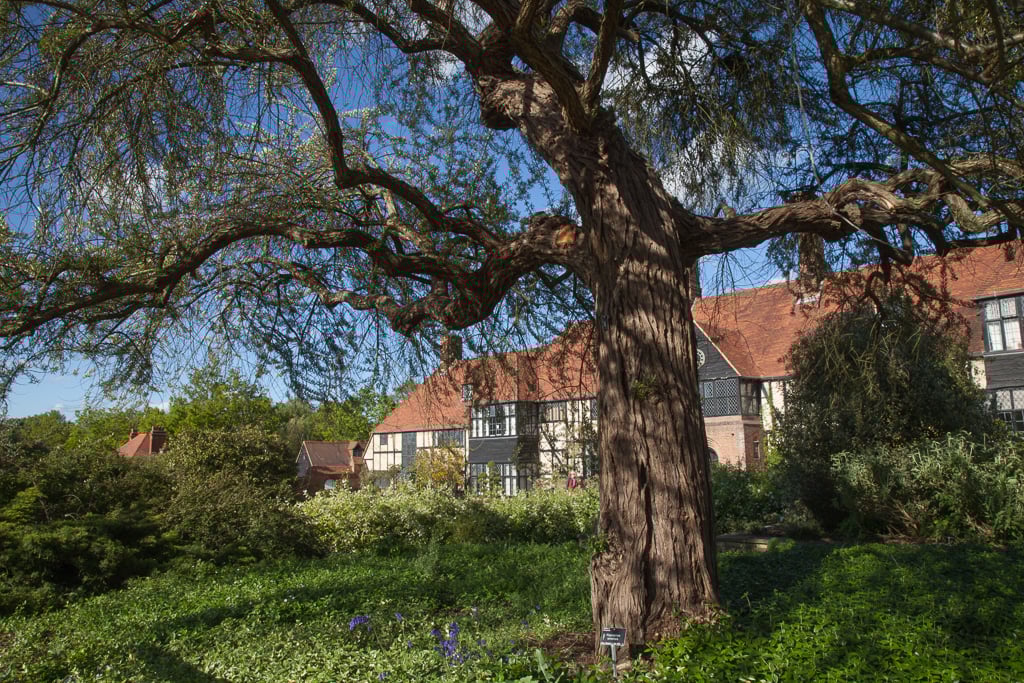
A fast-growing, thorny, deciduous small tree or large shrub, reaching approximately 8m tall with an equal spread. It has slender, silvery-green leaves which briefly turn a pale yellow in autumn before falling. Clusters of stalkless golden brown 'flowers' develop before the leaves which, for females plants - as long as a male plant is also planted - develop into orange-yellow berries
Synonyms
Hippophae salicifolia subsp. yunnanensisHippophae rhamnoides subsp. sinensis
see moreHippophae rhamnoides subsp. yunnanensis
Hippophae salicifolia subsp. sinensis
Buy this plant
Size
Ultimate height
4–8 metresTime to ultimate height
10–20 yearsUltimate spread
4–8 metresGrowing conditions
Moisture
Moist but well–drained, Poorly–drainedpH
Acid, Alkaline, NeutralColour & scent
| Stem | Flower | Foliage | Fruit | |
| Spring | Orange Brown | Grey Silver Green | ||
|---|---|---|---|---|
| Summer | Green Grey Silver | |||
| Autumn | Yellow | Orange Yellow | ||
| Winter |
Position
- Full sun
- Partial shade
Aspect
East–facing or North–facing or South–facing or West–facing
Exposure
Exposed Hardiness
H6Botanical details
- Family
- Elaeagnaceae
- Native to GB / Ireland
- No
- Foliage
- Deciduous
- Habit
- Bushy, Spreading branched
- Genus
Hippophae are deciduous shrubs or small trees, with narrow, silvery leaves and inconspicuous flowers followed on female plants by orange fruits; both male and female plants must be grown for a good crop of berries
- Name status
Correct
- Plant range
- China, Mongolia
How to grow
Cultivation
Grow on any moisture-retentive soil. Fixes nitrogen into soil. Has male and female plants, so both sexes needed for berries to form. For more information see tree cultivation.
Propagation
Propagate from seed (it may benefit from 3 months cold storage first) or semi-ripe cutting in summer. For more advice see our information on how to propagate from seed (tree/shrub
Suggested planting locations and garden types
- Wildlife gardens
- Edible fruit
- Hedging and screens
Pruning
Pruning group 1; but can be pruned to an informal hedge
Pests
Generally pest-free
Diseases
May be susceptible to honey fungus in gardens where it is present but insufficient data to determine degree of susceptibility
Get involved
The Royal Horticultural Society is the UK’s leading gardening charity. We aim to enrich everyone’s life through plants, and make the UK a greener and more beautiful place.