Begonia boliviensis 'Firecracker'
Bolivian begonia 'Firecracker'
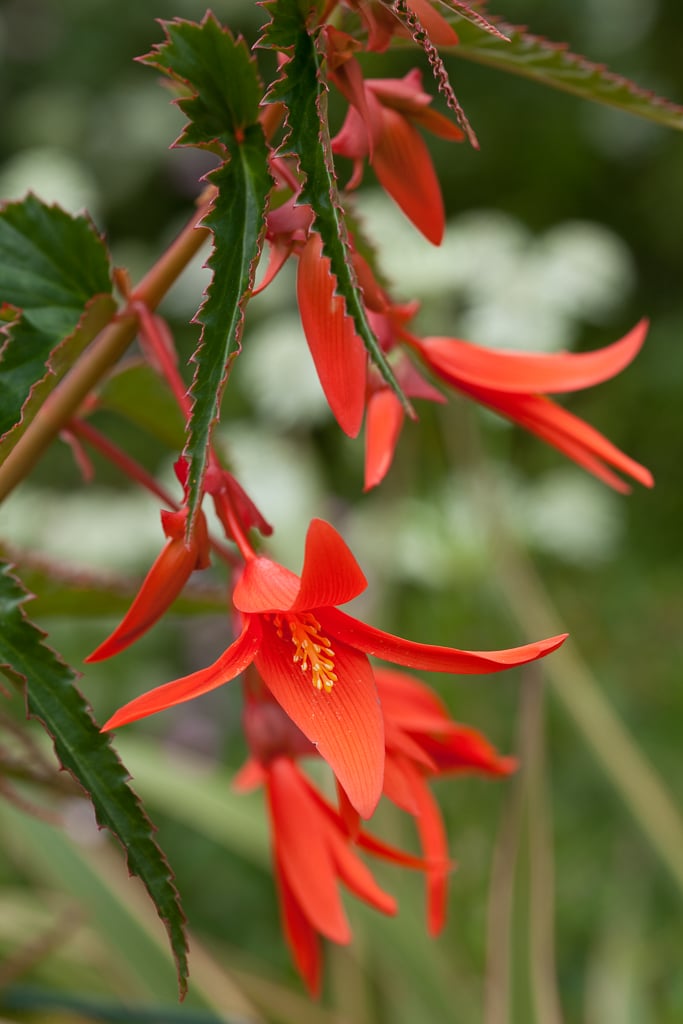
A trailing, tuberous perennial to 50cm tall, with pointed, toothed leaves to 13cm long on succulent, arching stems. Throughout summer it produces slender orange flowers to 5cm long, held in pendant clusters
Buy this plant
Size
Ultimate height
0.1–0.5 metresTime to ultimate height
1–2 yearsUltimate spread
0.1–0.5 metresGrowing conditions
Moisture
Moist but well–drainedpH
Acid, NeutralColour & scent
| Stem | Flower | Foliage | Fruit | |
| Spring | Green | |||
|---|---|---|---|---|
| Summer | Orange | Green | ||
| Autumn | Orange | Green | ||
| Winter |
Position
- Partial shade
Aspect
East–facing or North–facing or South–facing or West–facing
Exposure
Sheltered Hardiness
H1BBotanical details
- Family
- Begoniaceae
- Native to GB / Ireland
- No
- Foliage
- Evergreen
- Habit
- Pendulous weeping
- Potentially harmful
- Ornamental bulbs - not to be eaten. Wear gloves and other protective equipment when handling. Pets: Ornamental bulbs - not to be eaten - see the HTA guide to potentially harmful plants for further information and useful contact numbers
- Genus
Begonia can be annuals, evergreen or deciduous perennials or shrubs, with fibrous, tuberous or rhizomatous roots and usually asymmetrical leaves, often strikingly patterned, and small or large flowers, both male and female in the same cluster
- Name status
Accepted
How to grow
Cultivation
In spring plant tubers, hollow side uppermost, in free-draining compost at 16-18°C. Plant out after the last frosts in fertile, humus-rich, moist but well-drained soil in sun or partial shade. Lift the tubers in autumn before the first frosts and dry off. See begonias: outdoors for further information
Propagation
Propagate by seed, basal cuttings, or stem cuttings of sideshoots
Suggested planting locations and garden types
- City and courtyard gardens
- Cottage and informal garden
- hanging basket
- Patio and container plants
- Sub-tropical
- Bedding
- Conservatory and greenhouse
Pruning
No pruning required
Pests
May be susceptible to caterpillars, mealy bugs, mites, glasshouse thrips, vine weevil and aphids
Diseases
May be susceptible to grey moulds, powdery mildews, stem rot and rhizome rot
Get involved
The RHS is the UK’s gardening charity, helping people and plants to grow - nurturing a healthier, happier world, one person and one plant at a time.