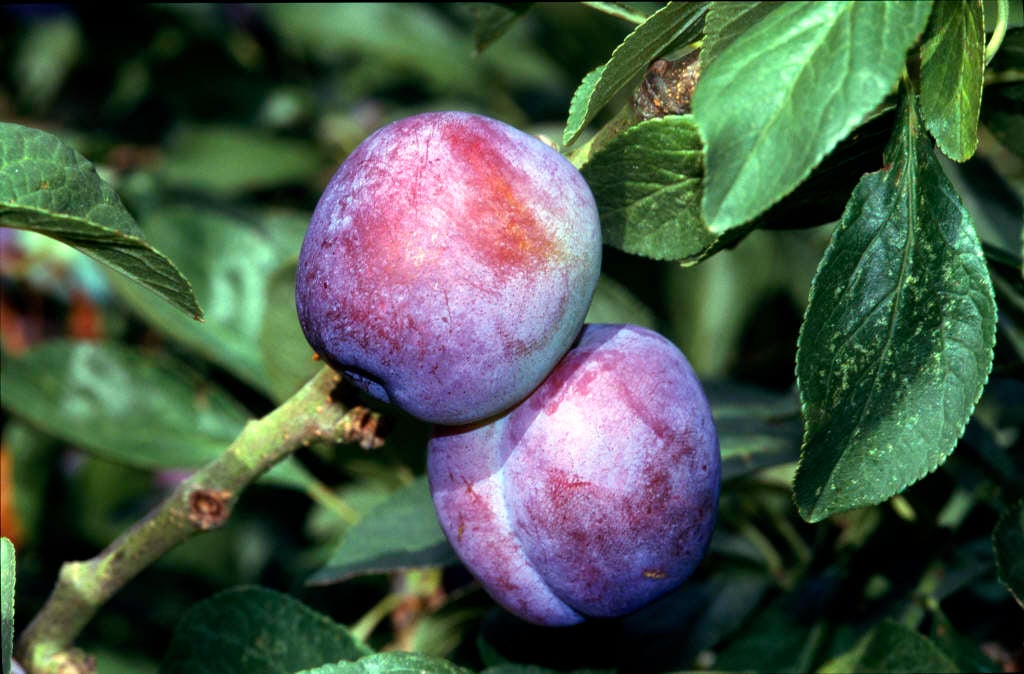
Prunus domestica 'Blue Tit' (C/D)

RHS Plant Profile
plum 'Blue Tit'
plum 'Blue Tit' RHS
Award of Garden MeritPlants for pollinators
Fruit Edible Trees

A compact and reliable blue plum with a pleasant flavour. Produces regular, good crops and is self-fertile. Cropping season is mid August. Pollination group 5

Position

Full sun

Soil Types

Loam, Sand

Max Height

2.5-4 metres

Max Spread

2.5-4 metres

Size

Time to Maturity
5–10 years
Max Spread
2.5-4 metres
Max Height
2.5-4 metres

Growing Conditions

Loam Sand
Moisture
Moist but well–drained or Well–drained
pH
Acid or Neutral

Position

Full sun
Aspect
South–facing or West–facing
Exposure
Sheltered
Hardiness
H5

Colour & Scent

Season Stem Flower Foliage Fruit
Spring
Summer
Autumn
Winter

Botanical Details

Family
Rosaceae
Native to GB/Ireland
No
Foliage
Deciduous
Habit
Bushy
Genus
Prunus can be deciduous or evergreen trees or shrubs with showy flowers in spring, and often good autumn foliage colour. Some have edible fruit in autumn, and a few species have ornamental bark
Name Status
Accepted
Horticultural Group
Cherries suitable for culinary use have a tart flavour and are best cooked or made into a puree

How to Grow

Cultivation

Grow in a moist, but well-drained soil in full sun. Suitable for all training forms, including fan-trained. Keep a weed-free area of at least 60cm radius around trunk. Thin fruit if necessary. Irrigate in dry periods. Flowers late so should escape spring frosts. See plum cultivation for further advice

Propagation

Propagate by chip budding or grafting onto a rootstock for fruit. The rootstock will largely determine the vigour of the tree

Suggested planting locations and garden types

  • Cottage and informal garden
  • City and courtyard gardens
  • Wildlife gardens
  • Edible fruit
  • Wall side borders

Pruning

Regular pruning required according to tree form. See pruning plums or prune established fans

Pests

May be susceptible to plum aphid, caterpillars, fruit tree red spider mite, brown scale, plum moth and bullfinches

Diseases

May be susceptible to peach leaf curl, silver leaf, bacterial canker, blossom wilt and honey fungus