Chemical labels explained
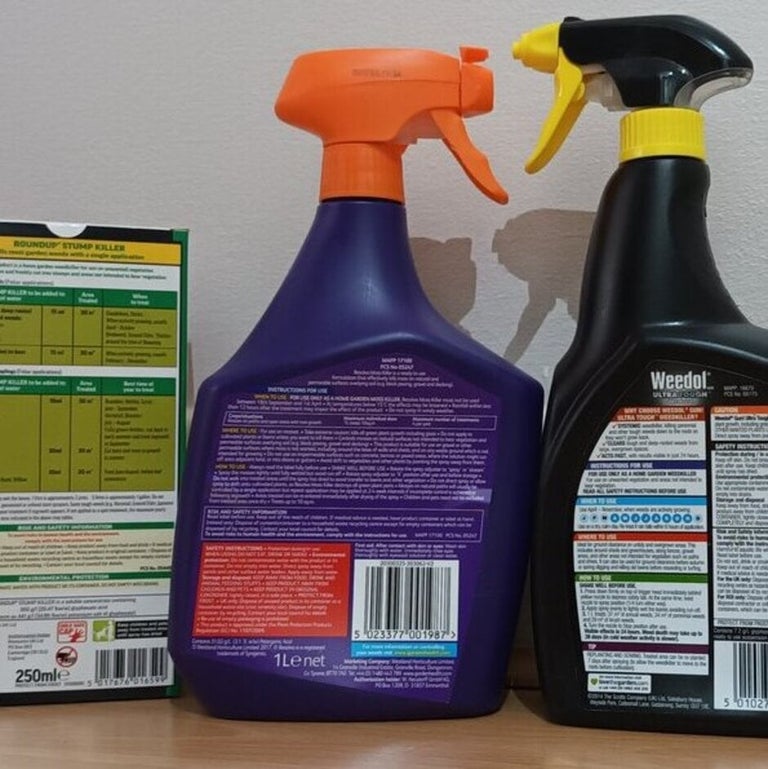
The labels on garden chemicals provide important information on when, where and how to use that product. Our handy guide helps you decipher this information so you can be sure to use them as safely as possible.
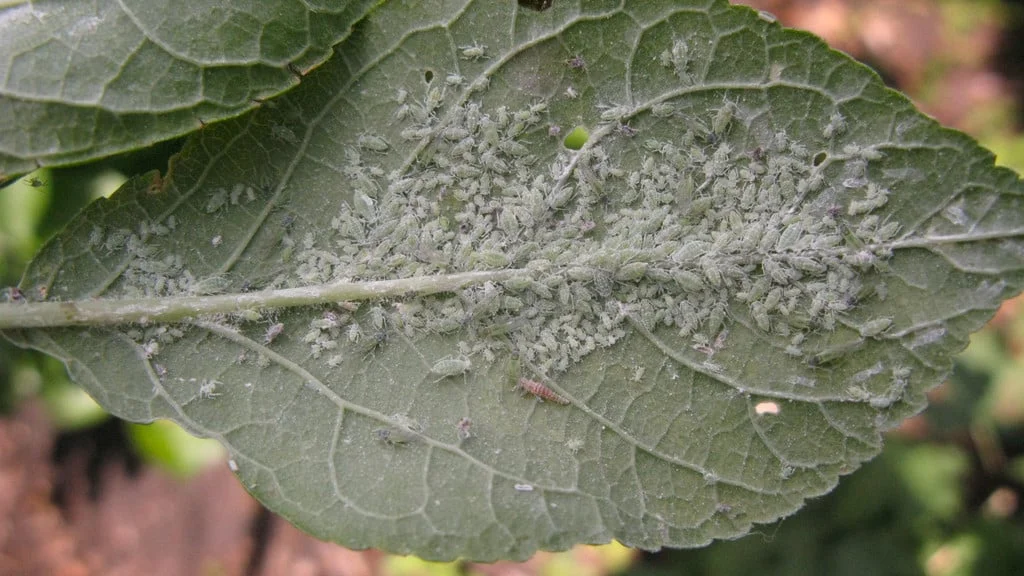
Common name - Plum leaf-curling aphid and mealy plum aphid
Scientific names - Brachycaudus helichrysi and Hyalopterus pruni
Plants affected - Plums, damsons, greengage, sloe
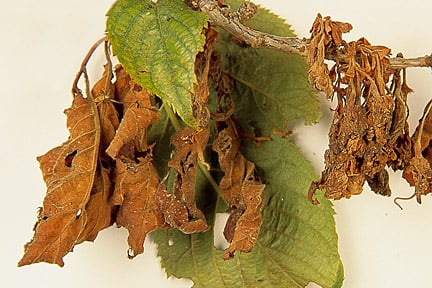
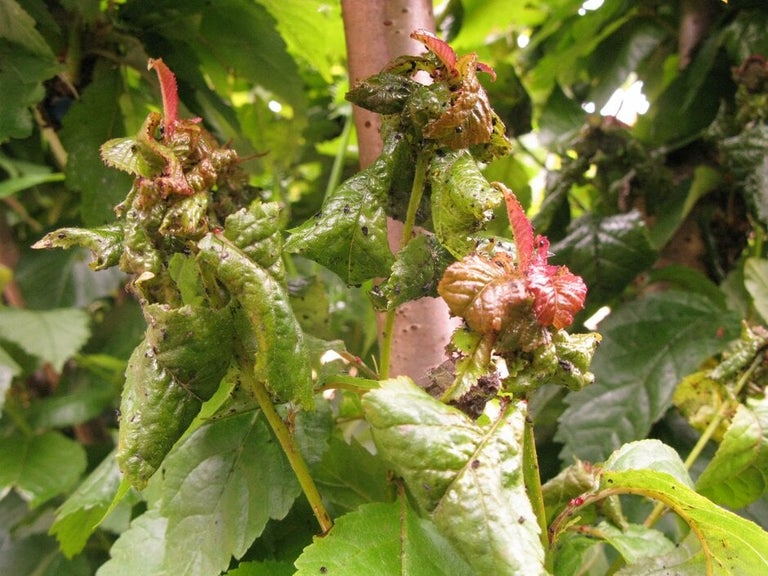
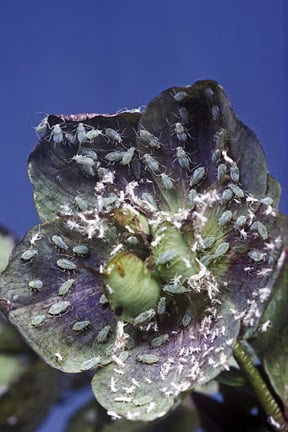
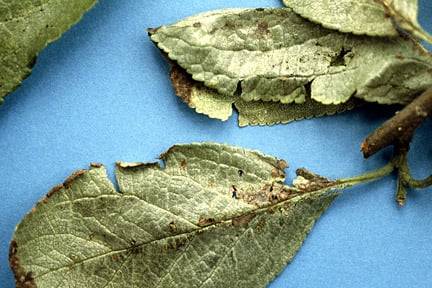
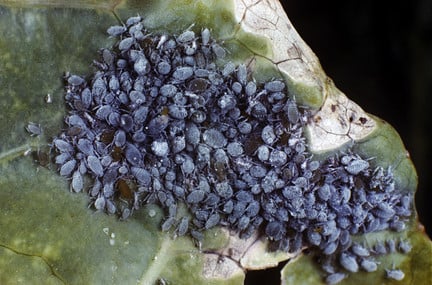
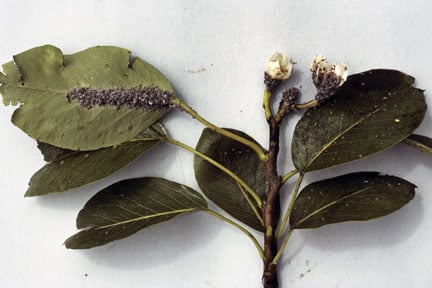
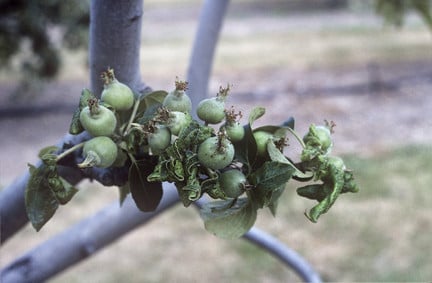
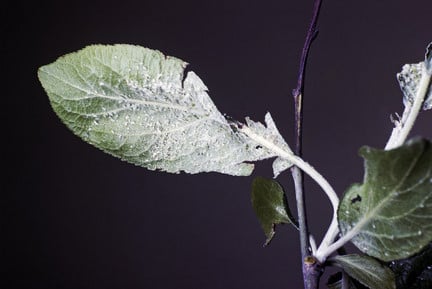
Main symptoms - Leaf distortion in spring, whitish-green aphids on undersides of leaves, stickiness and sooty mould
Caused by - Two species of sap-sucking insect
Timing - April-September

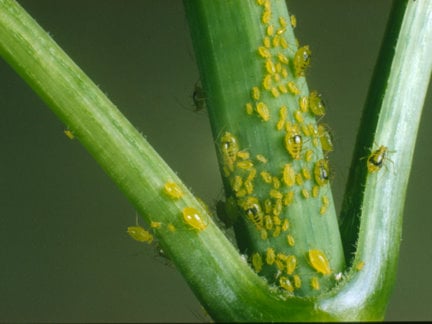
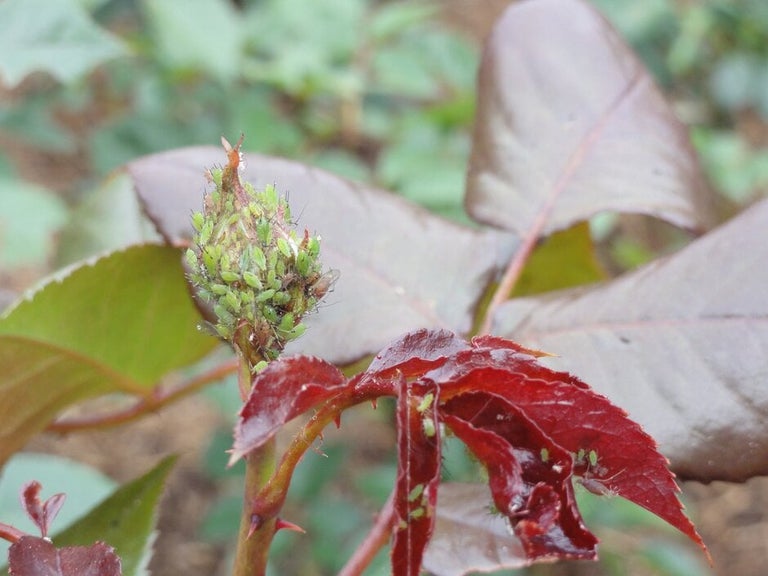
Plum aphids are -sucking insects that feed of the foliage of plums and other related fruit trees.
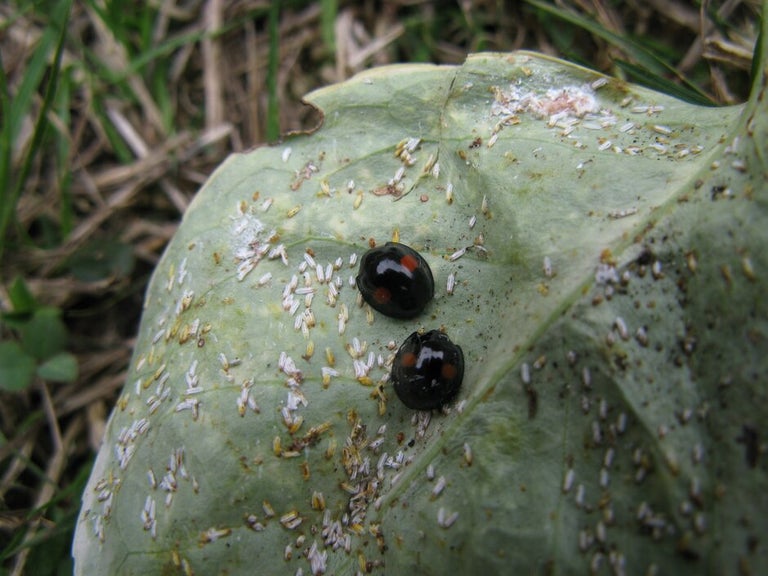
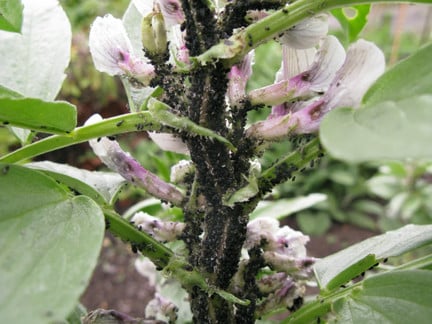
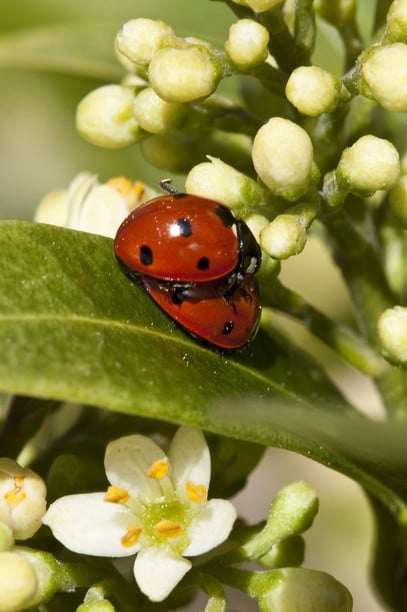
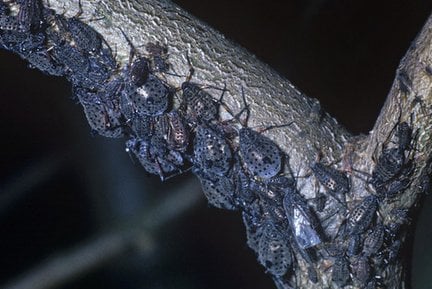
Aphids are sap-sucking true bugs and are an important part of many food chains, supporting many predators. They range in size from 1 to 7 mm (¼ in or less) long. Some aphids are known as greenfly or blackfly, but there are species that are yellow, pink, white or mottled. There are more than 500 aphid species in Britain. Some feed on only one or two plant species, but others can be found on a wide range of plant hosts. Almost any plant can be affected, including ornamentals, vegetables, fruits, greenhouse plants and houseplants.
Despite appearances, the yield and future health of the trees is uaually unaffected and these insects support many predators.

Plum leaf-curling aphid
Aphids form the basis of many food chains and it is not unusual to have some of these animals in a healthy balanced garden ecosystem. On tall trees aphids aphids can be considered part of the they support; natural enemies will normally reduce numbers by late summer.
Both mealy plum and plum leaf-curling aphids overwinter aseggs that are laid in autumn in crevices and around the buds. Eggs of plum leaf-curling aphid hatch at burst but those of mealy plum aphid hatch later in April.
Aphids feed by sucking from the foliage. Leaf-curling plum aphid secretes chemicals into the foliage that cause the young leaves to develop in a crumpled and distorted fashion. In this species, winged forms of the aphid develop during May and the winged adults then fly away to various herbaceous plant where they spend the summer. The population on plums dies out in late May-early June and after that time the tree produces normal foliage.
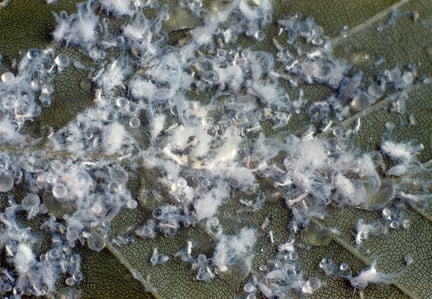
Mealy plum aphid populations develop during mid to late summer. Winged mealy plum aphids develop during the summer and these migrate to various grasses and reeds.
Both species produce a winged generation in autumn that flies back to plums and other host plants to lay the overwintering eggs.