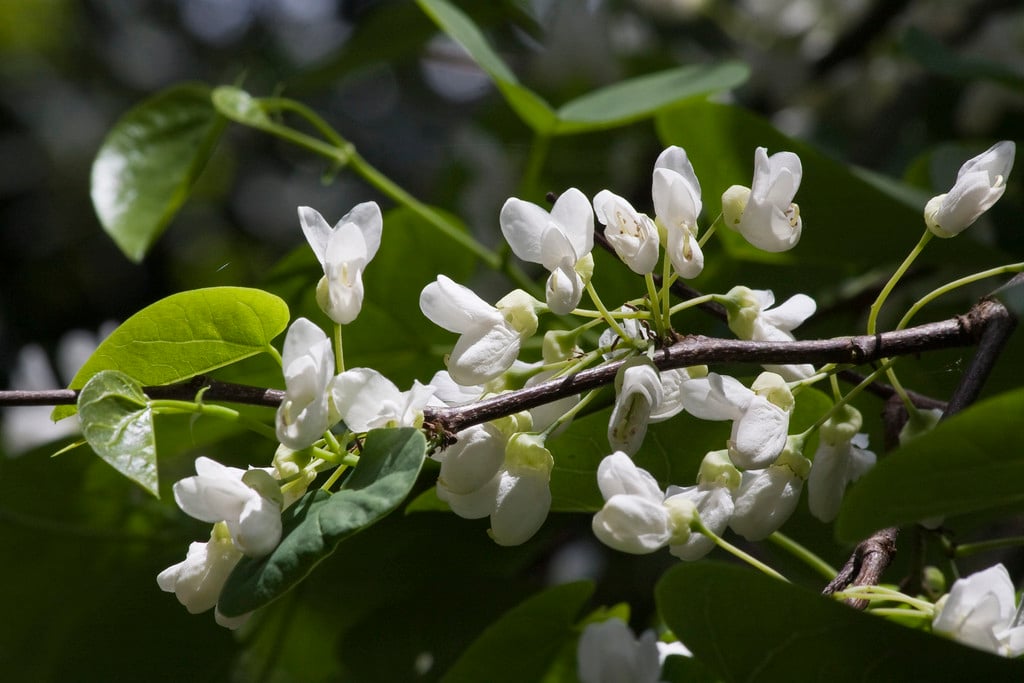
Cercis siliquastrum f. albida

RHS Plant Profile
Judas tree white-form
Judas tree white-form RHS

Synonyms

Cercis siliquastrum 'Alba'
Cercis siliquastrum f. alba

Plants for pollinators
Trees

A spreading tree with rounded, mid-green leaves turning yellow in autumn. Clusters of pure white, pea-like flowers are produced before and with the leaves, often directly from the branches

Position

Full sun, Partial shade

Soil Types

Chalk, Clay, Loam, Sand

Max Height

8-12 metres

Max Spread

wider than 8 metres

Size

Time to Maturity
20–50 years
Max Spread
wider than 8 metres
Max Height
8-12 metres

Growing Conditions

Chalk Clay Loam Sand
Moisture
Well–drained
pH
Acid or Alkaline or Neutral

Position

Full sun Partial shade
Aspect
North–facing or West–facing or South–facing or East–facing
Exposure
Exposed or Sheltered
Hardiness
H5
Drought Resistance
Yes

Colour & Scent

Season Stem Flower Foliage Fruit
Spring
Summer
Autumn
Winter

Botanical Details

Family
Fabaceae
Native to GB/Ireland
No
Foliage
Deciduous
Habit
Bushy
Genus
Cercis are deciduous shrubs or small trees with heart-shaped leaves and clusters of bright pink pea-flowers opening before or with the leaves, followed by flattened, deep purple pods
Name Status
Correct
Plant Range
E Mediterranean

How to Grow

Cultivation

Grow in well-drained soil in sun or partial shade

Propagation

Propagate by seed and semi-hardwood cuttings

Suggested planting locations and garden types

  • Architectural
  • Cottage and informal garden
  • Wildlife gardens

Pruning

Pruning group 1

Pests

May be susceptible to leafhoppers and scale insects

Diseases

May be susceptible to verticillium wilt and coral spot