Quick Facts
Thrive in free-draining soils in full sun
1
Bloom in summer and autumn
2
Perfect mid-border plants
3
Good for cutting and as dried flowers
4


Before you get started
What are achilleas?
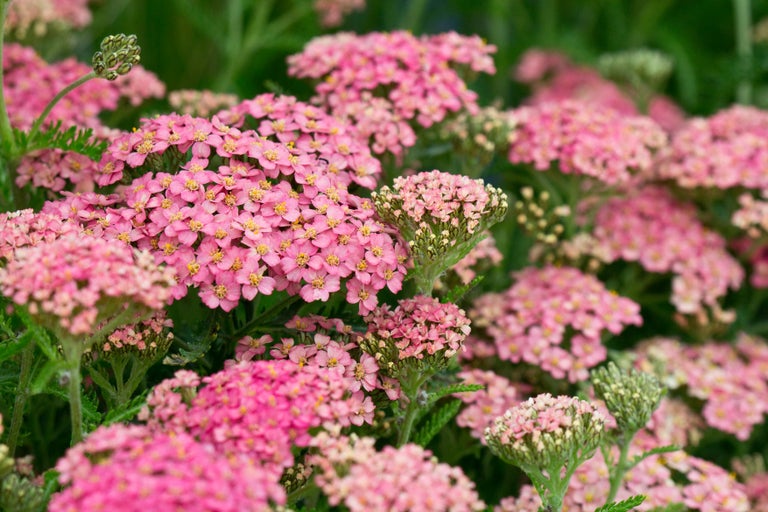
Achilleas are hardy herbaceous perennials in the daisy family (Asteraceae), instantly recognisable from their flat or domed heads composed of many tiny, individual, daisy-like flowers. They generally produce a spreading mat of ferny foliage which often overwinters. A few are low-growing alpines, but most produce upright flower stems 30 to 180cm tall depending on species. They are found throughout the temperate northern hemisphere and two are widespread natives in UK and Ireland: sneezewort ( Achillea ptarmica ) and yarrow ( A. millefolium ). A rare third , cottonweed ( A. maritima ), clings on in Co. Wexford.
Choosing
When choosing which achillea to buy, consider the following:
Garden position:
- Most achilleas are mid-border plants, not too small and not too tall, but still ranging from 30-90cm, so check descriptions for their ultimate heights. Mid-sized plants are also good in containers; taller ones, such as 1.8m ‘Cloth of Gold’ , can be used for prairie planting
- A few are low-growing so suitable for a rock garden or other sunny, well-drained spot where they will not be overcrowded
- Most achilleas revel in the sun, and need well-drained soil, but A. ptarmica and its varieties, such as double-flowered ‘The Pearl’ , prefer moister soil and partial shade
- In wilder areas and species-rich lawns try yarrow ( A. millefolium ) or one of its coloured varieties
- If you want a large number of plants, consider seed-raised cultivars such as mixed ‘Summer Pastels’ or ‘Summer Berries’ , dark red ‘Cassis’ , deep yellow ‘Gold Plate’ , or one of the species
Flower colour:
- There’s lots to choose between, from purest white to richest red, with shades to suit most colour schemes
- ‘Mondpagode’ is a good creamy white, ‘Moonshine’ a cool lemon and ‘Coronation Gold’ a rich golden-yellow. ‘Heidi’ is a bright purplish pink, ‘Lachsschönheit’ salmon pink and ‘Red Velvet’ a rich scarlet. These varieties are among the 17 achilleas that have an RHS Recommended: Award of Garden Merit , indicating they are reliable choices
- Another option is to choose a mixture such as rich ‘Summer Fruits’ or paler ‘Summer Pastels’ , both of which can be grown from seed
Further inspiration
If you want to explore further, there are National Collections in Lincolnshire and Sussex. Or try our Find a Plant tool with images and descriptions and a range of filters to help narrow down your selection.
Buying
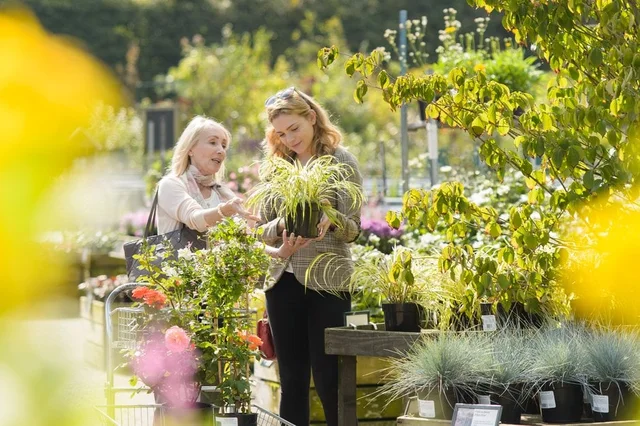
Achilleas are widely available from late spring to early autumn as container-grown plants in 1-3 litre pots from garden centres and online. Smaller plants, in 9cm pots, may be available in early spring – these benefit from into slightly larger pots then planting out in early summer after they have put on a little more growth.
A few mail-order nurseries also sell plants from autumn through to early spring. These are often less expensive and avoid the use of new plastic pots but will need planting, or potting up, as soon as they arrive.
Use the RHS Find a Plant tool to track down stockists of specific cultivars.
Planting
When to plant
The ideal time to plant is in spring, when the soil has warmed up. However, they can be planted in autumn or winter provided the soil is not or frozen, or in summer as long as there is water available to ensure they don’t dry out.
Where to plant
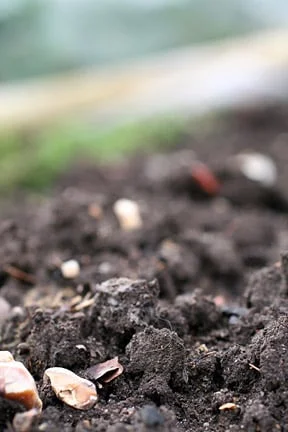
Achilleas are generally tough and tolerant plants, but free-draining soil is a non-negotiable requirement for most and they will fail to thrive in cold, heavy clays or waterlogged soil. Full sun is their preferred situation, and they are drought tolerant once established, coping well with dry or impoverished soil. One exception is Achillea ptarmica and its varieties, which prefer moist soil and semi-shade.
Most achilleas would suit a mixed border combined with other drought-tolerant plants like euphorbia, echinops, verbena and ornamental grasses. Their long flowering period, low maintenance needs and winter-interest seedheads also make them suitable for prairie planting.
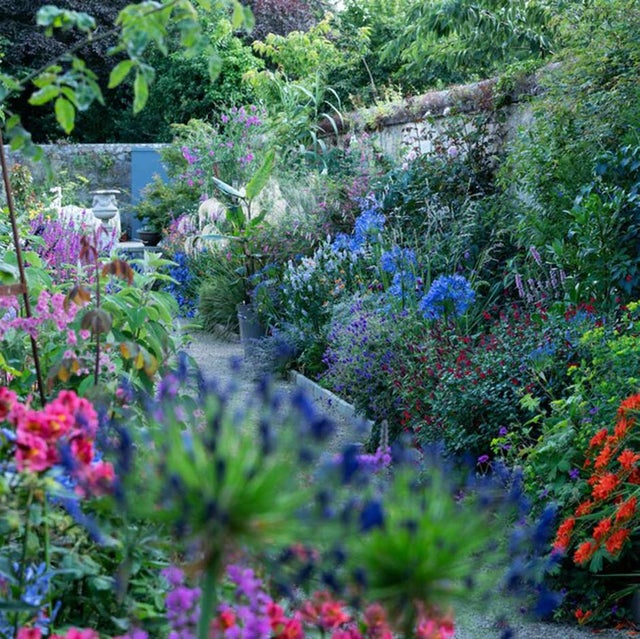
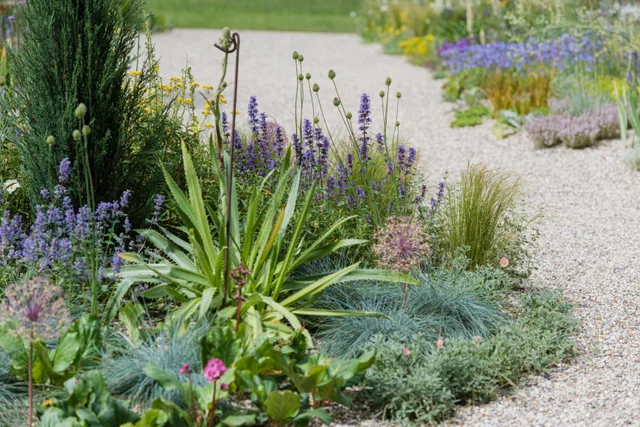

Yarrow (A. millefolium), to GB and Ireland, is ideal for growing in a sunny situation in the wild garden, rock garden or flower-rich lawn where it can support over 100 species of insect. However, it does spread readily and may be unwelcome in fine lawns or borders.

How to plant
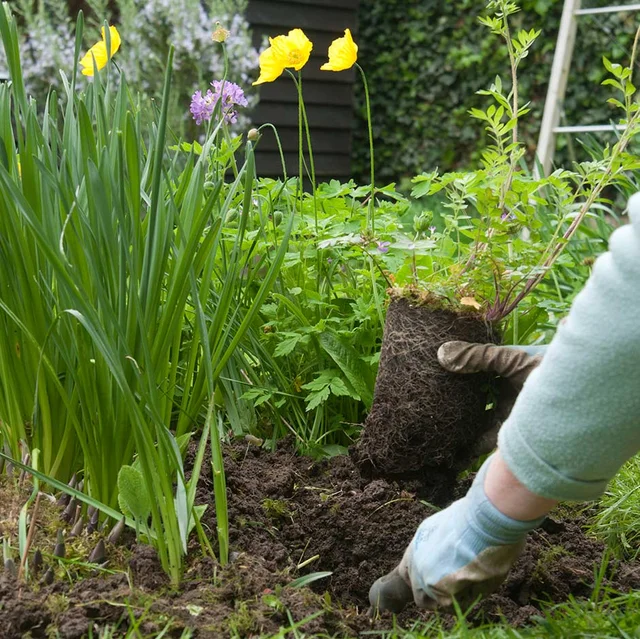
There is no need to improve the soil before planting; nutrient-rich conditions will cause the plants to become tall and floppy. Dig a hole slightly bigger than the , settle the plant in at the same level it was in the pot, refill and firm the soil then water well.
Ongoing care
Watering
Although achilleas are drought-tolerant once established, young plants will need watering in dry spells for the first year, while their roots become established.
Mulching
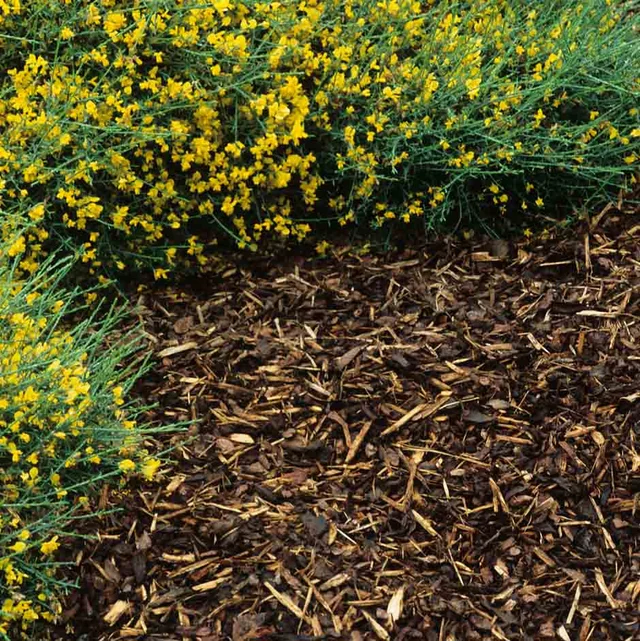
Mulching is not necessary for achilleas but if plants are growing in a border then they can be mulched alongside their neighbours. A low-nutrient , like leaf mould, will help suppress weeds and improve the soil’s structure without making the growing environment too rich.
Feeding
Plants in the ground do not need any additional feeding.
Overwintering
Flowering stems will die at the end of the season but will often remain standing and are worth leaving for their structural interest and wildlife value – just tidy up any remains in spring. The basal leaf rosette may remain green but needs no winter protection.
Caring for older plants
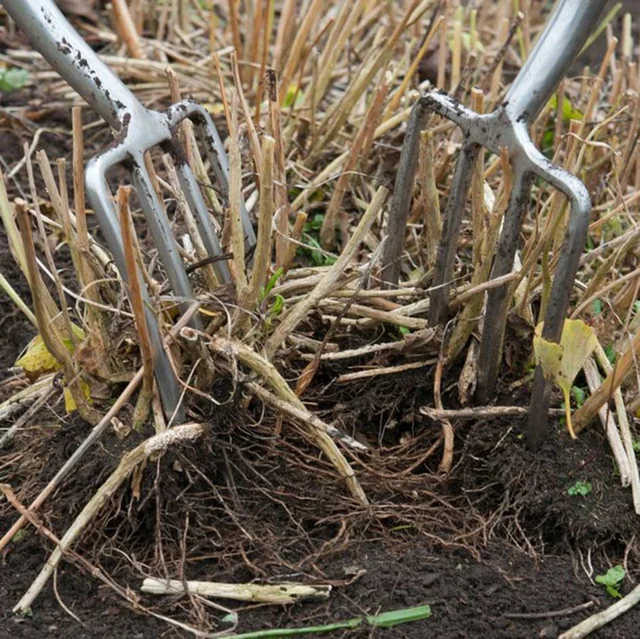
Most achilleas benefit from being divided every three to five years to keep them healthy, vigorous and flowering well. Simply dig up your clump in spring and split it into smaller clumps, discarding any very woody or dead-looking sections, then replant.
Growing in containers
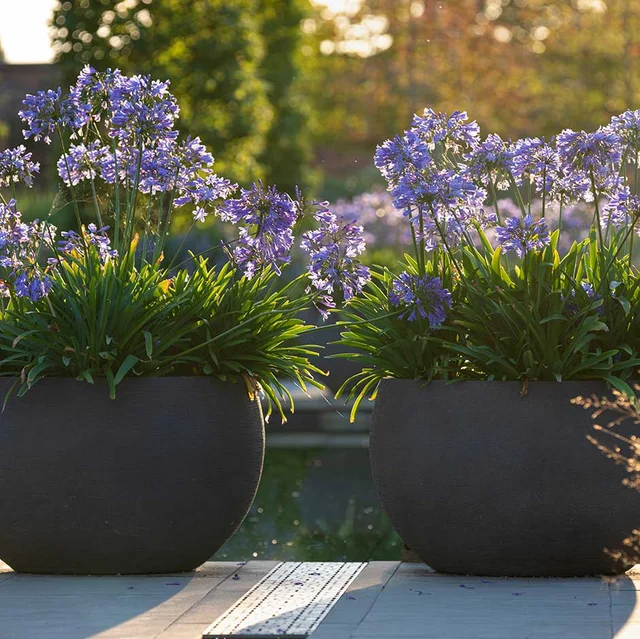
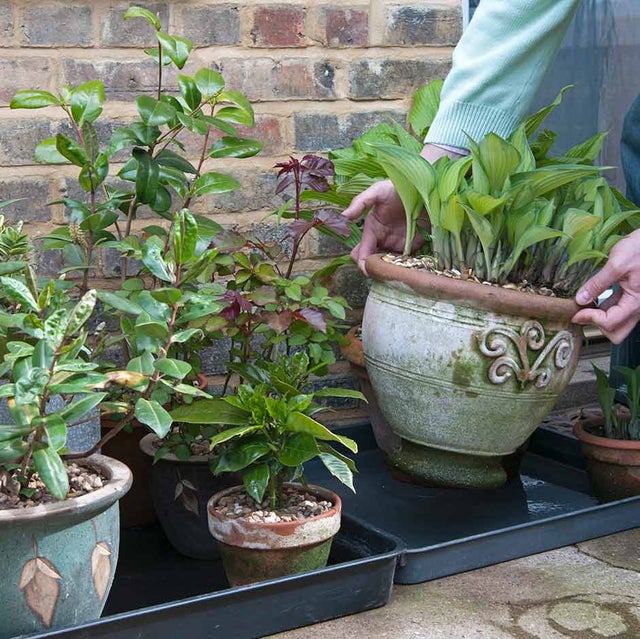
Achilleas are well-suited to container growing with their sturdy stems, long flowering season and wide colour range. Varieties of Achillea millefolium, and hybrids that are not too tall, would all be good choices. Containers are also a good way to grow smaller achilleas that need very sharp drainage, and benefit from being moved to a sheltered spot in winter, such as beside a wall, or in an unheated greenhouse or coldframe, to avoid pots getting too wet. Plant into multi-purpose peat-free mixed with horticultural grit at a ratio of three parts compost to one part grit.
Plants in containers will need regular watering – check daily during hot, dry spells as the compost will dry out faster. They will need less water in winter but should still be checked occasionally. Newly planted containers will run out of in the compost after a month or two, so plants will need additional feeding. Either mix some slow-release general-purpose fertiliser granules into the compost at planting time, and repeat each spring, or use a multi-purpose liquid fertiliser, such as seaweed feed, at half strength every 10 days or so while the plants are growing actively.
Pruning and training
Regular should encourage plants to flower into autumn. Achillea is also a candidate for the ‘’, to delay the start of flowering and encourage the development of shorter, sturdier stems.
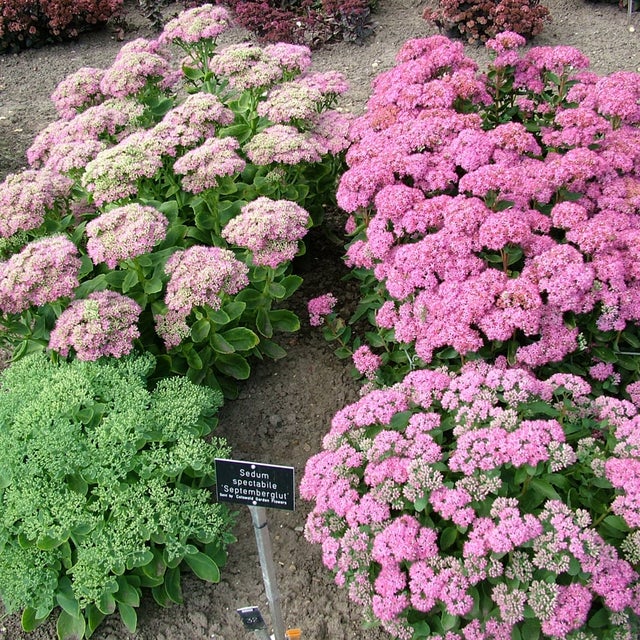
Border achilleas are good for cutting for fresh or dried arrangements and come in a wide range of colours.
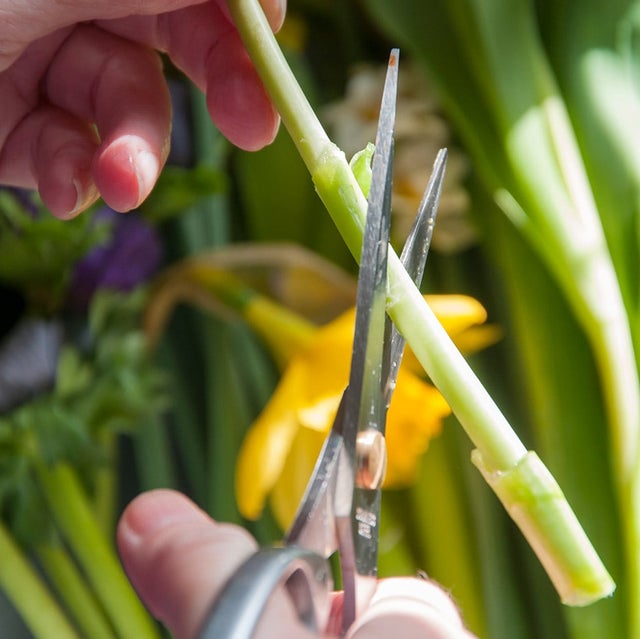
Achillea seedheads stand firm over winter, so can be left to provide food and shelter for wildlife before being cut down to ground level in early spring. Remove any untidy remaining foliage at the same time.
Propagation
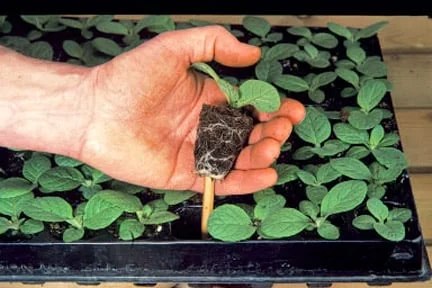
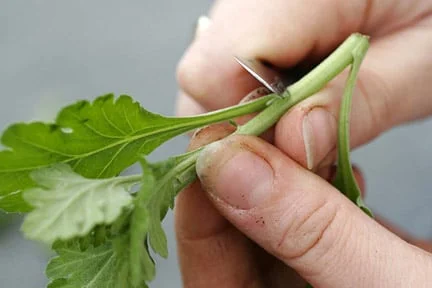
Achilleas are easily propagated by division in spring, or by taking from young spring growth, known as . You can also grow them from seed – sow in spring onto moist peat-free . takes 5-10 days. Once have their true leaves, transplant carefully to or 9cm pots and grow on. Plants should flower in their first year.
Problems
Achilleas should live for many years, with regular division, provided the growing conditions are suitable. Plants may dwindle in soils which are too wet, and they will suffer in very cold, wet winters.
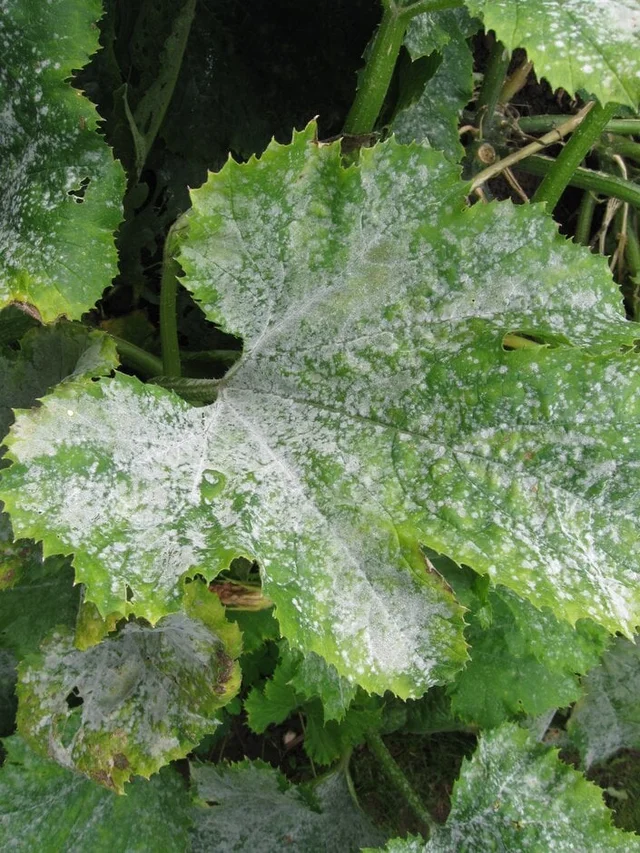
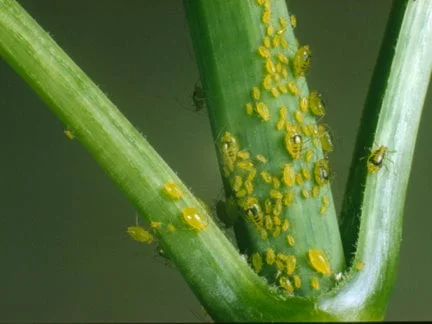
Achilleas may be affected by if conditions are too dry or root rot in wet conditions. They can also be susceptible to aphids.
If you are a member of the RHS, you can use our online Gardening Advice service for all your gardening questions.