RHS / Anna Brockman

Appearance
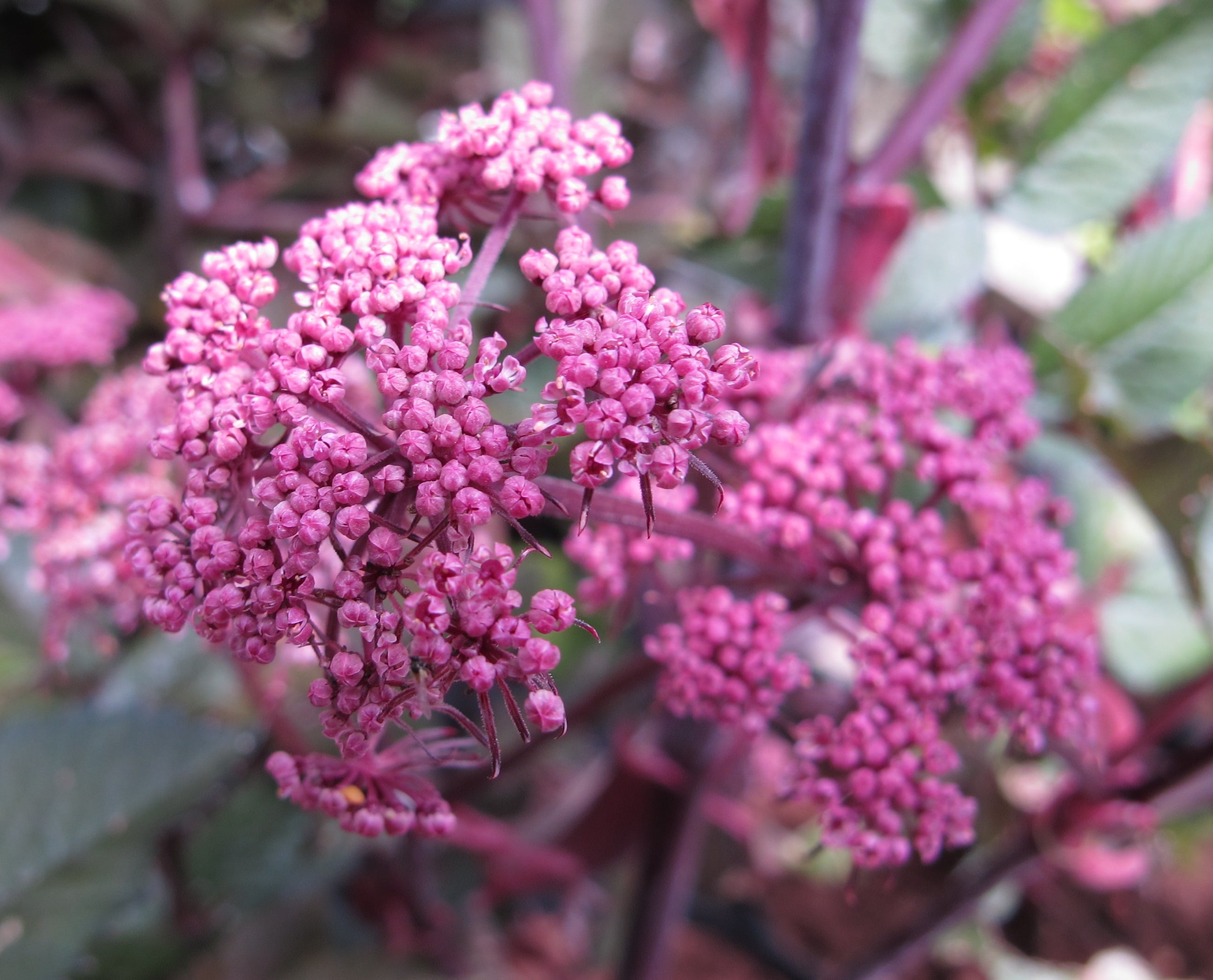
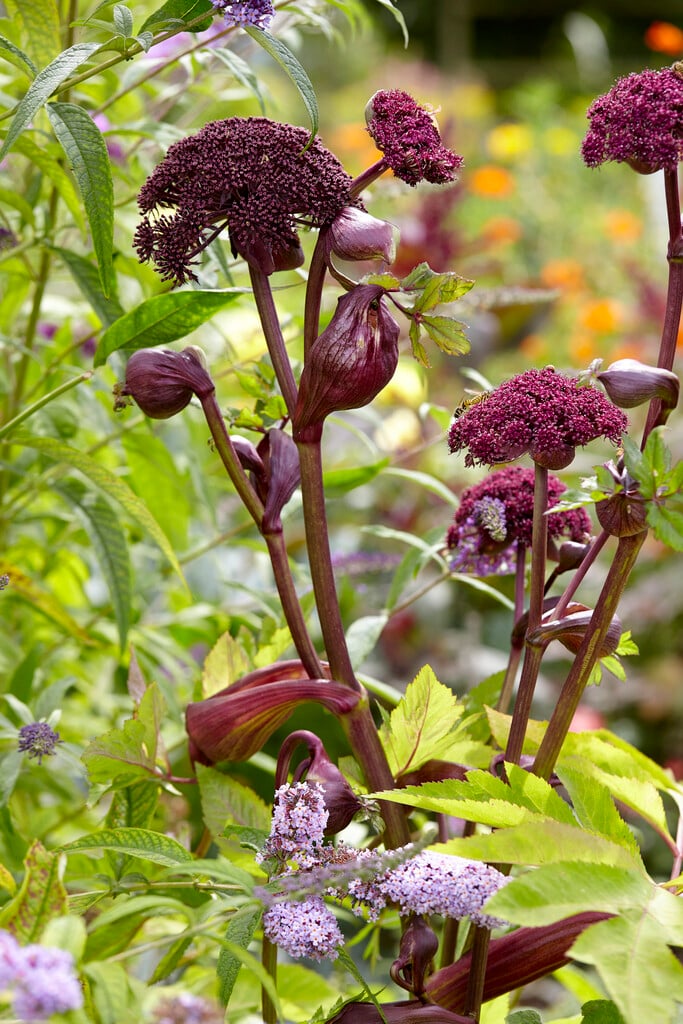
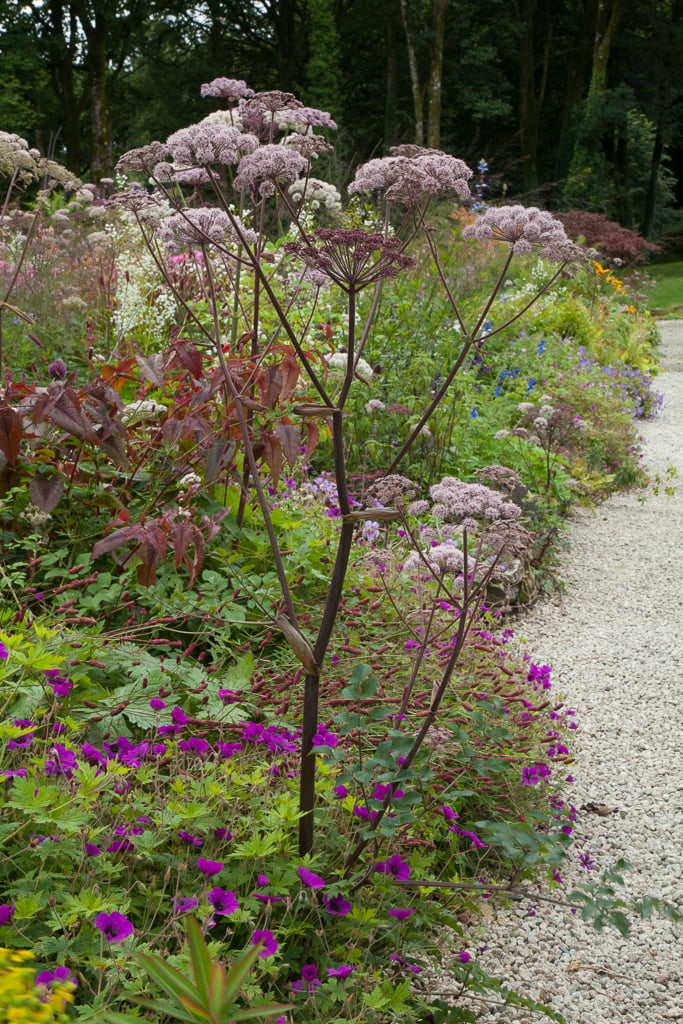
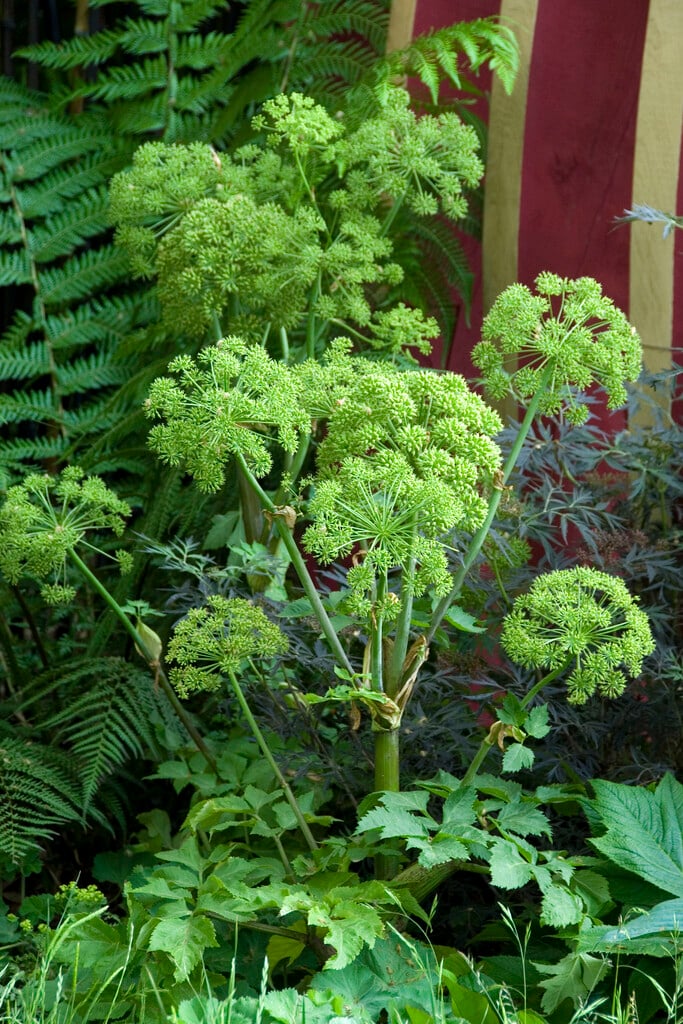
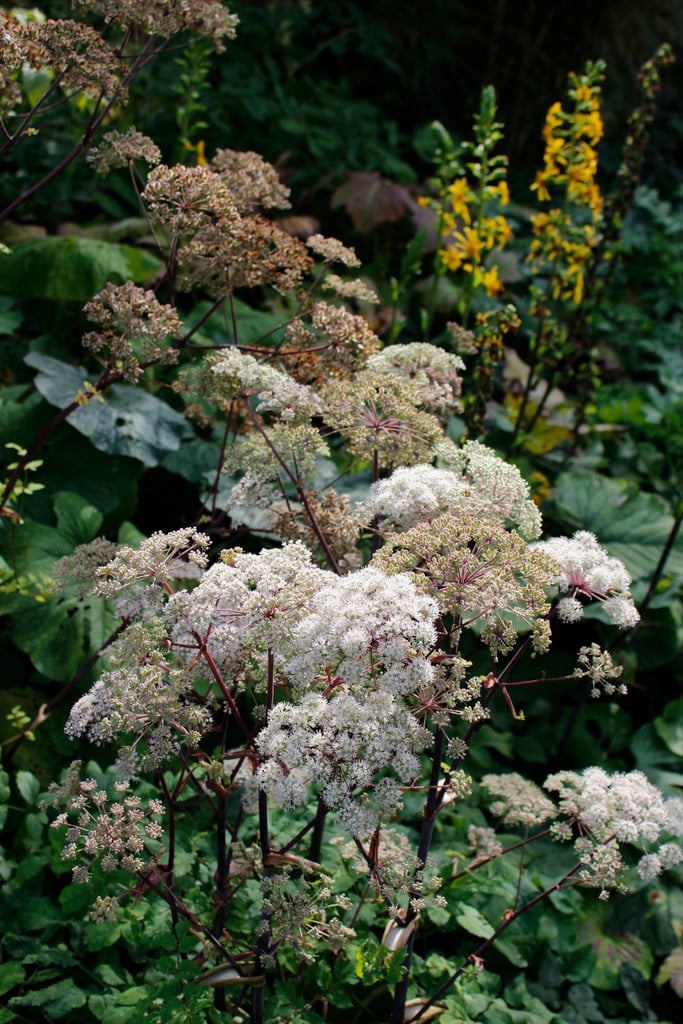
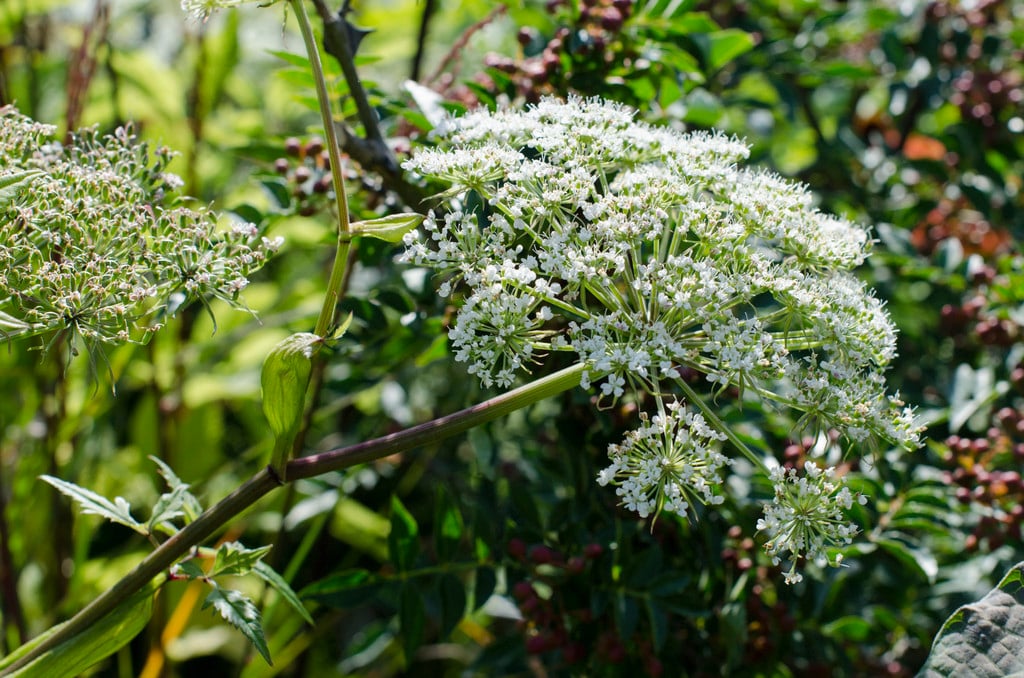
Angelica species grow up to 2.5m tall, with sturdy, pink-purple stems and large, divided leaves. Their flowers are arranged in dramatic, round heads, ranging from white to pale green, and appear in early to mid-summer.
Preferences
Thriving in fertile, moist but well-drained soil, most angelicas prefer partial shade. Generous mulching will keep soil cool and moist. They prefer a cool climate and can self-seed readily in suitable conditions.
Dislikes
Angelicas dislike dry soils, so very sandy soils and hot, exposed conditions should be avoided. They do not transplant well.
Did you know?
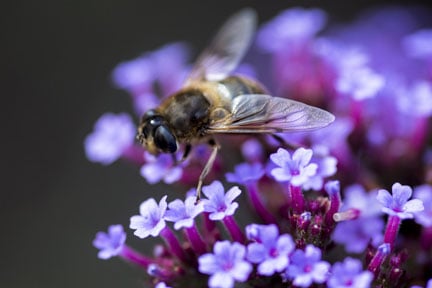
It's a great choice for wildlife-friendly gardens, attracting pollinators such as bees and hoverflies with nectar-rich blooms. Angelica was once highly prized for its supposed ability to ward off the plague, and its stems are still candied and used in baking today.
RHS Growing Guide
FREE
Read our comprehensive free RHS Growing Guide:
How to grow angelica

Introducing Angelica
x of x
Showing
x to x
of x