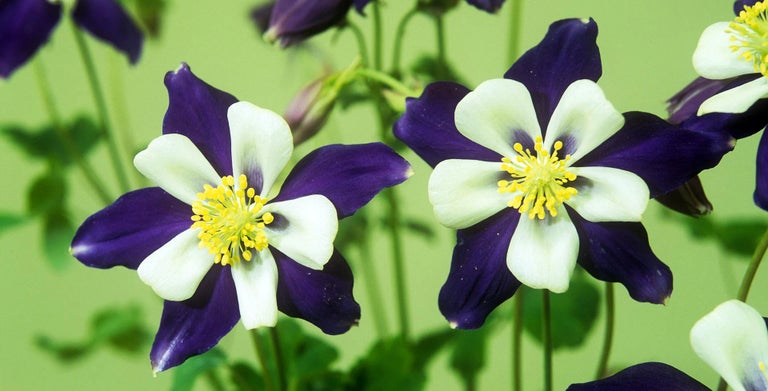
Quick Facts
Thrives in rich, moist but free draining soil (not too wet or too dry)
1
Flowers late spring to early summer (May/June)
2
Buy plants in spring
3
Raise plants from seed yourself in summer
4
Plant in a sunny or semi-shaded spot
5
Cut back plants after flowering to stop self-seeding and freshen up foliage
6
Excellent nectar plant for pollinators such as bumblebees
7


Before you get started
Choosing an aquilegia
Choosing which aquilegia to grow will largely depend on what you like the look of and what growing conditions your garden offers. Match these two and aquilegia are easy to grow. It's just worth remembering that these are not long-lived plants, so it's always worth buying or growing from seed a few extras each year to keep a good display going year after year. In most cases, though, you'll find they self-seed and you'll get a few extras courtesy of the plants themselves, though these are unlikely to be identical to thier parents.
Most, including all the cultivars of A. vulgaris are hardy and are happy in general garden conditions in a sunny or semi-shaded border. However there are a few choice species that require the sun and good drainage of alpine such as (A. scopulorum or A. jonesii) or woodland dwellers like the dwarf A. flabellata var pumila that like moist shade.
Many aquilegia are bred as a series – like the Songbird series . These have similar characteristics to each other, but come in different colours. Check the plant’s eventual height as some series are dwarf.
Buying aquilegia
If you want a lot of plants to mass plant like bedding, grow from seed the previous year and plant out in spring. As long as they've made large enough of leaves, they'll flower that season.
Container grown plants are available from garden centres and specialist nurseries. To find aquilegia that are available to buy near you, or to find a specific plant, use RHS Find a Plant
Planting
When to plant aquilegia
You can plant container grown plants at any time of year, but spring is the best time for them to establish well in most regions.
Where to plant aquilegia
When choosing a spot for your aquilegia, think about not only what other plants like hardy geraniums, euphorbias and alliums will look pretty when it's in flower, but also think about what later flowering perennials wil take over once the aquilegia has flowered.
Plants aren’t fussy about conditions so long as soil is fertile and not or bone dry. Though generally enjoying sun, check the label to see if yours is a species that likes moist shade or is the more specialist conditions offered by alpine gardens and troughs.
How to plant aquilegia
Plant as you would other herbaceous perennials with a spacing of around 30cm from other aquilegia.
Ongoing Care
Watering
Once established, plants shouldn’t need watering, although a good soak after cutting back after flowering will help encourage a new flush of leaves.
Feeding
Plants grown in the garden won't need feeding but you might use a general fertiliser if soil is poor.
Deadheading
Deadhead after flowering to tidy up the plants. However, if you want more aquilegia, allow the seed to ripen before collecting or allowing to self seed (See Propagation section below).
Overwintering
You can trim off old leaves as they start to yellow in autumn, leaving a tight rosette of newer foliage in the centre.
Pruning and Training
Aquilegia don't need any special pruning. However, once flowering have faded you can cut the entire plant down to encourage a fresh flush of leaves. Give plants a water at this point if the soil is dry to encourage this regrowth.
Propagating
Aquilegia are naturally quite short-lived plants, lasting one or two seasons. Thankfully, if you don't deadhead the flowers (see above) they will self-seed so you will always have some in the garden without any effort. You can also collect your sown seed. Wait until pods turn brown so the seed is ripe. As aquilegia freely, these offspring are unlikely to look identical to their parents.
The best method to raise new plants is by fresh sowing seed in spring or early summer. Seed can be slow to germinate, but if don't emerge after several months, a period of cold moist stratification in the fridge should do the trick. If you sow in the autumn they are even more likely to need this chilling period, but here you could place the pots or trays of sown seed in a coldframe over winter.
Early spring-sown or summer-sown plants are ready to plant out in autumn for flowering the next year, but it may take two years to flowering.
To ensure identical offspring of specialist aquliegia such as the diminutive alpines, you can propagate from basal cuttings in early summer.