RHS / Joanna Kossak

Appearance
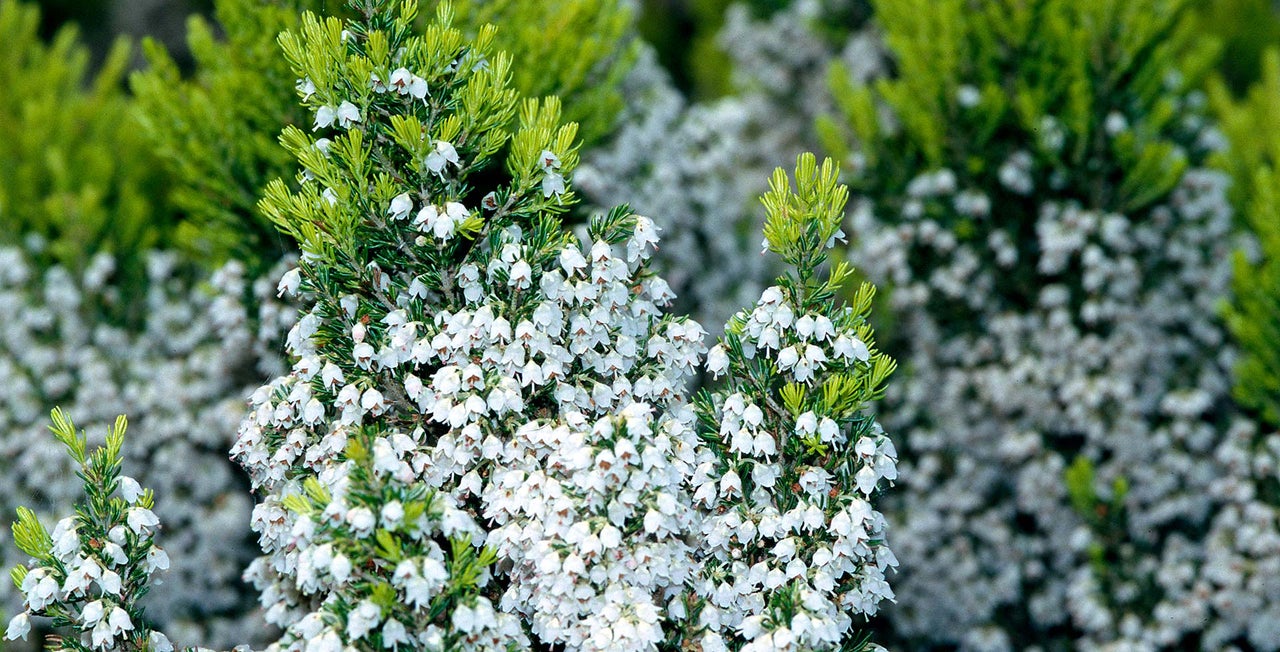
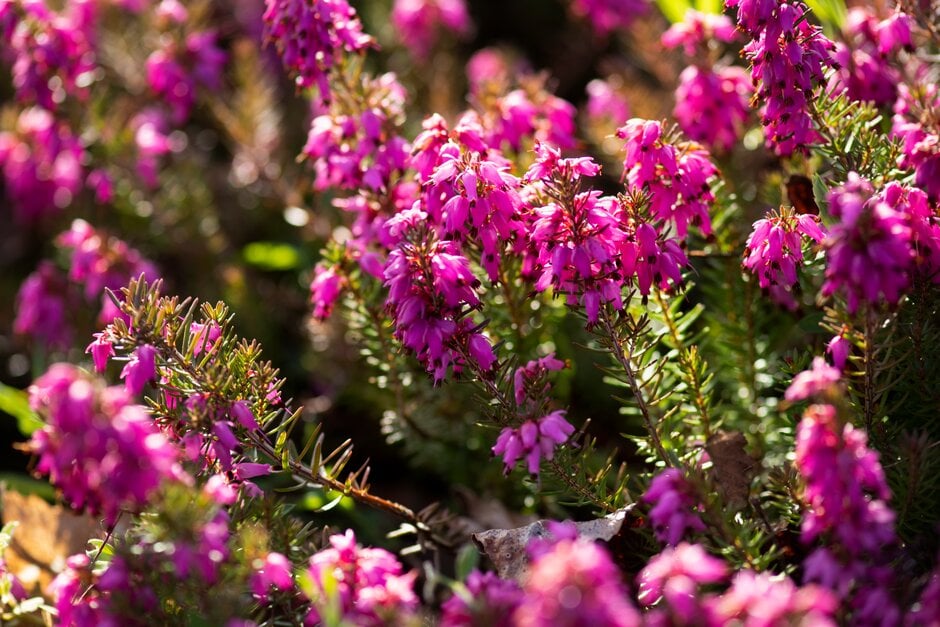
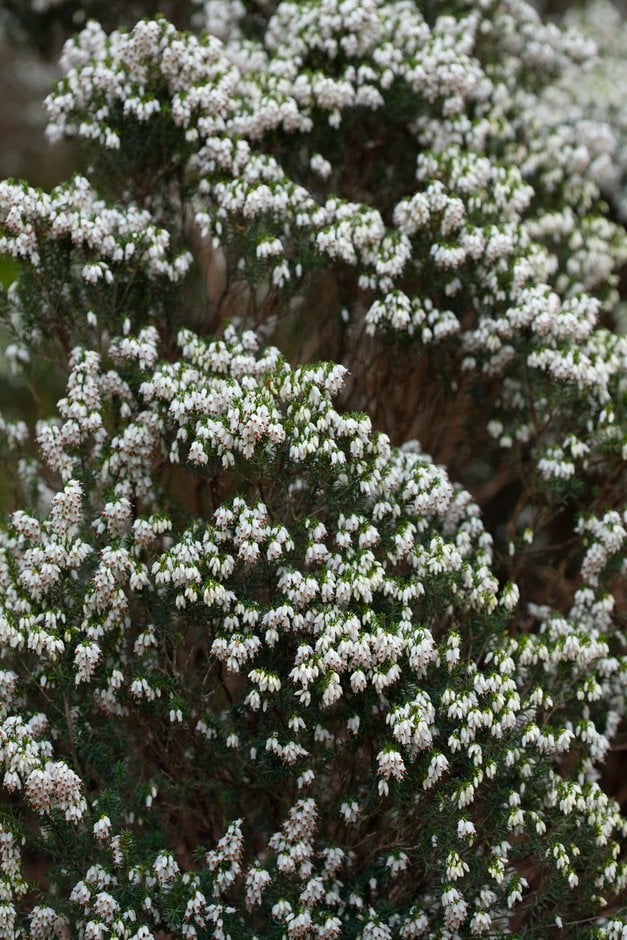
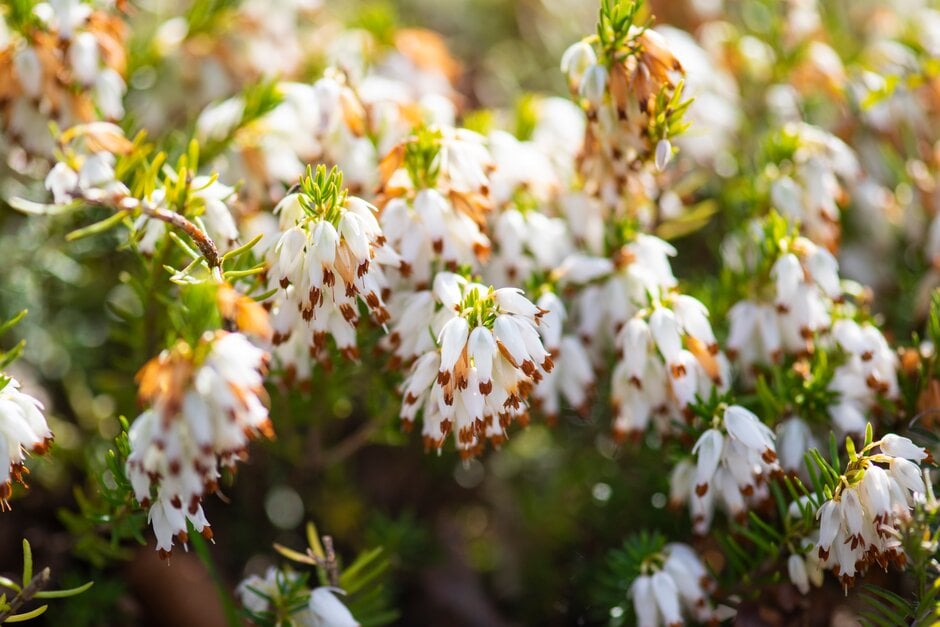
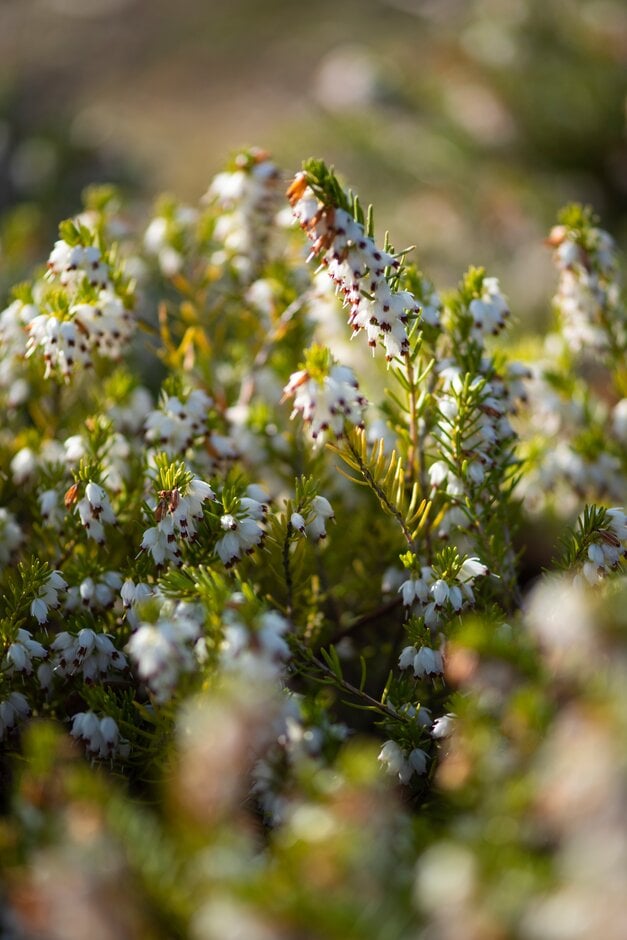
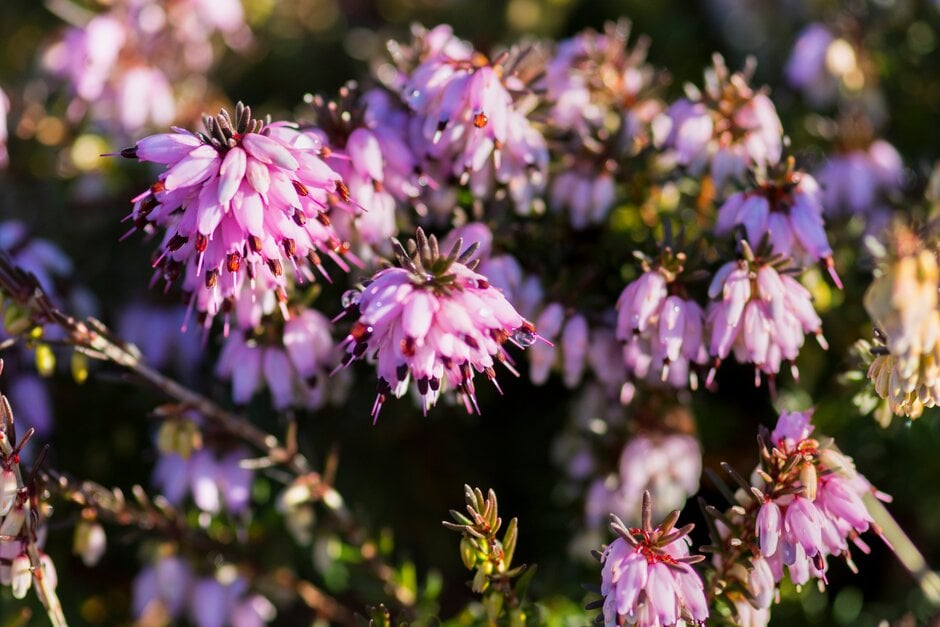
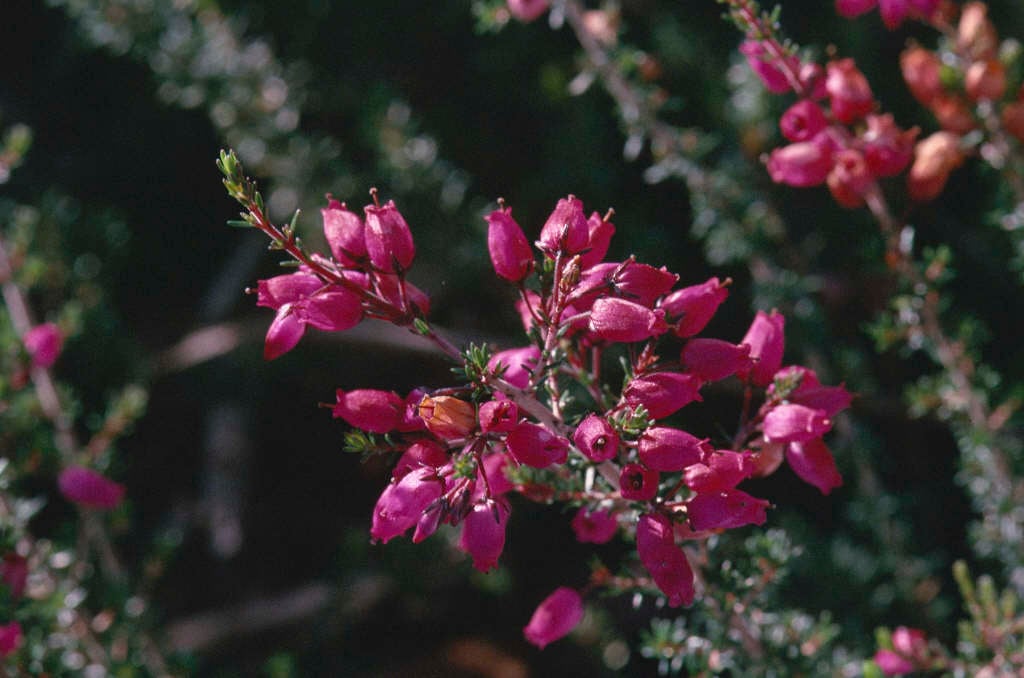
Compact, low growing shrubs, ericas produce long-lasting, vibrant displays of tiny bell-like white, red or pink-purple blooms, in different seasons depending on the cultivar. They have small needle-like leaves, usually green but sometimes vivid yellow or tinted red.
Preferences
Most need acidic soil, preferably free-draining and sandy, in full sun. Winter-flowering cultivars will tolerate neutral or alkaline soils. For growing in containers, use ericaceous (acidic) compost with added lime-free grit to improve drainage.
Dislikes
They will not grow in very alkaline soil, and the roots tend to rot in heavy, wet soil. They will not flower in shade.
Did you know?
The nectar-rich flowers attract bees and other pollinators, and are particularly valuable in winter and early spring when other food sources are scarce.
RHS Growing Guide
FREE
Read our comprehensive free RHS Growing Guide:
How to grow erica

Introducing Ground-cover heathers
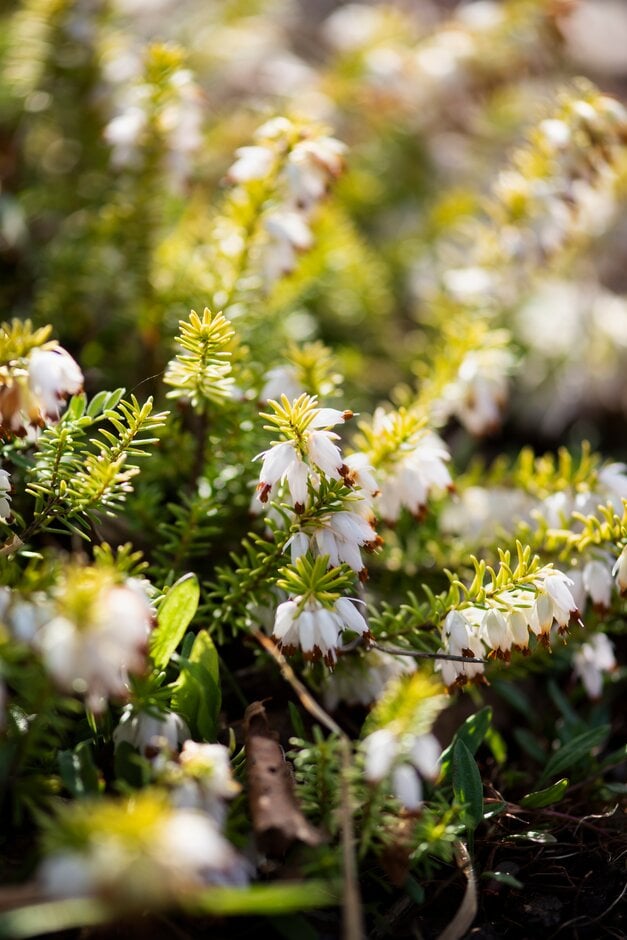
Erica carnea f. alba 'Golden Starlet'
heather 'Golden Starlet'
- Height
- 0.1–0.5 metres
- Width
- 0.1–0.5 metres
Erica × darleyensis f. albiflora 'White Perfection'
heather 'White Perfection'
- Height
- 0.1–0.5 metres
- Width
- 0.5–1 metres
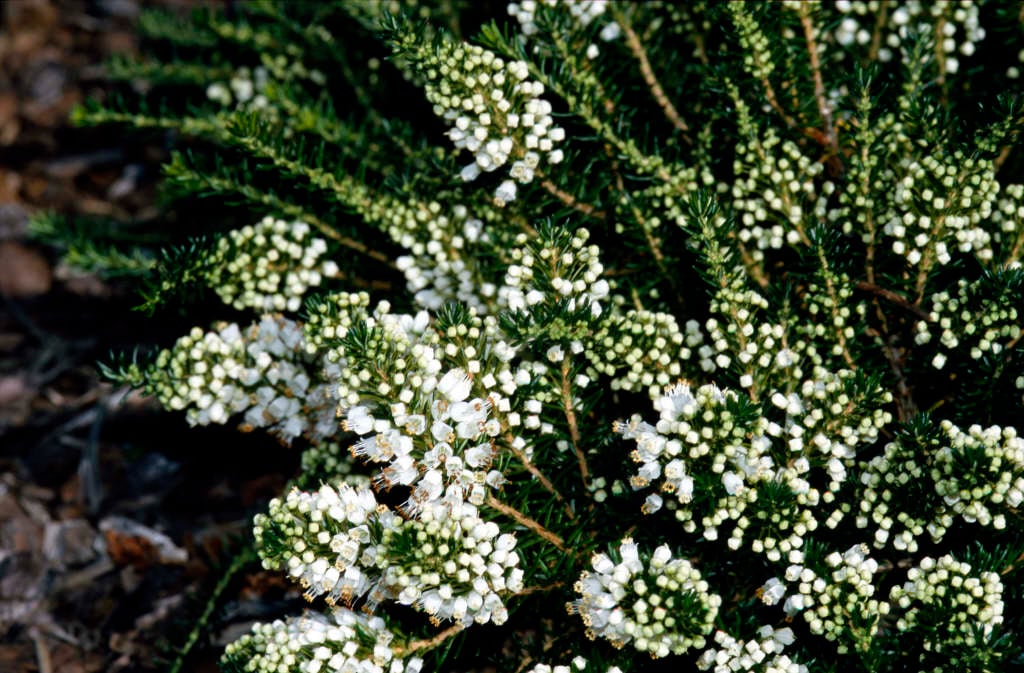
Erica vagans f. alba 'Kevernensis Alba'
Cornish heath 'Kevernensis Alba'
- Height
- 0.1–0.5 metres
- Width
- 0.1–0.5 metres
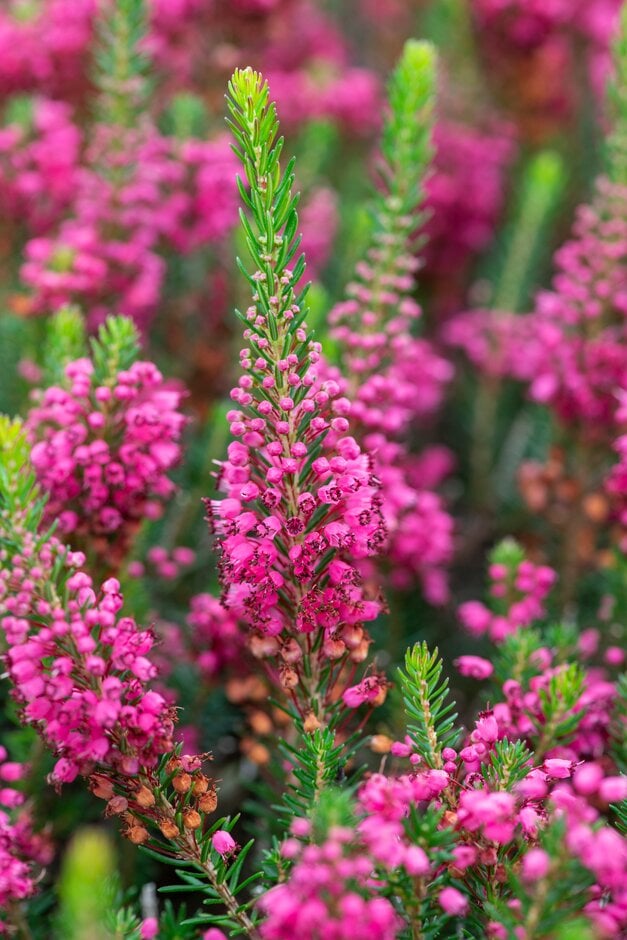
Erica vagans 'Mrs D.F. Maxwell'
Cornish heath 'Mrs D.F. Maxwell'
- Height
- 0.1–0.5 metres
- Width
- 0.1–0.5 metres
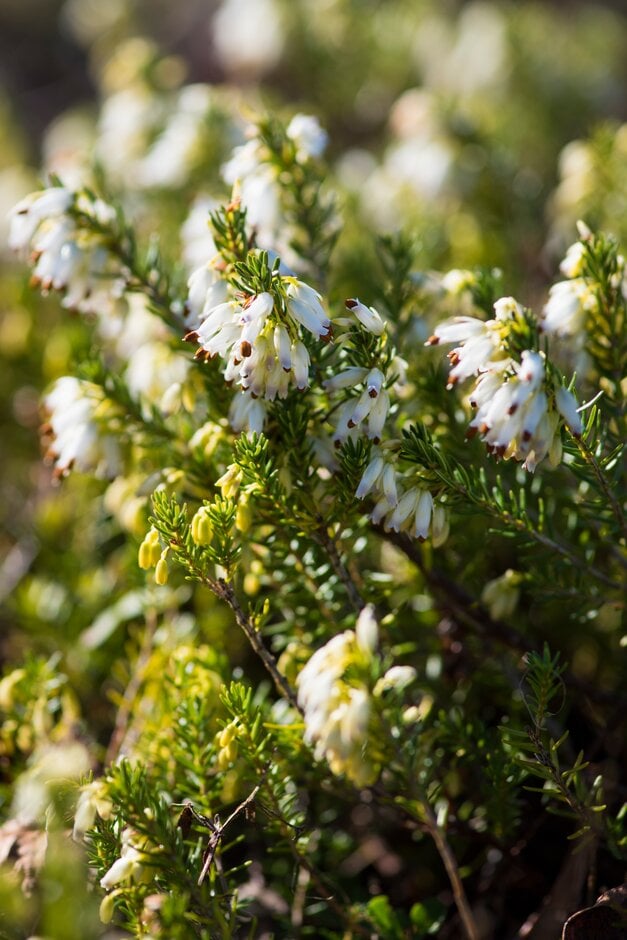
Erica carnea f. alba 'Springwood White'
heather 'Springwood White'
- Height
- 0.1–0.5 metres
- Width
- 0.1–0.5 metres
x of x
Showing
x to x
of x