Shutterstock
 Appearance
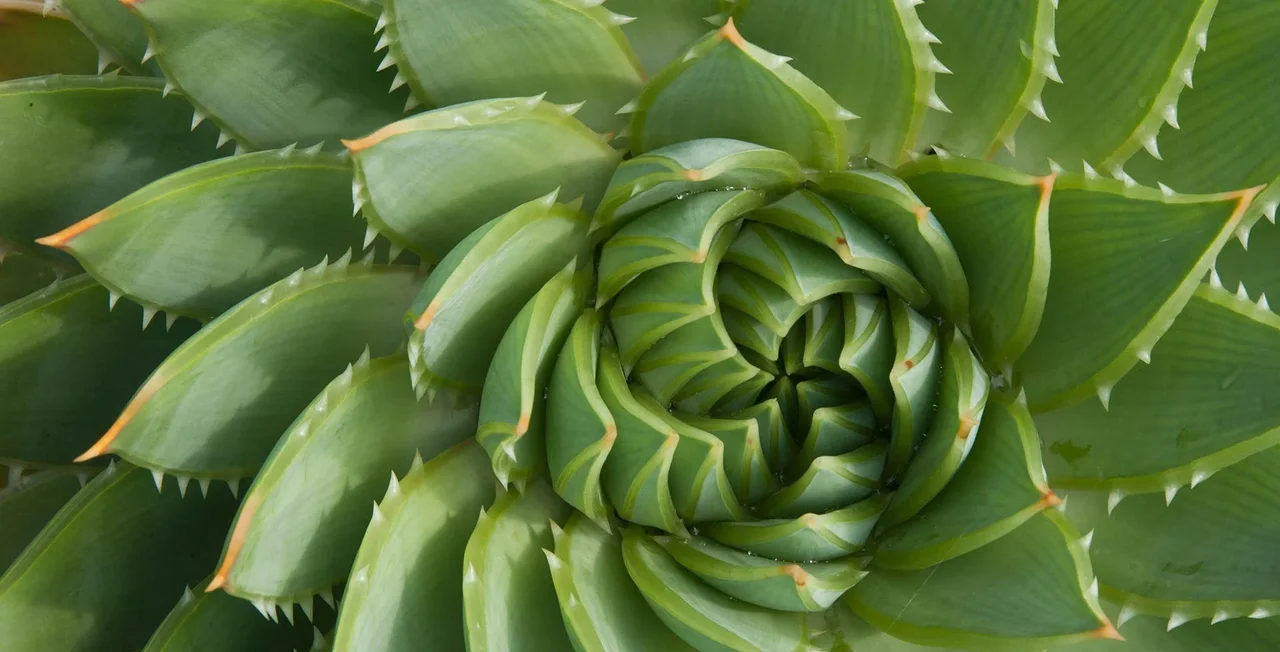
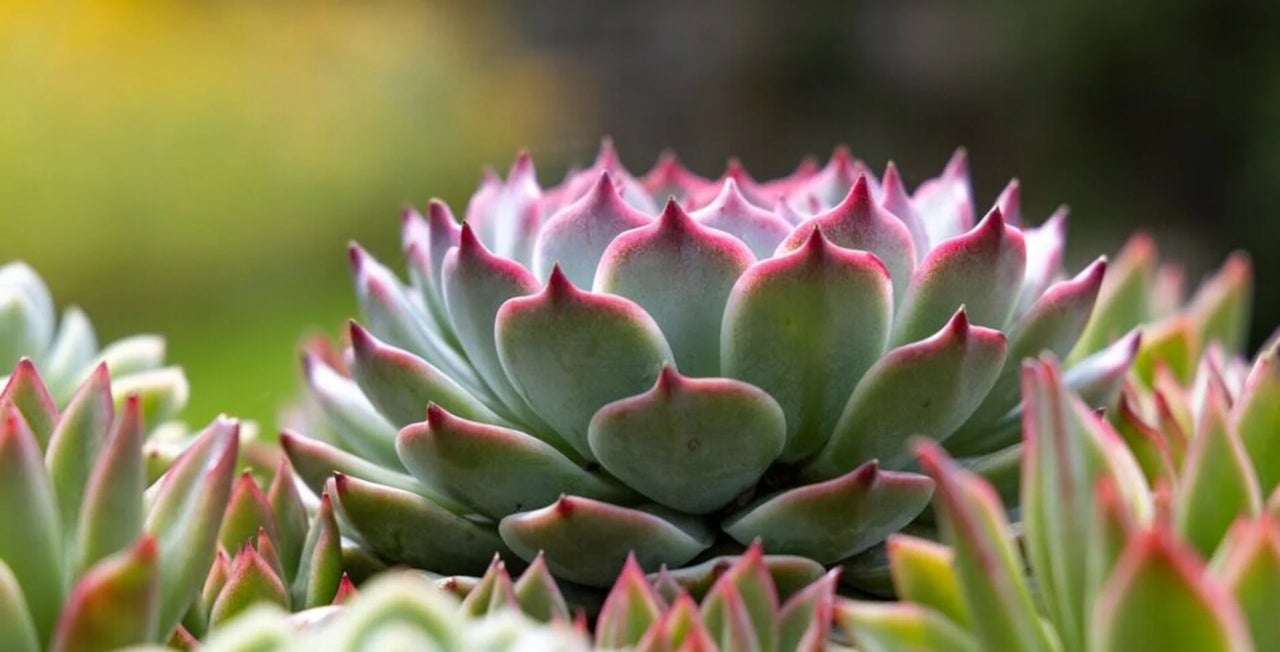
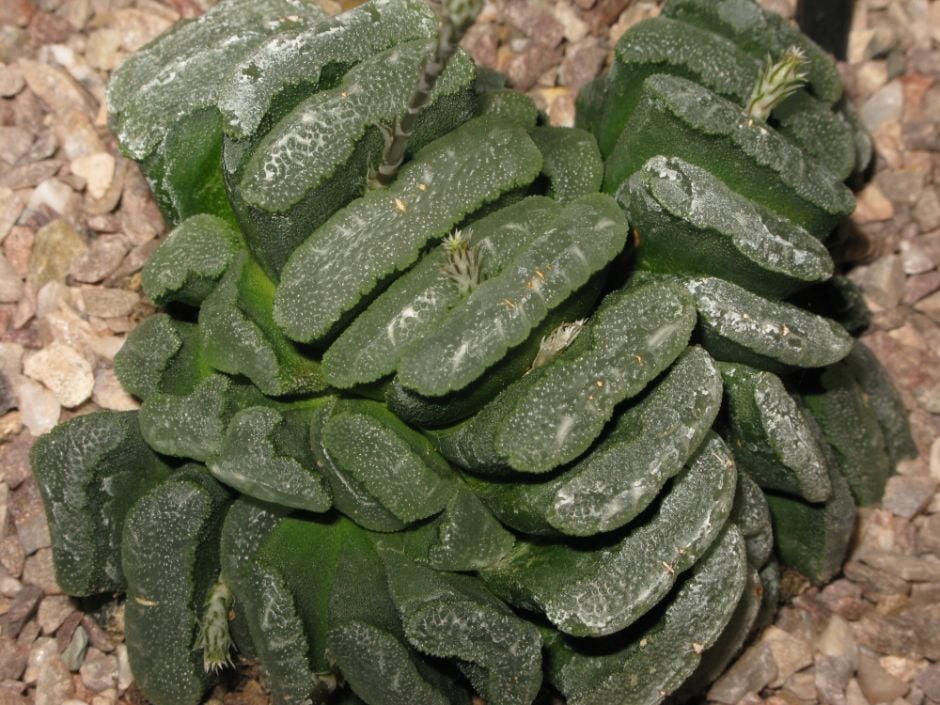
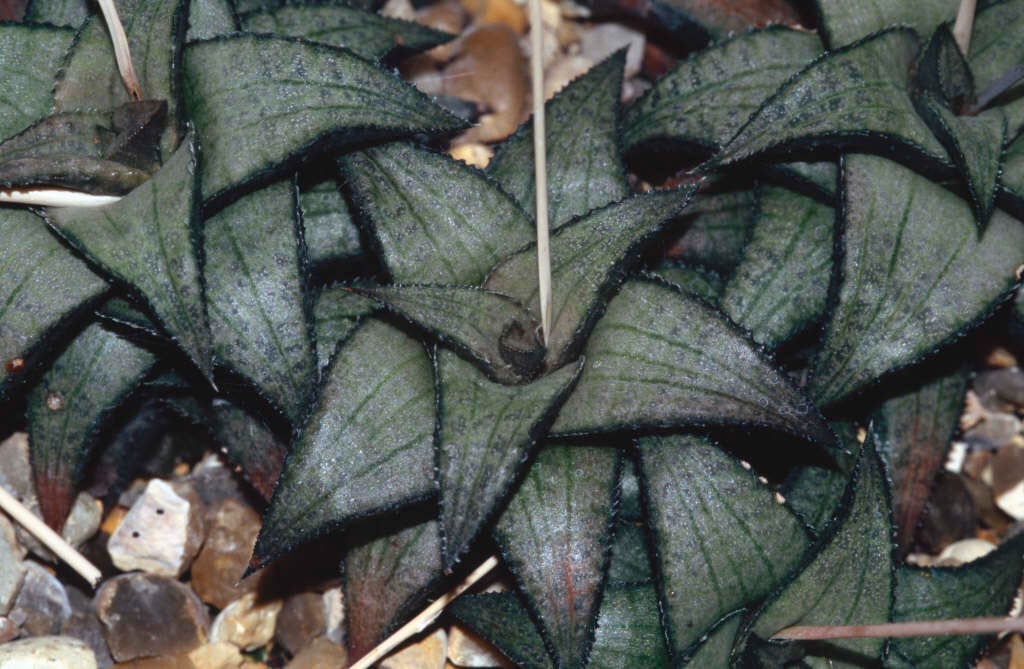
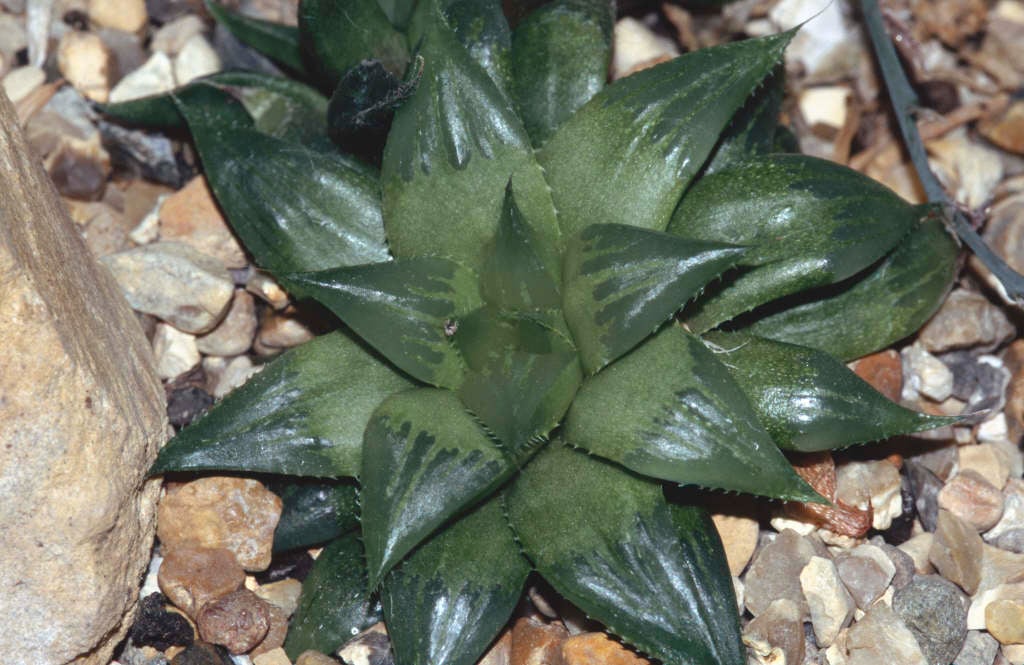
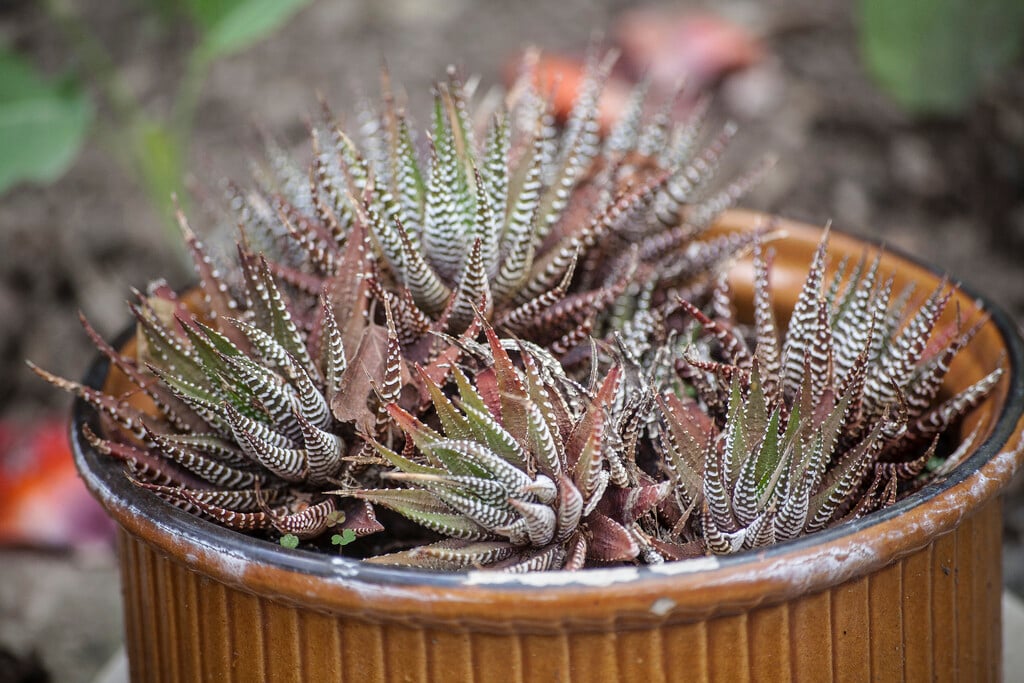
Haworthias usually grow as small rosettes of succulent leaves, which are often boldly striped or spotted with white. They can be solitary plants or form clumps, depending on the species. Some, such as Haworthia cooperi, have translucent leaf tips, which evolved to allow them to photosynthesise even when partially covered by sand in their native habitat.
Preferences
Position in bright, indirect light and water sparingly, only when the compost is approaching dryness. Haworthias grow best at 10–26°C (50–80°F), during winter they need a dormant period, with cool conditions and only occasional, light watering – just enough to prevent leaf loss or shrivelling. Plant them in peat-free cactus compost.
Dislikes
Haworthias tend to rot if watered too much or left sitting in damp compost, especially in winter when they need a dormant period with cooler, drier conditions. If not allowed a winter rest, they’ll form thin, weak growth that will spoil the shape of the plant. Fluoride in tap water can cause leaf damage, so use rainwater or filtered water if possible. Always keep above 10°C (50°F).
Did you know?
Clump-forming haworthias are easy to propagate – simply separate some of the smaller rosettes around the outside and pot up individually to increase your collection or give to friends.
RHS Growing Guide
FREE
Read our comprehensive free RHS Growing Guide:
How to grow houseplant cacti and succulents

Introducing Haworthia
x of x
Showing
x to x
of x