Appearance
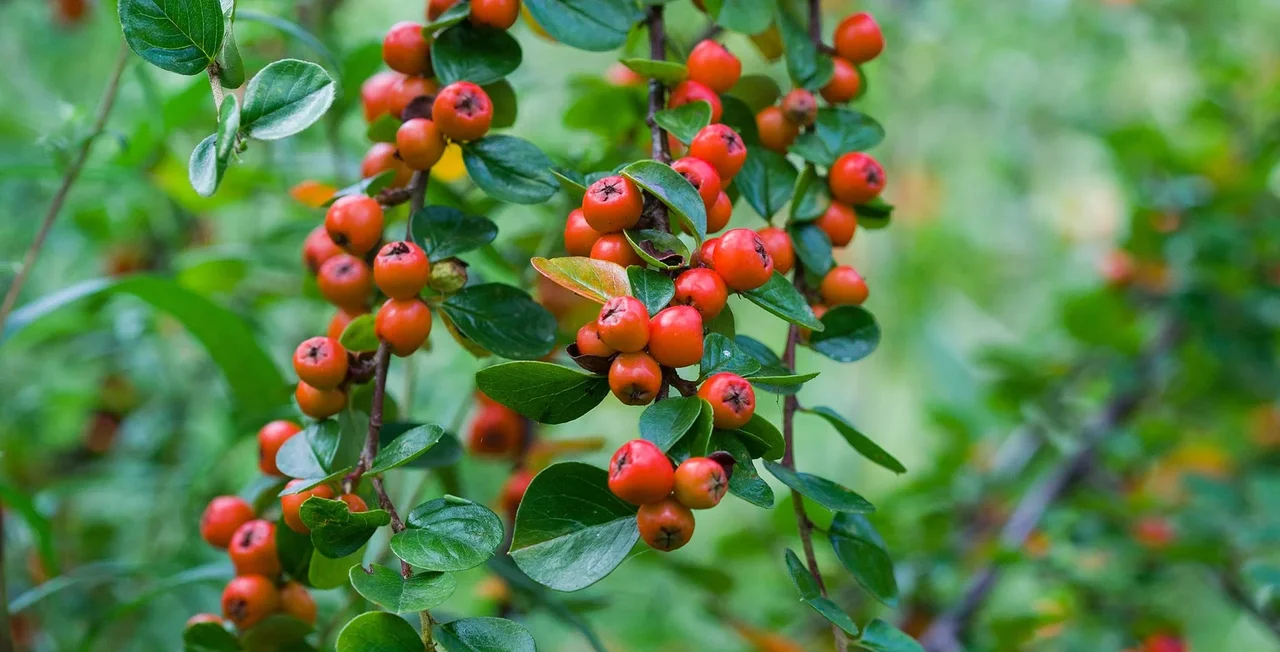
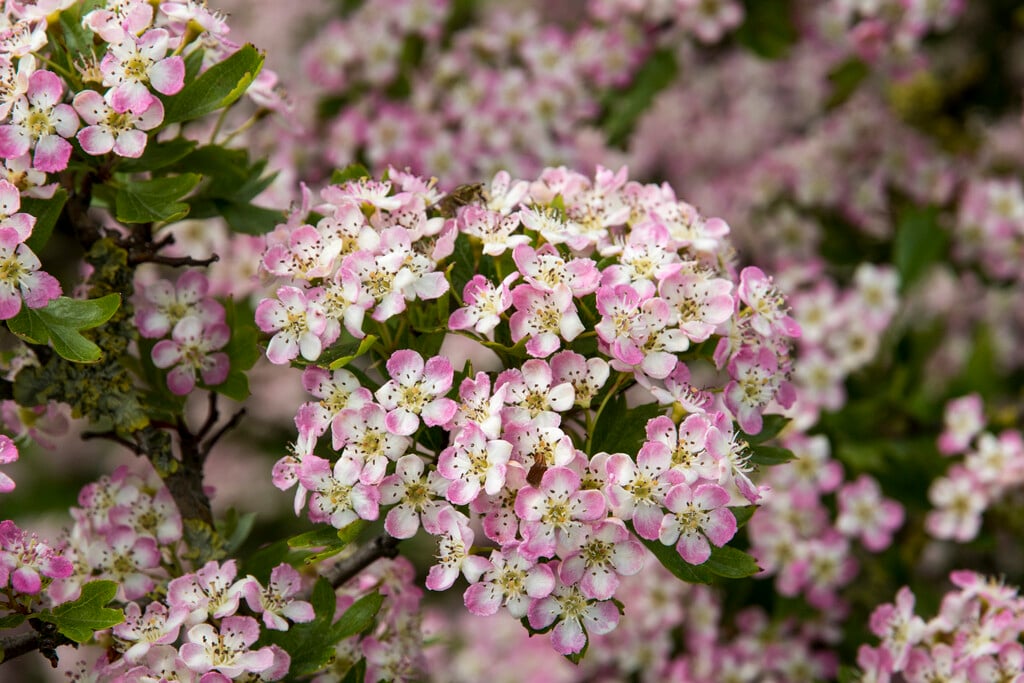
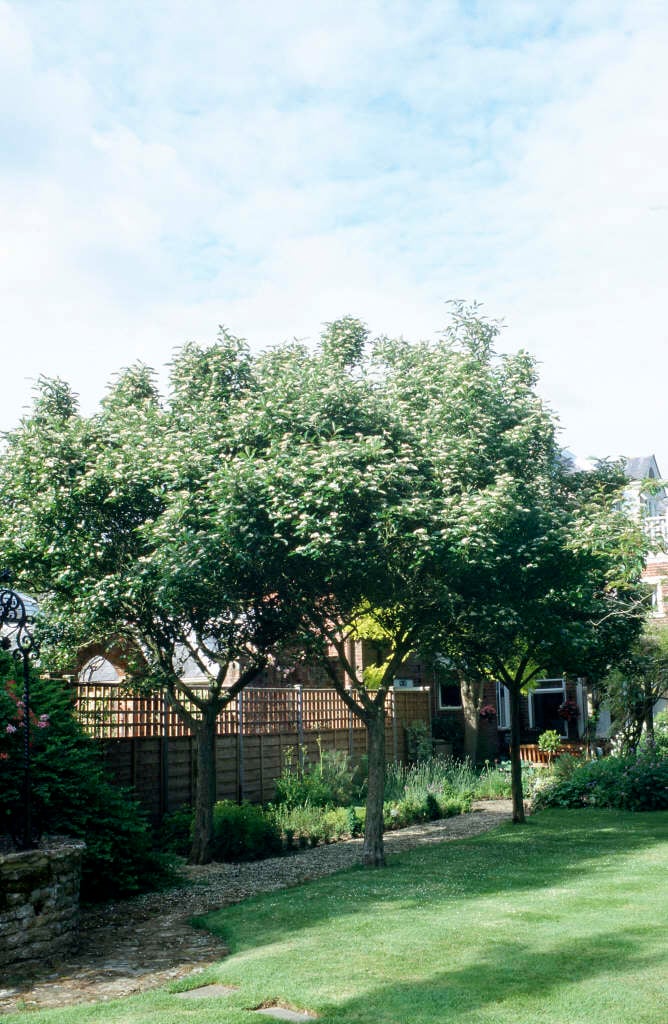
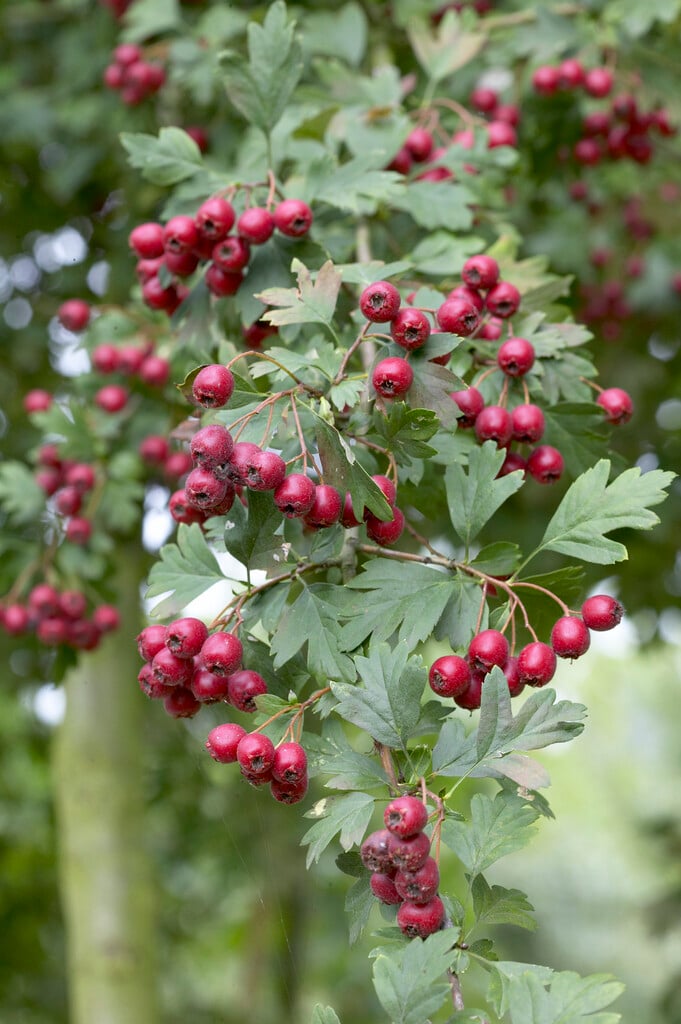
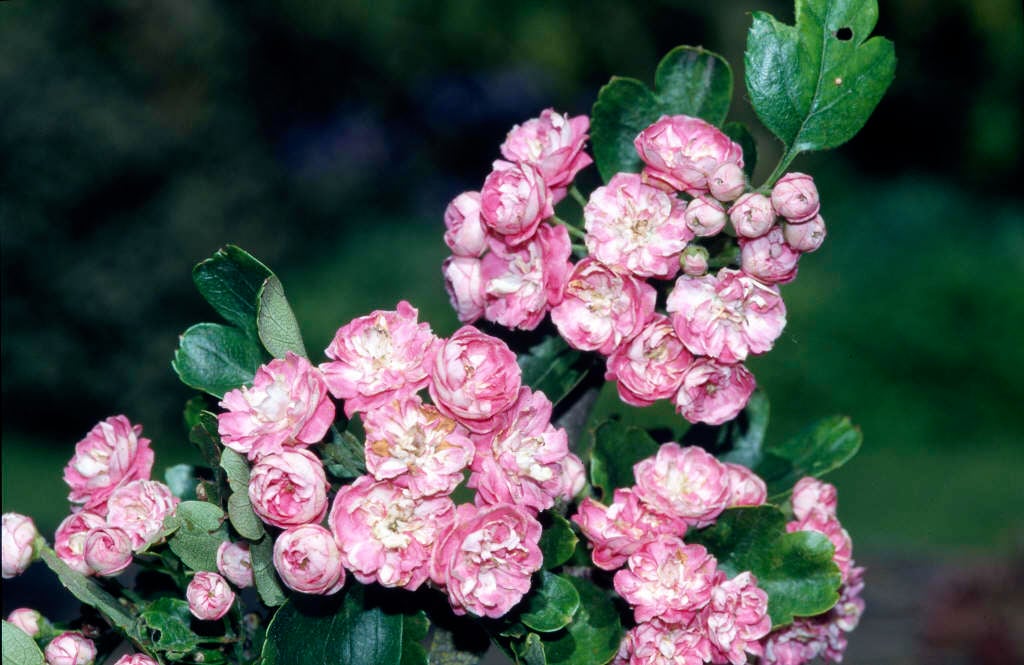
Mature specimens are medium sized trees with pendulous branches along which clusters of small, cup-shaped white or pink-red flowers emerge in spring. Red or orange, elongated berries follow in autumn, often persisting through winter. With dense thorny branches, they also make an excellent hedging plant.
Preferences
Hawthorns will grow in most soil types, in sun or light shade. They are tolerant of exposed sites and urban pollution.
Dislikes
Hawthorns do not do well in permanently waterlogged soil and will not flower in deep shade.
Did you know?
The old English saying ‘Ne'er cast a clout till May be out’ is believed to mean – you shouldn't remove warm clothing (clout) until hawthorn (also known as May) is flowering. Some people believe it refers to the month of May; either interpretation reminds us how changeable UK weather can be in late spring.
RHS Growing Guide
FREE
Read our comprehensive free RHS Growing Guide:
How to grow hawthorn
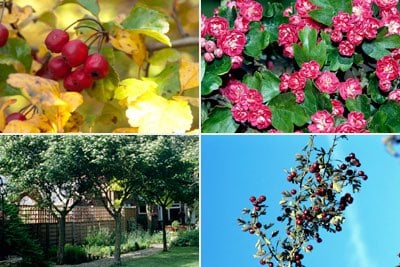

Introducing Hawthorn
Crataegus × lavalleei 'Carrierei'
hybrid cockspur thorn 'Carrierei'
- Height
- 4–8 metres
- Width
- Wider than 8 metres
x of x