RHS
RHS Appearance
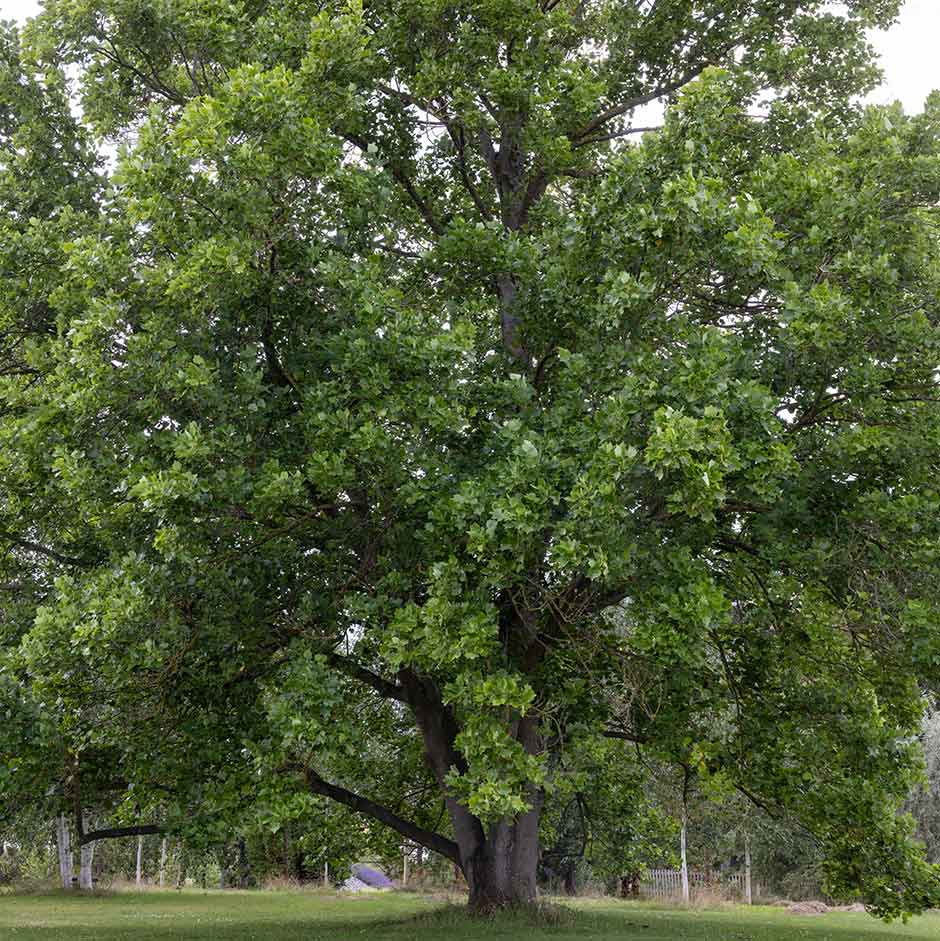
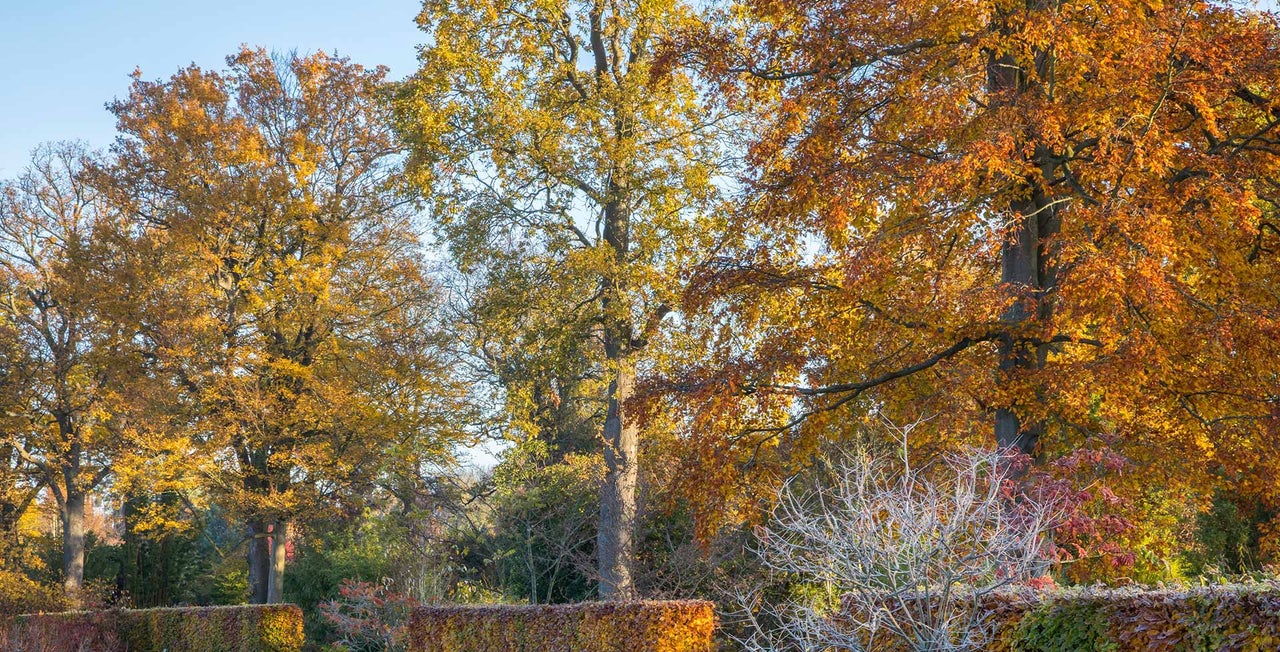
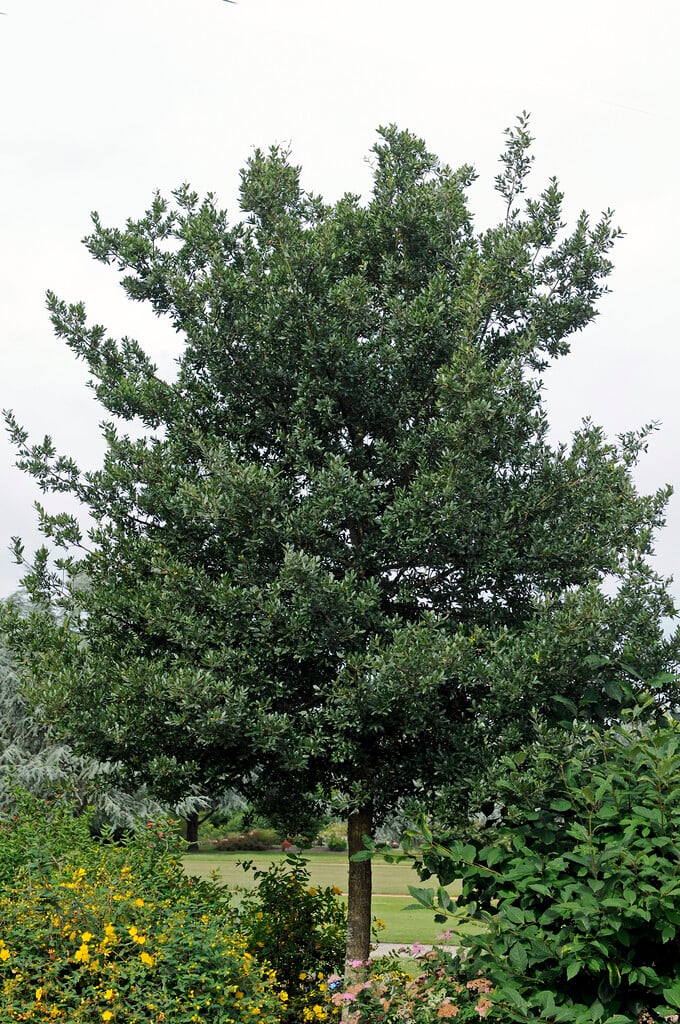
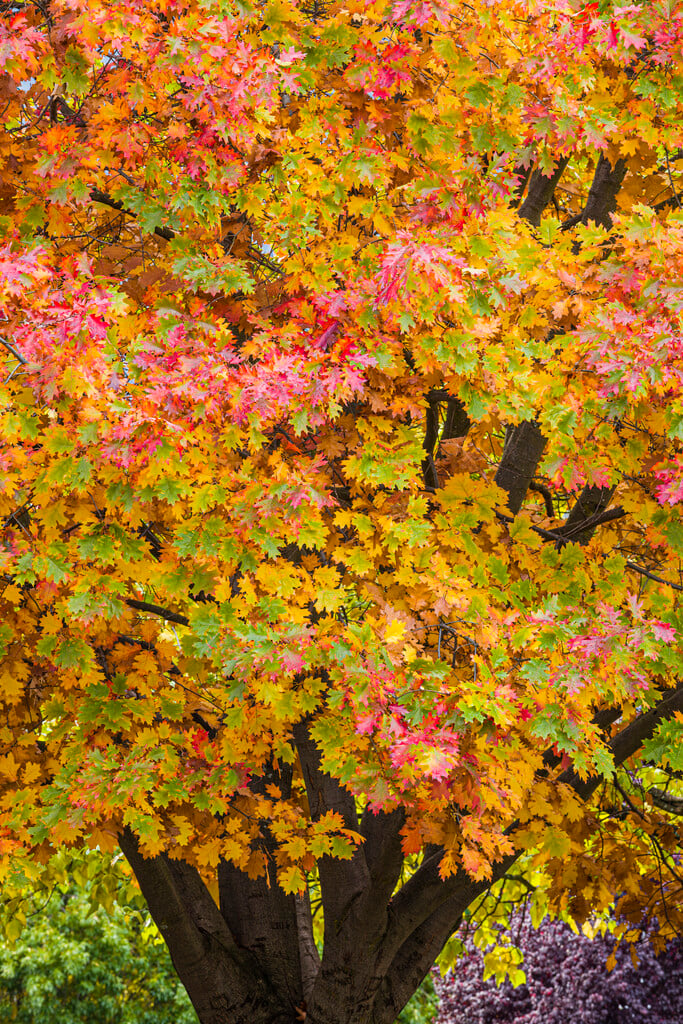
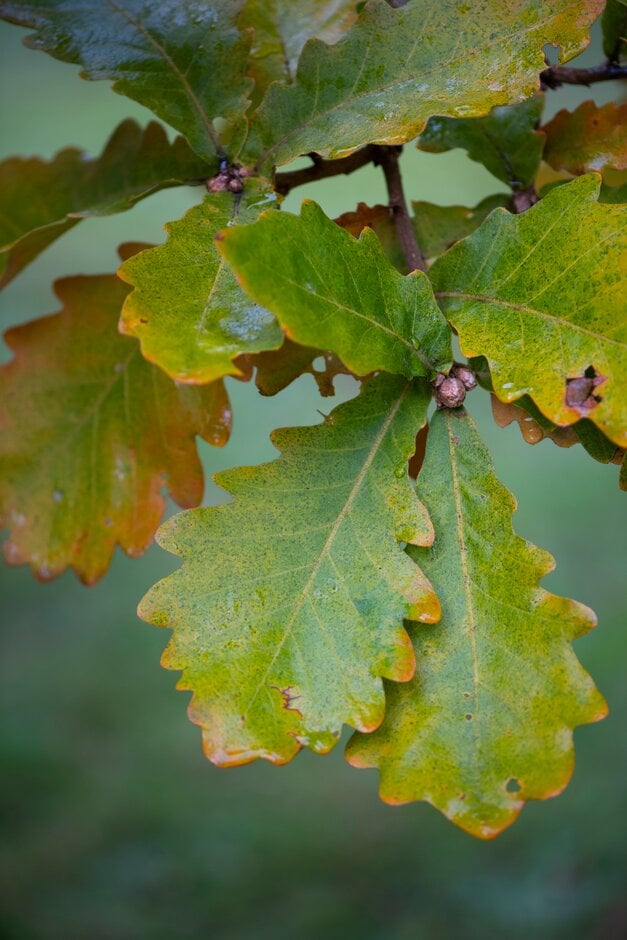
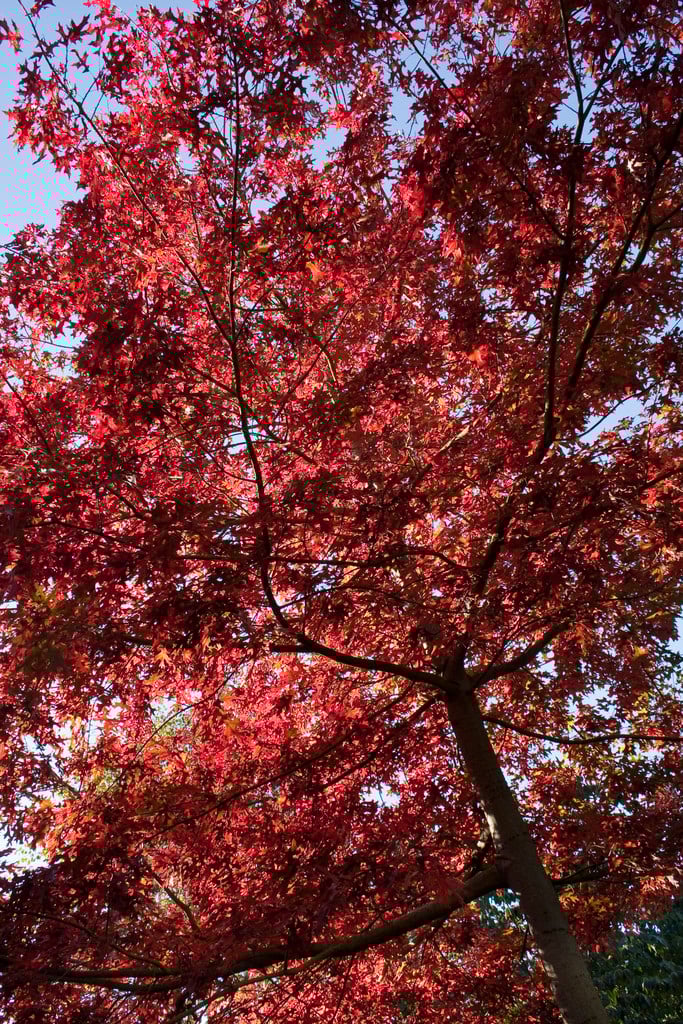
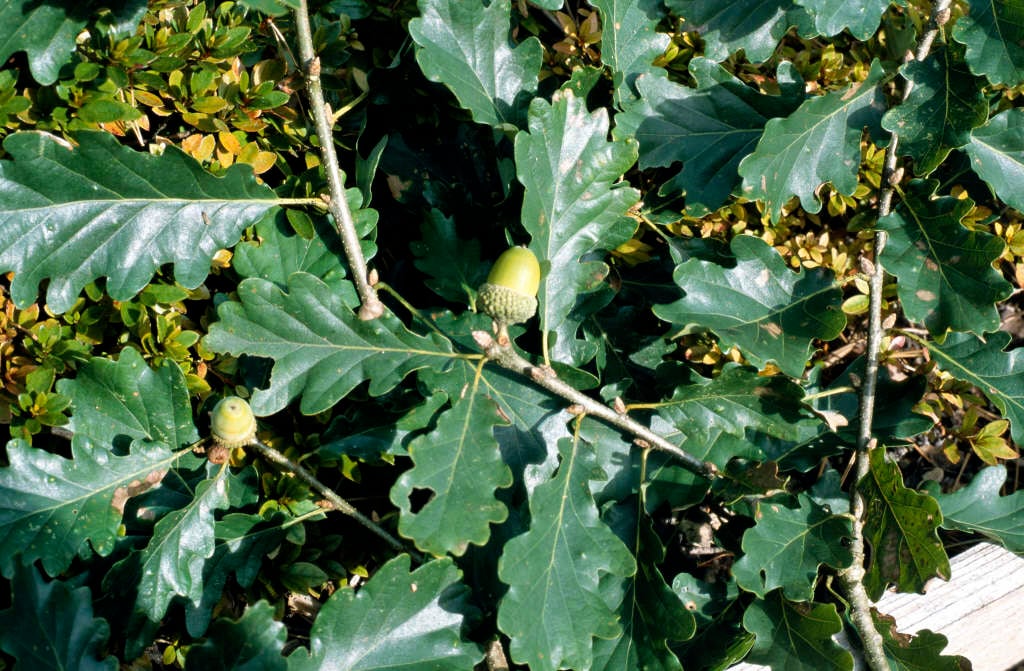
Oaks typically have a broad, rounded crown with lobed, toothed or smooth-edged leaves. Many are deciduous, with brilliant autumn colour in shades of gold, russet or scarlet. Quercus palustris ‘Green Dwarf’ is small enough for an average garden, while the evergreen holm oak Quercus ilex, makes a good hedge or windbreak.
Preferences
Oaks generally prefer well-drained, fertile soil and full sun, though some will tolerate heavier clays. Young trees benefit from shelter from strong wind but, once established, oaks are highly resilient and drought tolerant.
Dislikes
They dislike waterlogged soil and poor drainage. Urban pollution and compacted soils, for example caused by parking nearby, can also hinder growth, especially in newly planted trees.
Did you know?
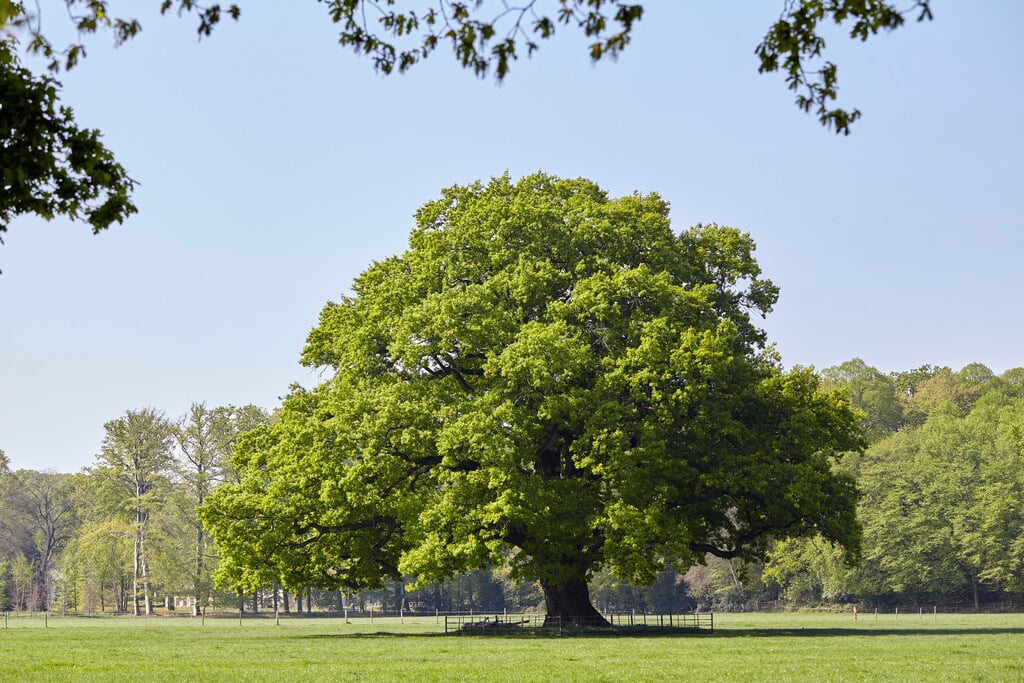
The common – or what we like to think of as English – oak, can live for over 1,000 years. This contributes to their extraordinary ecological value with over 2,300 species of wildlife associated with oak trees, both above and below ground, in the UK alone.
RHS Growing Guide
FREE
Read our comprehensive free RHS Growing Guide:
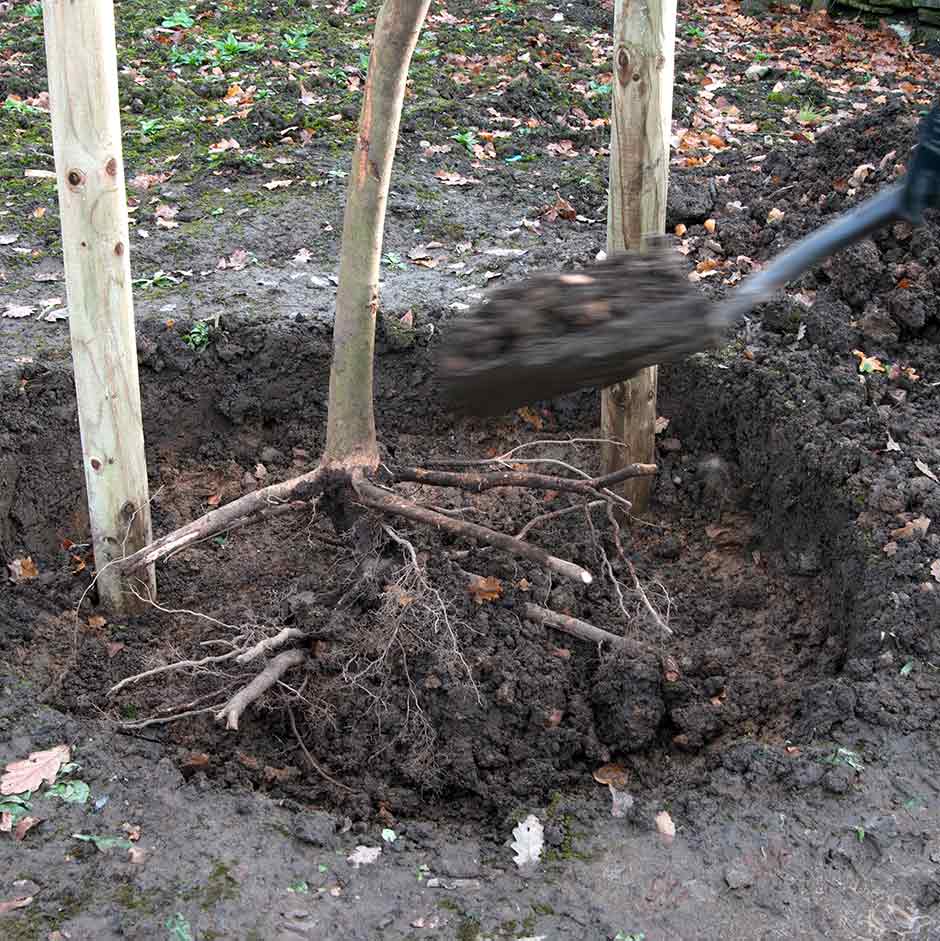
How to grow trees

Introducing Oak
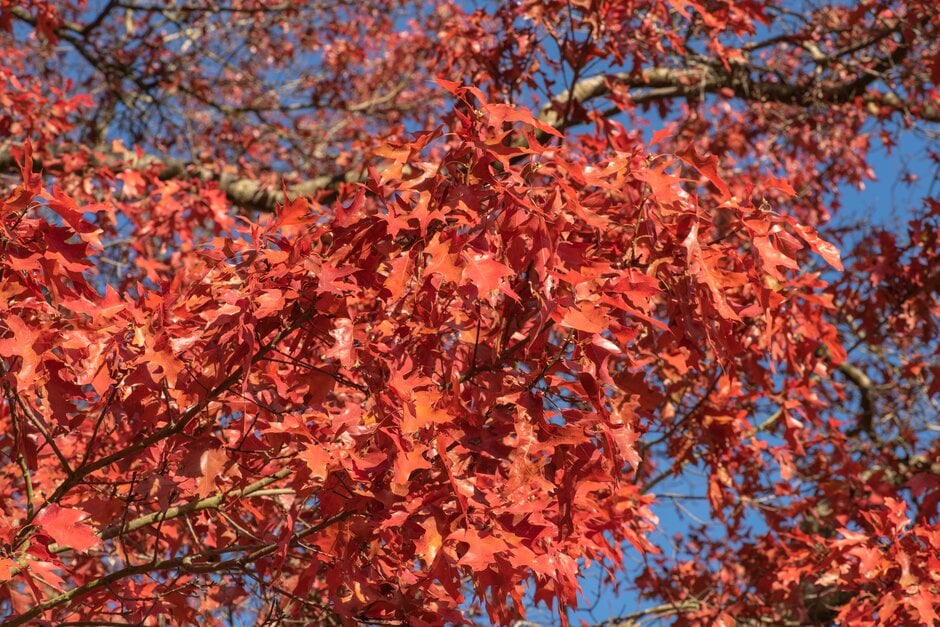
Quercus coccinea 'Splendens'
scarlet oak 'Splendens'
- Height
- Higher than 12 metres
- Width
- Wider than 8 metres
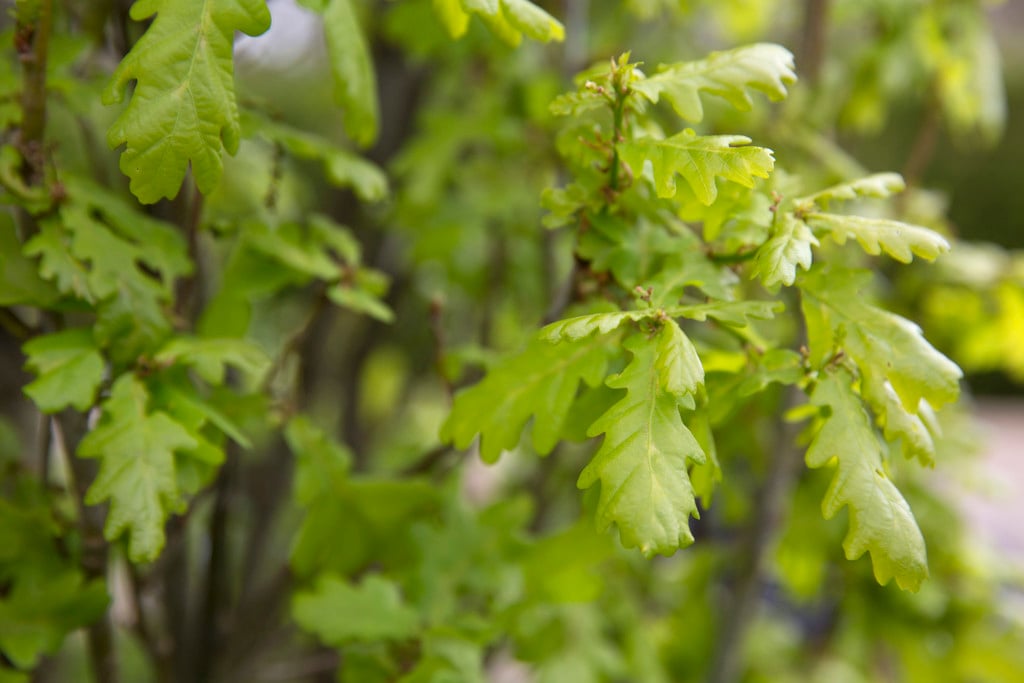
Quercus palustris [Green Pillar] ('Pringreen')
pin oak [Green Pillar]
- Height
- Higher than 12 metres
- Width
- 2.5–4 metres
x of x
Showing
x to x
of x