Quick Facts
Easy to grow
1
Flowers from summer through to late autumn
2
Best planted from March to mid-May
3
Penstemons thrive in a sunny position
4
Cut all stems down to low-growing shoots in mid to late March
5
Water in very dry spells
6
Propagate by making cuttings in summer or early autumn
7


Before you get started
Choosing penstemon
If you have well-drained soil and sunny places to plant them, penstemons are the perfect plants for your garden.
When choosing the right penstemons for you, bear the following things in mind:
- How hardy do you need your penstemon to be? Choose according to your local conditions. Some penstemons are hardier than others. As a general guide, the thinner the leaves the hardier the penstemon. We've also made it easier by offering these lists of penstemon by hardiness.
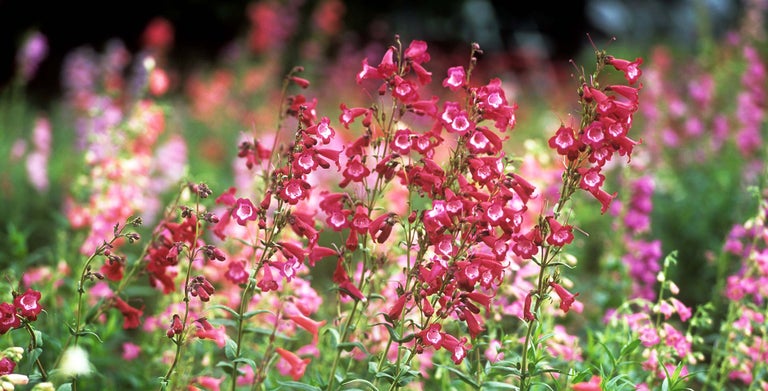
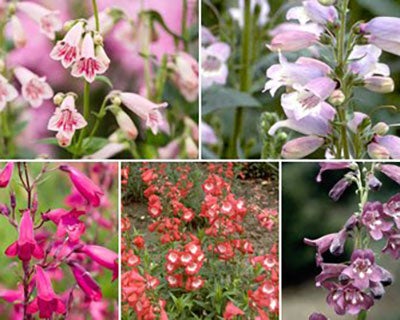
- What flower colour do you want? Flower range from whites, through pale pinks, dark pinks, purples and reds. There are plenty of two-tone cultivars as well
- Would you like your penstemon to contrast or complement the other flower colours in the border? Go for those that suit the neighbouring plants or try our Find a Plant tool to select plants to go with your penstemons
Buying penstemons
Buy plants in 9cm (3½in) pots or 2-litre containers; both will establish and flower in the first summer. The choice is great and they are widely available in garden centres, nurseries and online.
Planting
When to plant penstemons
March to mid May is an ideal time to plant; the soil will be warming up in spring, the roots will quickly settle in, and the plants start putting on growth. If you miss this time, don’t worry, you can plant container-grown plants anytime from March to October, as long as the soil is not too dry or you water to keep it moist.
Where to plant penstemons
In garden borders:
Choose a sunny position with more than half a day of full sun in spring and summer
- Allow 45cm (18in) between plants.
- Plant in a sheltered position with well-drained soil, out of cold winds. Some penstemons tolerate temperatures down to -10°C (15°F) in good positions like this.
In containers
You can also grow penstemons in containers.
How to plant Penstemons
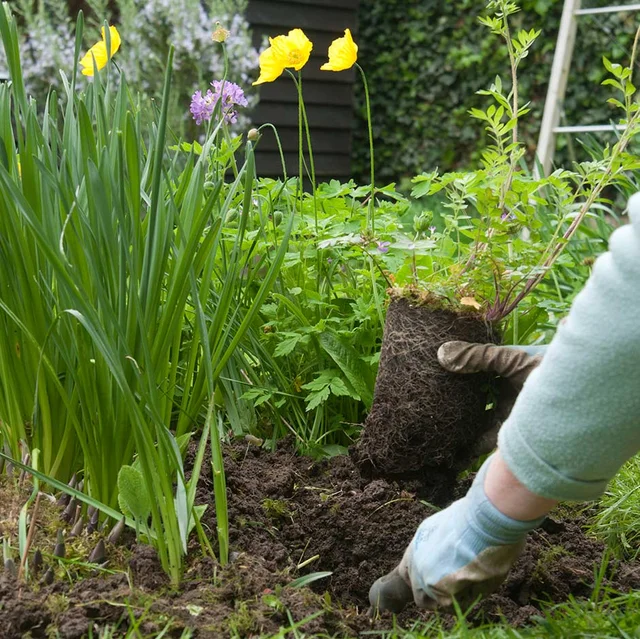
Penstemons are easy to plant - see our guide to planting perennials.
Growing specialist penstemons
There is a small group of alpine penstemons that you may find in specialist nurseries. These are usually sold in 9cm (3½in) pots and require a sheltered, sunny position and very well-drained soil. Grow these in gravel gardens, rock or crevice or scree gardens. This group particularly dislikes winter wet, so you may need to erect a perspex cover over your plants; or grow them in a or unheated greenhouse. In containers, use a gritty mix: peat-free John Innes No. 2 with 30 per cent horticultural grit by volume added.
Ongoing Care
Watering
Water well until plants are established. Aim to water well and occasionally, rather than a little and often. You shouldn’t need to water well- in medium to heavy soils, but plants growing in light, free-draining soils might need watering every two weeks in prolonged dry spells. The aim would be to keep the soil just moist.
If you have planted penstemons into containers, water until it comes through the drainage hole, then leave until the soil is dry at a depth of about 2.5cm (1in) before watering again. A saucer placed under the pot will reduce the amount of watering needed.
Feeding
Mulching plants in borders with well-rotted manure or garden each spring should be sufficient. Penstemon are not very hungry plants in the open garden, but in containers would appreciate an application of a general purpose balanced fertiliser such as Growmore in spring.
Deadheading
Remove spent flower spikes as blooms fade to help encourage a long season.
Overwintering
Hardy penstemons in the open ground should not need any protection. You may want to take cuttings of the more tender cultivars to overwinter in the protection of a greenhouse or coldframe.
In containers
If more than a day or two of freezing temperatures are forecast, wrap containers with a couple of layers of bubble plastic to protect the roots.
Caring for older plants
After about five years, penstemons often need replacing as they become woody and flower less well. Propagating from cuttings means you always have younger ones coming on.
Pruning and Training
Penstemons can become woody and leggy if they are not pruned hard annually. It’s quite straightforward to do:
- In autumn, cut back plants by about a third, leaving enough foliage to provide winter protection. This helps limit and looks tidy
- In April or May, check plants for new shoots at the base or along the stems. Cut down to just above these lowest shoots
Propagating
Take semi-ripe cuttings 5-10cm (2-4in) long in trays and pots of peat-free cutting in summer or early autumn. This is the easiest way to propagate penstemons.
If you take in early summer, they could be flowering by the end of the season.
Sowing seedis also worthwhile – the are often similar but not identical to the parent plant. Sow in spring in a with the thermostat set to 15°C (60°F).
Problems
Generally penstemons are trouble-free, but powdery mildew and frost damage are sometimes problematic.