Appearance
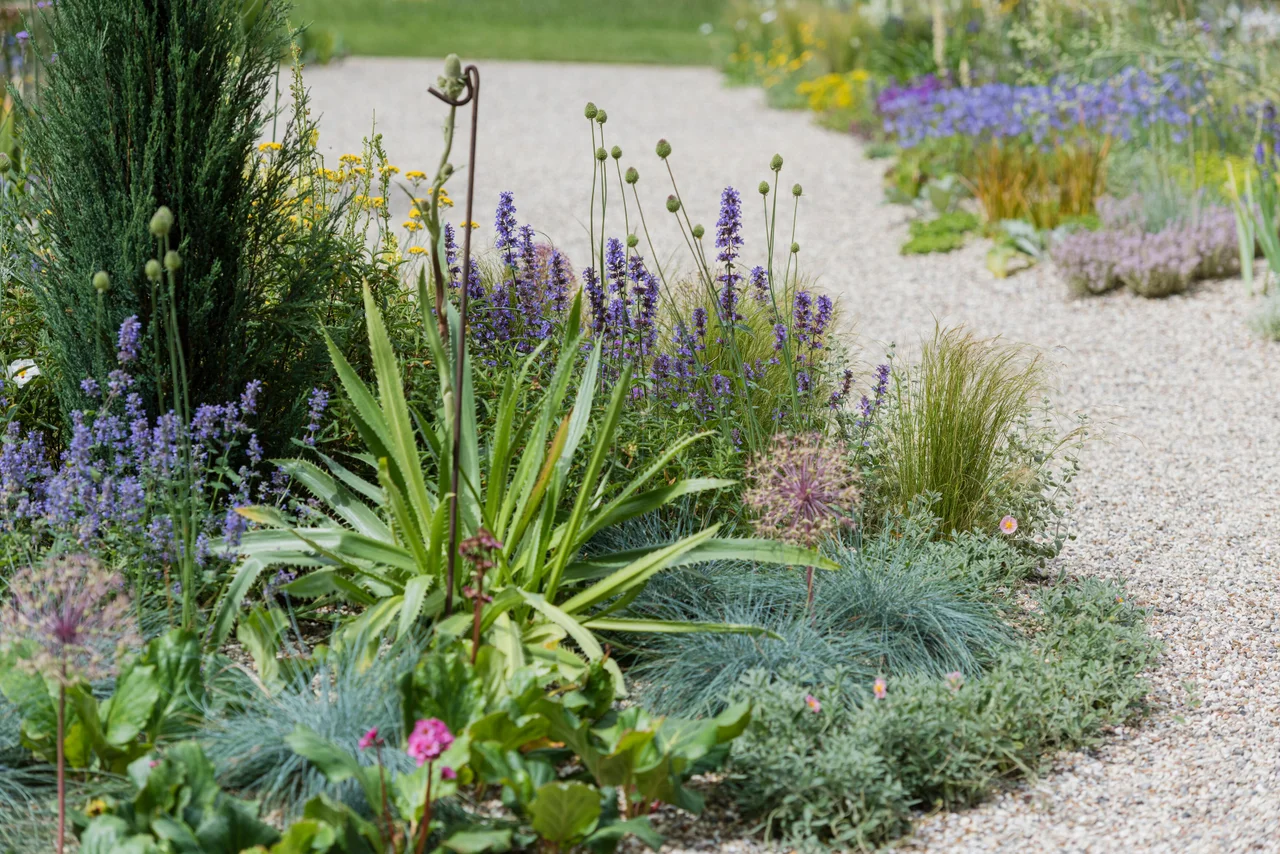
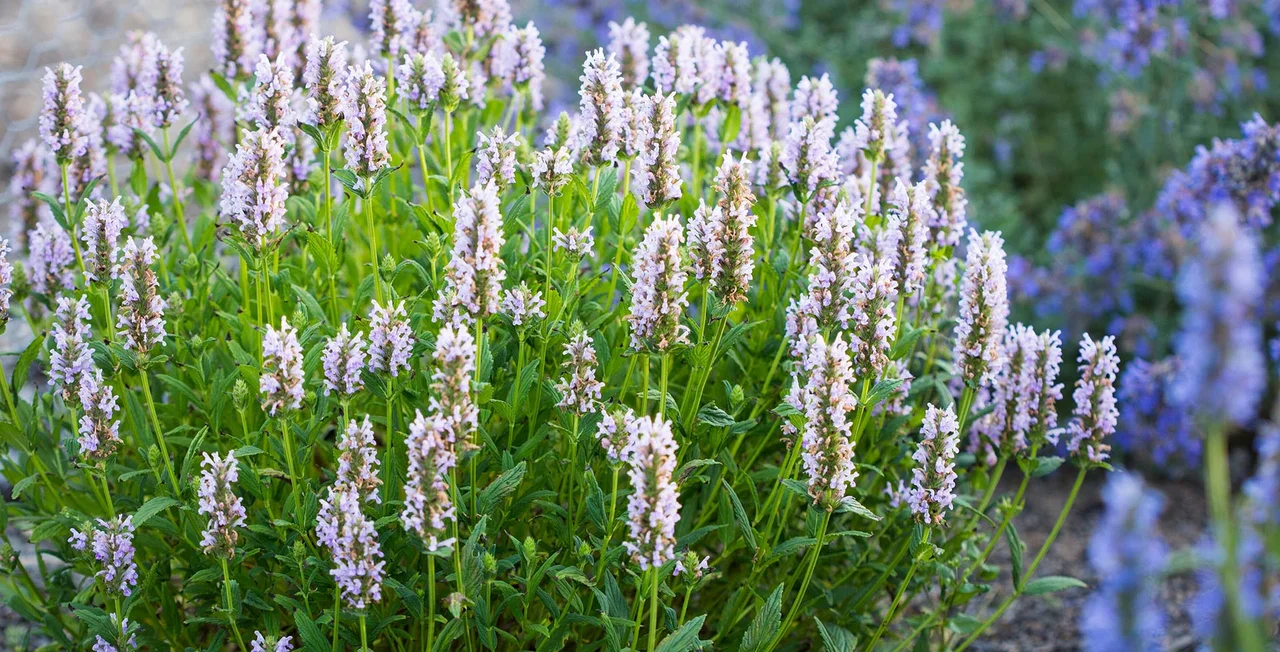
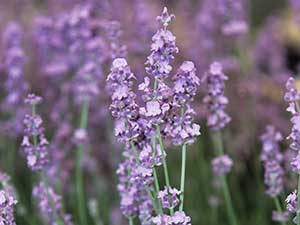
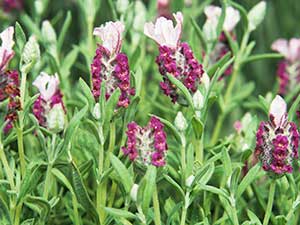
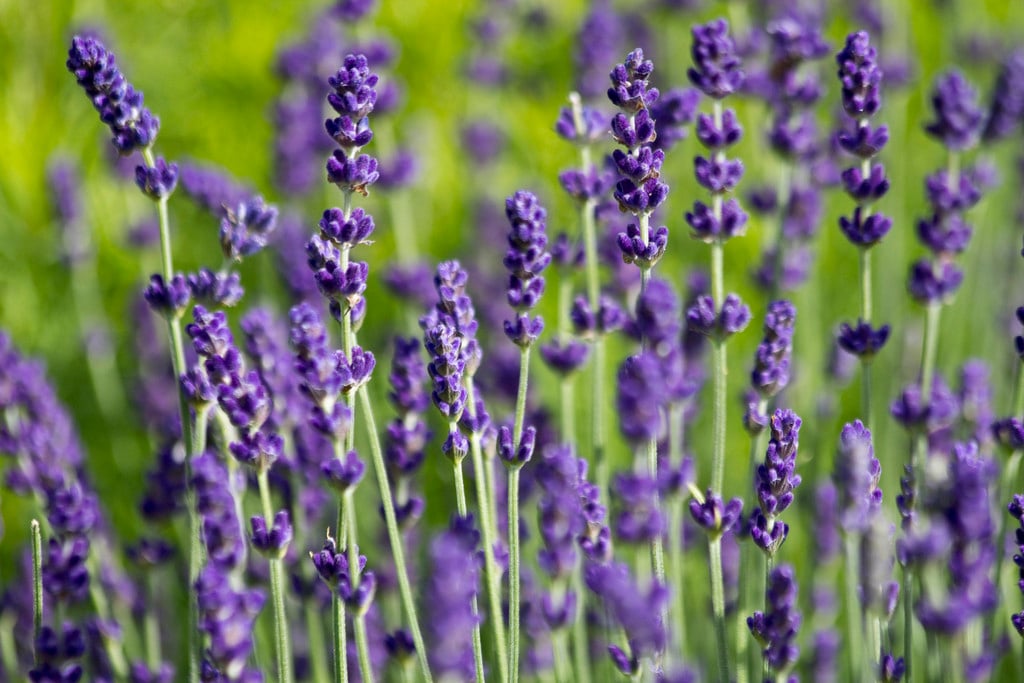
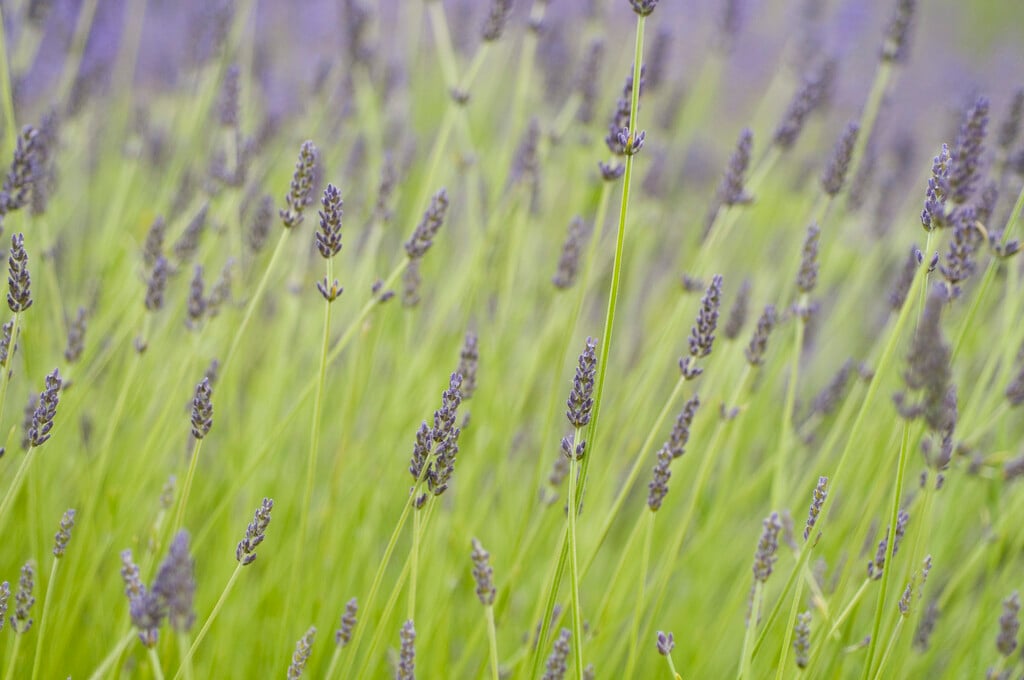
Aromatic plants with masses of fragrant summer flowers, in colour shades of purples, blues, pink and white on wiry spikes above silver-grey or grey-green foliage.
Preferences
Lavender are happy in a sunny border with well-drained, chalky or sandy soil. They thrive in containers, herb and gravel gardens, and sunny balconies. They are popular for Mediterranean-style and coastal planting.
Dislikes
Lavender won’t tolerate shade, wet, freezing or heavy soils. Some of the less hardy ones will need to be under cover over winter where water is only needed occasionally to avoid rotting and grey mould. These less hardy ones include: L. canariensis, L. dentata, L. lanata and L. pinnata from areas including Portugal, Madeira and the Canary Islands.
Did you know?
Lavender honey is produced by busy bees. Lavender flowers can be used in cooking – in ice cream, biscuits and cakes. Lavender stems can flavour barbeques by adding them to the coals. Lavender oil is also commonly used in aromatherapy and perfumes.
RHS Growing Guide
FREE
Read our comprehensive free RHS Growing Guide:
How to grow lavender

Introducing Lavender
![English lavender [Miss Muffet]](/_image?href=https%3A%2F%2Fapps.rhs.org.uk%2Fplantselectorimages%2Fdetail%2FWSY0030209_3361.jpg&w=300&h=192)
Lavandula angustifolia [Miss Muffet] ('Scholmis')
English lavender [Miss Muffet]
- Height
- 0.1–0.5 metres
- Width
- 0.1–0.5 metres
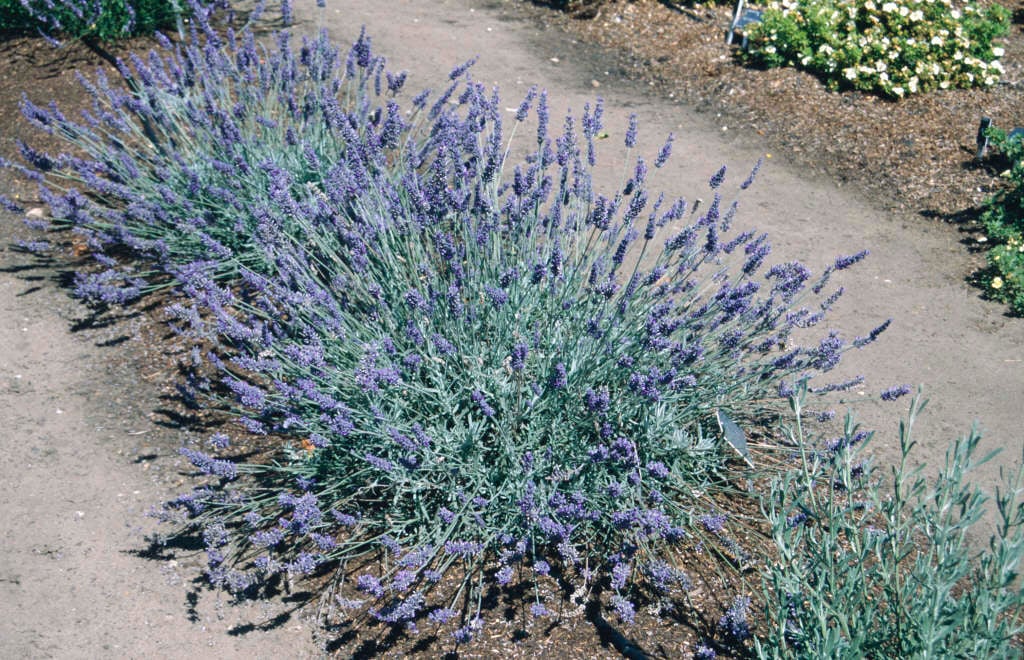
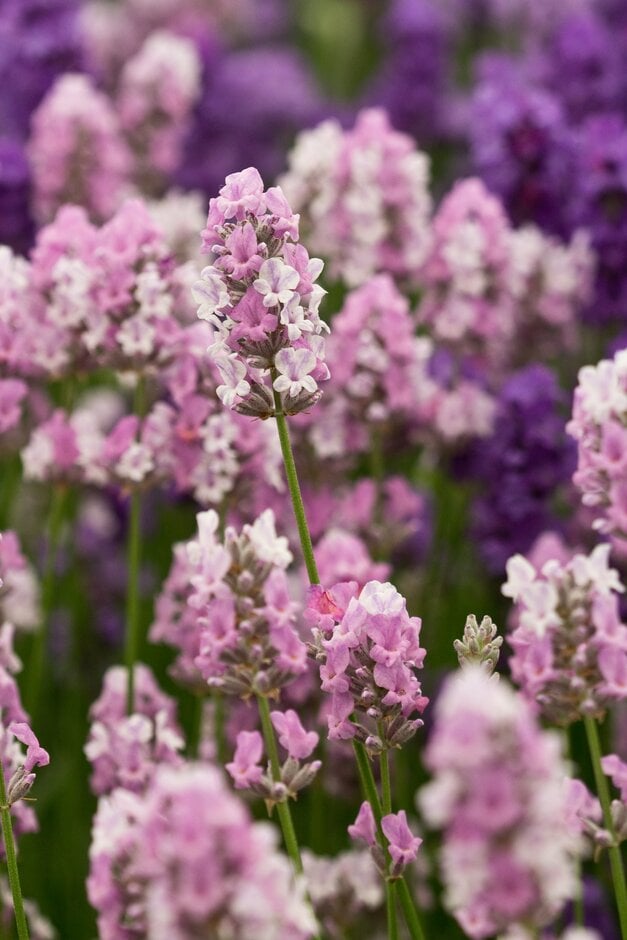
Lavandula angustifolia 'Miss Katherine'
English lavender 'Miss Katherine'
- Height
- 0.5–1 metres
- Width
- 0.5–1 metres
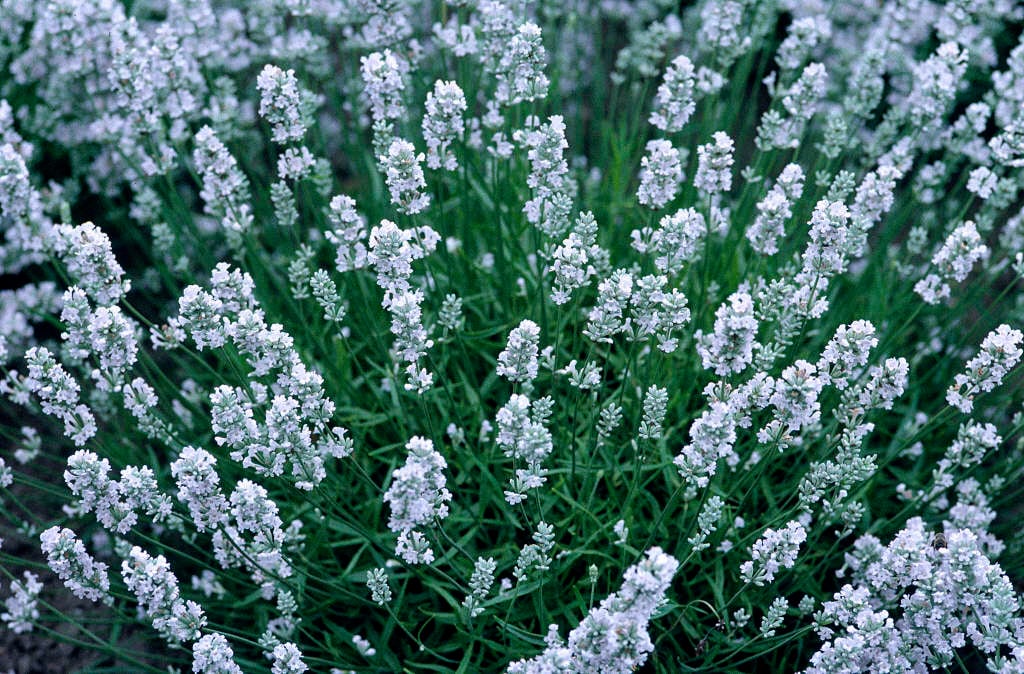
Lavandula angustifolia 'Nana Alba'
dwarf white English lavender
- Height
- 0.1–0.5 metres
- Width
- 0.1–0.5 metres
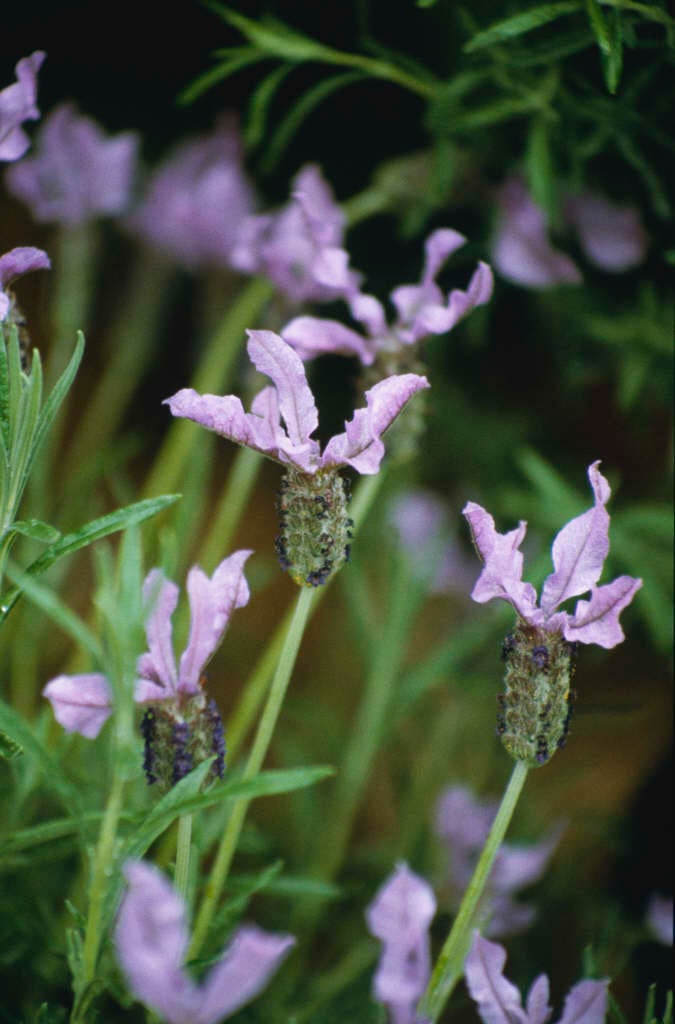
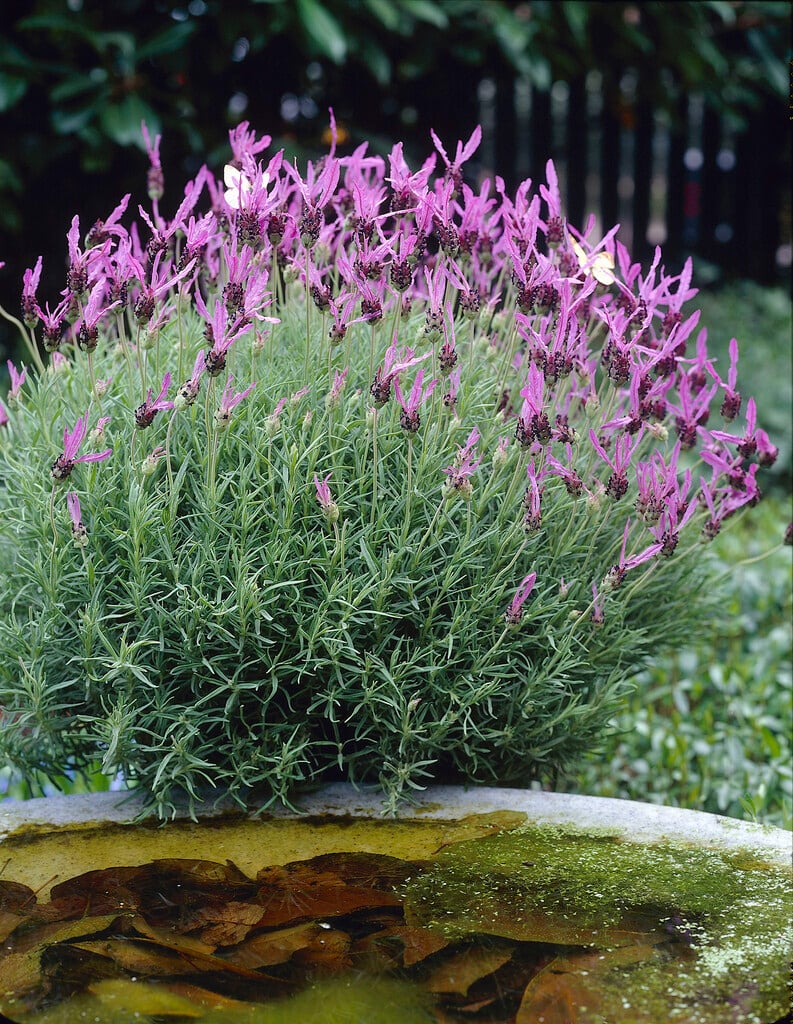
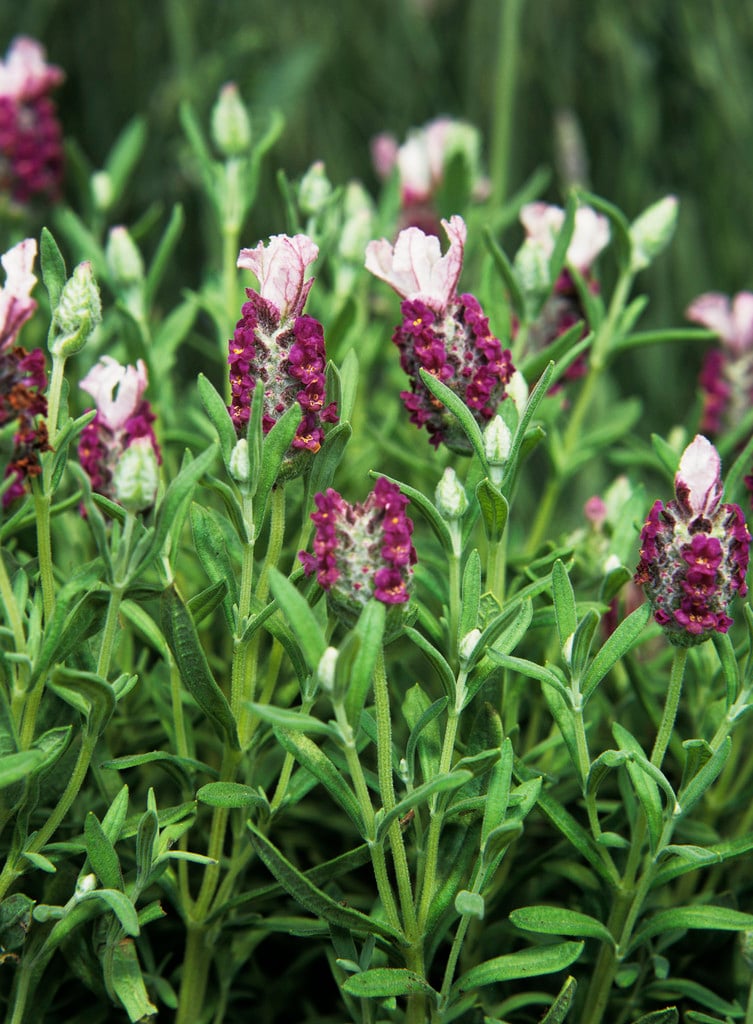
Lavandula stoechas subsp. stoechas f. rosea 'Kew Red'
French lavender 'Kew Red'
- Height
- 0.5–1 metres
- Width
- 0.5–1 metres
x of x
Showing
x to x
of x