RHS/Joanna Kossak

Appearance
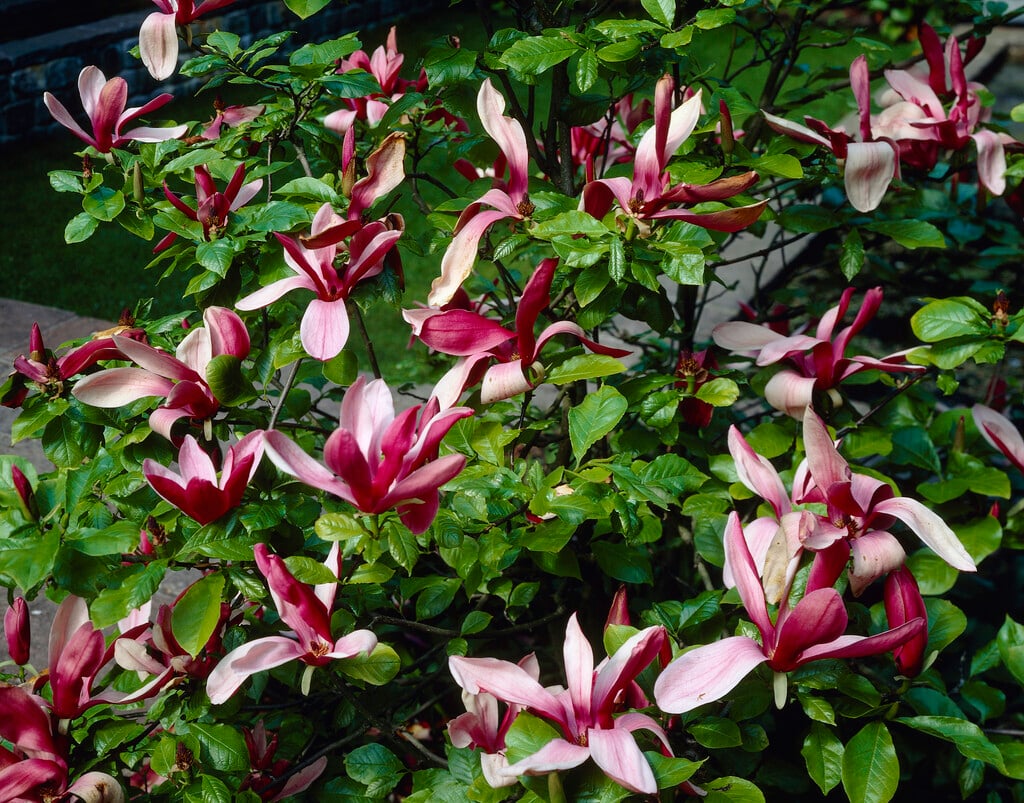
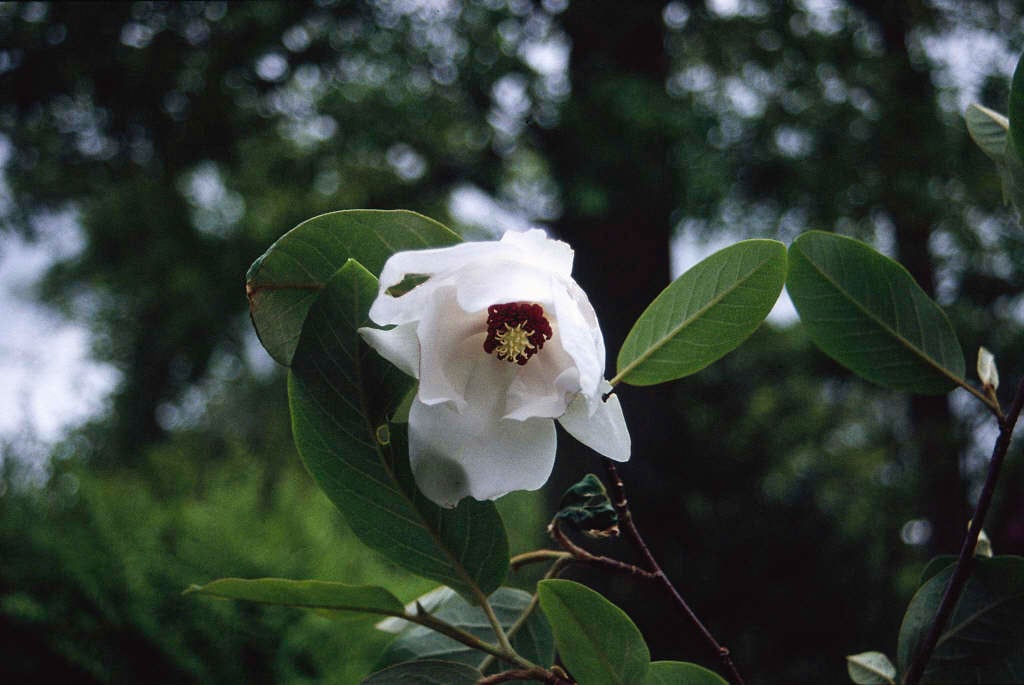
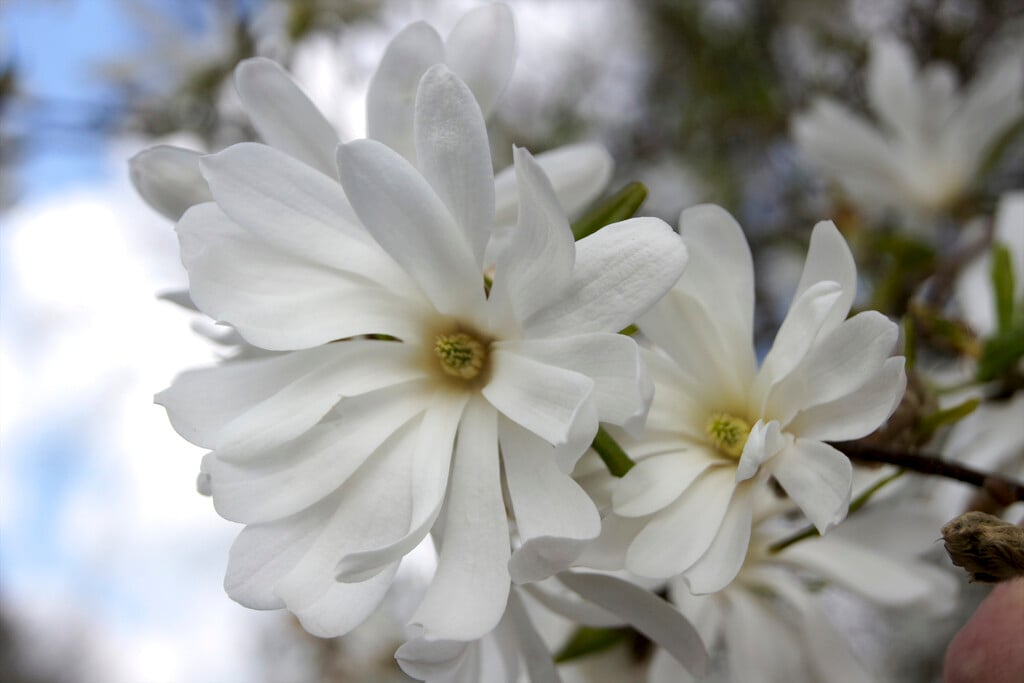
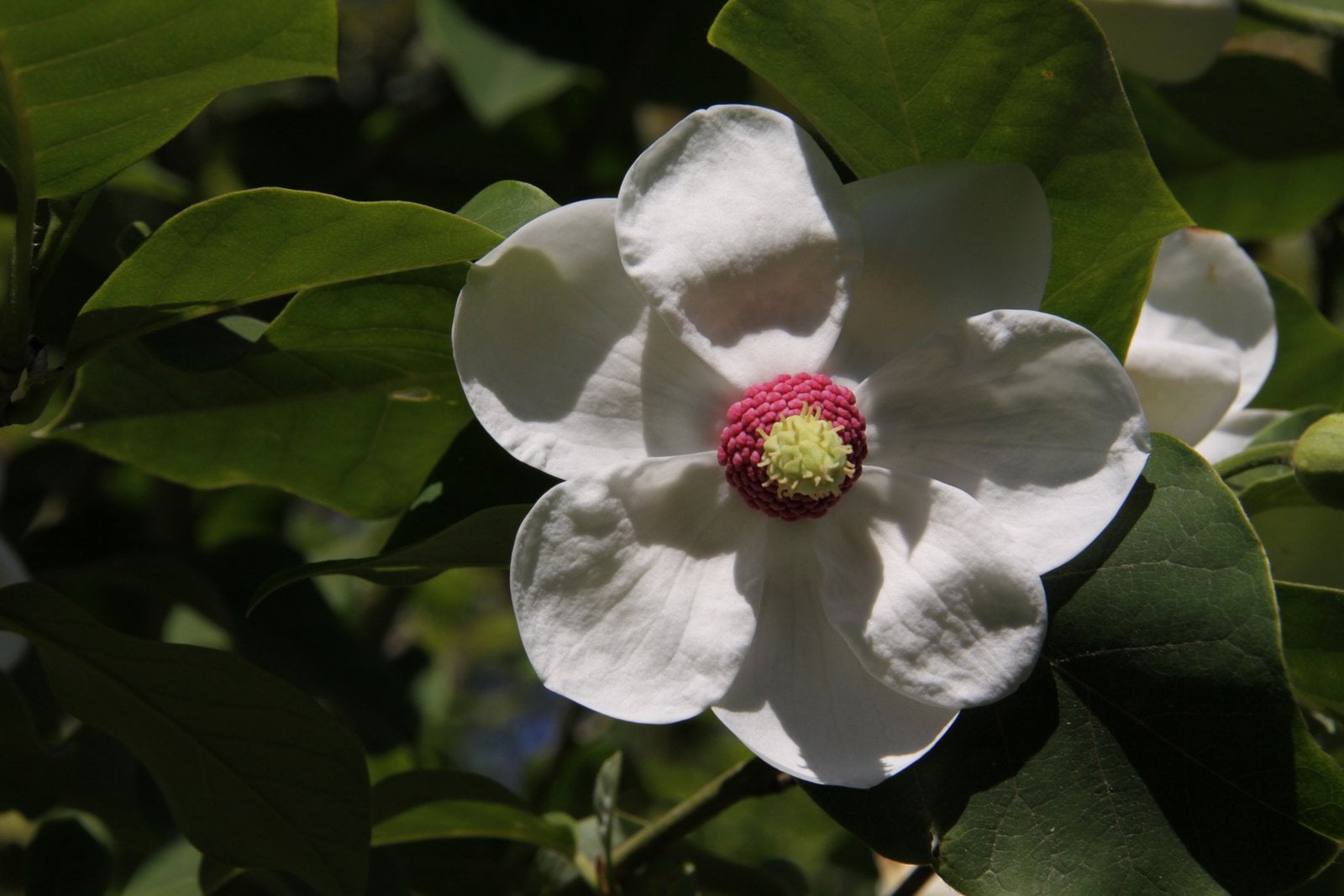
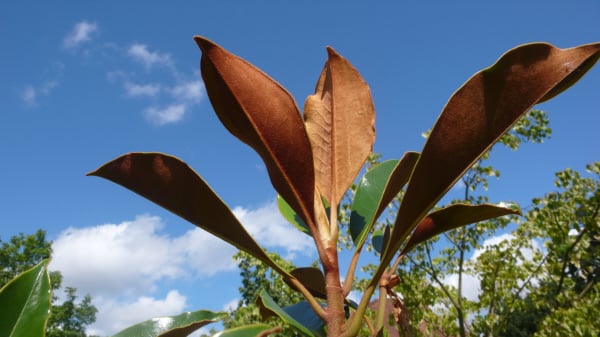
Magnolias produce large goblet-, bowl- or star-shaped blooms, mainly in shades of pink or white. On deciduous species these usually open on bare branches before the leaves appear, while on evergreen species they stand out well among the dark, glossy foliage. Magnolias can be shrubs or trees, of all sizes.
Preferences
Plant in a sheltered spot in sun or light shade. Some need acidic conditions, but many are happy in any fertile, moist, well-drained soil. Larger species need plenty of space, but smaller ones can even be grown in containers.
Dislikes
Avoid dry soils and cold, exposed sites, as both may reduce flowering. Some species won't tolerate alkaline soil. Plants may be slow to recover after pruning, so keep this to a minimum.
Did you know?
As well as being eye-catching, many magnolia flowers are fragrant too. So don’t just stand back and admire them, get up close and inhale. The evergreen types, in particular, often have a rich lemon-vanilla scent.
RHS Growing Guide
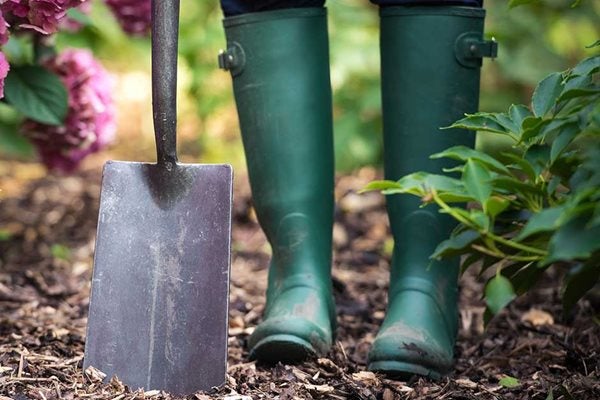
FREE
Read our comprehensive free RHS Growing Guide:
How to grow magnolias

Introducing Magnolia
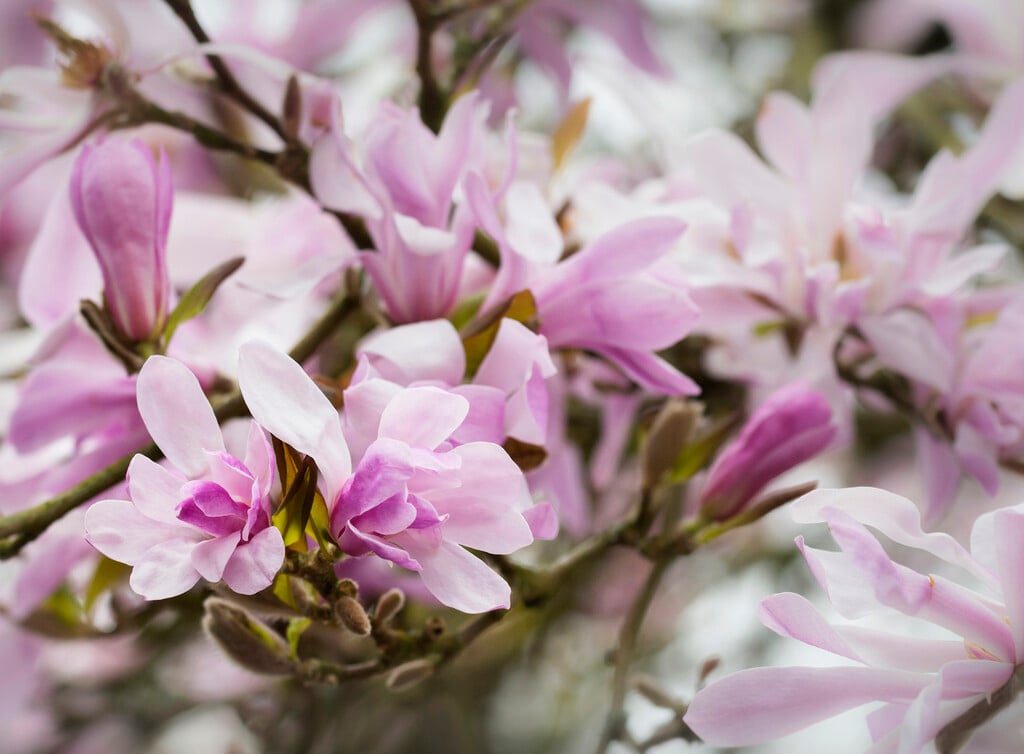
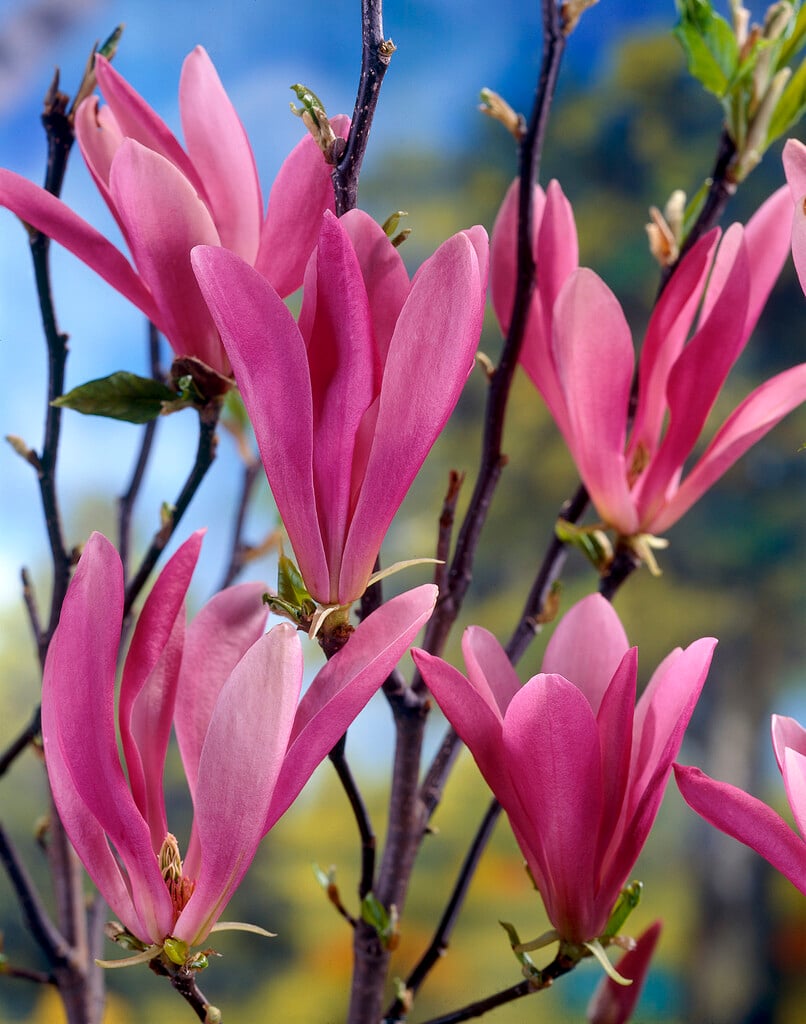
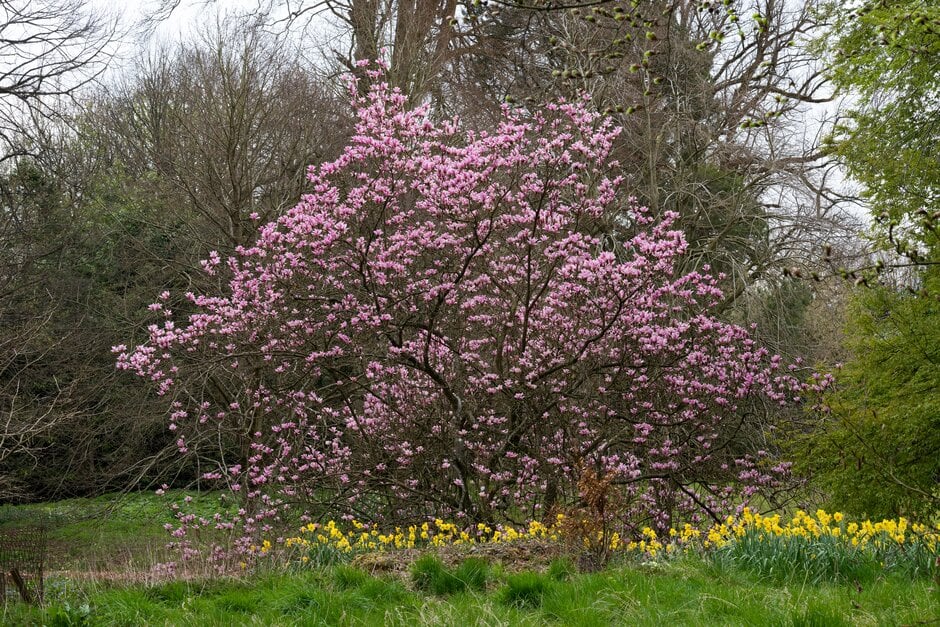
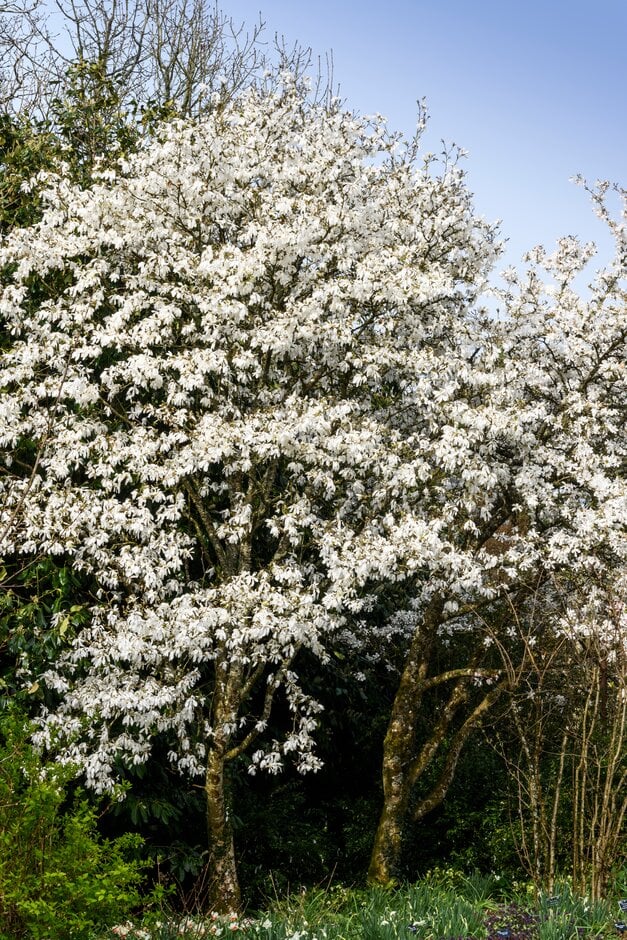
Magnolia salicifolia 'Wada's Memory'
willow-leaved magnolia 'Wada's Memory'
- Height
- 8–12 metres
- Width
- 4–8 metres
x of x
Showing
x to x
of x