Appearance
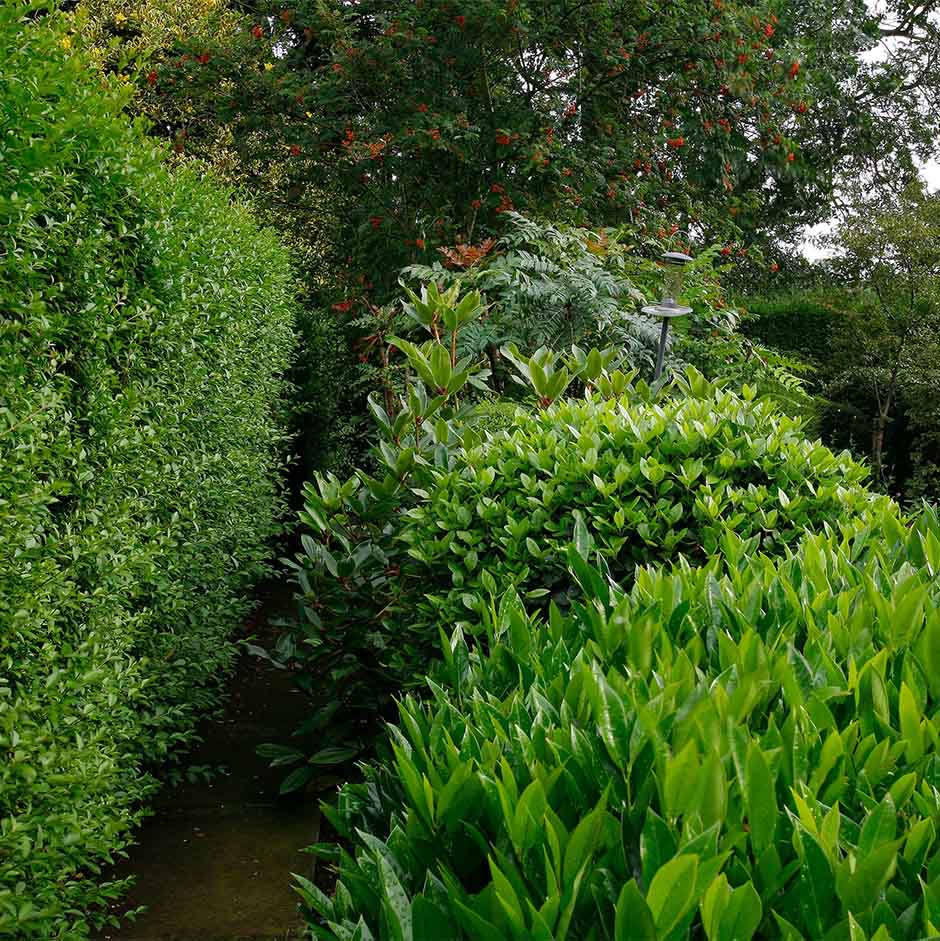
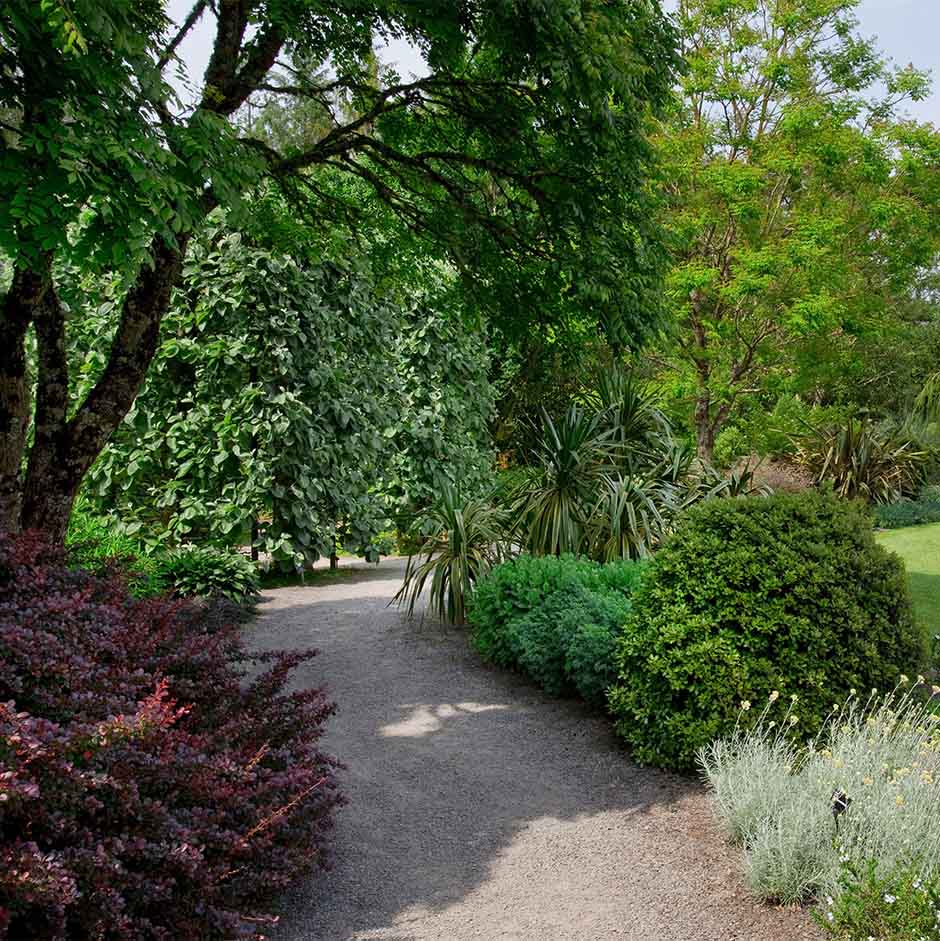
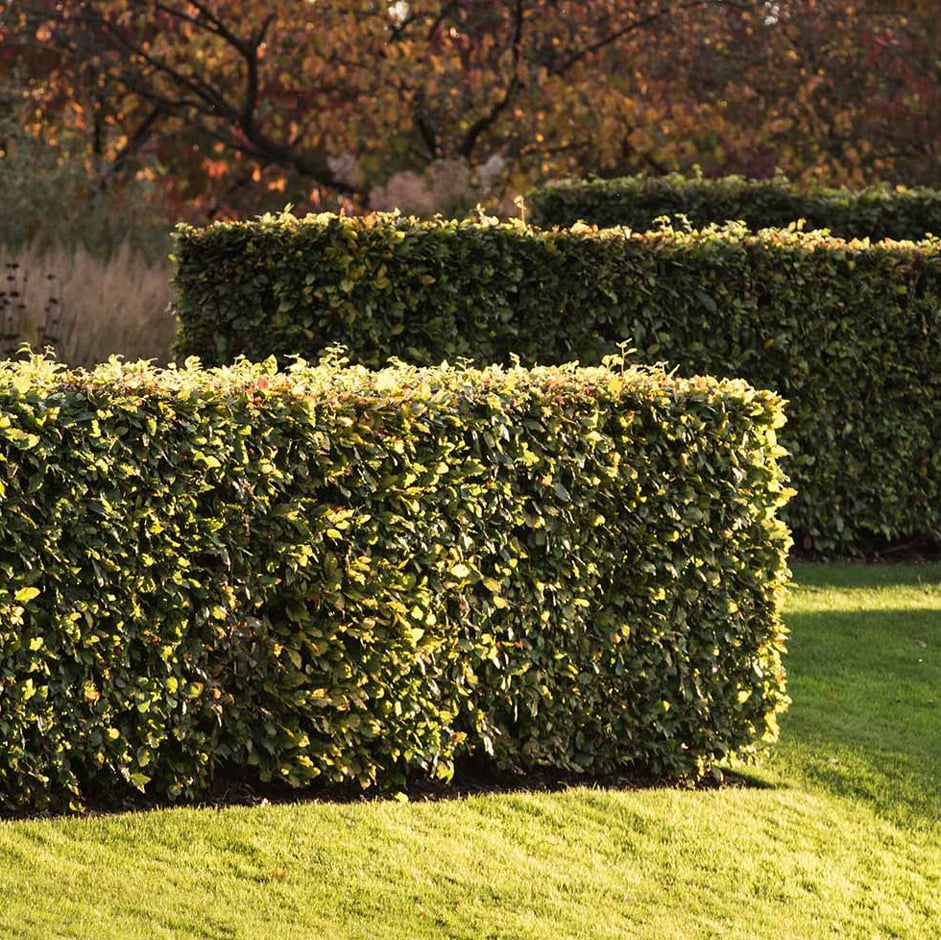
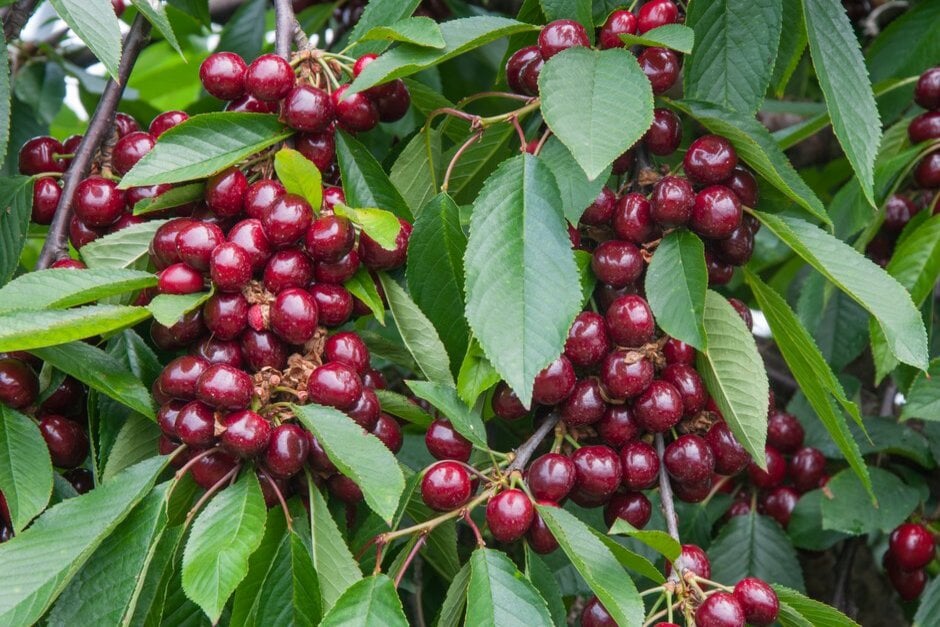
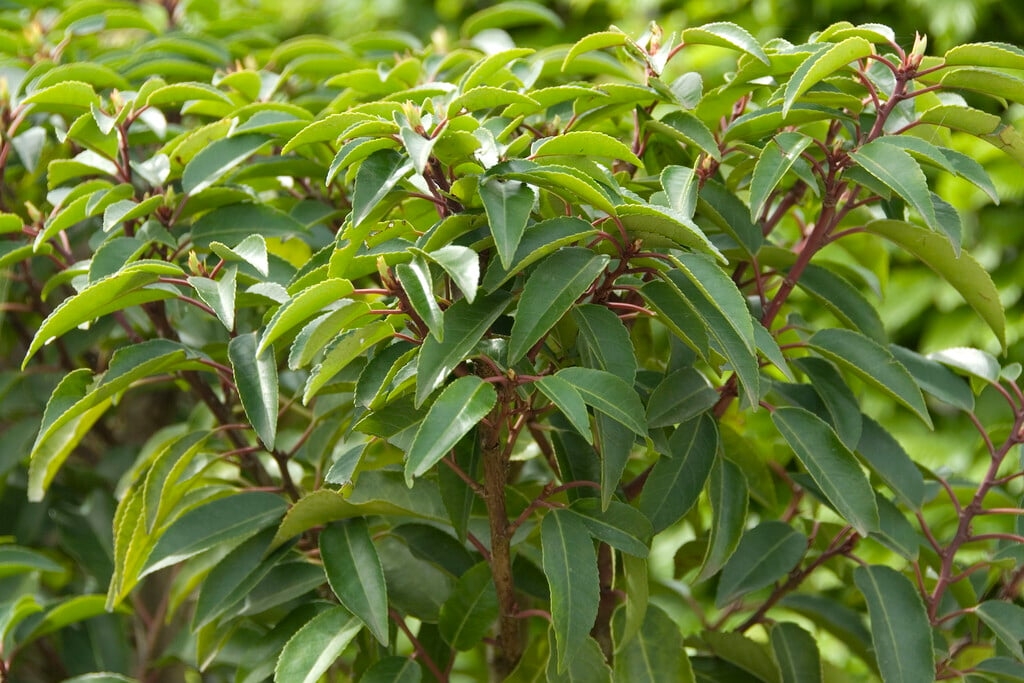
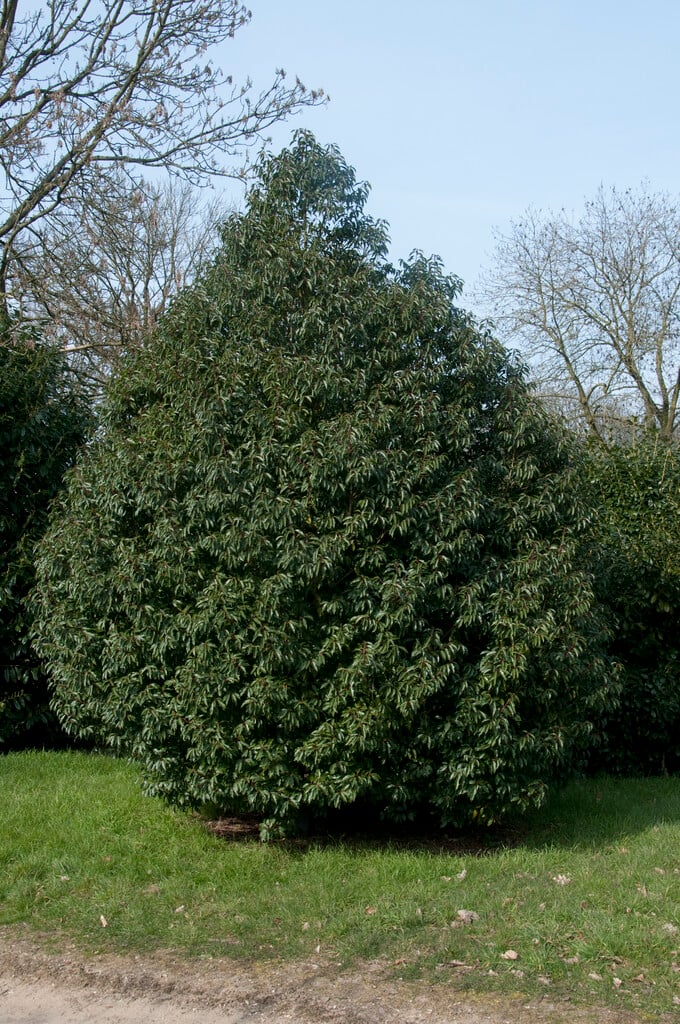
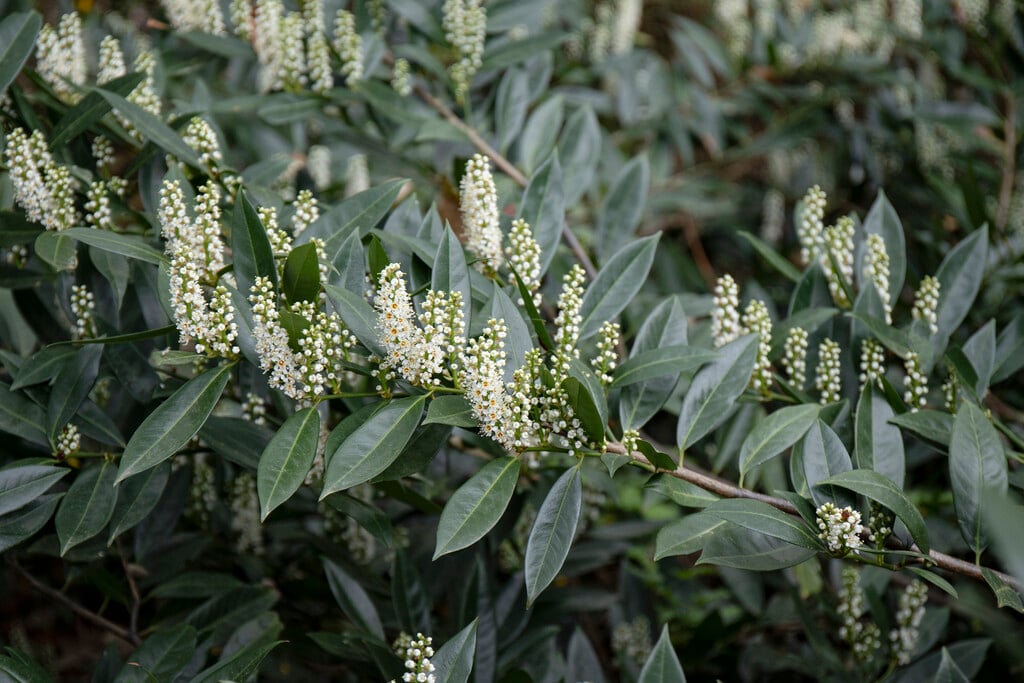
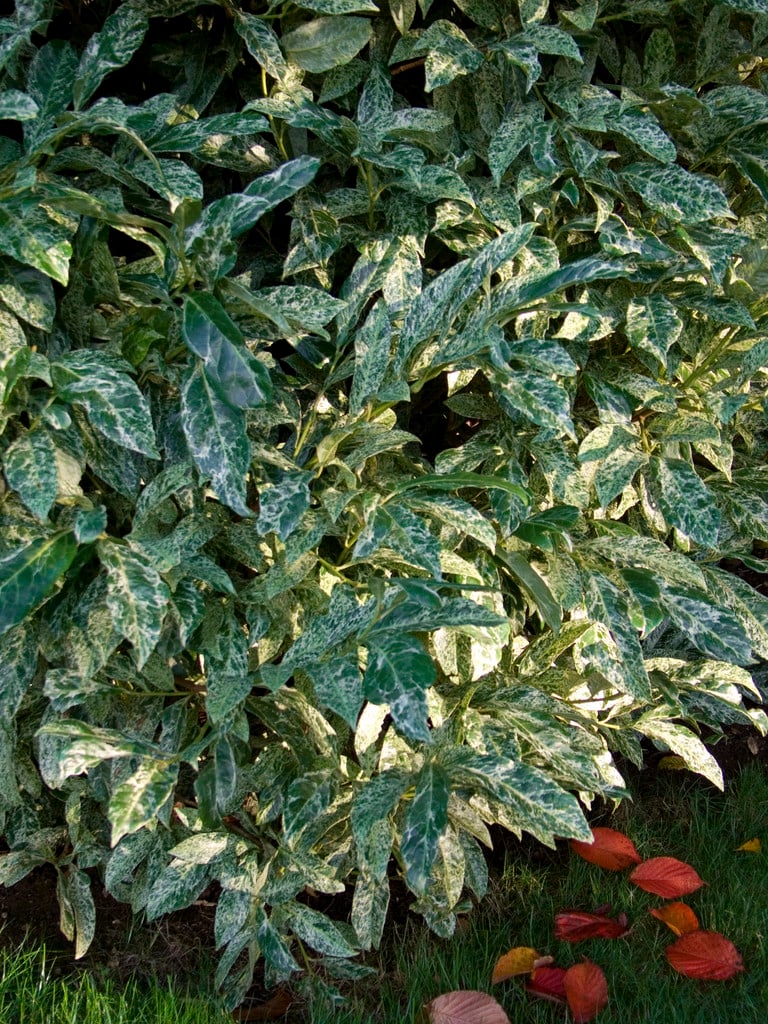
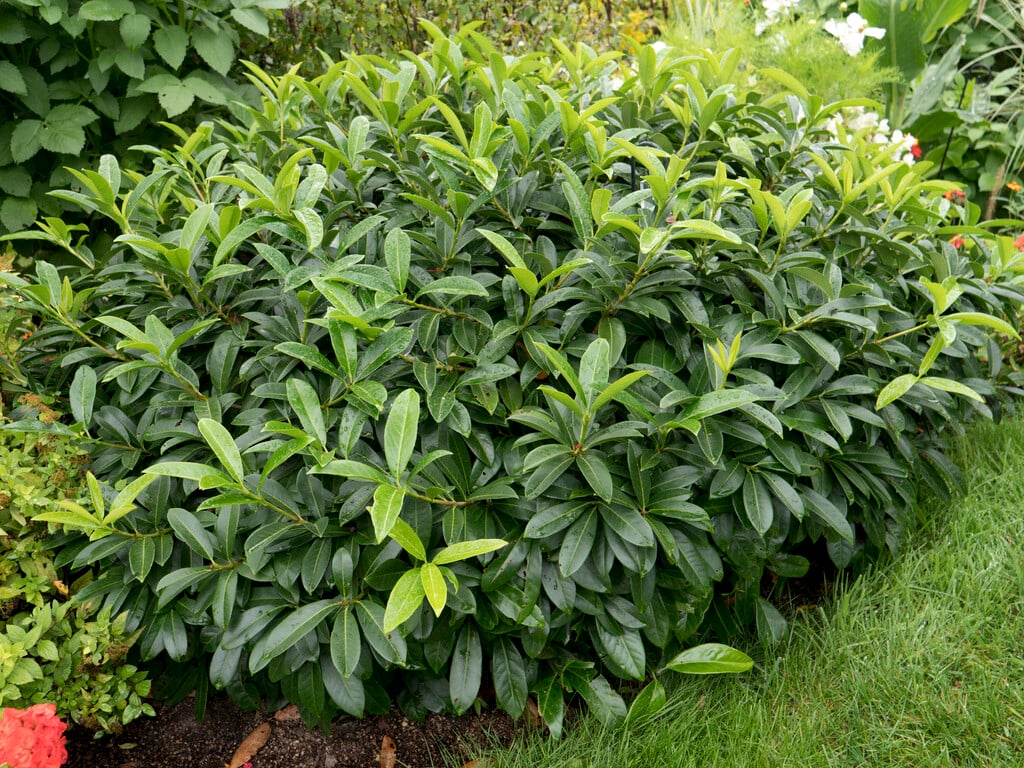
They have robust, dense, glossy foliage of dark or bright green and Portugal laurel may have attractive red young stems. In spring to early summer, they bear upright or arching clusters of small, white, five-petalled flowers, which are often fragrant and attractive to a wide range of pollinators. These are followed by small, dark, cherry-like fruits. Size and shape vary from compact ground-covering shrubs such as P. laurocerasus ‘Mount Vernon’ at 30cm and ‘Otto Luyken’ at 1m tall, to large hedging plants such as ‘Rotundifolia’ at 5m. Some, such as P. lusitanica ‘Myrtifolia’, look good trained as a clear-trunked tree.
Preferences
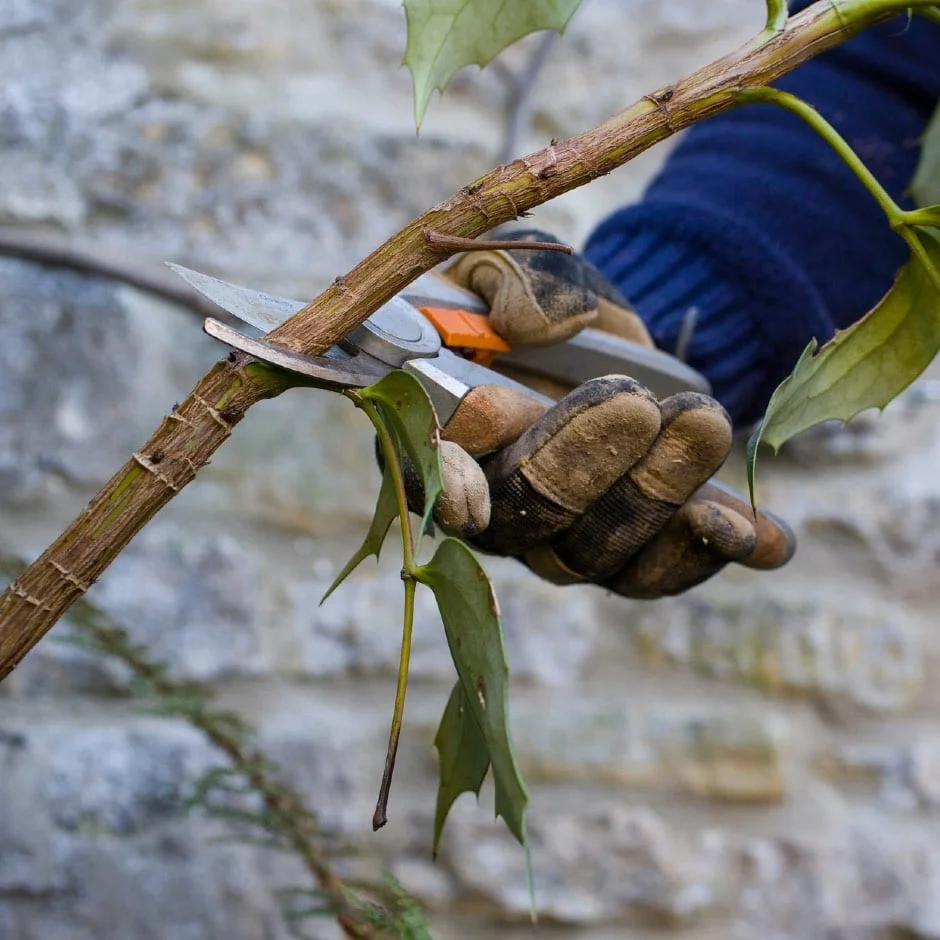
They thrive in moist but well-drained soils and prefer moderately fertile ground enriched with organic matter. Although they grow well in full sun or partial shade, some varieties are particularly tolerant of shady conditions. They respond well to pruning.
Dislikes
Waterlogged soils can lead to root problems, and poor drainage is a common cause of failure. Extended drought can cause leaf scorch, particularly in sunny or exposed sites.
Did you know?
Despite the similarity in name, the genus Laurus, which includes the aromatic bay tree, is unrelated. Many parts of evergreen Prunus, including seeds and leaves, contain compounds that can release cyanide when damaged, so do not eat the berries and avoid keeping trimmings in a confined space.
RHS Growing Guide
FREE
Read our comprehensive free RHS Growing Guide:
How to grow shrubs

Introducing Evergreen prunus
x of x
Showing
x to x
of x