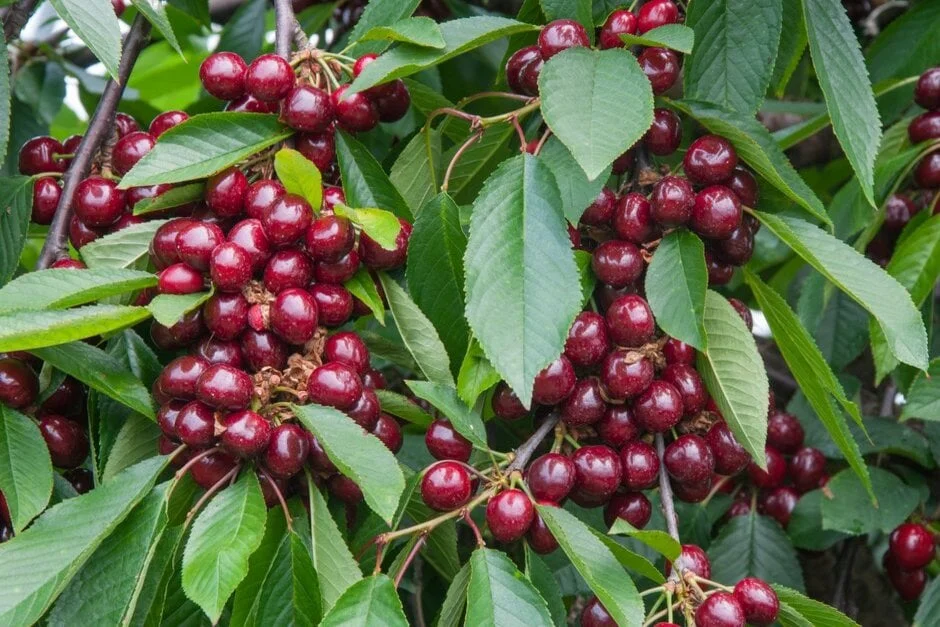


Appearance
Left to grow naturally, many fruit trees will reach 4–8m tall and wide, but in gardens they can be trained and pruned to a more compact size, especially in combination with compact varieties and dwarfing rootstocks. Most produce masses of pink or white spring blossom, and the foliage often unfurls with bronze tints and produces good autumn colour.
Preferences
Grow in moist but well-drained, moderately fertile soil. A sunny, open position is best for a good blossom display. Shelter from strong winds will help prevent damage to flowers and fruit. Many bloom in early spring so may need protection from spring frosts – by growing against a warm sunny wall for example.
Dislikes
Avoid poorly drained or waterlogged soils, which can lead to root problems and poor growth, and very alkaline (limey) soils that can lead to nutrient problems. Try to maintain a steady water supply, especially as fruit is developing. Avoid winter pruning, which can increase the chance of infection with silver leaf disease.
Did you know?
Many fruit trees are self-fertile and will produce a crop on their own. However, some need a different, compatible variety nearby to act as a pollination partner in order to set fruit well. Nurseries and garden centres can advise on good pairings if there are no suitable trees in your neighbourhood.


