Appearance
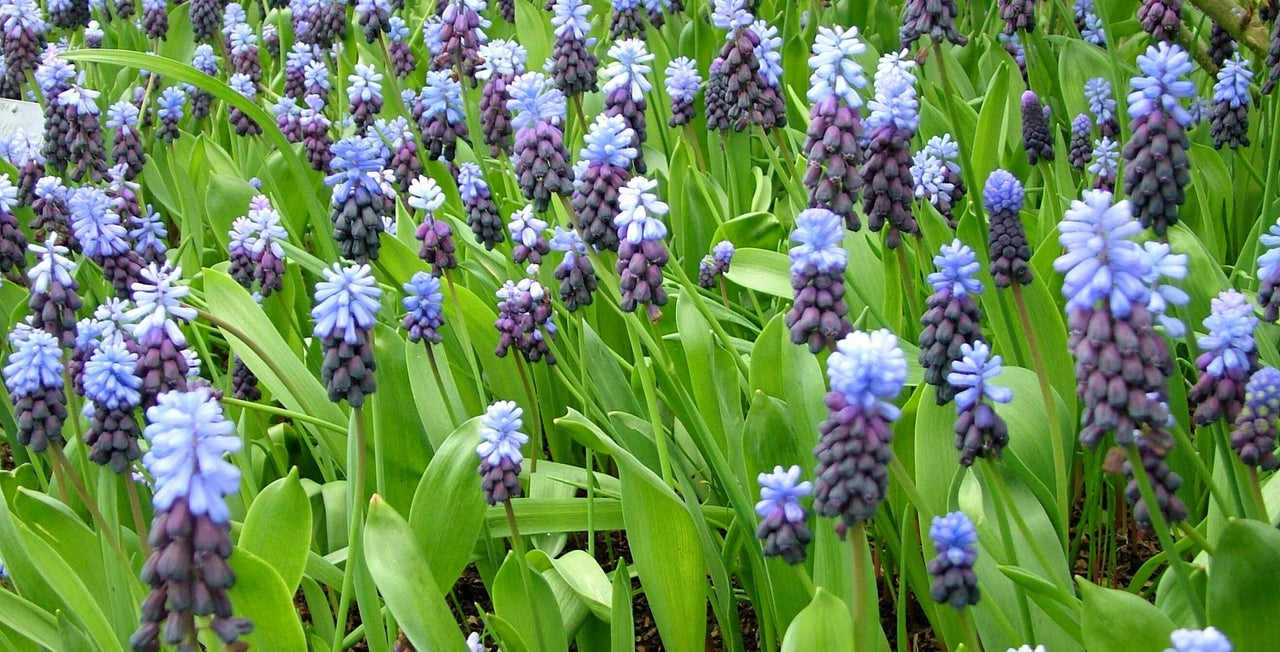
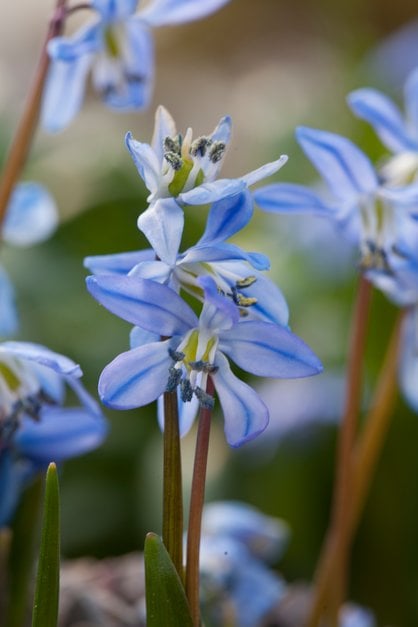
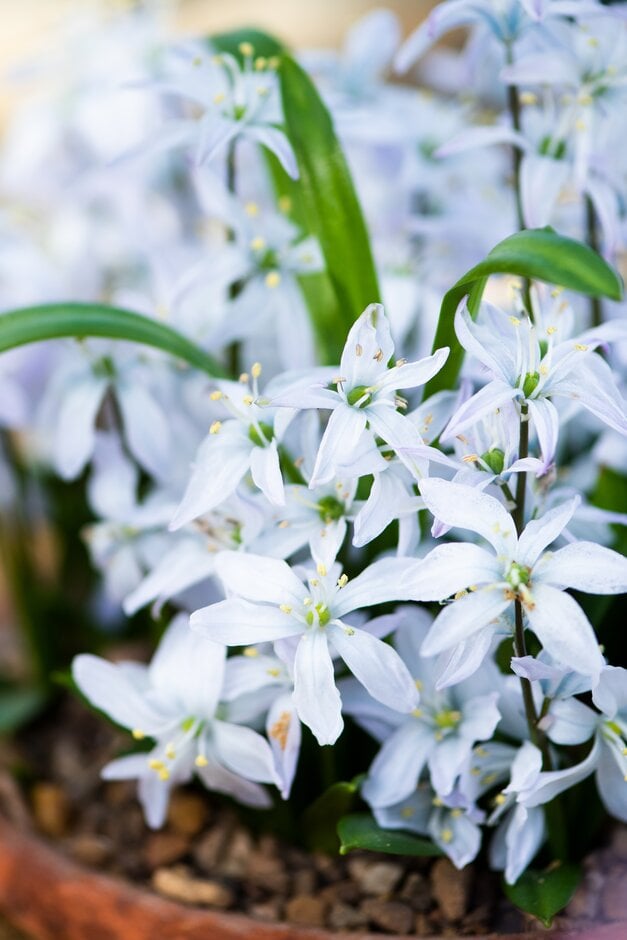
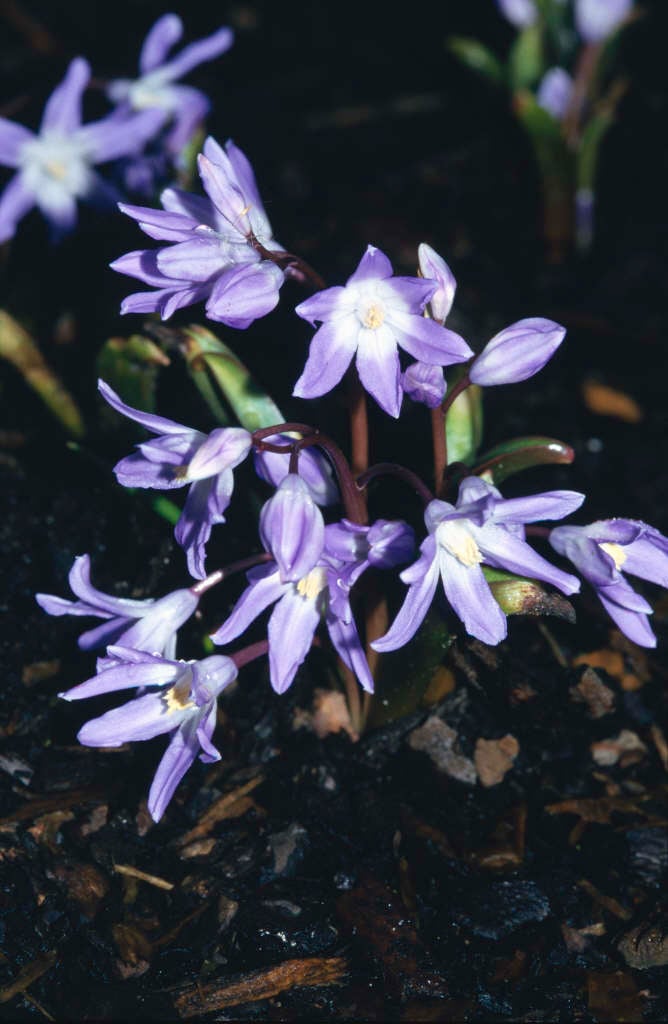
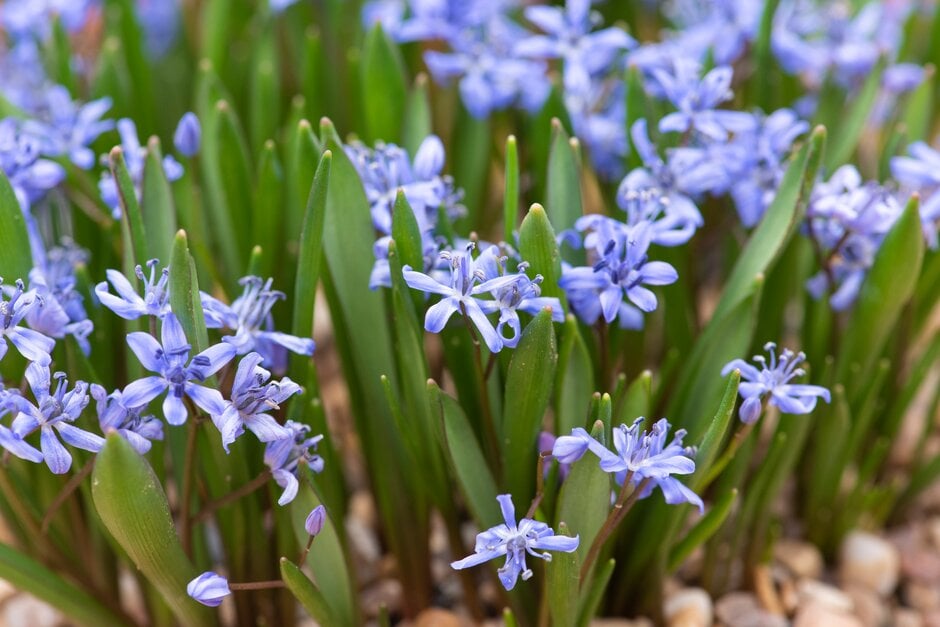
Scillas are typically small, at 10-25cm tall, with tufts of narrow, strap-shaped leaves and clusters of small, star- or bell-shaped flowers in shades of blue, violet or white in spring. One of the best-known species, Scilla siberica (Siberian squill), has vivid, nodding flowers that can carpet the ground in a sea of blue.
Preferences
They thrive in moist but well-drained soil in full sun or dappled shade. Scillas grow well under deciduous trees or shrubs, where they enjoy early-year sun before the canopy closes over. They are ideal for naturalising in lawns, rock gardens, and woodland-style gardens – once settled, they multiply easily.
Dislikes
Scillas do not like heavy, waterlogged soil, which can cause the bulbs to rot. They also grow poorly in deep shade, for example under evergreen trees, and are unlikely to flower. The bulbs need reliably cool, damp soil and are vulnerable to drying out if planted too shallowly.
Did you know?
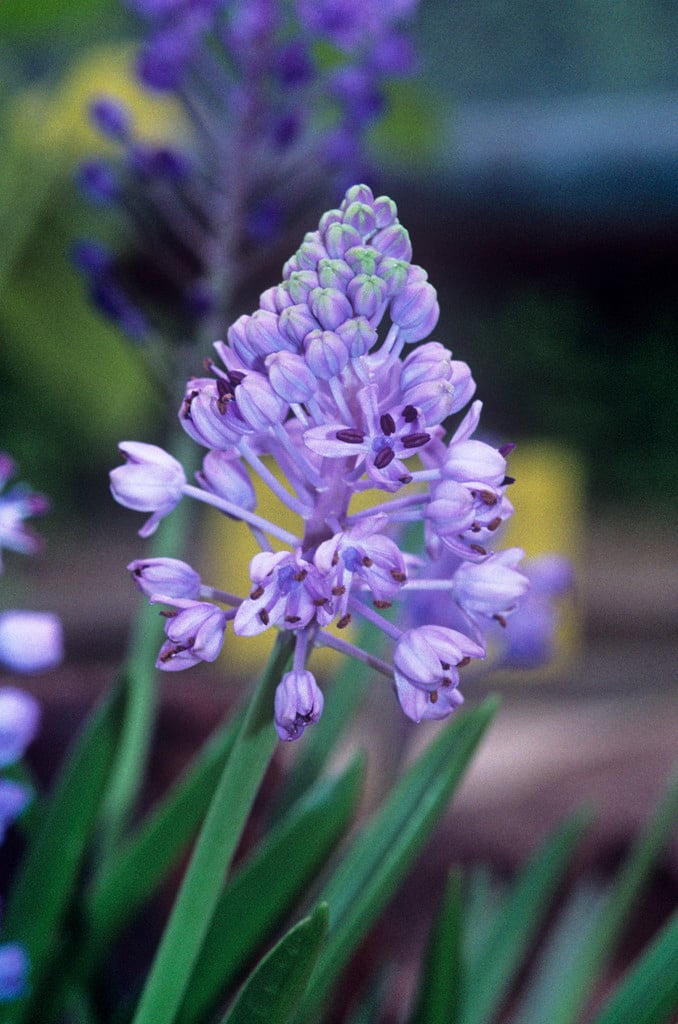
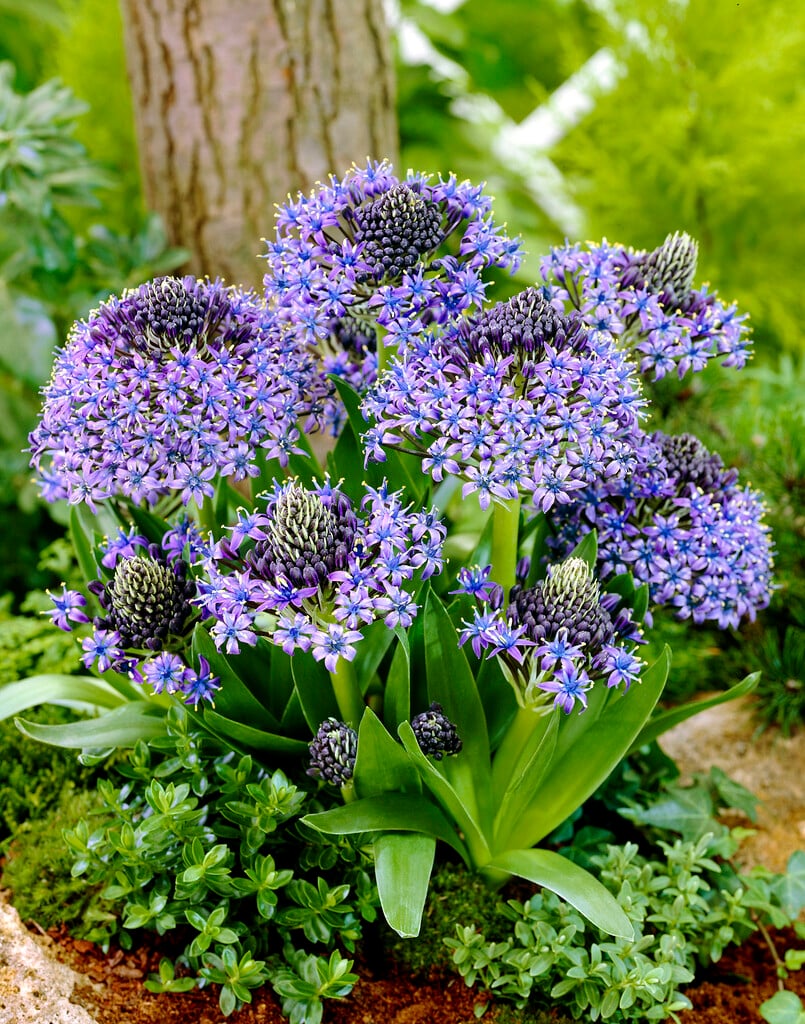
There are several taller scillas with large flowerheads consisting of scores of tiny star-shaped florets, including the Peruvian squill (Scilla peruviana), which is actually native to the western Mediterranean, and the hyacinth squill (Scilla hyacinthoides) which can reach 1m tall.
RHS Growing Guide
FREE
Read our comprehensive free RHS Growing Guide:
How to grow bulbs

Introducing Scilla
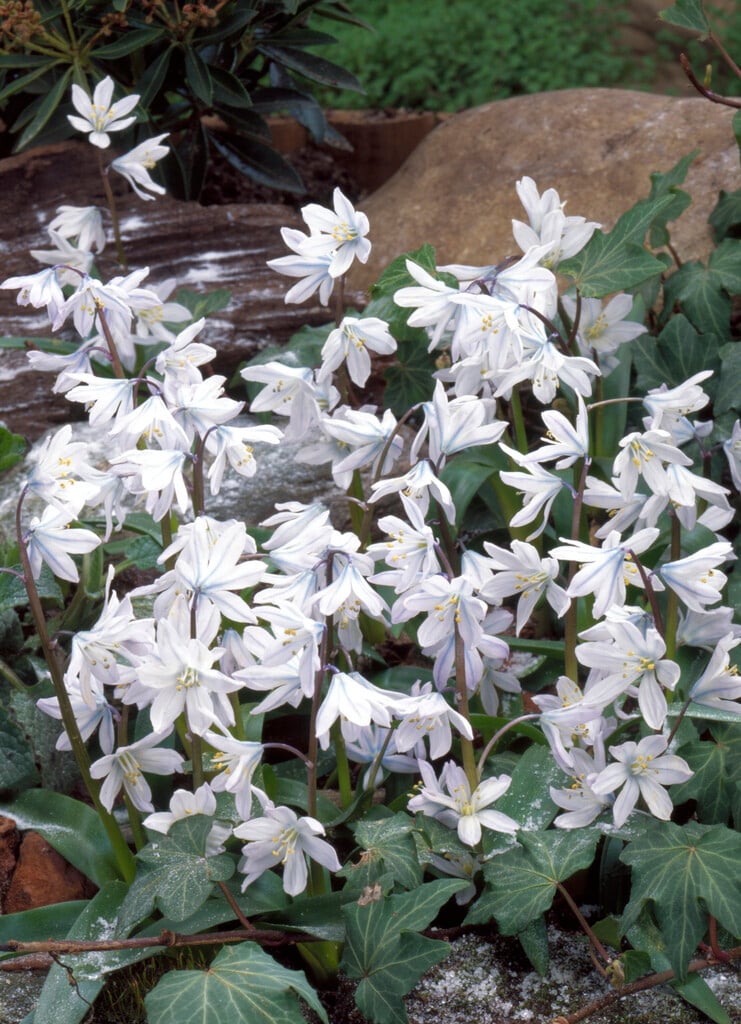
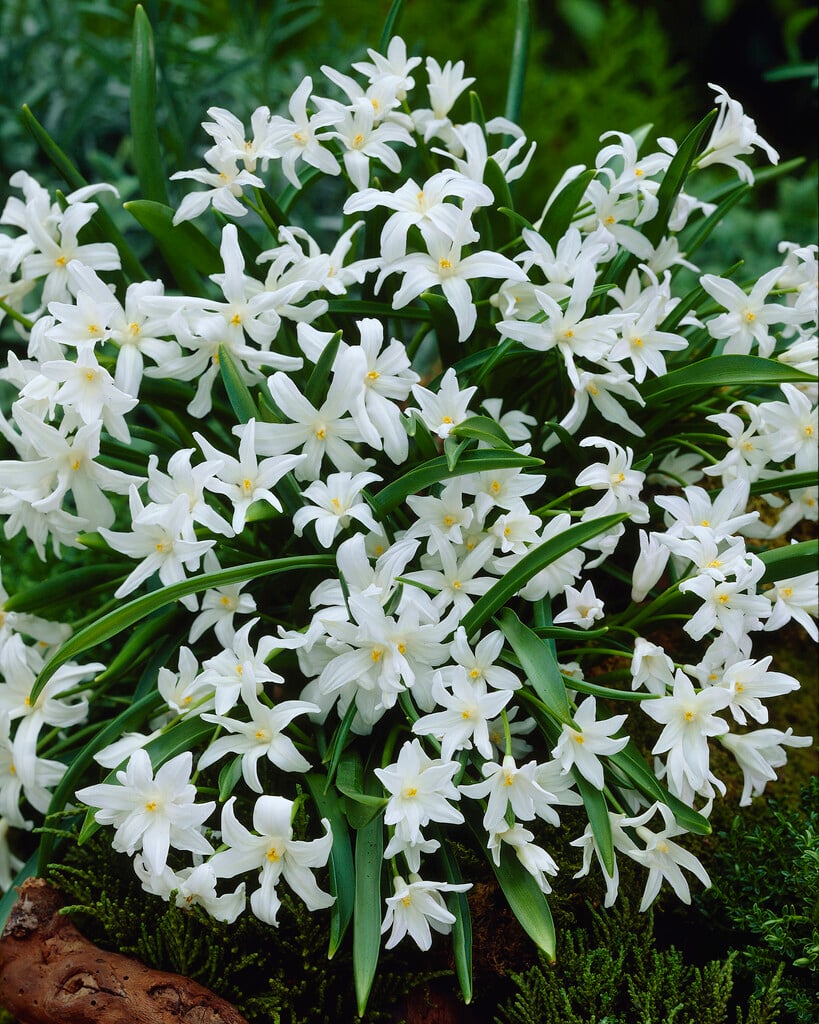
Scilla luciliae (Gigantea Group) 'Alba'
large-flowered Lucile's glory of the snow 'Alba'
- Height
- 0.1–0.5 metres
- Width
- 0.1–0.5 metres
x of x
Showing
x to x
of x