.jpg?w=1280&fit=clip&fm=jpg&auto=format)

10 award-winning perennials for containers
Perfect for adding colour, texture and staying power to patios and balconies, perennials bring lasting impact in pots year after year

Hardy annuals to direct sow must be the top choice in combining economy, colour and just being so easy to grow: some of them will self-sow too, so you’ll never have to buy seed again
Chosen for their beauty, reliability and outstanding performance, these plants have proved themselves in rigorous RHS Plant Trials, having received the RHS Recommended: Award of Garden Merit, which highlight the best choices for gardens of every size and style.

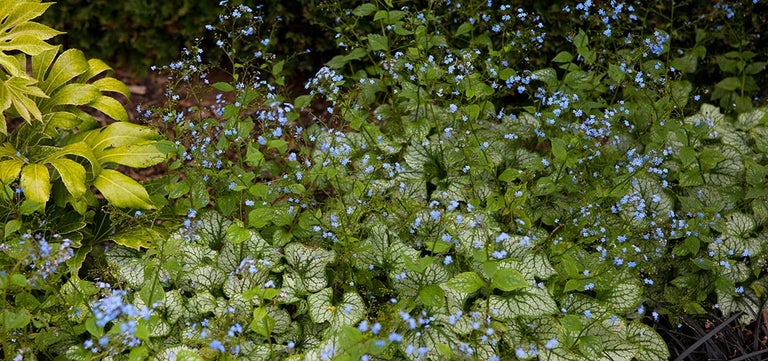
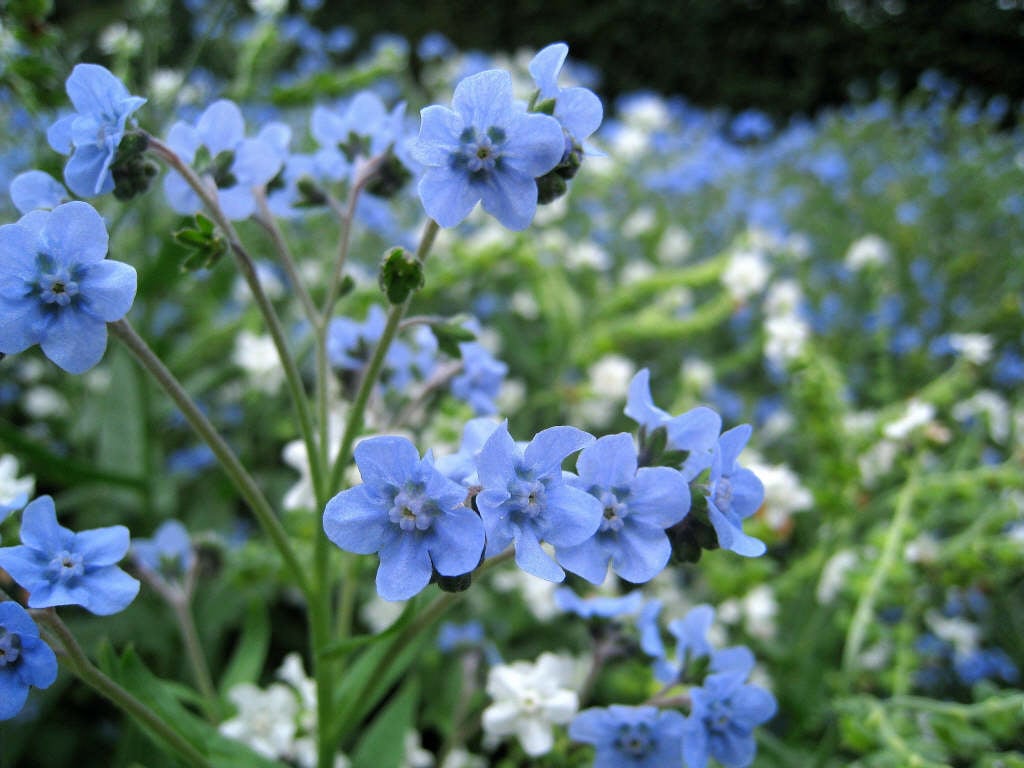
This elegant, self supporting relative of the forget-me-not carries open sprays of sky blue flowers, with a darker spot at the base of each petal, on slender upright stems. Cynoglossum amabilemakes a pretty cut flower for cottage-style bouquets and can either be sown in spring or treated as a and sown in summer. It’s especially pretty when it self sows around roses. 45cm (18in). Hardiness rating: H5.

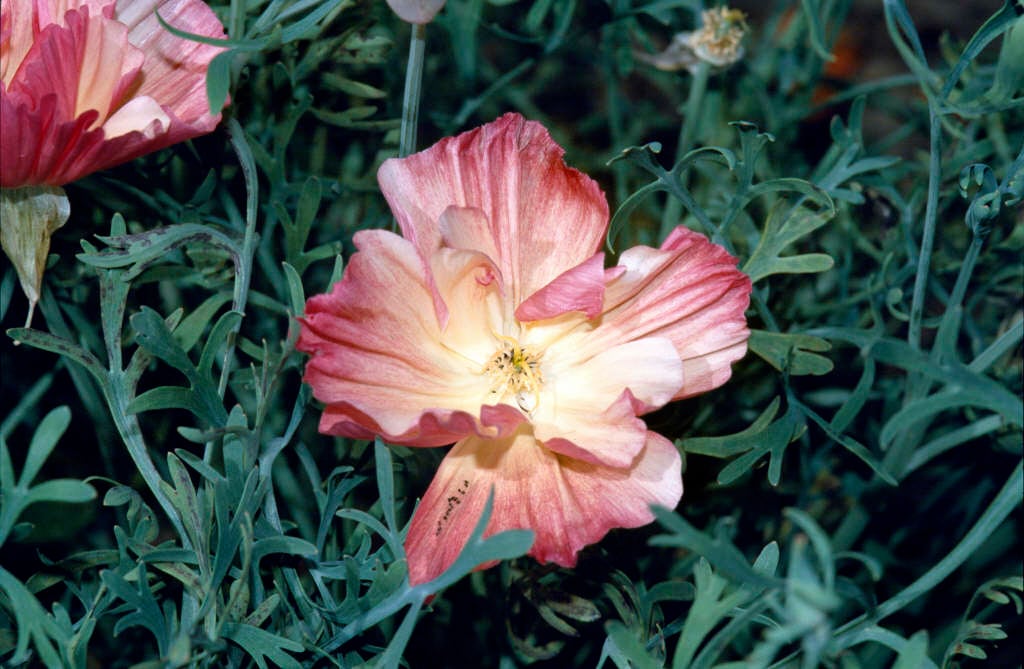
‘Rose Chiffon’ is an annual with blue-green foliage and semi-double flowers to 6cm across, the fluted petals heavily flushed rose-pink on a cream ground, red on the reverse. Grows to 25cm tall. Hardiness rating: H3.

This pretty picoteed sweet pea is one of the most fragrant of all sweet peas and combines its powerful fragrance with creamy flowers that are beautifully flushed with purple towards the edges. Lathyrus odoratus ‘High Scent’ carries four flowers per stem when grown informally, and starts to flower earlier than many sweet peas. Sow in the autumn for the best plants, or in spring. 1.8m (6ft). Hardiness rating: H2.

The beautifully veined flowers of the dramatic Lavateratrimestris ‘Silver Cup’ are carried on tall, bushy plants which spread well and develop an almost shrub-like presence. Each trumpet-shaped flower is boldly veined in vivid pink, with a neat dark eye, and shades to pink towards the edges. The petals have a reflective sheen that gleams in the sun. 70cm (2ft). Hardiness rating: H3.

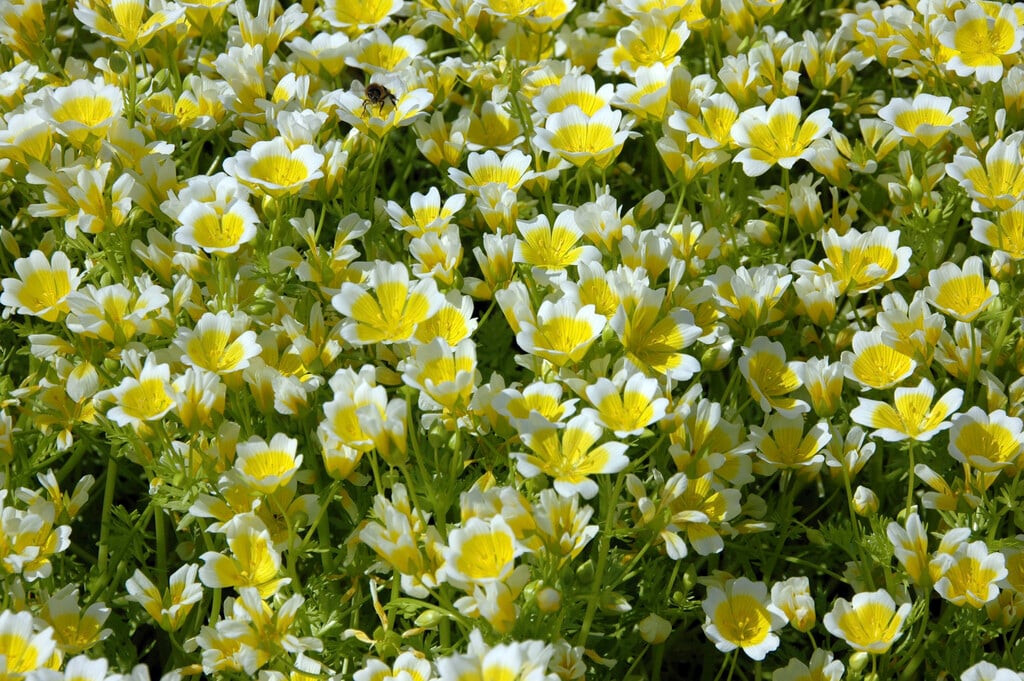
Of all the direct sow featured here, Limnanthesdouglasiiis the one that tolerates damp soil best. Once you have it, it will often self sow in autumn, develop dense foliage over the winter, even on clay, and then be covered in the bright, yellow and white, poached egg flowers for months. It will even flower in mild winters, especially in sheltered sites. 15cm (6in). Hardiness rating: H5.

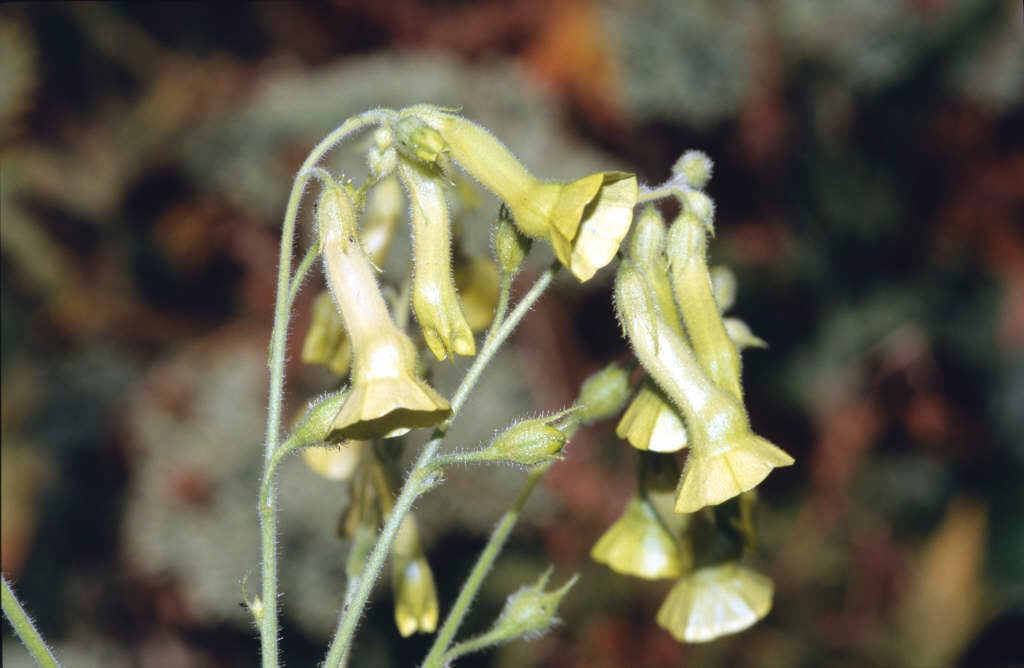
Normally classed as a half-hardy annual, and sown in a or on the windowsill, I’ve sown seed outside in May and by August Nicotiana langsdorffiiwas flowering prolifically. The bright green bells, held on wiry stems and sparked inside by blue anthers, sway prettily in the breeze and are pretty cut flowers. In well-drained soil, plants sometimes overwinter as perennials. 1.2m. (4ft). Hardiness rating: H2.

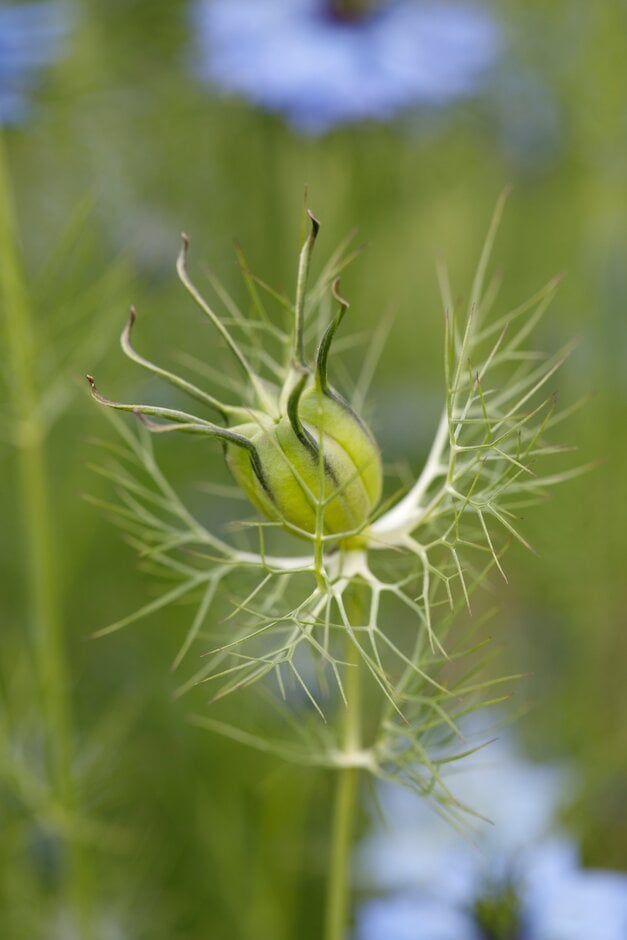
This classic love-in-a-mist with its distinctive sky blue flowers, Nigella damascena ‘Miss Jekyll’grows well from a spring sowing and even better when sown in the autumn; its sharply divided leaves are an appealing winter feature and then it flowers more prolifically and earlier than spring sown plants. A lovely cut flower, it self sows well. 45cm (18in). Hardiness rating: H3.

Like Cynoglossum, Omphalodes linifoliais an annual which is both lovely in itself and also a great mixer with perennials and shrubs – in the garden, and in the vase where it lasts especially well. The silvery foliage is topped with slender stems carrying small pure white flowers which have the bonus of being sweetly scented. Better in damper soils than most of those featured here. 40cm (16in).

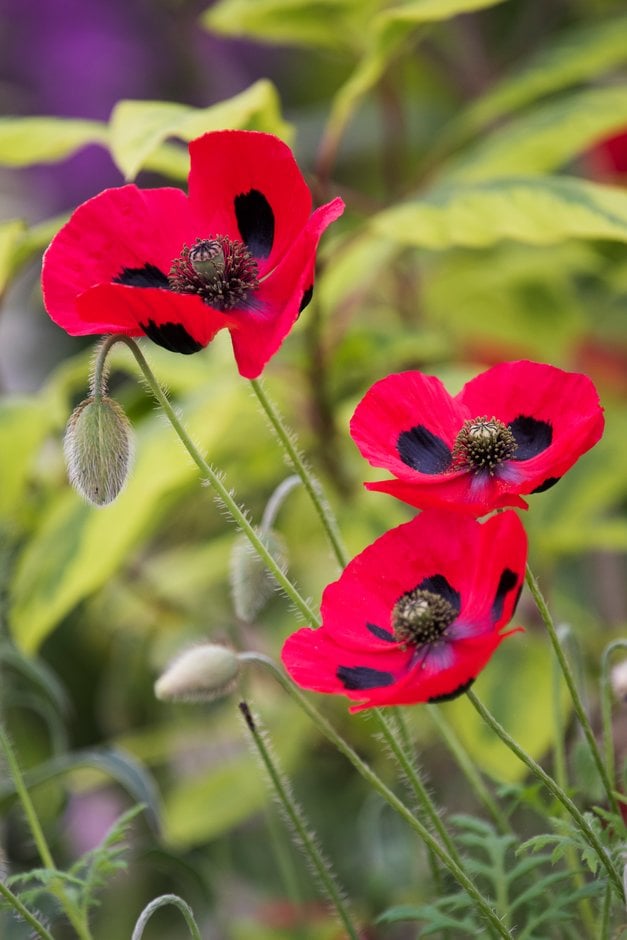
One of the most dramatic of all poppies, ‘Ladybird’ has been selected for its especially vivid red colouring and the intensity of the large, black, rather square blotch at the base of petal. For sowing in autumn or spring, ‘Ladybird’ tends to self sow less than other poppies so there’s no danger of that red colouring taking over the garden – but it does need careful placing. 40cm (16in). Hardiness rating: H5.

Nasturtiums, specifically Tropaeolum majus Alaska Series are one of the best flowers for kids to sow: the seeds are large, they come up quickly, the flowers are colourful and the leaves are edible. Plants in the Alaska Series are neat and bushy (they don’t climb), have prettily marbled leaves and the flowers, in this separate colour and others and a mix, are shown off just above the leaves. 30cm (1ft). Hardiness rating: H3.
RHS hardiness rating
The system of hardiness ratings enables gardeners to understand the hardiness of plants and gives a guide to the best growing conditions.
Find out more >