

10 award-winning herbs
These herbs have valuable ornamental features as well as great culinary value. These attributes have earned them the RHS Recommended: Award of Garden Merit

Leafy greens can be grown with flowers as ornamentals, they all need a fresh look. Here are 10 leafy vegetables which have received the RHS Recommended: Award of Garden Merit
These 10 award-winning varieties are each recognised with the RHS Recommended: Award of Garden Merit. Chosen for their appearance, reliability and outstanding performance, these plants have proved themselves in rigorous RHS Plant Trials, which highlight the best choices for gardens of every size and style.

Spinach beet ‘Perpetual Spinach’ is a popular and dependable spinach that is ideal for a long crop of tasty leaves full of goodness. Sow at any time from early February to the end of August, to crop from May to the end of October. The bright, mid green, spear-shaped leaves can be used in exactly the same way as other spinach and the plants stand well without (flowering), usually for far longer than annual spinach. Hardier than the chards, so valuable in cold areas. Hardiness rating: H4.

Spinach ‘Missouri’ is a fast-growing leafy harvested in its first year as baby or mature leaves. It is suitable for quick container crops; it is slow to bolt. Hardiness rating: H2.

The British-bred Pak choi ‘Summer Breeze’ is noted for its short and compact growth - an ideal size for the kitchen – together with its good heart, its prolific production of tender leaves and stems, and the fact that it stands well and rarely bolts. ‘Summer Breeze’ germinates well, and is also resistant to bacterial soft rot and white rust. Grows well even in our summers. Hardiness rating: H3.

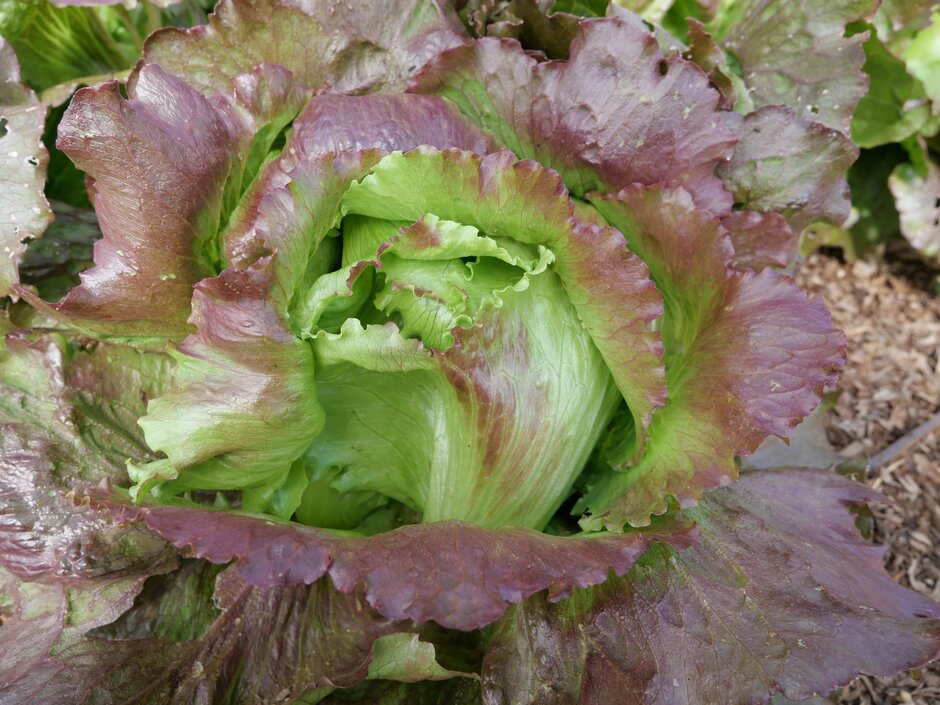
Lactucasativa ‘Sioux’ is a leafy biennial usually grown as an annual. This robust crisphead (iceberg type) lettuce has smooth, crisp, red-tinted leaves and a green heart. This is slow to bolt. Ready to harvest from June depending on sowing date. Hardiness rating: H2.

The bright, prettily cut and curled foliage looks good in the garden and is a valuable bitter addition to salads. If the taste of Endive ‘Wallone’ is a little too bitter for you, sauté it gently (don’t overdo it), or use it for soup. ‘Wallone’ is unusually vigorous and makes an especially large plant, it can be grown naturally and can also be blanched: simply upturn a dinner plate over the centre of the plant. It can also be used for baby greens. H3.

Chicory (radicchio) ‘Palla Rossa’ is another one of those veggies that has moved from the speciality greengrocer, to the supermarket to the allotment – although 30 years ago it was also used in Kew’s spring bedding, with dark blue Iris histrioides ‘Major’, as I recall. Deeply bronzed heads look great in the garden, strip away the outer leaves for a burgundy and white heart. Simmer in a little milk if the bitterness is too much for you, or oil well and cook on the barbecue. Hardiness rating: H4.

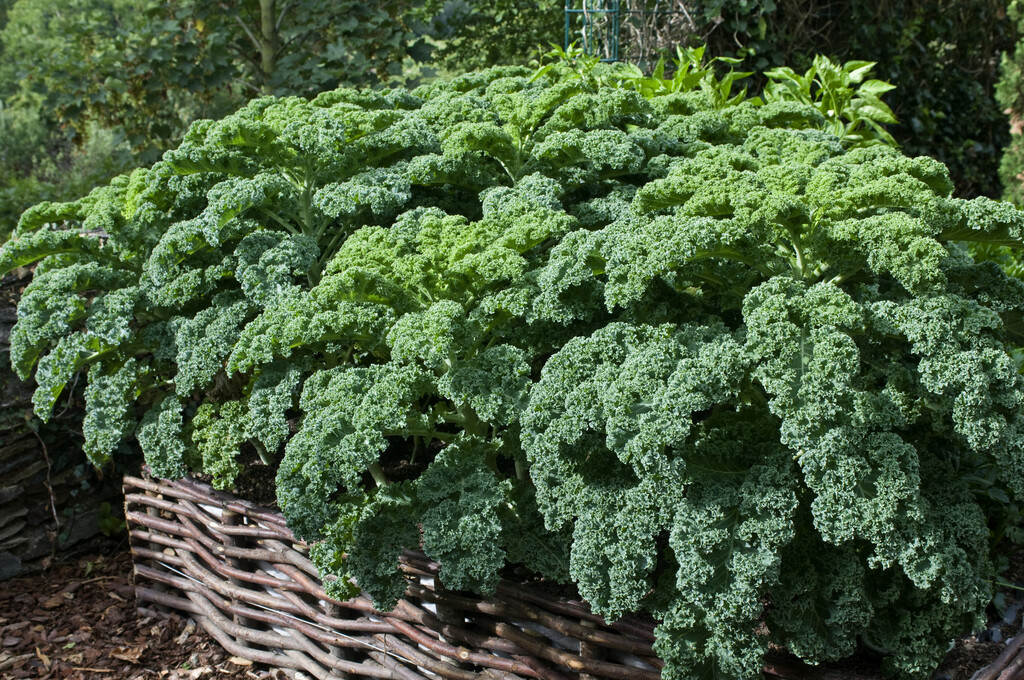
Curly kale (borecole) ‘Reflex’ is an impressive curly green kale, its fresh, rich and slightly bluish colouring is very attractive in the garden and tasty and nutritious on the table. Sown from April onwards, it has the additional advantage of a very long harvest window, extending into spring from a summer sowing, and even in the coldest conditions the foliage retains its colouring well. Each individual plant produces an exceptional crop so you need fewer plants compared with older varieties. Hardiness rating: H5.

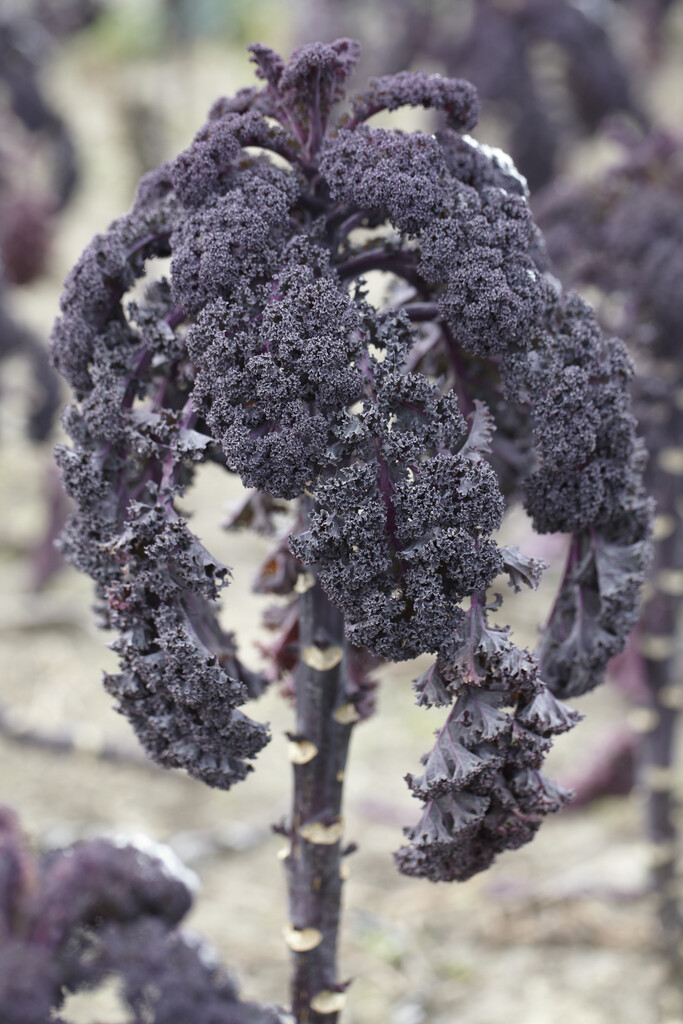
One of my favourite ornamental vegetables, the super-curly reddish purple foliage of curly kale (borecole) ‘redbor’ looks wonderful for many months at a stretch and steams well in the kitchen too. It produces new leaves over a very long period. Sow from April to June for planting from May to July and cropping from September through the winter; or sow even earlier for use as a summer foliage plant, although early-sown plants may need staking in winter. One of the best of all ornamental vegetables. Hardiness rating: H5.

This invaluable mixture now contains plants with stems in yellow, gold, orange, pink, violet, green, white, and red plus a few with stripes. The foliage on the paler types of Chard ‘Bright Lights’ tends to be green, that of plants with darker stems tends towards bronze tints. When intended for ornamental combinations can be selected for stem colour when quite young and grown on individually so you can clear exactly which colour is being planted where. Also good as baby leaves. Hardiness rating: H3.

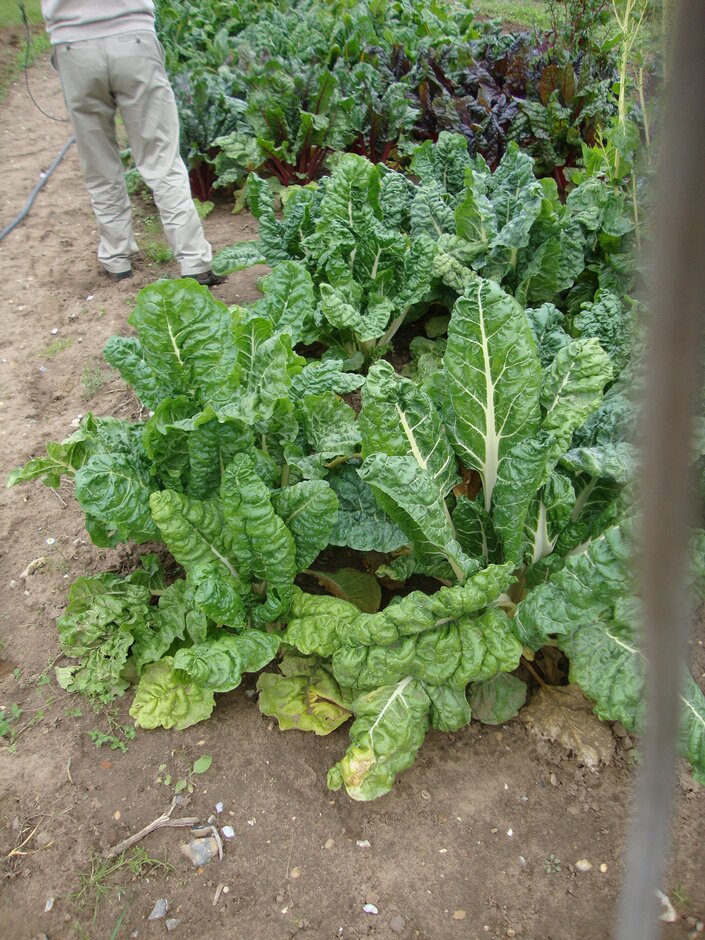
Chard ‘Fordhook Giant’ is a strong, vigorous and very productive dark green and leafy swiss chard with crisp white stems and a strong, earthy flavour. If sown in July, leaves can be harvested in the winter months through until March. A heritage variety introduced in 1934. Hardiness rating: H3.
RHS hardiness rating
The system of hardiness ratings enables gardeners to understand the hardiness of plants and gives a guide to the best growing conditions.
Find out more >