
Shrubs and climbers for nesting garden birds
If you want to attract nesting birds into your garden, provide an ideal home by selecting welcoming shrubs and climbers

Plantsin your garden that provide shelter for wildlife during winter and early spring ensure your garden looks and smells great, but also helps the nature around you. The RHS Trials Team shares 10 of the best ones for you to grow
The true stars of the winter garden are plants that do more than simply look good. The 10 award-winning RHS Recommended: Award of Garden Merit varieties featured here not only offer valuable winter interest but are also recognised as RHS Plants for Pollinators.
Throughout the colder months when colour is scarce and food even scarcer, these plants provide structure, scent and shelter while quietly sustaining birds, bees and other wildlife. Each one is a beautiful, dependable choice that earns its place as a genuine winter ally for both garden and nature.

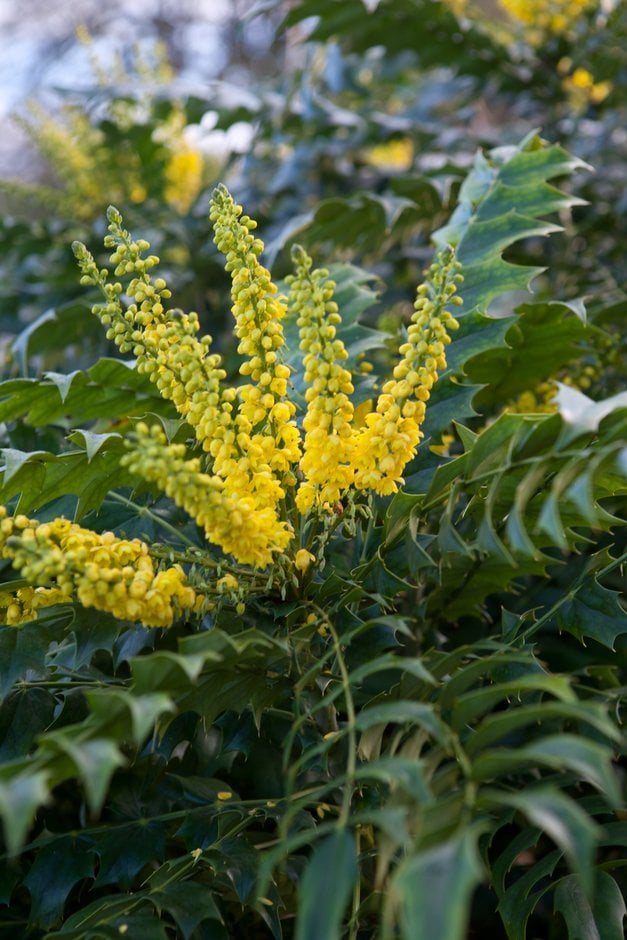
Mahonia × media ‘Winter Sun’ is a steadfast evergreen shrub that quietly supports garden wildlife through the leanest months of the year. Upright and architectural, its of long, holly-like leaves form a dense, prickly cover that offers valuable shelter and nesting sites for birds. From late autumn into early spring, arching racemes of bright yellow, honey-scented flowers rise above the foliage, providing a welcome source of for bees when little else is in bloom. These are followed by clusters of deep purple-black berries, eagerly taken by blackbirds, thrushes and other garden visitors. Tough, pest-resistant and thriving in most soil types, it is happiest in shade or partial shade. ‘Winter Sun’ grows into a striking, low-maintenance focal point, delivering colour, structure and vital winter sustenance year after year. Can reach heights of 4m (13ft). Hardiness rating H5.

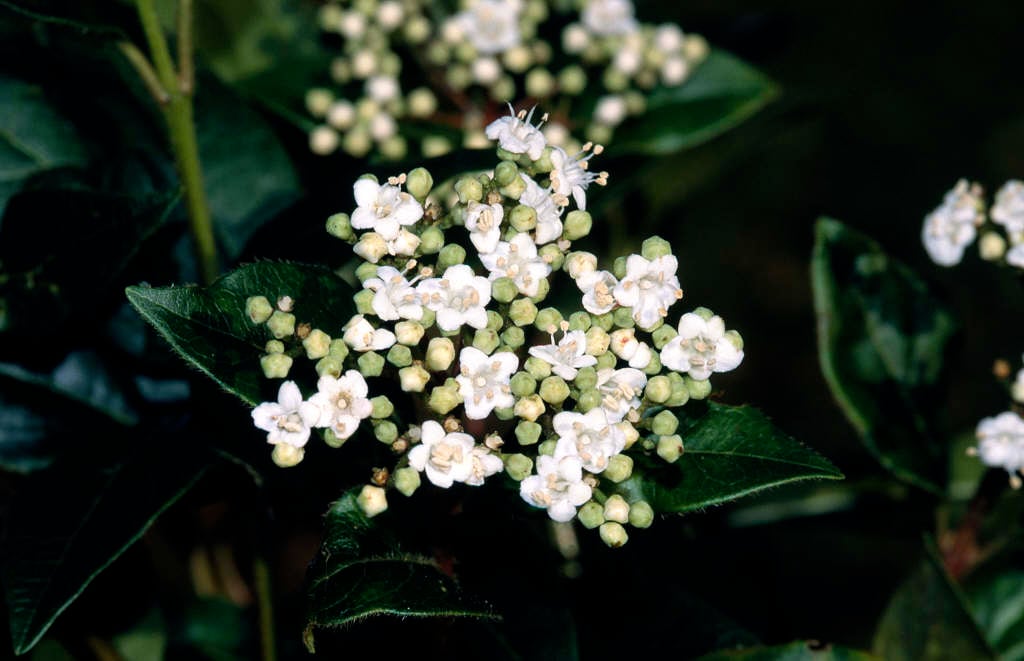
Viburnum tinus ‘French White’ is a vigorous, bushy evergreen shrub that brings welcome life to the garden at a time of year when little else is stirring. Its glossy, dark green leaves provide year-round structure and shelter, while from late winter into spring it carries dense clusters of tiny white flowers. These lightly fragrant flowers are rich in nectar, offering an important early food source for bees and other pollinators. Flowers are followed by blue-black berries that persist into autumn and winter, enjoyed by bullfinches and mistle thrushes. Although ‘French White’ can reach heights of 2.5m (8ft), it is more often used for hedging and can be easily trimmed to shape. This adaptable shrub thrives in sun or light shade, and in moist, well-drained soil, combining reliable evergreen presence with valuable sustenance for garden wildlife. Hardiness rating H4.

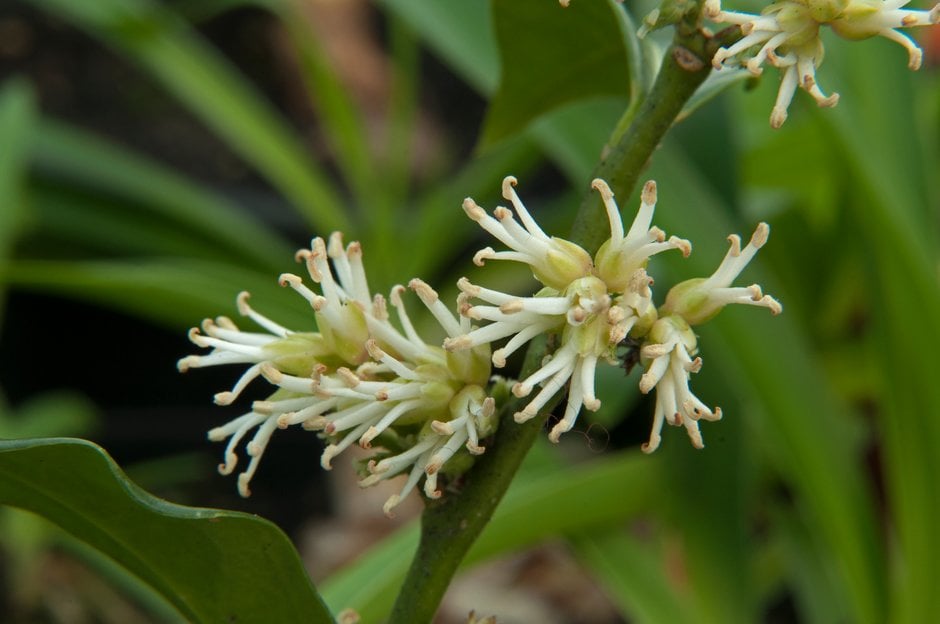
Sarcococca confusa, commonly known as sweet box, is an invaluable evergreen shrub that comes into its own in the depths of winter. Dense and bushy, it carries glossy, deep green leaves that provide year-round structure and shelter, thriving even in dry shade and challenging urban conditions. From December to March, small, creamy-white flowers hide among the foliage, their vanilla-like fragrance perfuming the air as they supply precious nectar for early pollinators. These are followed by glossy black berries that extend the plant’s seasonal interest for both gardeners and wildlife. Reaching up to 2m (6.5ft) and easily clipped if required, it is perfectly suited to shady borders, woodland gardens or hedging, and is especially rewarding when planted near paths or entrances, where its remarkable winter scent can be fully appreciated. Hardiness rating H5.

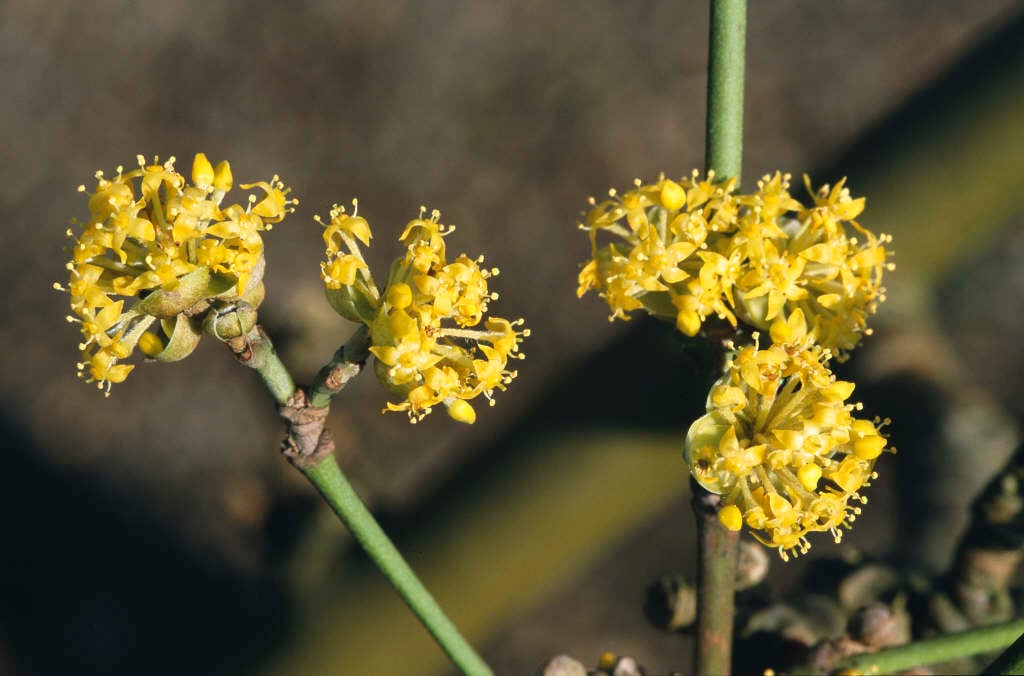
Cornus mas ‘Golden Glory’ is one of the earliest and most valuable shrubs for wildlife, lighting up the garden with clouds of golden-yellow flowers on bare stems from February into March, long before most plants have stirred into growth. These dense clusters act as bright beacons for hungry pollinators, offering a rich and easily accessible source of nectar and pollen at a critical moment for emerging bees, particularly early species such as mining bees. As the season progresses, glossy green foliage follows, often flushing reddish-purple in autumn, before a generous crop of bright red, cherry-like fruits develops in late summer. Relished by birds and small mammals alike, the berries extend their usefulness well beyond flowering. Upright, bushy and adaptable, ‘Golden Glory’ thrives in sun or partial shade in almost any well-drained soil, combining ornamental charm with exceptional ecological value. Can be grown as a shrub or a small tree reaching a height of 4m (12.5ft). Hardiness rating H6.

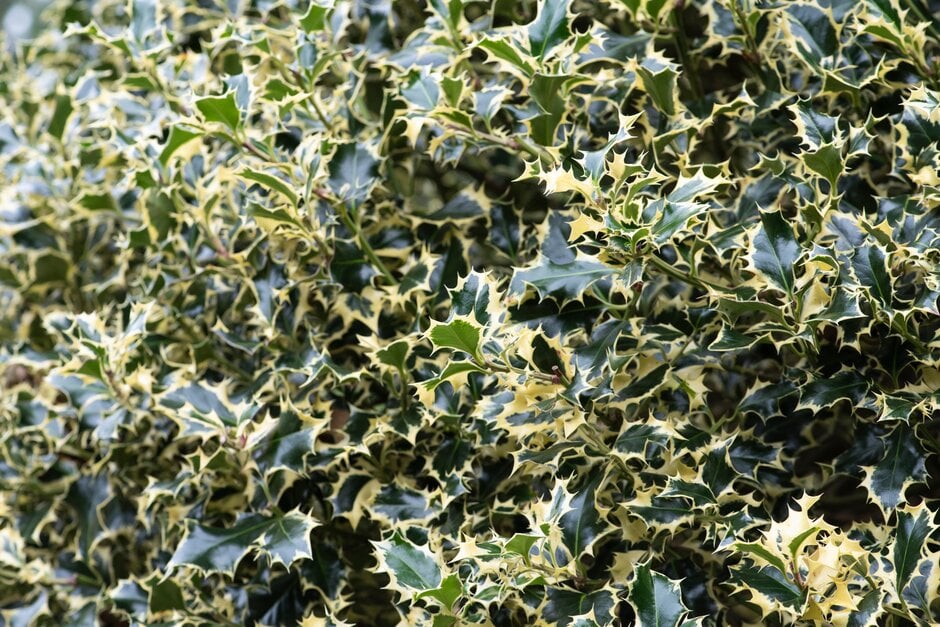
Ilex aquifolium ‘Argentea Marginata’ (f/v)is a handsome, , broad-leaved holly that earns its place in the garden as much for wildlife value as for winter beauty. It forms a dense, conical-shaped tree clothed in spiny, cream-edged leaves. The young growth is often softly flushed pink, adding an extra note of colour in spring. Small, nectar-rich white flowers follow, attracting bees and other early pollinators, while by autumn the branches are laden with bright red berries that persist through the colder months, sustaining thrushes, robins and other birds when food is scarce. It is also a valuable caterpillar food plant: the larvae of the Holly Blue feed on the developing buds and berries, quietly linking this classic evergreen to the next generation of butterflies. Resilient to pollution and coastal conditions, it works beautifully as either a specimen or dense hedge, adding structure, colour and life to the garden. In the darkest months, few sights are more cheering than its glossy foliage and jewel-like fruits alive with visiting wildlife. Can reach heights over 12m (40ft). Hardiness rating H6.

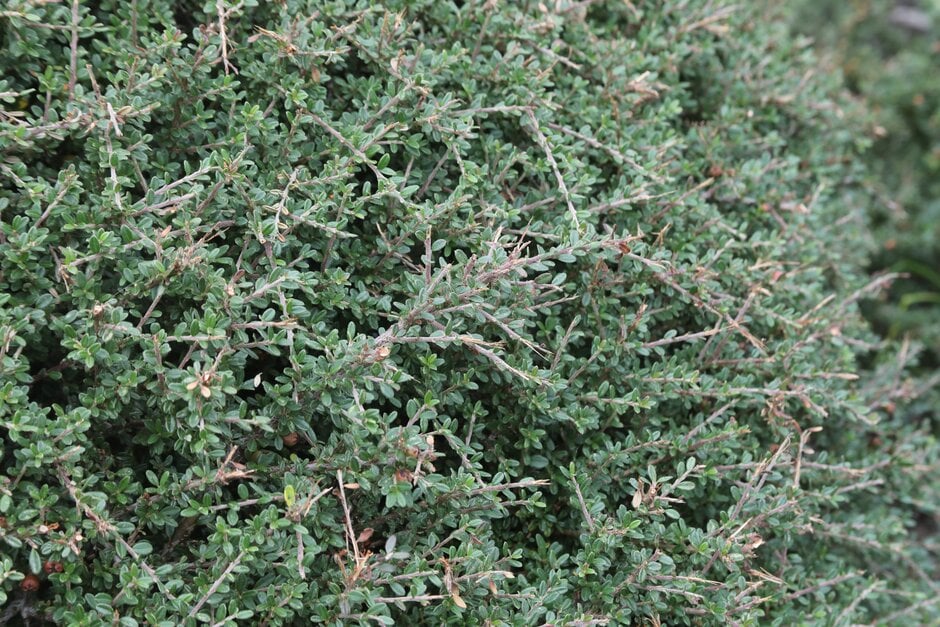
Cotoneaster conspicuus ‘Decorus’ is a low spreading and wonderfully resilient evergreen shrub which forms a graceful carpet of arching branches clothed in narrow, glossy dark green leaves that catch the light all year round. In late spring and early summer, the stems are dusted with a profusion of small, starry white flowers, rich in nectar and alive with bees and other pollinators, before giving way to generous clusters of red-orange berries that persist deep into winter. These bright fruits provide a vital feast for birds when food is scarce, while the dense, twiggy growth offers valuable shelter and nesting cover. Tough enough for exposed, coastal or drought-prone sites and equally at home in heavy soils, it makes an excellent groundcover or low hedge, knitting together beds and borders while quietly sustaining wildlife through every season. Can reach heights of 1.5m (5ft) and a spread of 2.5m (8ft). Hardiness rating H6.

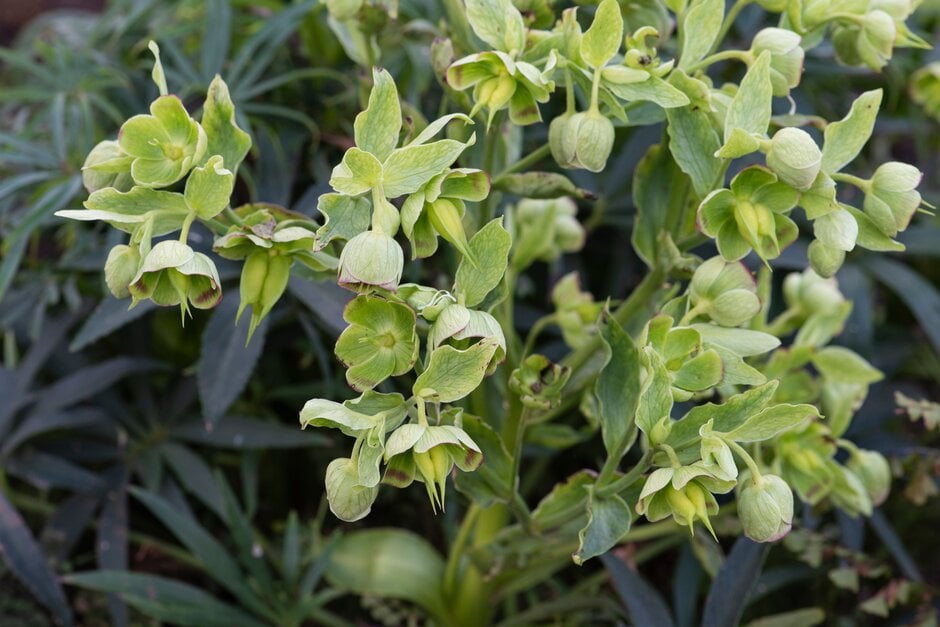
Helleborus foetidus, commonly known as ‘stinking hellebore’, is a striking, clump-forming evergreen of around 60cm (2ft), that brings architectural elegance to the winter and early spring garden. Its deeply divided, almost ferny-shaped leaves form compact, dark green clumps that provide year-round structure, while from January to April the plants bear airy clusters of nodding, pale green flowers edged with purple. These unusual bell-shaped blooms are rich in nectar, offering one of the first food sources of the year for early-emerging bees. Hardy and adaptable, it thrives in moist, humus-rich soil in partial shade, making it perfect beneath deciduous shrubs or in woodland-style borders. Despite its pungent foliage when crushed, ‘Helleborus foetidus’ rewards both gardeners and wildlife alike, lighting up cold months with subtle colour, shelter, and sustenance. Hardiness rating H7.

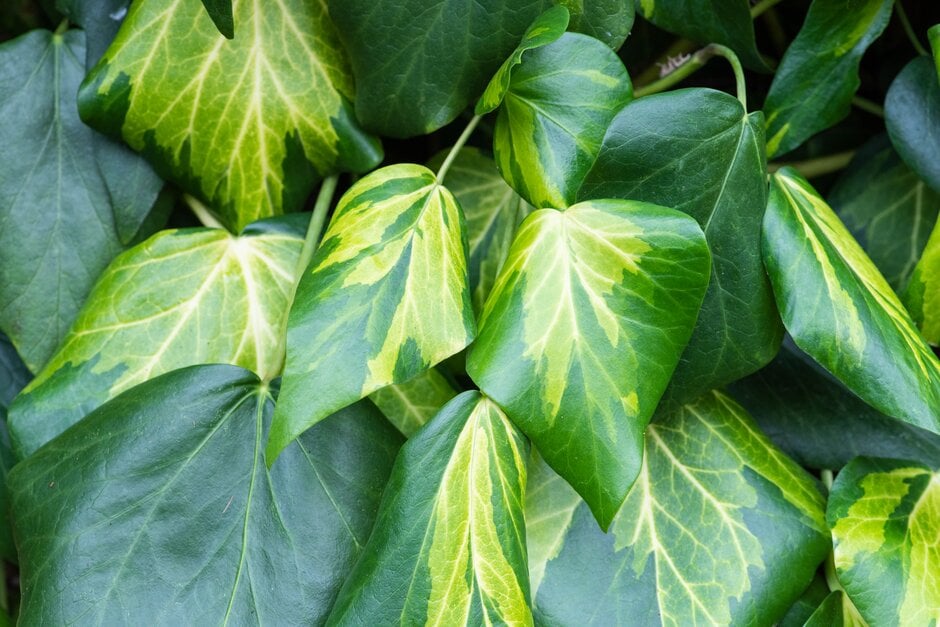
Hedera colchica ‘Sulphur Heart’ (v)is a vigorous, evergreen climber with large, heart-shaped leaves of mid-green splashed with bright yellow at the centre. As the plant matures, the becomes more pronounced, adding luminous interest to shady walls, fences, or woodland corners. In autumn, it produces relatively large, spherical clusters of greenish-cream flowers, rich in nectar and pollen, offering a late-season banquet for bees, butterflies, and other pollinators. Birds are attracted to the seeds, while the dense, self-clinging growth provides shelter and nesting sites for a variety of wildlife. This versatile Persian ivy also serves as a caterpillar food plant, quietly supporting the next generation of garden butterflies and moths. Equally at home as a tough, durable groundcover or a climbing specimen, ‘Sulphur Heart’ thrives in a wide range of soils and light conditions, combining ornamental appeal with year-round ecological value. Can reach heights of 8m. Hardiness rating H5.

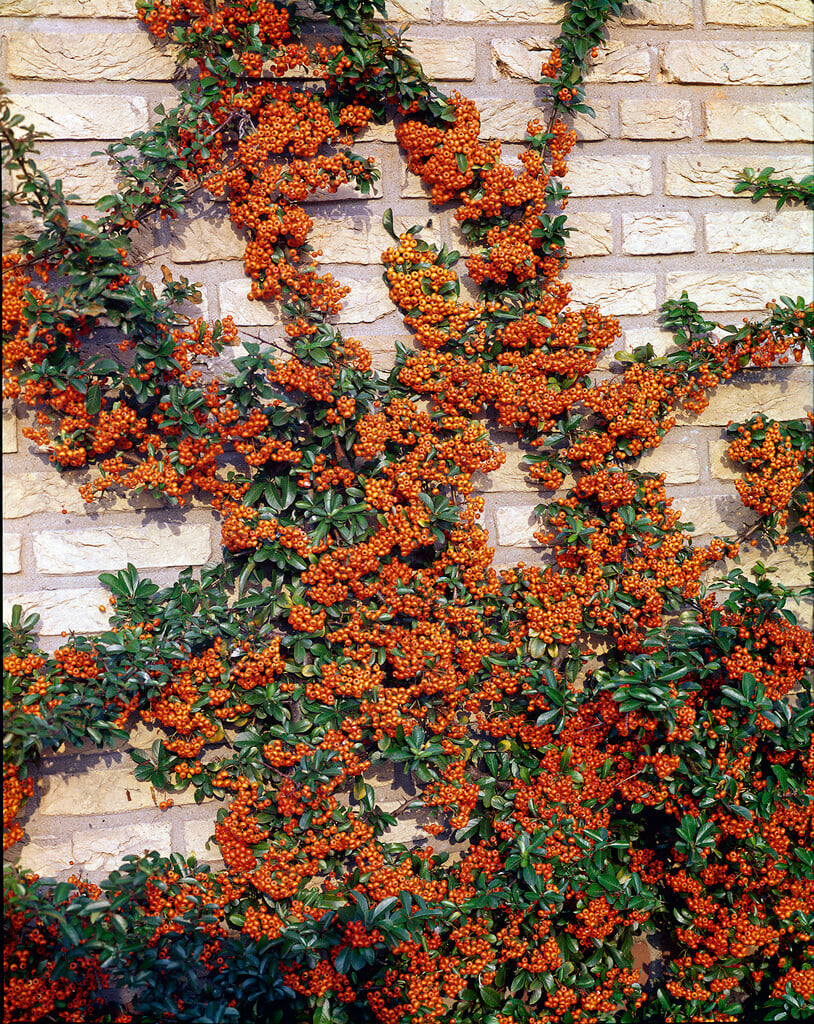
Pyracantha ‘Orange Glow’is a robust, evergreen shrub that earns its place in the garden as both protector and provider. Clothed in glossy, dark green foliage and armed with a lattice of thorny stems, it forms a dense, secure framework that offers small birds safe nesting and shelter throughout the year. In early summer, clouds of creamy-white flowers draw in bees and other pollinators, before giving way to a spectacular autumn show of luminous orange berries that gleam against the leaves like embers. These long-lasting fruits persist well into winter, becoming a valuable source of nourishment for blackbirds, thrushes, starlings and other hungry visitors. Fast-growing, tough and adaptable, it thrives in most soil types and positions, making it an invaluable hedge or wall shrub that combines vibrant seasonal colour with steadfast wildlife support. Can grow to a height of 2.5m (8ft). Hardiness rating H6.

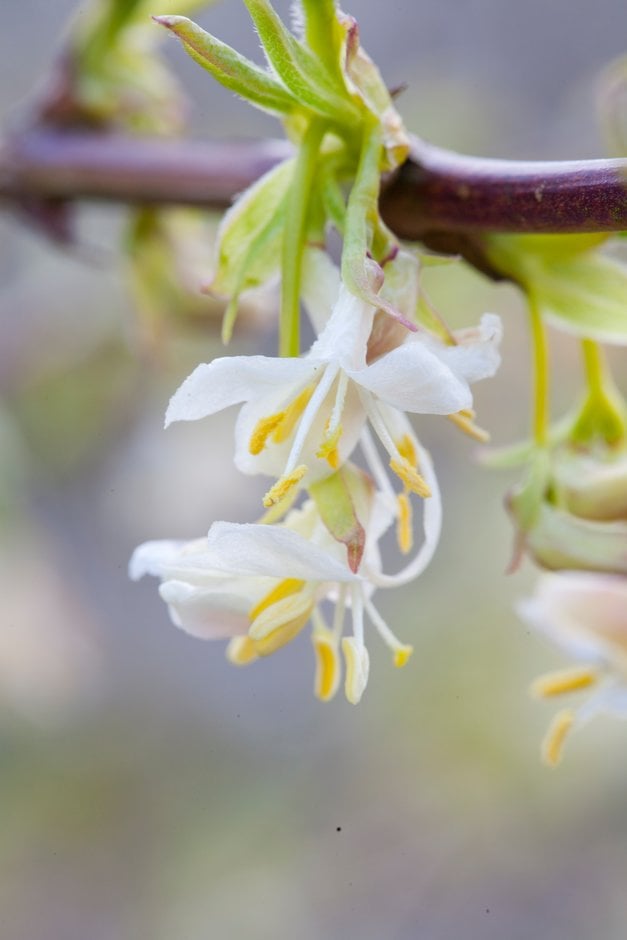
Lonicera × purpusii ‘Winter Beauty’ is among the most admired of the winter-flowering honeysuckles, bringing life and fragrance to the garden when little else stirs. From the coldest months through early spring, it produces an abundance of glistening white blooms each tipped with bright yellow anthers. These sweet, lemon-scented flowers are rich in nectar, providing a vital food source for bumblebees and other pollinators when little else is available. Occasionally, the display is followed by clusters of red berries in spring, making an irresistible treat for birds. A deciduous or semi-evergreen climber that is happy in full sun or partial shade, can reach heights of 2.5m (8ft). Hardiness rating H6.
RHS hardiness rating
The system of hardiness ratings enables gardeners to understand the hardiness of plants and gives a guide to the best growing conditions.
Find out more >