
Top 10 patio plants for bees
Get your outdoor space buzzing with these pollinator friendly, award-winning pot plants

Battle the winter blues with beautiful blooms – they'll help bees get through a tough time and lift your spirits too
My spirits soar when I set foot in the garden on a sunny winter's day and find grateful bees landing on freshly-opened flowers. Almost anything you plant that flowers between September and March will be particularly valuable to bees. In turn they will help you out later in the year by pollinating many food crops such as apples, blueberries and raspberries.
Seeing these gardening allies enjoying flowers even more than we humans do is a life-affirming reminder that life goes on and warmer days are just around the corner. Here are some of my favourite winter flowers that bees love too.
Top tip: to maximise benefits to pollinators, try to buy plants from pesticide-free suppliers if you can. Our list of organic nurseries is a good starting point for sourcing organic plants.
Alternatively, try growing plants from seed, or nabbing divisions/cuttings from a neighbour – which keeps costs down, too!
Find out more
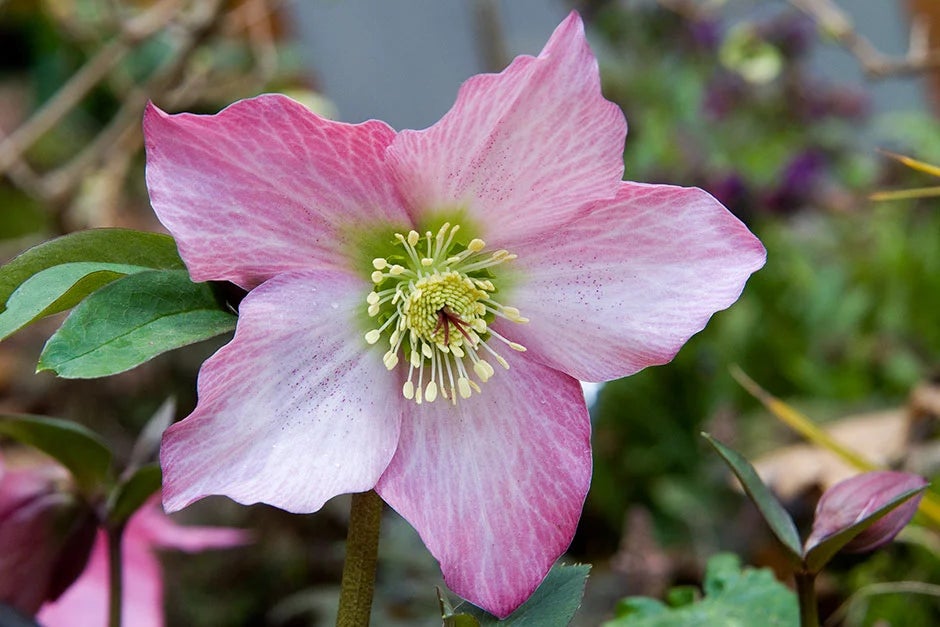
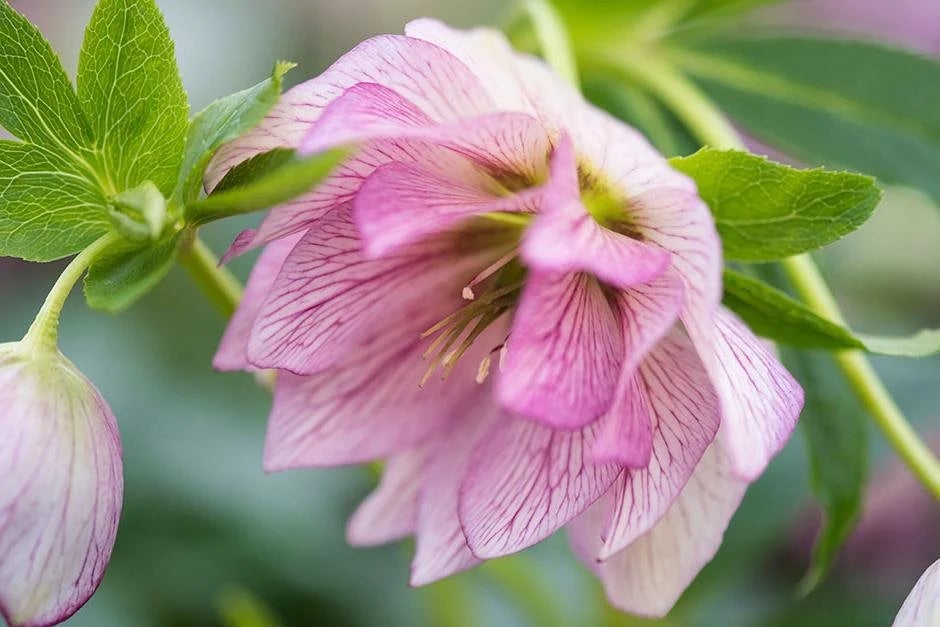
Hellebores make wonderful, long-lived garden plants. There are hundreds of different varieties available, in colours from apricot to reds, purples, oranges, pinks and even greens. Bees love them all, as long as the flowers are single, rather than double. In double flowers, some or all of the pollen and -bearing parts have been turned into petals, so there's less food for the bees, and it's less accessible to them.
Although it has a horrid name, the stinking hellebore (Helleborus foetidus) is a wonderful native plant that flowers in even the coldest weather and is adored by bees.
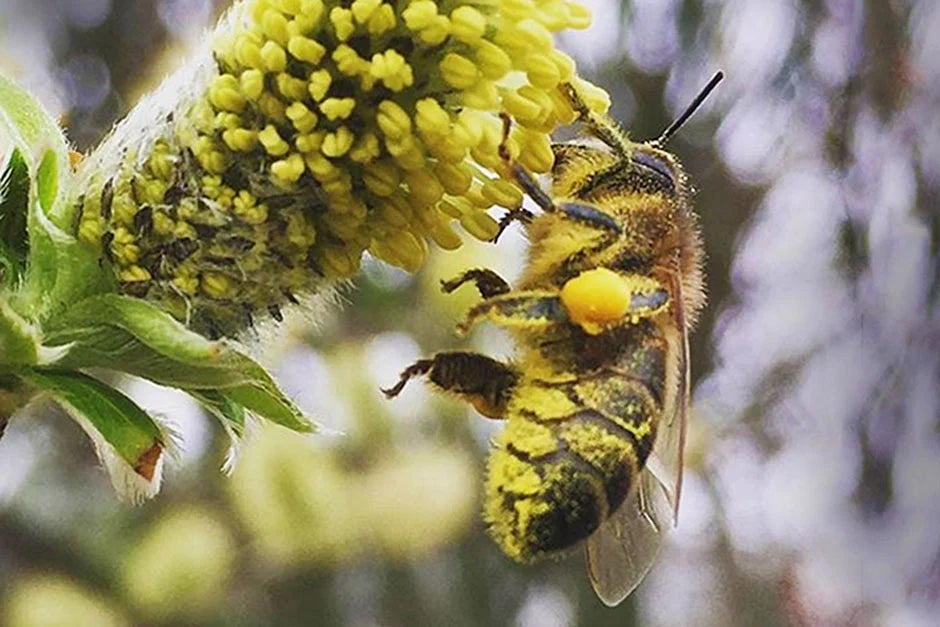
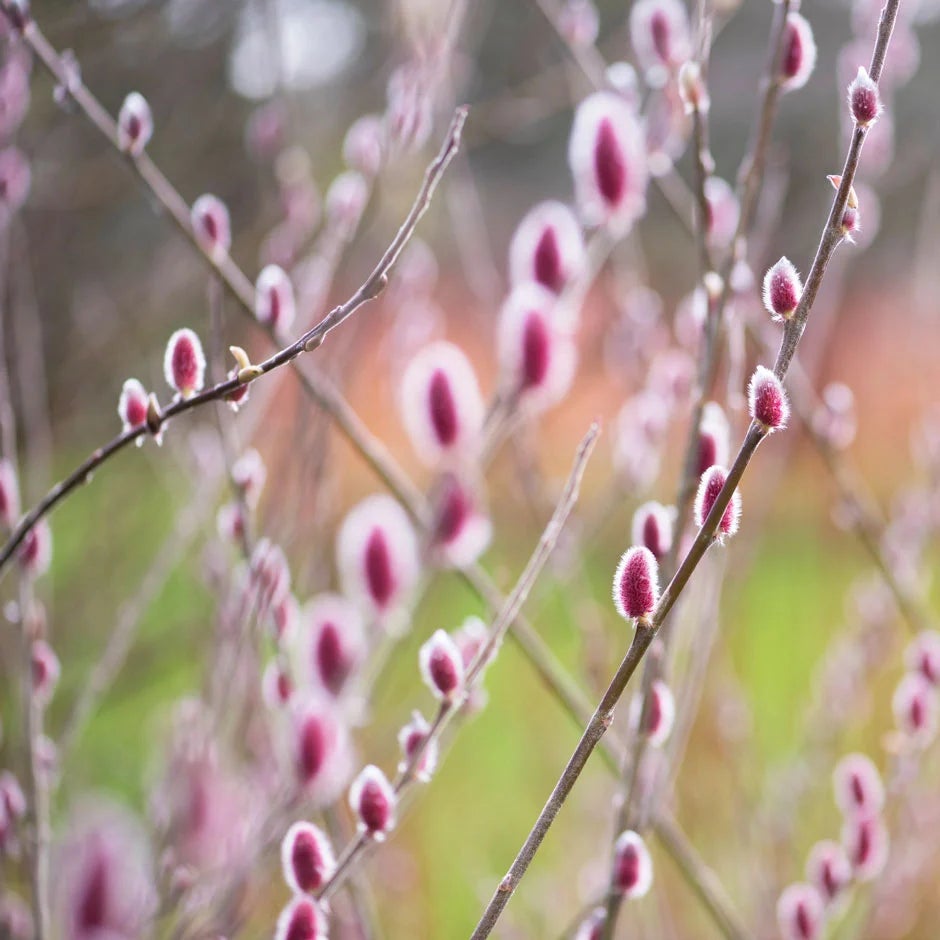
It might seem surprising to list willows as a good plant for bees, seeing as they don't have 'flowers' as such. However, their catkins are an excellent source of pollen, which is nutritious and full of protein. There are numerous varieties of willow, many of which are grown for their fantastic winter stem colour. To get the best colour, cut them back annually after the catkins have fallen off in spring – but only once they have had a few years to get established. That way you'll ensure the plants are vigorous enough to make catkins every year.
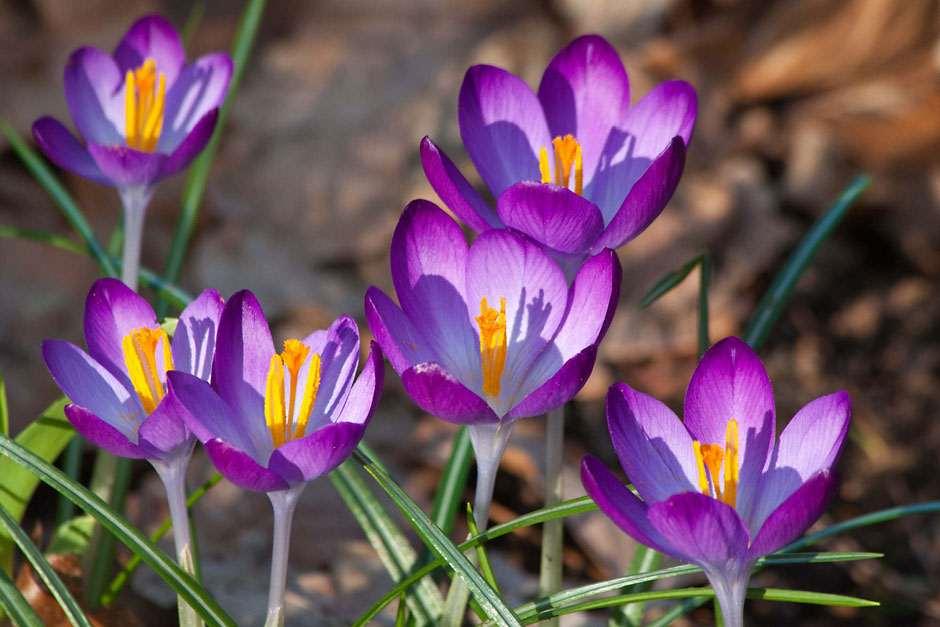
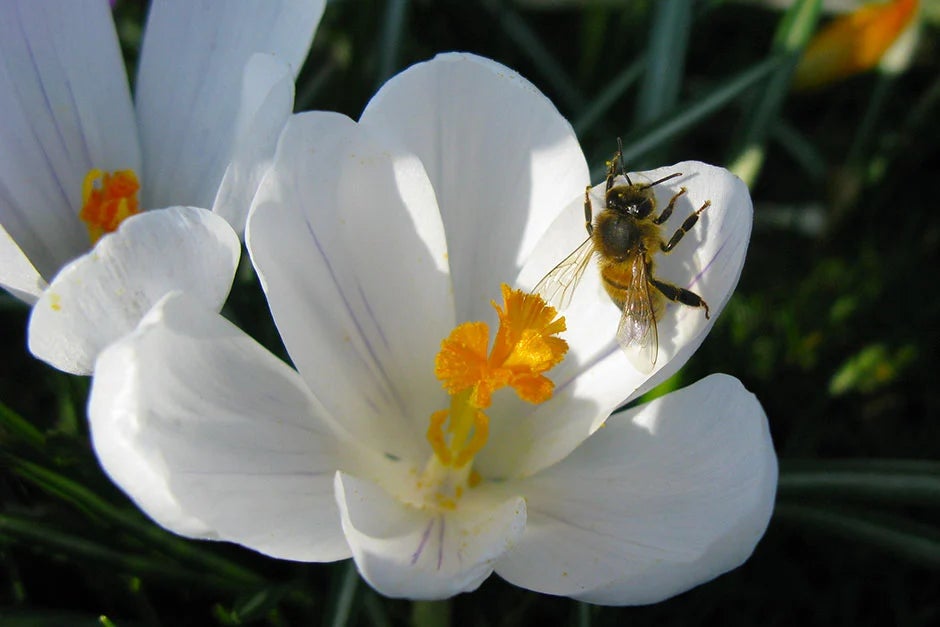
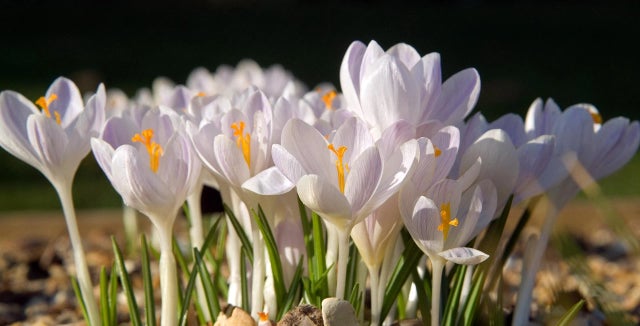
Crocuses have a lot to recommend them. They're cheap to buy, pretty, and come in lots of different colours. Bees love them too, as they provide plenty of nectar and pollen at a time when not much else is flowering. Plant them in a sunny spot so they'll open fully on cold winter days, giving easy access to grateful insects. If you're lucky they'll naturalise themselves, spreading around the garden and giving you years of low-maintenance colour.
Many crocuses grow well in lawns, making colourful carpets of early flowers that will delight people just as much as bees.

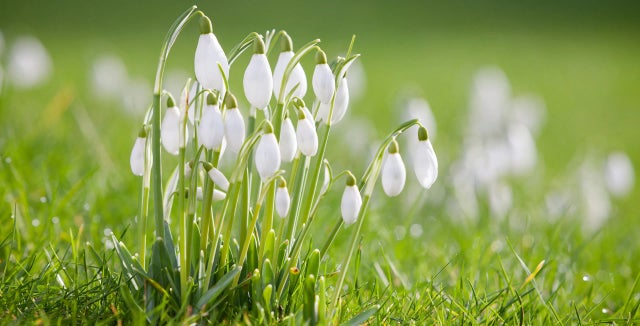
These small are absolute stars of the winter garden. They'll happily spread about in lightly-shaded areas, making drifts of flowers that are as beloved of people as by pollinating insects. Winter aconites (Eranthis) come in a range of sunny yellow-orange shades, while snowdrops are more subtle in whites and greens. Just be sure to choose single-flowered varieties to get maximum bee-benefit: simple species snowdrops such as Galanthus nivalis are ideal.
Both snowdrops and winter aconites prefer semi-shady spots where the soil doesn't dry out too much.

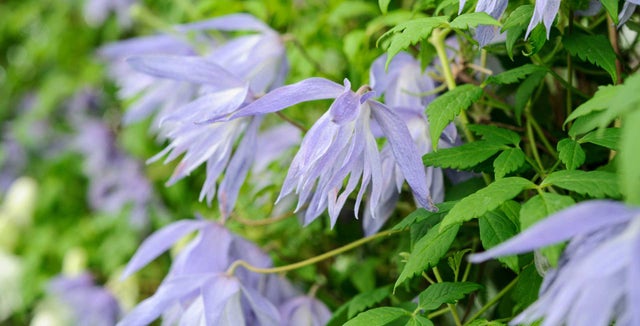
Winter-flowering clematis are useful evergreen climbers, perfect for growing up fences, pergolas or obelisks. Clematis cirrhosa is one of the best; it's hardy, scented and provides bee-friendly flowers throughout the coldest months of the year.
Plant Clematis cirrhosa in a sheltered spot close to a path or gateway, so you can enjoy its lemony fragrance.
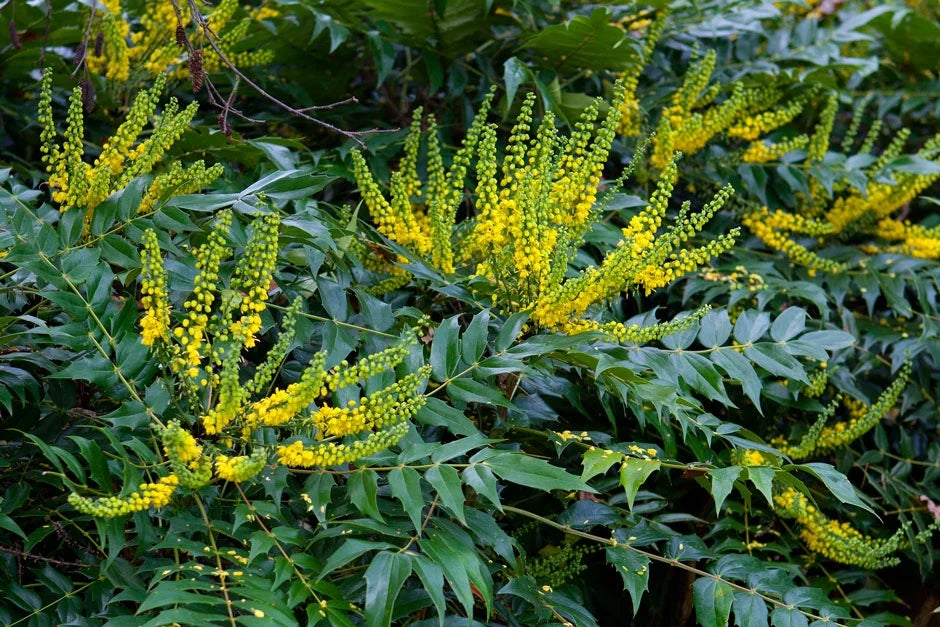
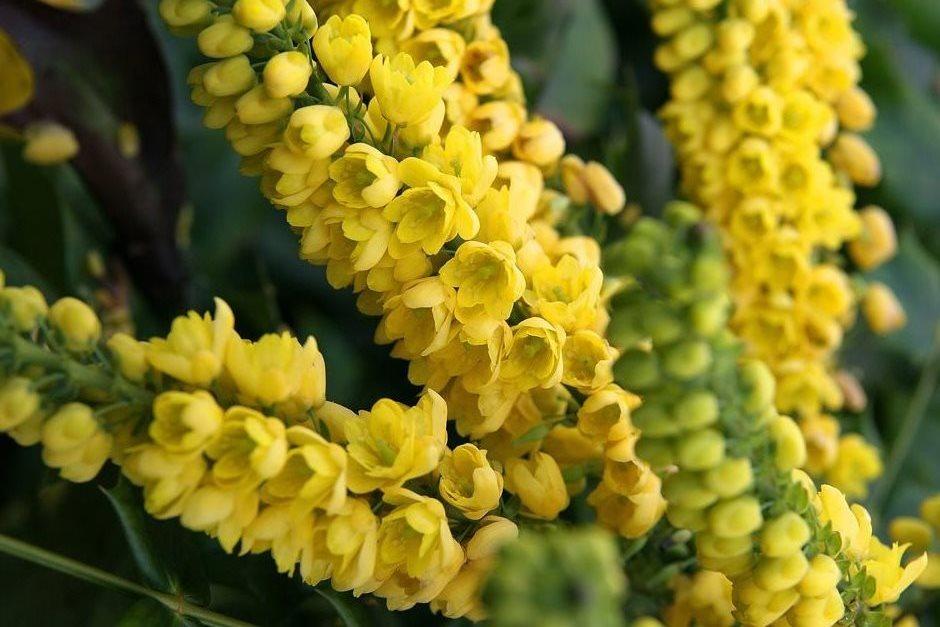
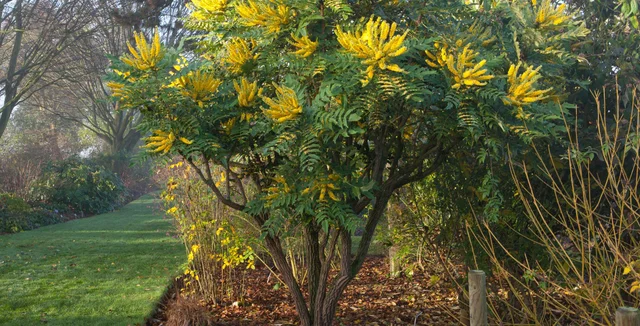
Mahonias are great bee plants. They flower over many weeks, starting with Mahonia × media types (including 'Charity' and 'Winter Sun') in late autumn and early winter; through to the holly-leafed mahonia, M. aquifolium, which flowers in late winter and early spring. Bees love their abundant nectar and they're easy to grow almost anywhere, even in shady spots.
Amazingly, some birds, especially blue tits, also feed on the nectar from mahonia flowers, giving them a much-needed winter sugar boost. Slightly less delicate in accessing the nectar than the bees, they will often rip the flowers to get to it! See the behaviour for yourself in this video.
Give mahonias plenty of room: plant them in wide borders where you'll have space to appreciate them.
What pollinators can I see in winter?
“You can see a few late butterflies such as red admirals up until October, on plants such as dahlias that flower through to the first frosts. However, insects active between November and February are most likely to be bees, especially queen bumblebees and honeybees, though this is very weather-dependent. From March onwards, you start to see the hairy-footed flower bee, which is one of the earliest of the solitary bees on the wing.”
– Helen Bostock, RHS Senior Wildlife Expert