RHS/Jason Ingram

Appearance
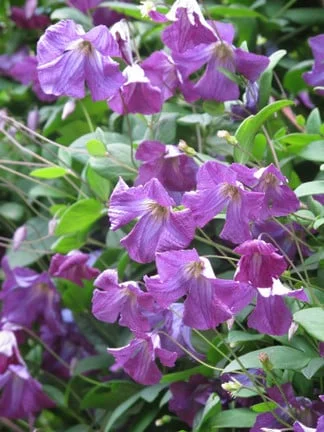
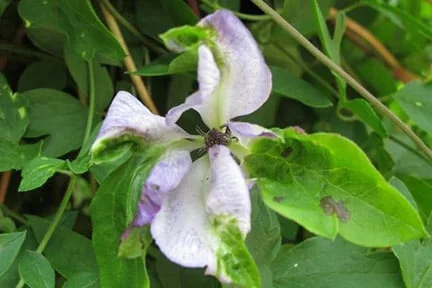
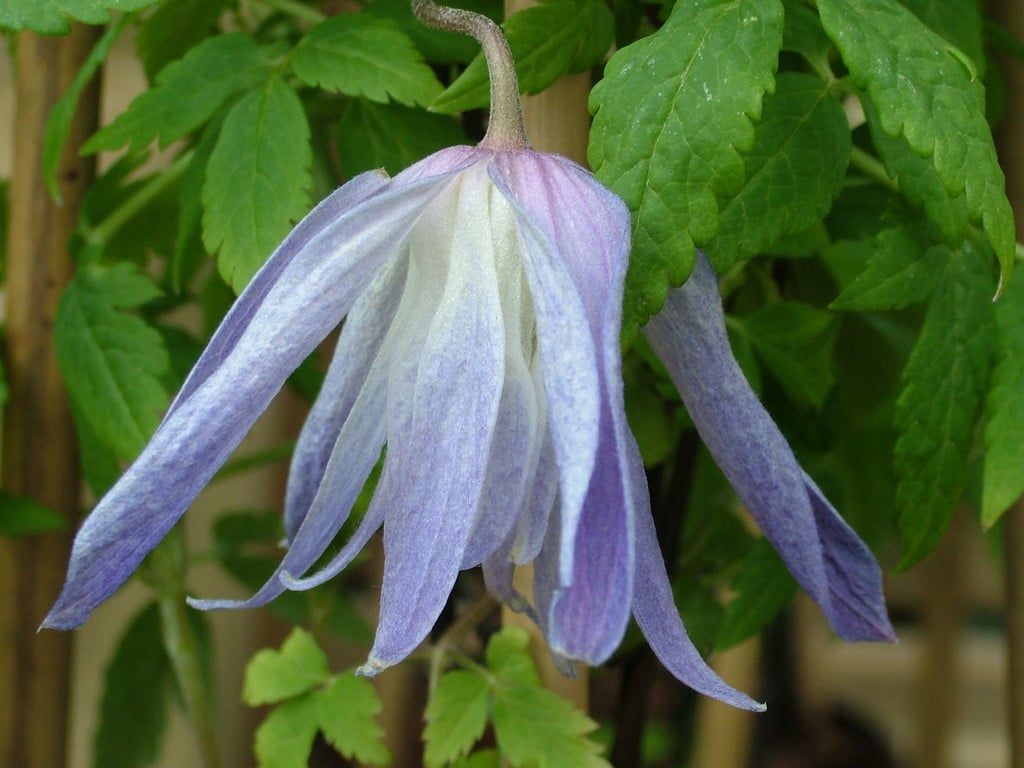
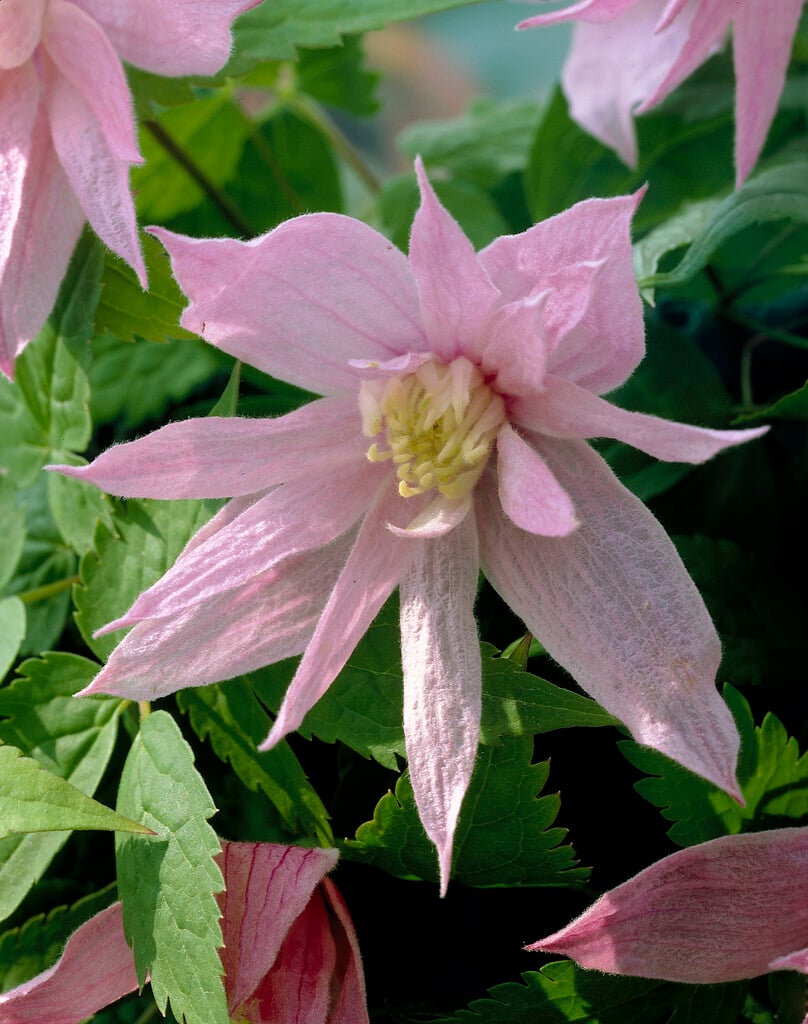
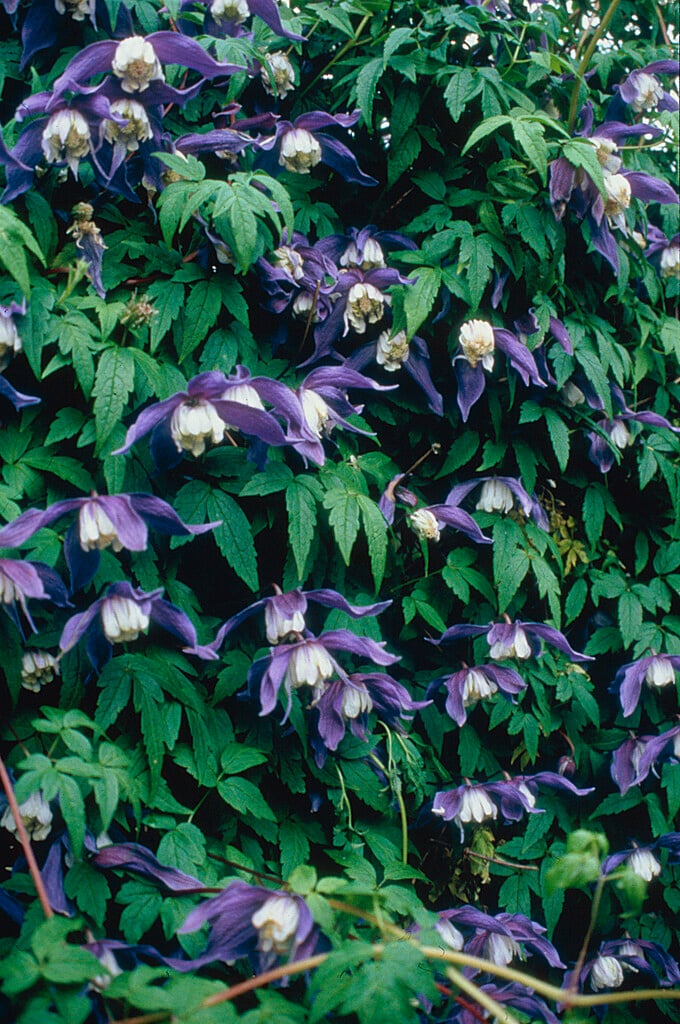
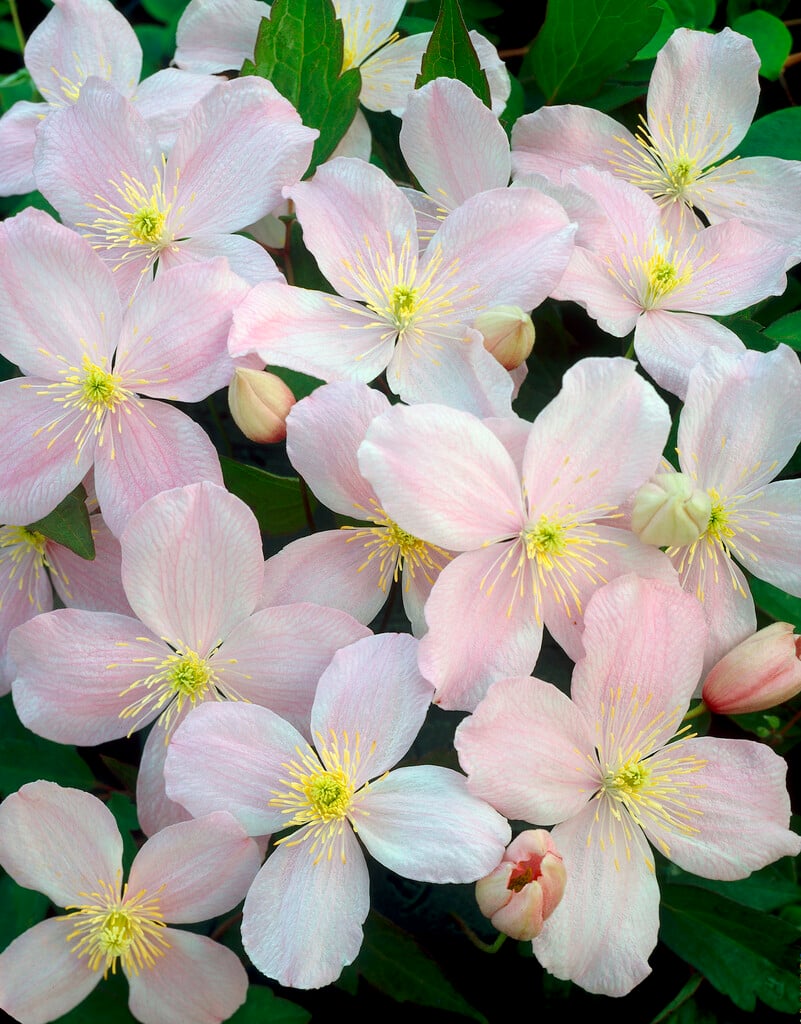
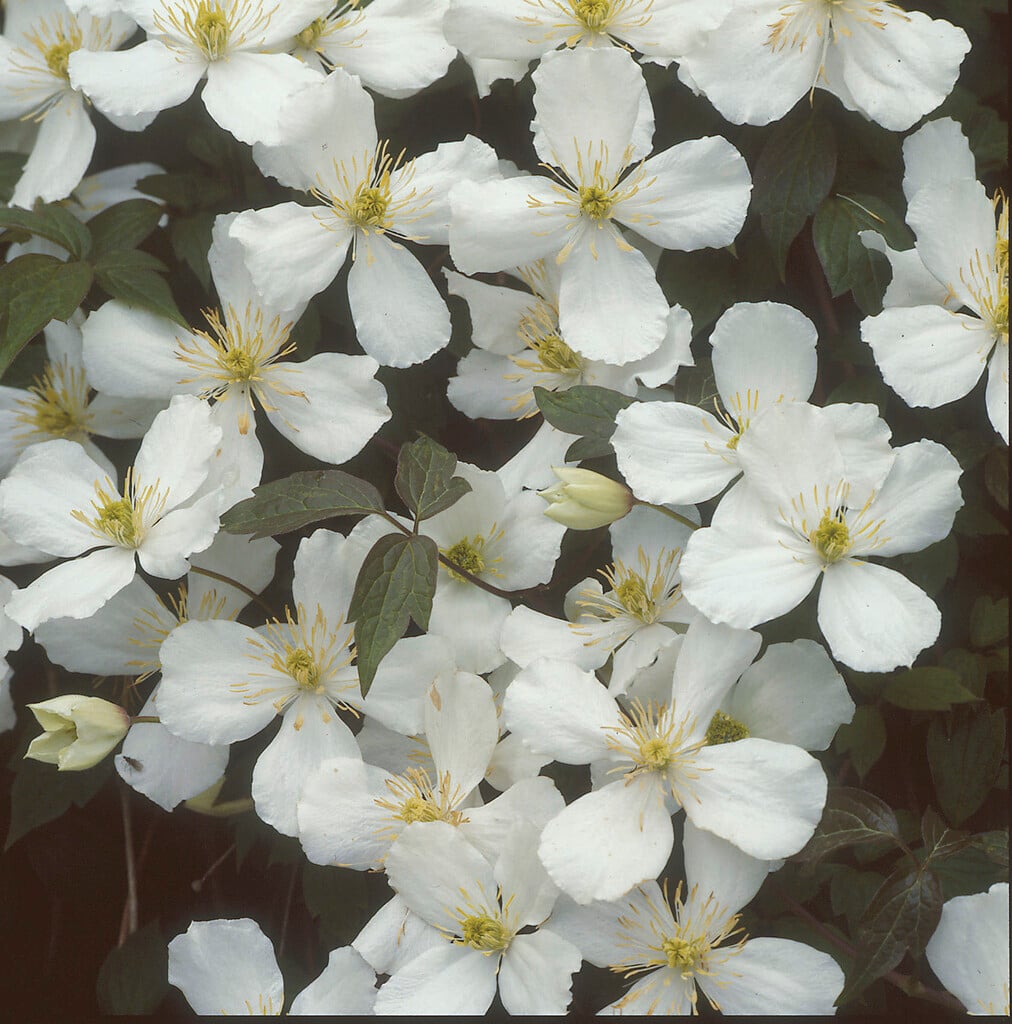
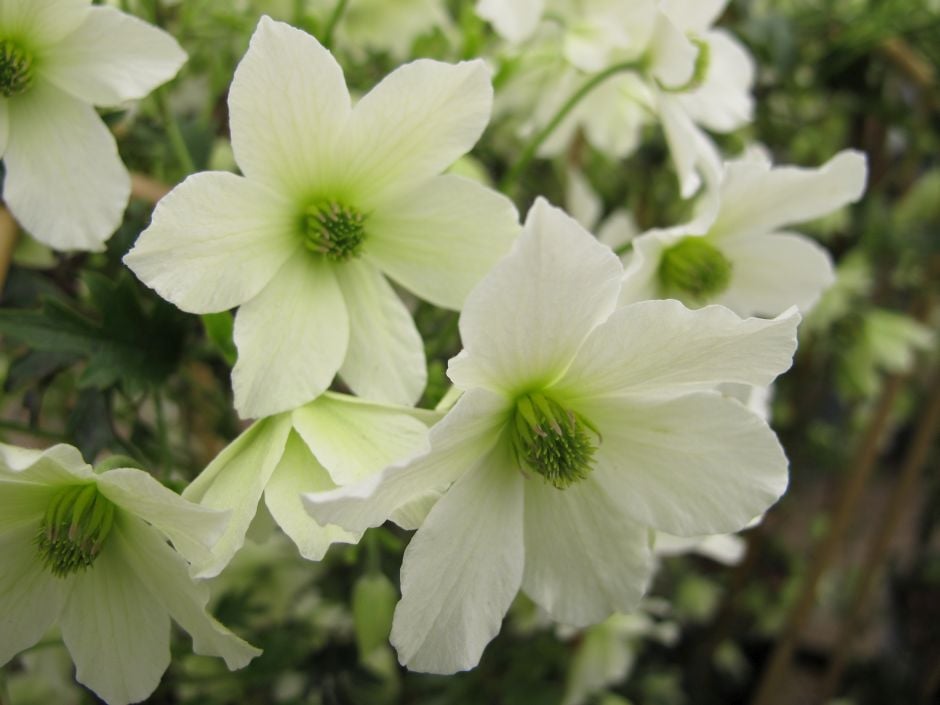
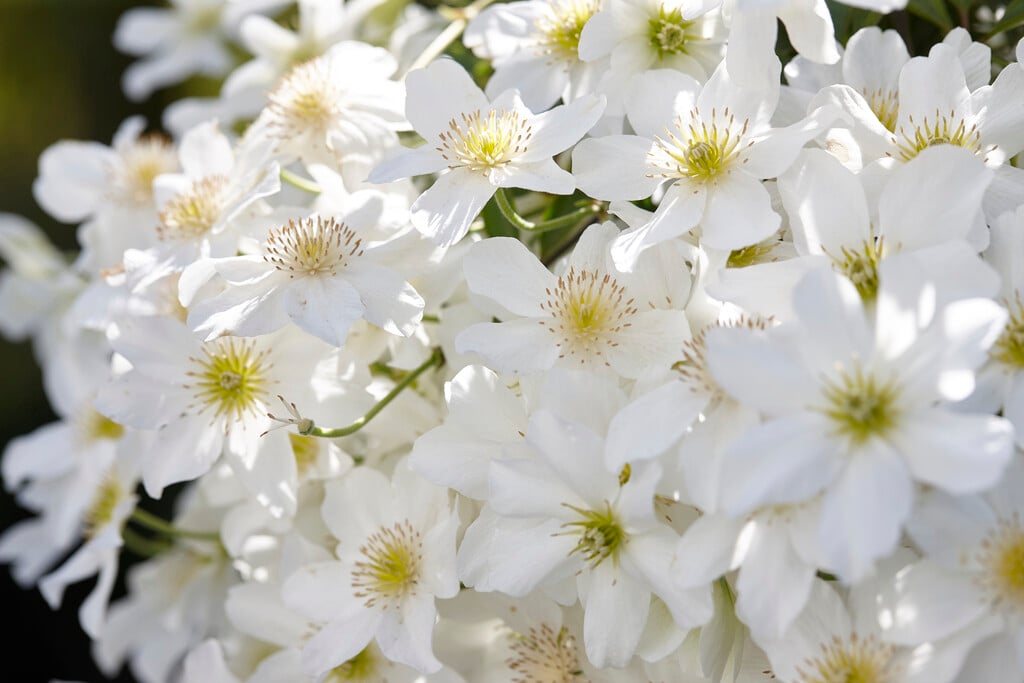
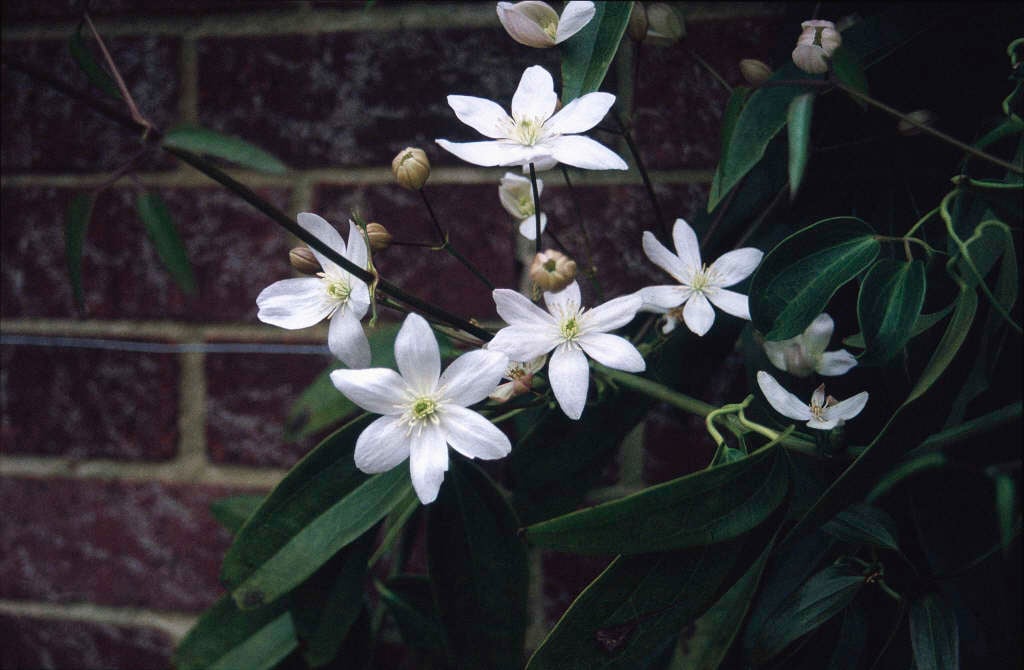
These clematis bear small, single or semi-double flowers in bell, star or saucer shapes, mostly in shades of white, pink and blue. Many also produce attractive, fluffy seedheads after flowering. Evergreen types, like Clematis cirrhosa, have glossy, dark green foliage, while some deciduous types like C. macropetala have attractive toothed leaves. Most reach between 2-4m high, the exceptions being the vigorous C. armandii and C. montana that can both reach over 8m unless contained by pruning.
Preferences
Clematis grow best in deep, fertile, moist but well-drained soil. They like cool conditions around their roots, so plant the base of the clematis in light shade or provide shading with other plants or a dressing of pebbles.
Dislikes
Poor, waterlogged, very acidic and heavy clay soils as well as excessive dryness during the summer, when plants may wilt. Evergreen types need a sheltered position, with protection from cold winds.
Did you know?
Clematis armandii and its cultivars are particularly prized for their fragrant, almond-scented flowers. Grow in a sunny, sheltered spot to best enjoy the perfume.
RHS Growing Guide
FREE
Read our comprehensive free RHS Growing Guide:
How to grow clematis

Introducing Winter and spring-flowering clematis
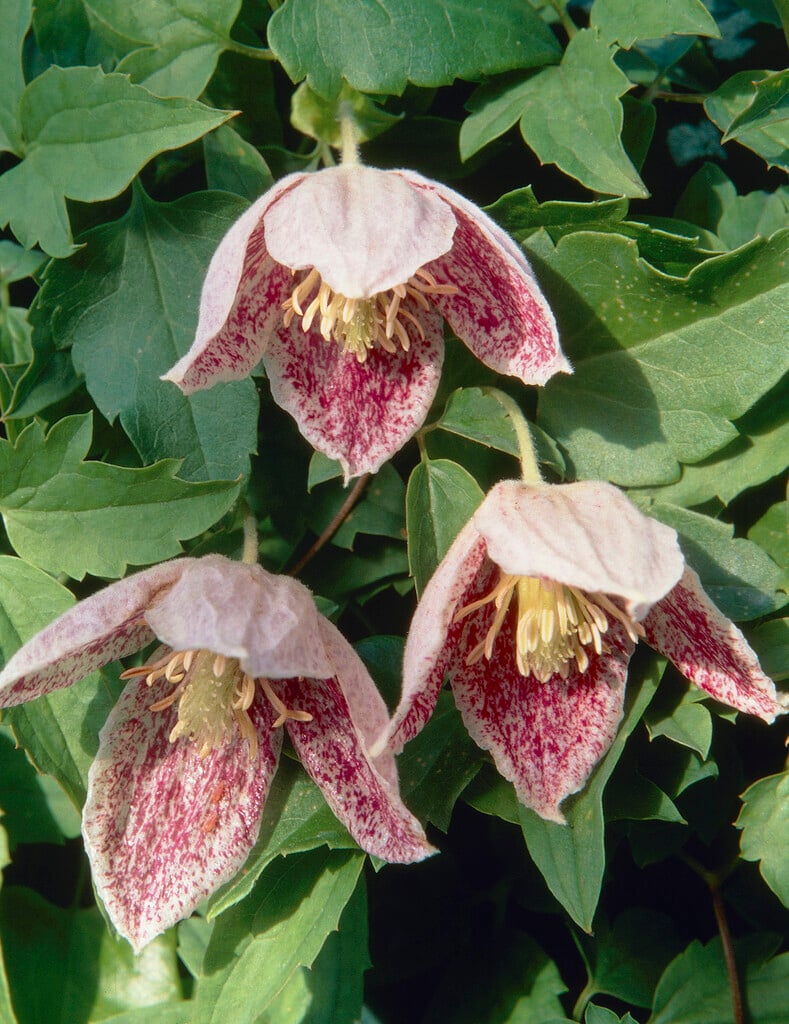
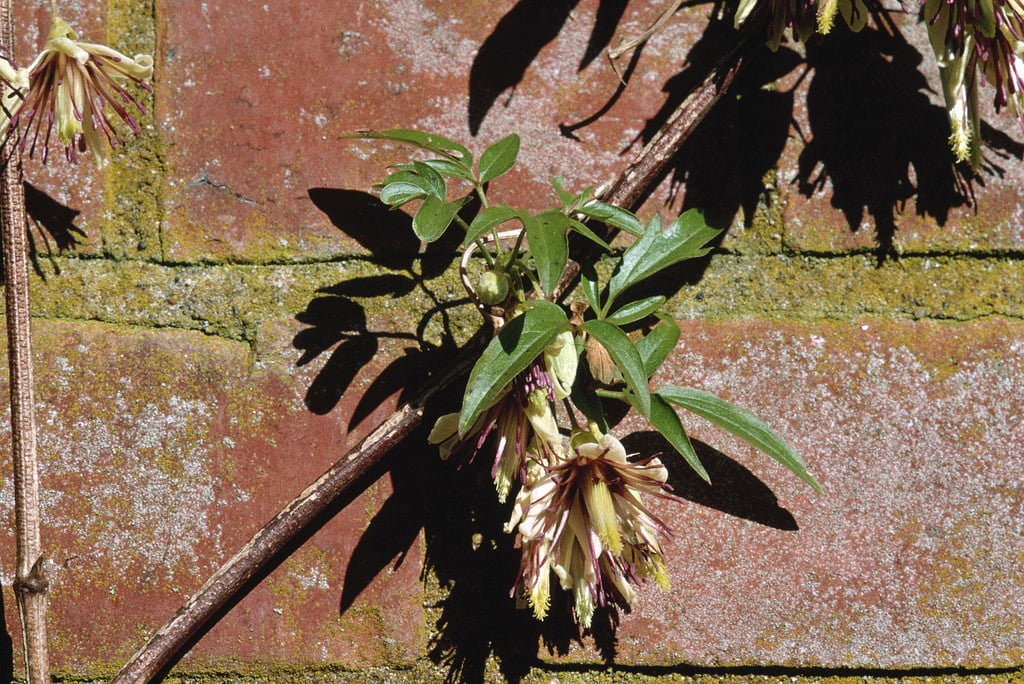
Clematis cirrhosa var. purpurascens 'Freckles' (C)
clematis 'Freckles'
- Height
- 2.5–4 metres
- Width
- 0.5–1 metres

x of x
Showing
x to x
of x