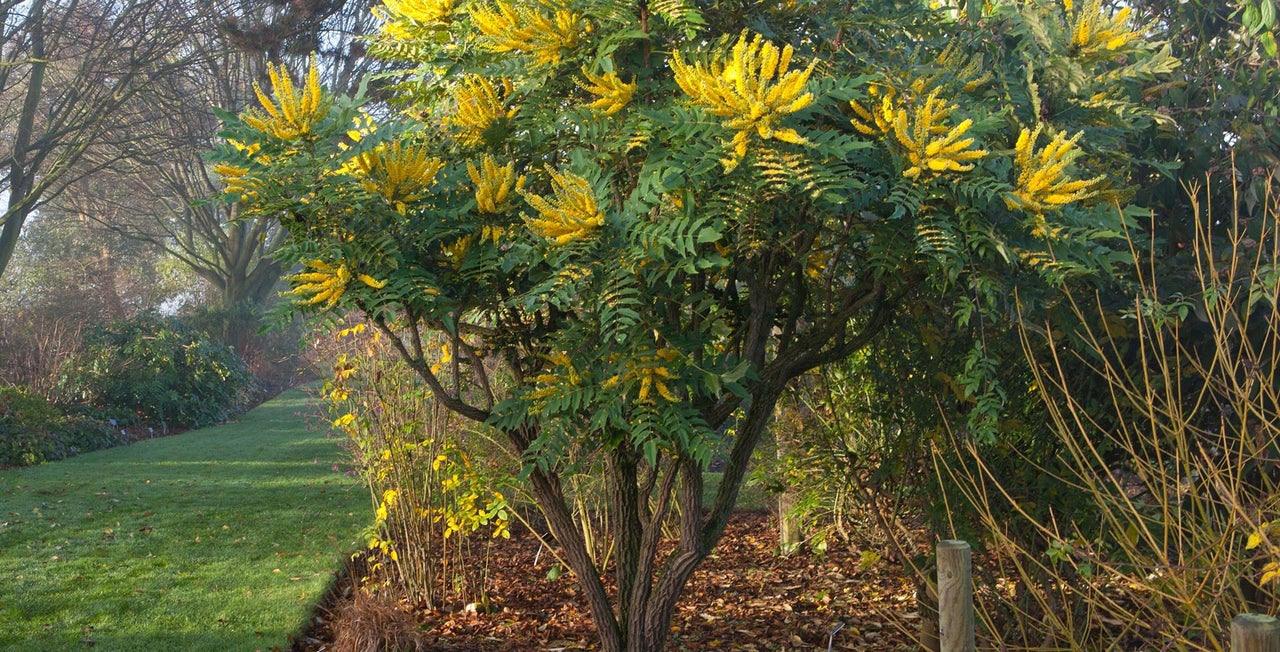
RHS/Mark Winwood

Appearance
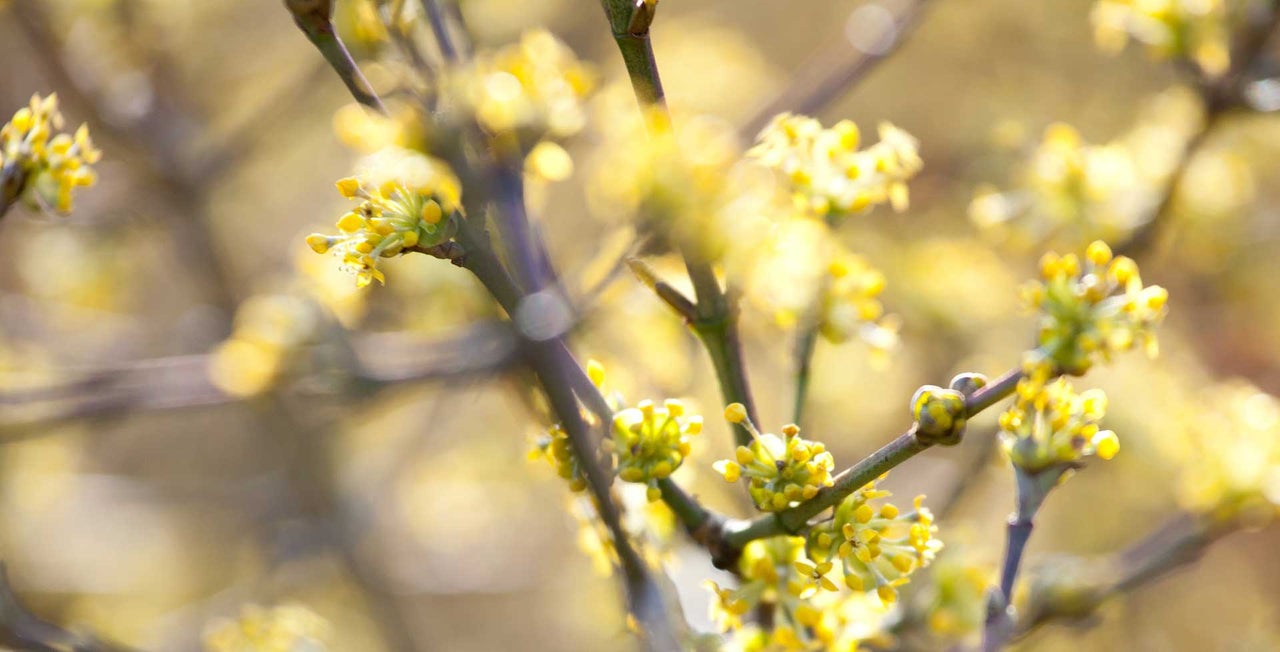
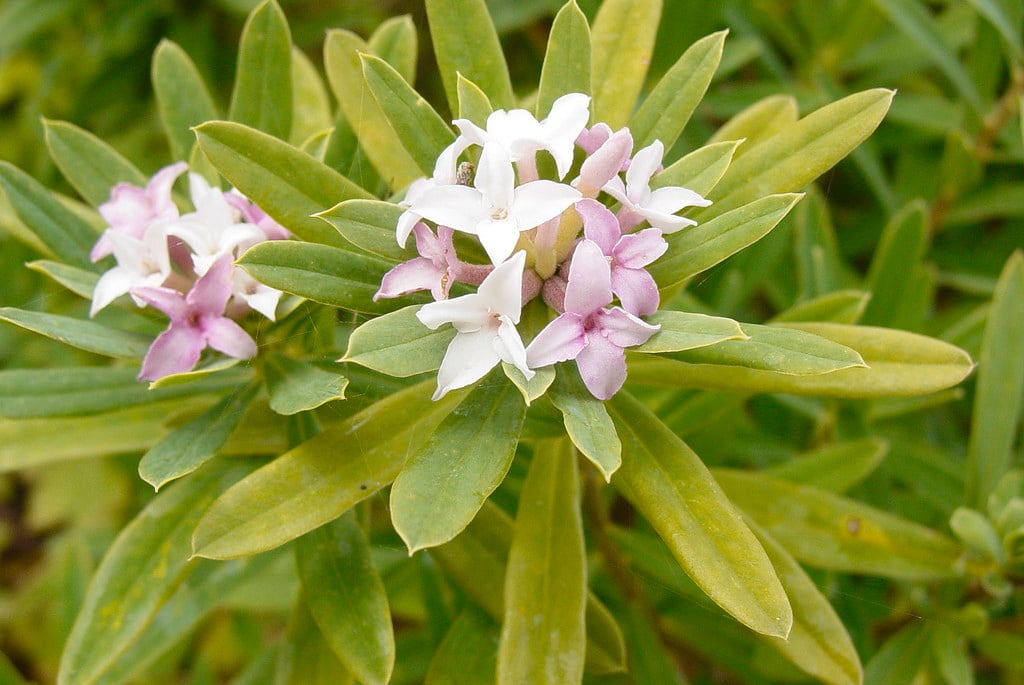
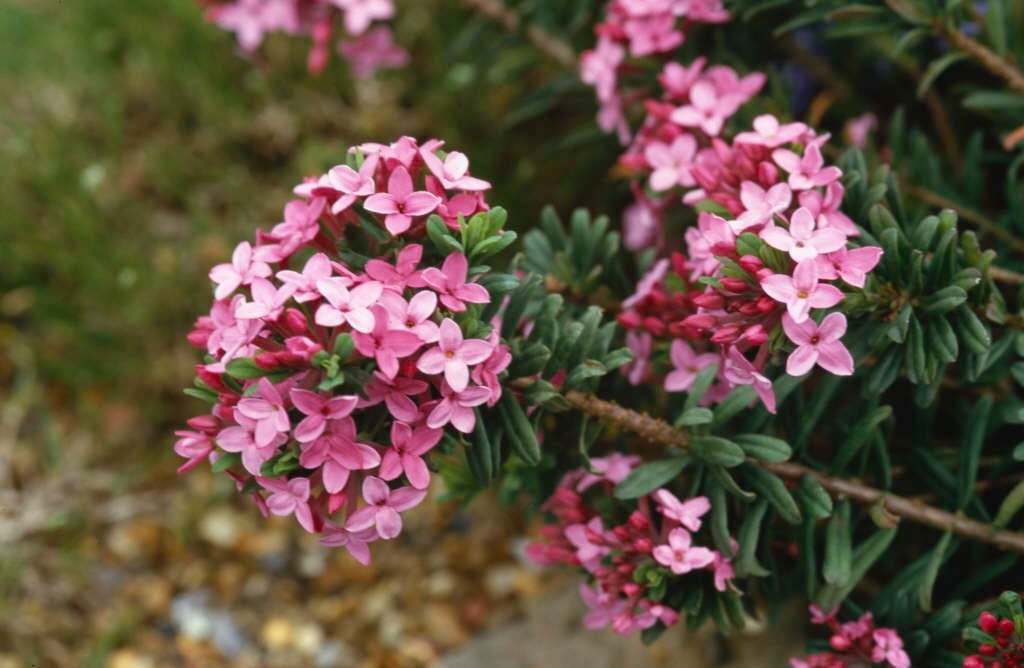
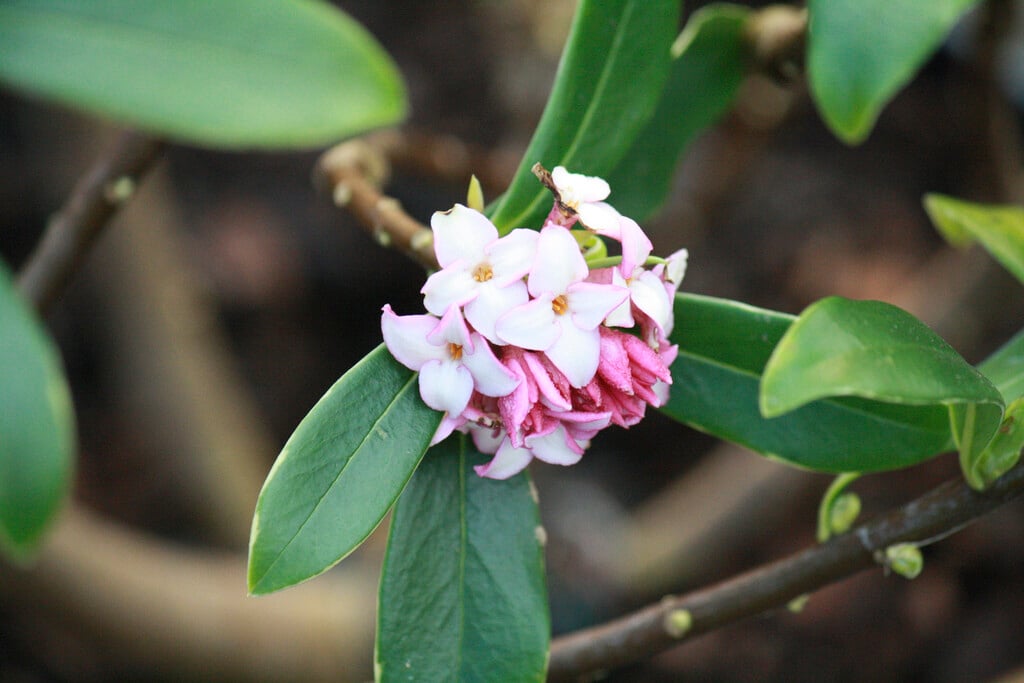
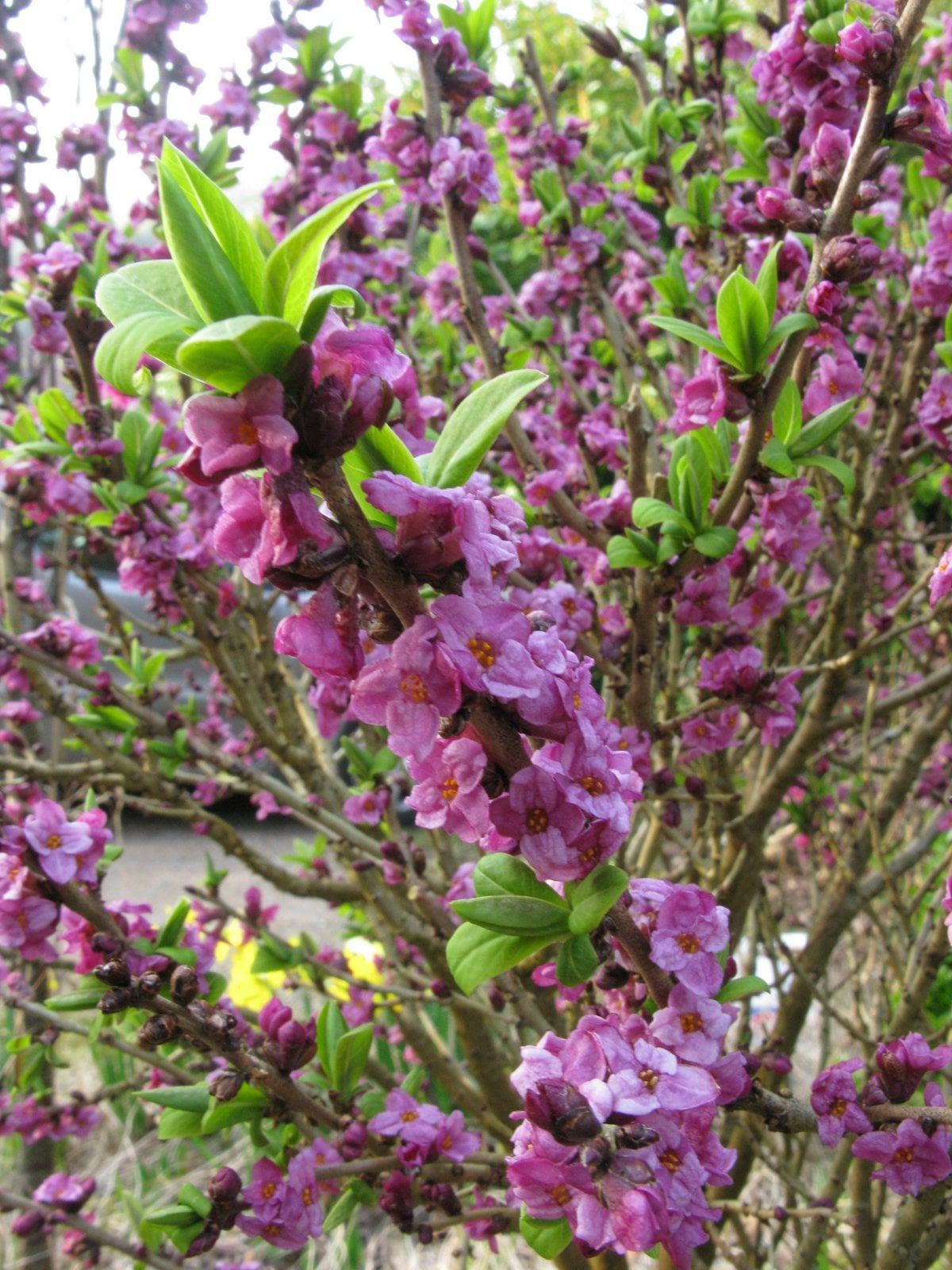
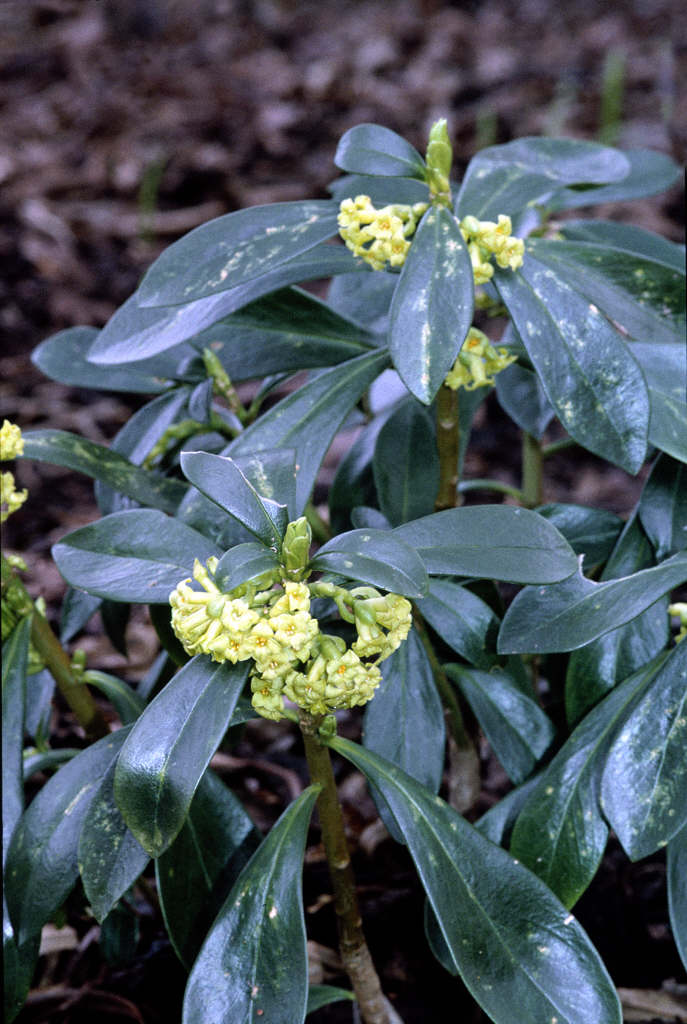
These small or medium-sized shrubs produce clusters of richly fragrant pink, white or yellow flowers. They bloom at different times of year, mainly within the period of late winter to summer. Most are evergreen, although some may lose their leaves in winter.
Preferences
Most daphnes are happy in partial shade, in neutral or slightly alkaline soil. They like moist, free-draining conditions. Typically hardy, they still love a warm, sheltered location.
Dislikes
They dislike soggy or dry soil. Most are deep rooted, so aren't suitable for planting long-term in containers and prefer not to be moved once settled into the ground. Avoid pruning, as this can cause die-back.
Did you know?
The nectar-rich flowers attract bees and other pollinating insects. Daphnes that bloom in late winter and early spring are a particularly valuable source, when little else is in flower.
RHS Growing Guide
FREE
Read our comprehensive free RHS Growing Guide:
How to grow daphnes

Introducing Daphne
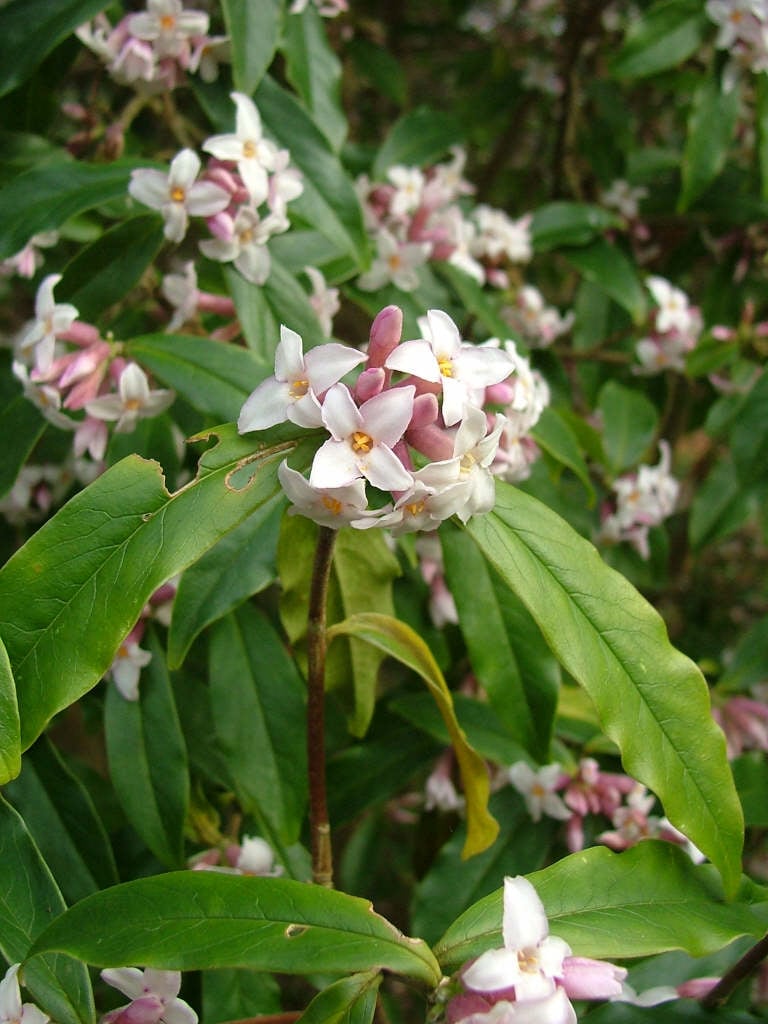
![daphne [Eternal Fragrance]](/_image?href=https%3A%2F%2Fapps.rhs.org.uk%2Fplantselectorimages%2Fdetail%2Fmoja09736.jpg&w=300&h=192)
Daphne × transatlantica [Eternal Fragrance] ('Blafra')
daphne [Eternal Fragrance]
- Height
- 0.5–1 metres
- Width
- 0.5–1 metres
x of x
Showing
x to x
of x