RHS / Graham Titchmarsh

Appearance
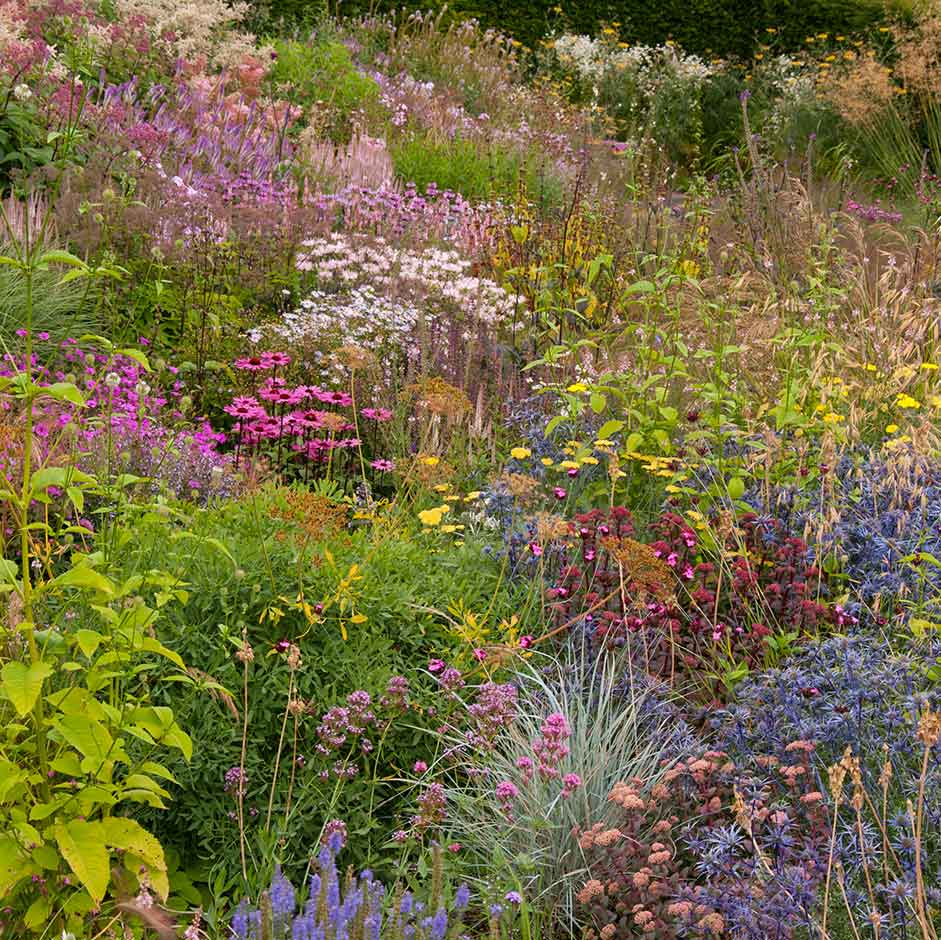
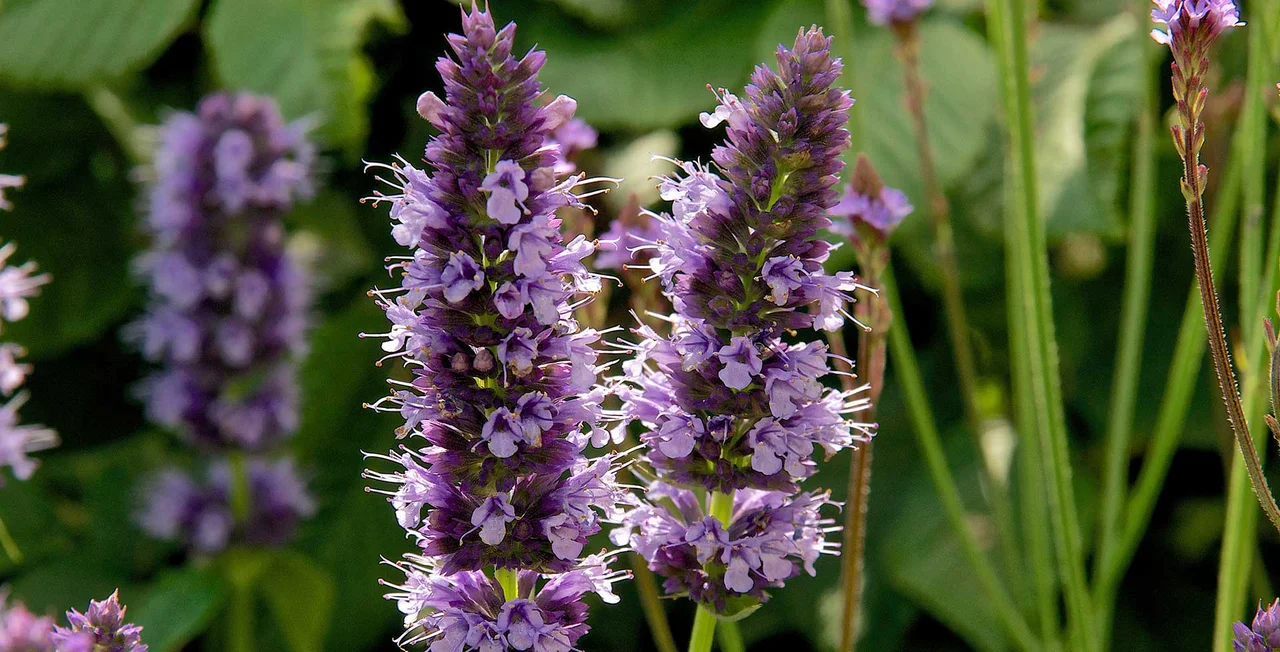
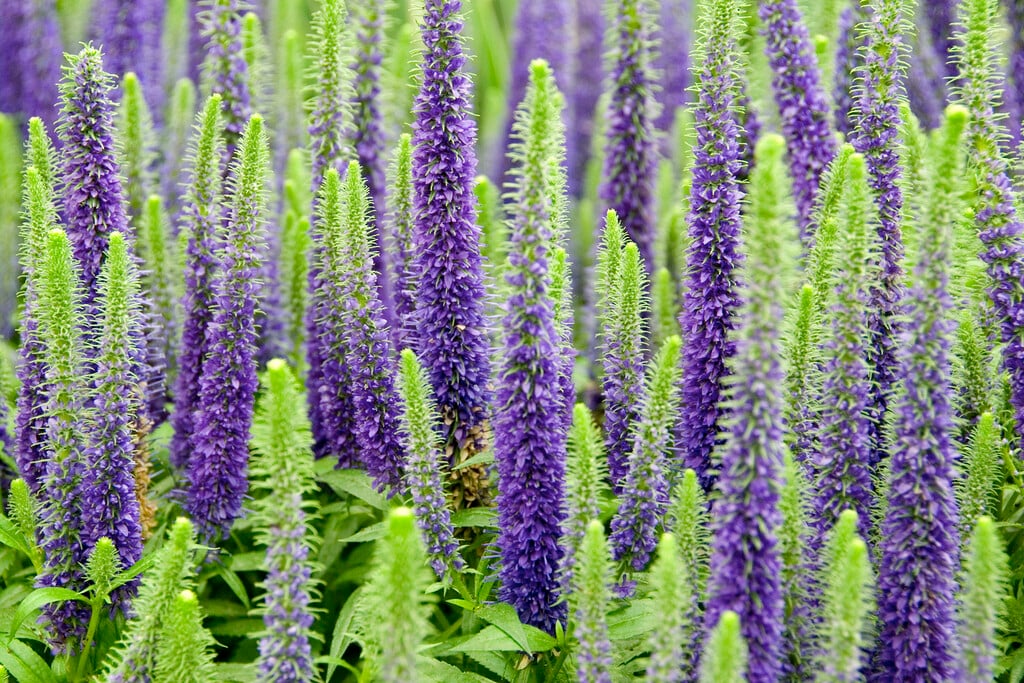
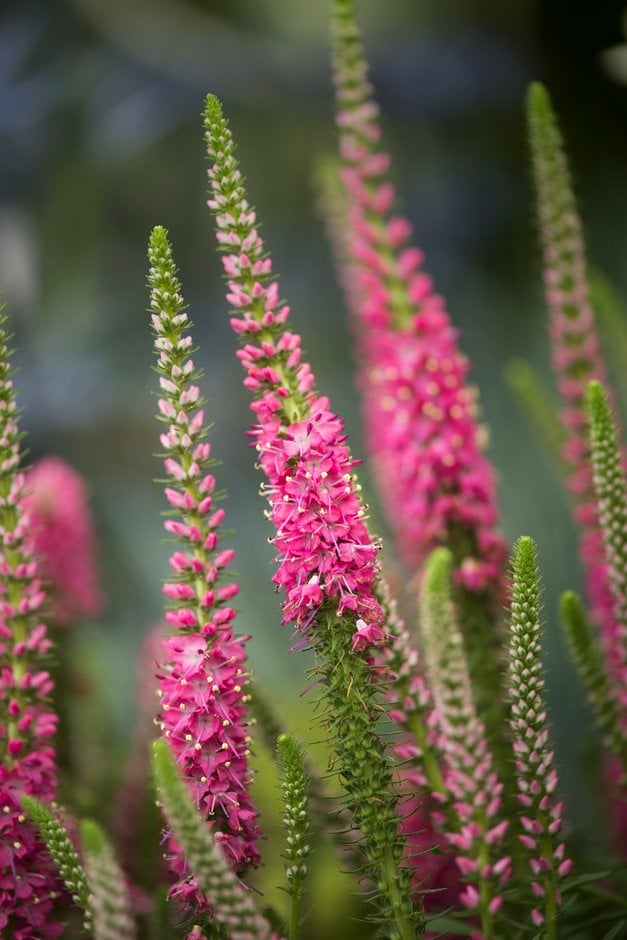
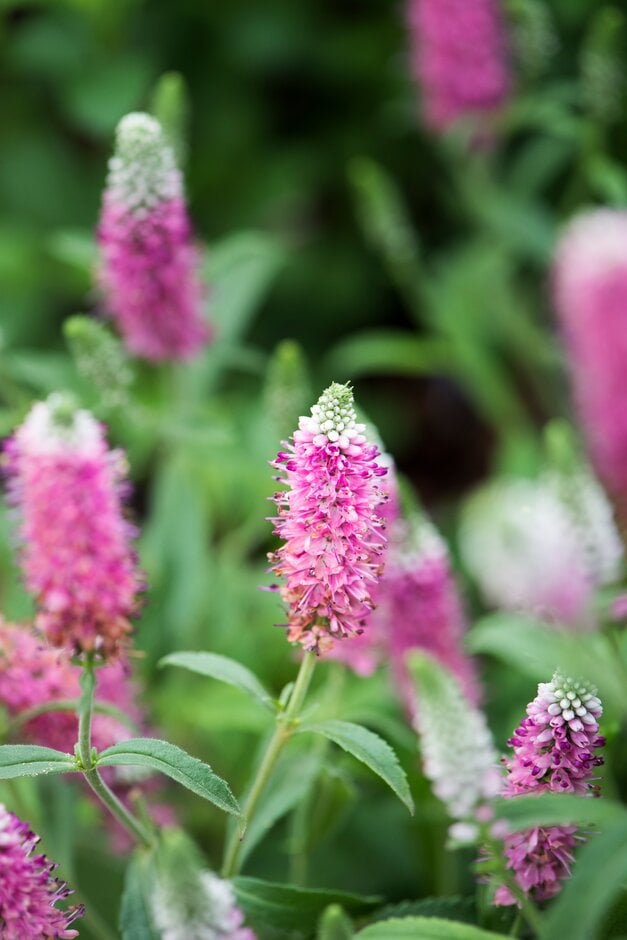
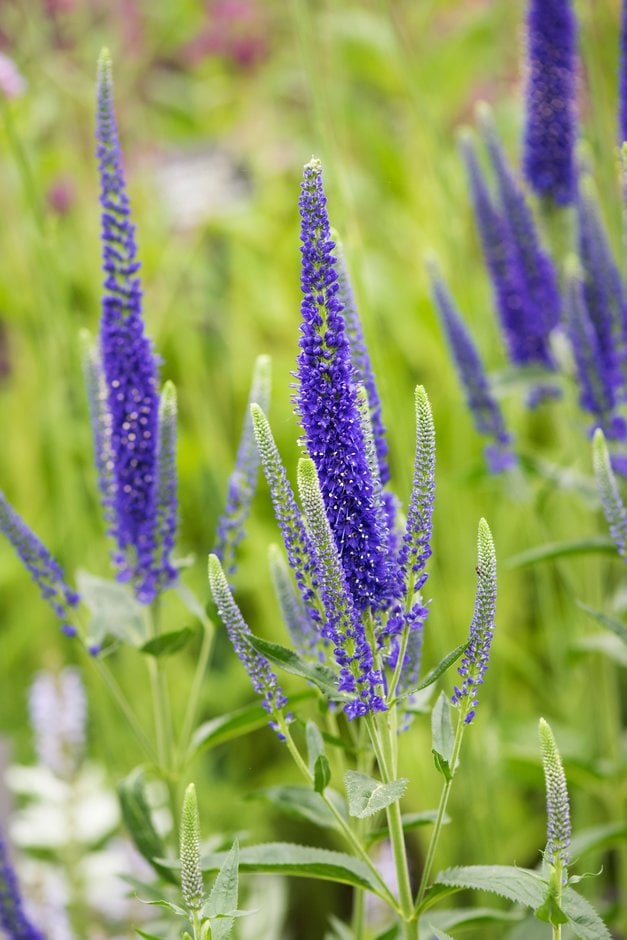
They flower over a long period in summer and sometimes into early autumn. The blooms are slender, upright stems, ending in tapering spires of small but usually densely packed blue, lilac, purple, rose, pink or white flowers. The leaves are usually bright green or greyish, pointed or rounded in shape.
Preferences
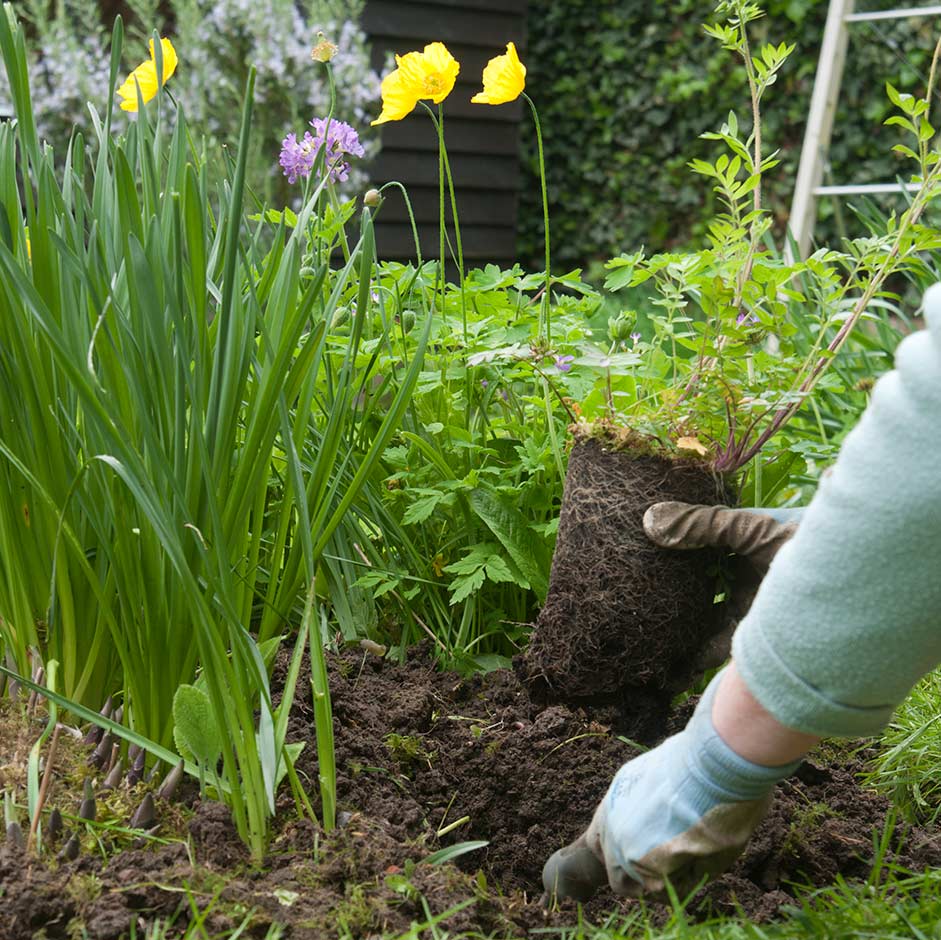
Perennial veronicas grow best in soils that don't dry out in summer (so you might need to water) and are not waterlogged in winter. They are happy in full sun or light shade.
Dislikes
They do not do well in very dry or permanently wet soil, and will not flower in deep shade.
Did you know?
Hebes are still sometimes known by the common name 'shrubby veronicas'. Veronica and the evergreen New Zealand shrub Hebe are in the same family and have similar flowers so were once grouped together under the genus Veronica - a name that's stuck, even though we now know they are different.
RHS Growing Guide
FREE
Read our comprehensive free RHS Growing Guide:
How to grow perennial plants
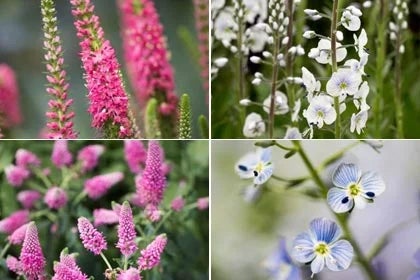

Introducing Perennial Veronica
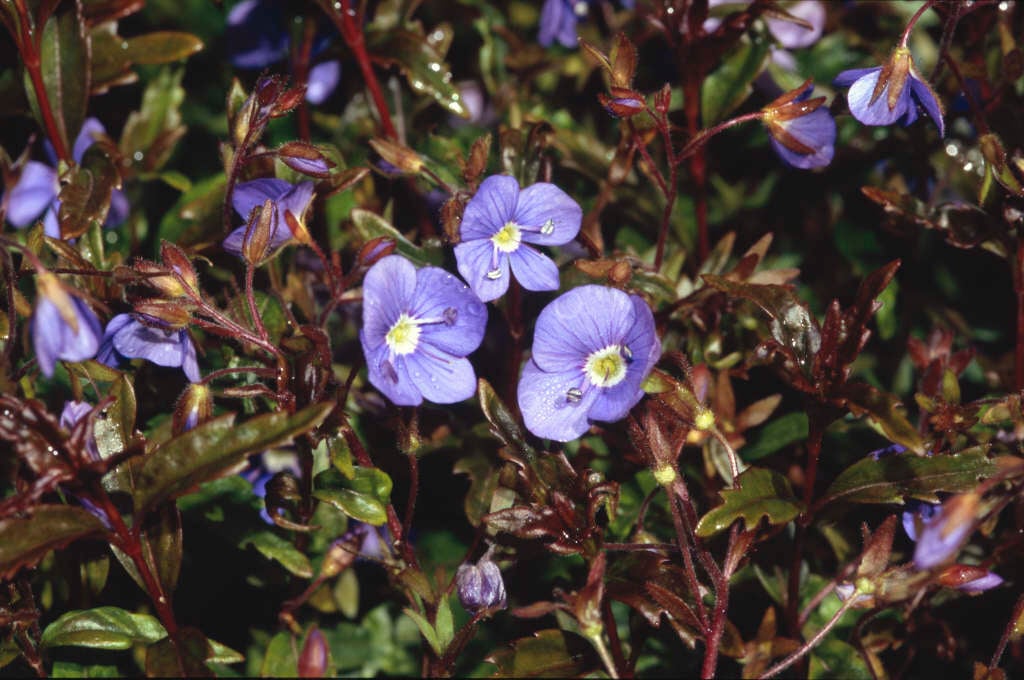
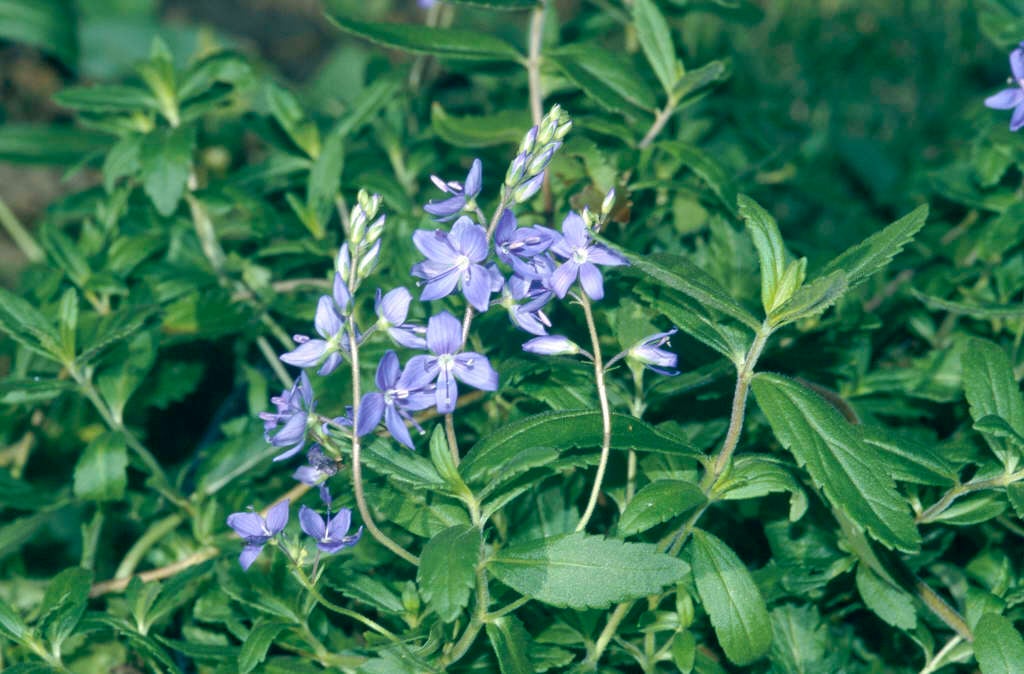
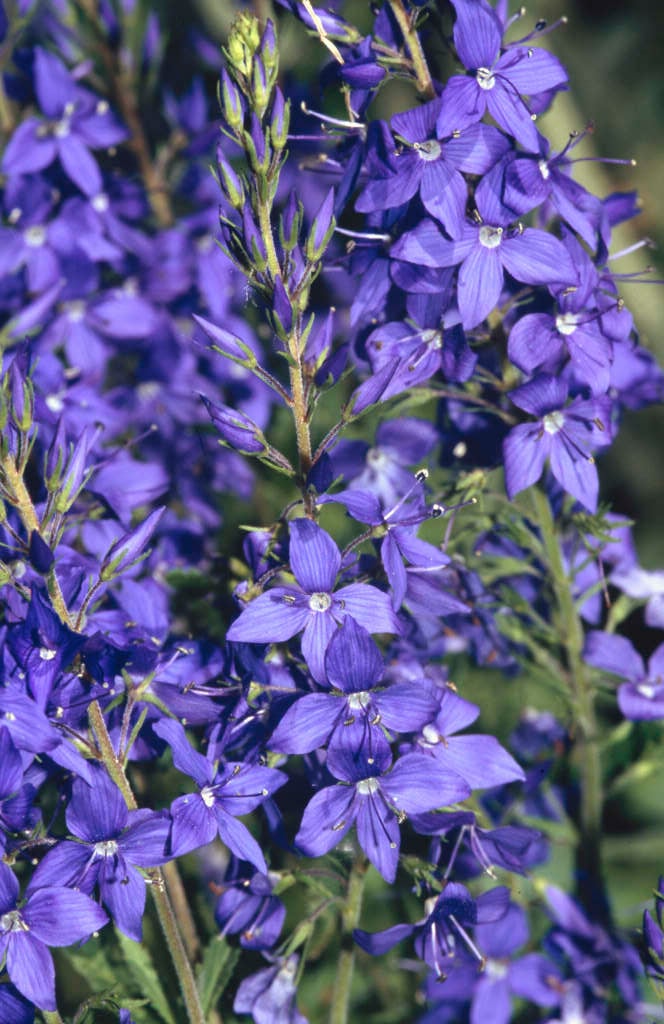
Veronica austriaca subsp. teucrium 'Crater Lake Blue'
saw-leaved speedwell 'Crater Lake Blue'
- Height
- 0.1–0.5 metres
- Width
- 0.1–0.5 metres
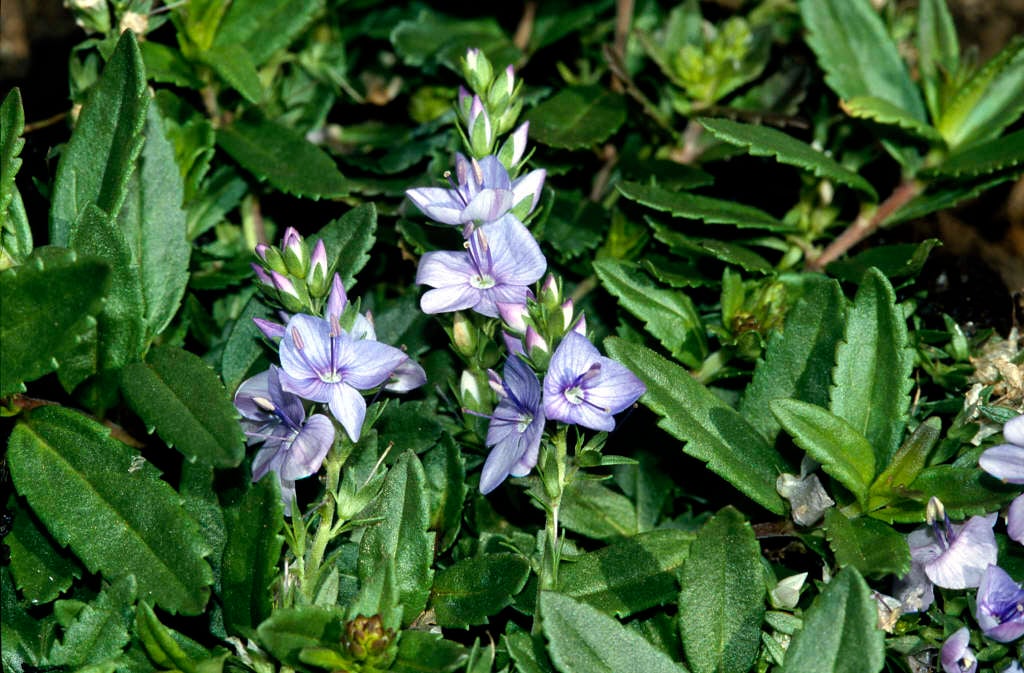
Veronica prostrata 'Spode Blue'
prostrate speedwell 'Spode Blue'
- Height
- No preference
- Width
- 0.1–0.5 metres
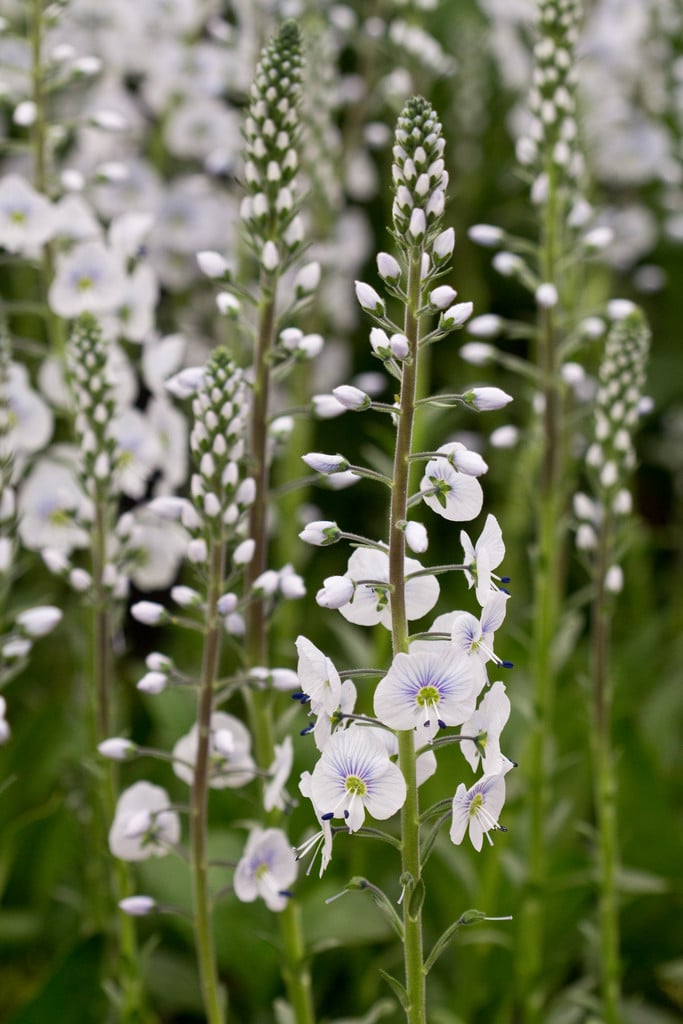
Veronica gentianoides 'Tissington White'
gentian speedwell 'Tissington White'
- Height
- 0.1–0.5 metres
- Width
- 0.1–0.5 metres
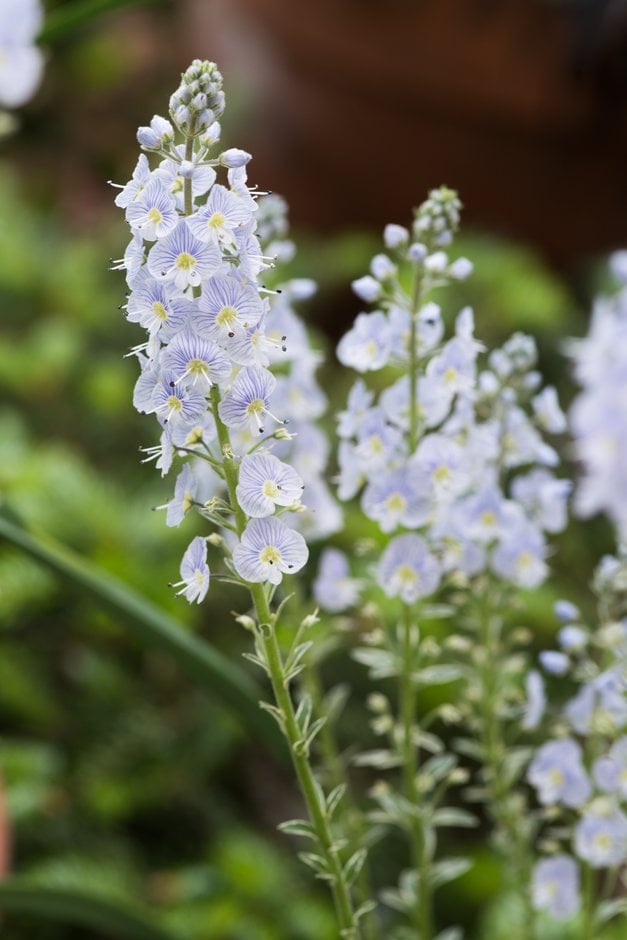
Veronica gentianoides 'Variegata' (v)
gentian speedwell 'Variegata'
- Height
- 0.1–0.5 metres
- Width
- 0.1–0.5 metres
x of x
Showing
x to x
of x