RHS/Tim Sandall

Appearance
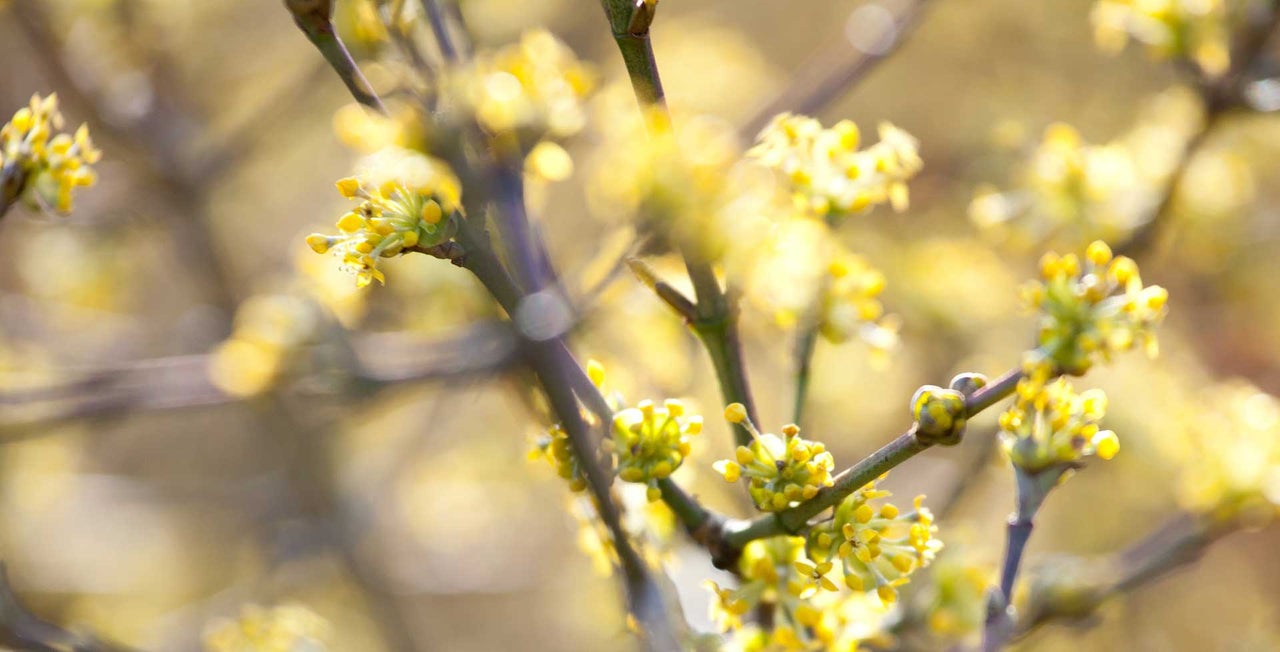
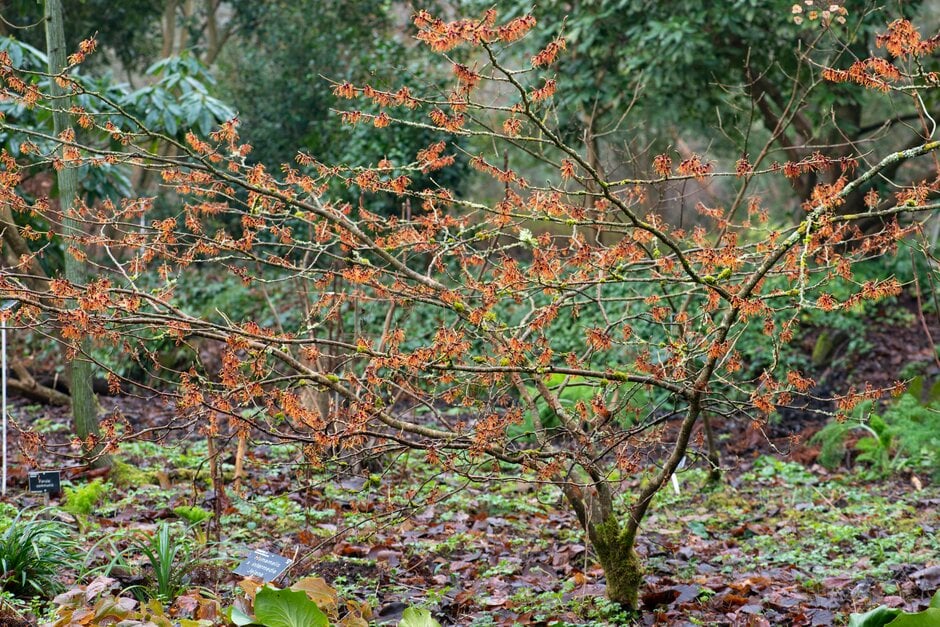
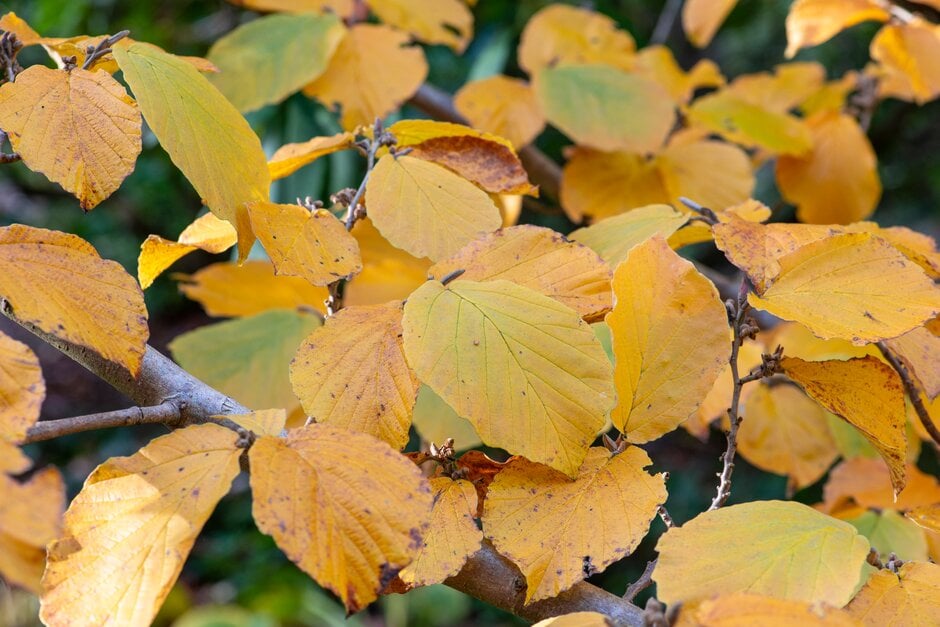
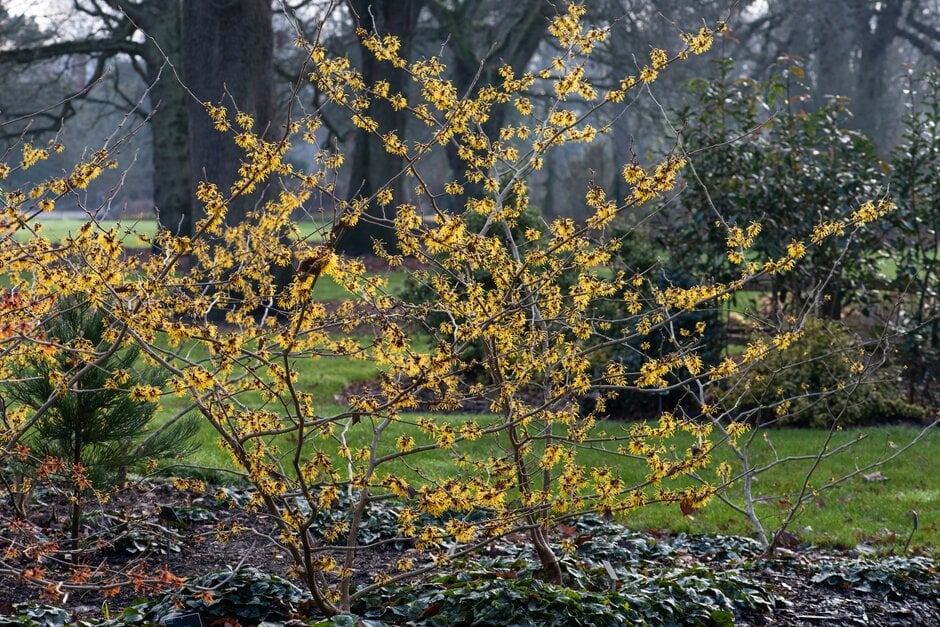
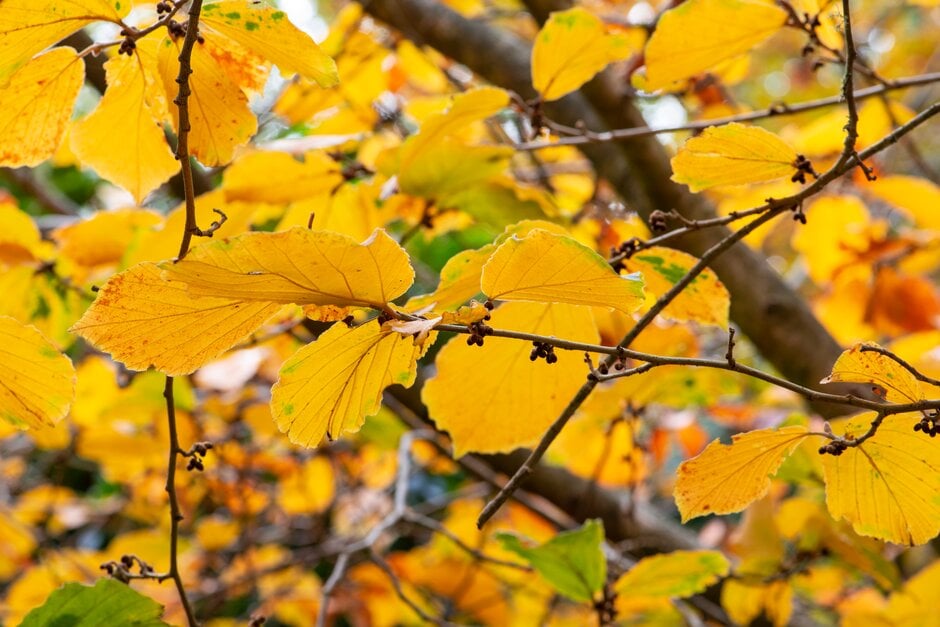
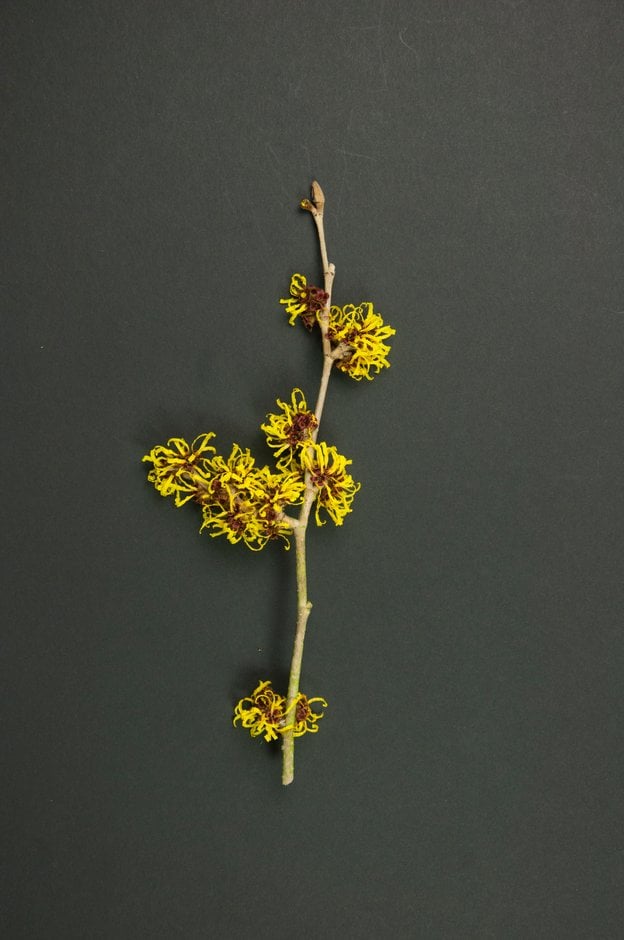
These spreading deciduous shrubs, ranging from 2.5-5m (8-16ft) in height and spread, produce spider-like, usually yellow (but also orange or red) flowers on the bare branches in late winter. The oval leaves give good autumn colour, turning bright yellow and orange before falling.
Preferences
Witch hazels like well-drained, neutral to acid soil in sun or light shade.
Dislikes
They will not grow in alkaline (chalky) soils or flower in deep shade. They dislike exposure to cold winter winds, which can damage the flower buds.
Did you know?
Witch hazel has long been used in traditional medicine to treat anything from damaged skin and bruises to insect bites. The freshly cut stems from the plant were also used for water divining.
RHS Growing Guide
FREE
Read our comprehensive free RHS Growing Guide:
How to grow witch hazel

Introducing Witch hazel
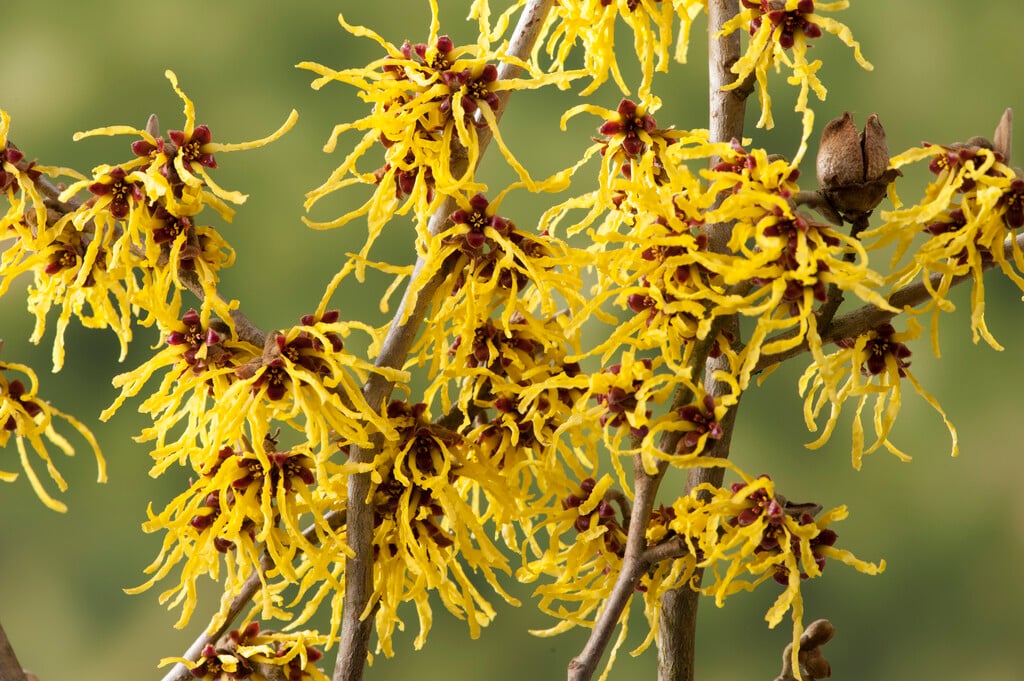
Hamamelis × intermedia 'Arnold Promise'
witch hazel 'Arnold Promise'
- Height
- 2.5–4 metres
- Width
- 2.5–4 metres
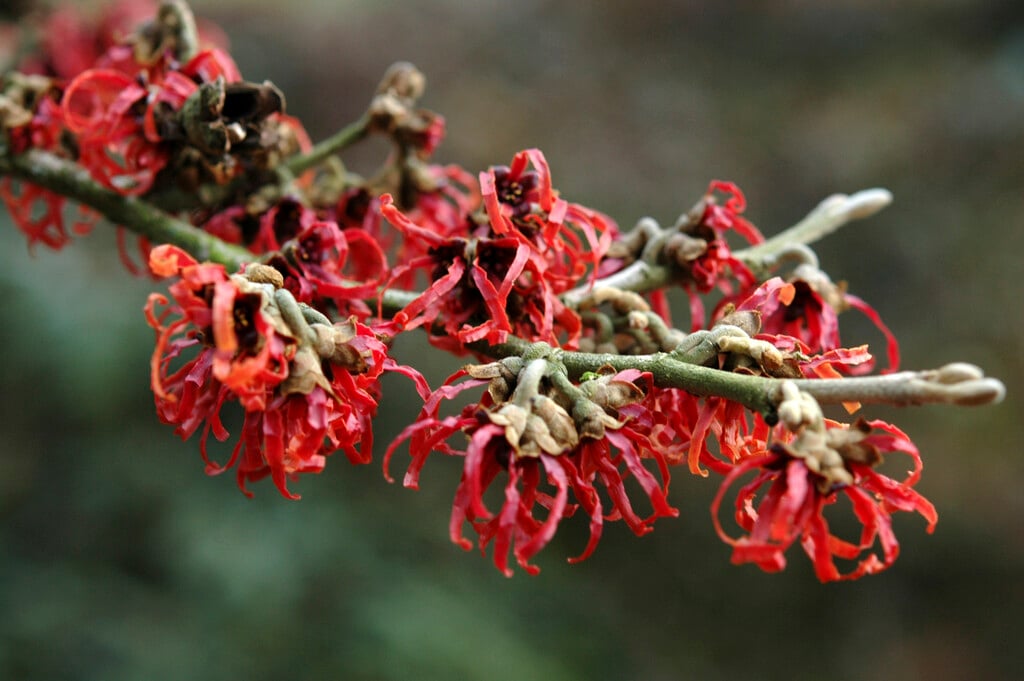
Hamamelis × intermedia 'Barmstedt Gold'
witch hazel 'Barmstedt Gold'
- Height
- 2.5–4 metres
- Width
- 2.5–4 metres
x of x
Showing
x to x
of x