Kingston Planters at a glance:
- Type of garden: raised beds
- Location: Kingston Hospital, Kingston upon Thames
- Budget: approximately £1,300, plus £400 for maintenance per year
- Dimension: 0.5 square metres for each planter
- Implementation phase: four days for planning, one day for delivery and installation
- Key features: ten wooden planters featuring a diverse array of themes and plantings
How the wellbeing garden began
Emerging from the challenges of the Covid-19 lockdown, the Kingston Planters project at Kingston Hospital was launched in 2021 to uplift staff morale and enhance wellbeing. Ten vibrant planters, each one measuring 1 metre by 0.5 metres and adopted by a different department team, were strategically placed throughout the hospital.In response to the NHS’s request for assistance, the RHS delivered mentoring sessions on Zoom with staff members and equipped them with the necessary knowledge to begin the design process for each planter.
“We asked each team to think what their priority would have been: for example, did they want colourful plants, drought-tolerant ones or plants that attract wildlife? They enthusiastically selected themes around sustainability, The variety of living organisms (plants, animals, fungi and microorganisms) in a particular environment. Boosting the biodiversity of your garden has many benefits, including supporting wildlife, improving soil health and reducing the likelihood of pest and disease problems.
The RHS also managed the supply and delivery of the planters, while the staff were in charge of decoration and planting.
Budget and process
The project prioritised low-cost, high-impact interventions. The planters were made free of charge by The Skill Mill, a social enterprise providing employment to young people, using surplus materials from a local building company. The RHS supplied 50 bags of Can refer to either home-made garden compost or seed/potting compost: • Garden compost is a soil improver made from decomposed plant waste, usually in a compost bin or heap. It is added to soil to improve its fertility, structure and water-holding capacity. Seed or potting composts are used for growing seedlings or plants in containers - a wide range of commercially produced peat-free composts are available, made from a mix of various ingredients, such as loam, composted bark, coir and sand, although you can mix your own.
The planters are dotted across the hospital, near where each involved department is based. The staff choose a different theme every year and buy new plants accordingly. For instance, the Sexual Health clinic team filled their flowerbed with plants that can be used as herbal remedies. Among them were Salvia, which is believed to allieviate menopausal symptoms and can have anti-inflammatory properties; mint, which helps with breastfeeding pain and digestive problems; and chrysanthemum, which has been used to treat sexual-related infections.The Speech Therapy department originally focused on a five-senses planter, including rosemary for taste and lemon grass for smell, quaking grass for sound, cacti and Pennisetum for their noticeable textures. Other themes adopted are around pollinator-friendly, edible, low-maintenance and climbing plants.
Lessons: challenges encountered
“The big challenge in hospitals is communication – how to reach a large number of people working in different departments, on different shifts and too busy working on the ground to check their emails during the day,” said Christopher. “Fortunately, when the project started, a chaplain was in charge of wellbeing at Kingston Hospital, and he became the point of contact for the RHS. Today, his role has been taken by the Education department, which helps us spread information when we need to deliver a message.”
Because the project kicked off during the Covid-19 pandemic, face-to-face contact has also been a primary issue. “We had to replace in-person meetings with Zoom calls and we had to hire a private courier to deliver plants and compost to the hospital,” Christopher explained.
Lessons: what went well?
“One thing we got right was starting the project in spring, which was well-timed with the plants’ growth,” said Christopher. The planters soon became an attraction for visitors, with a dedicated map created to invite those who need to spend long hours waiting to spot all the raised beds around the hospital. “We were surprised by the dedication and enthusiasm the staff put into the project. Some departments also involve their patients in making Christmas decorations for the planters.”Every year, RHS representatives visit Kingston Hospital for a summer celebration and prize-giving ceremony, now a cherished tradition that provides an incentive and fosters healthy competition.
Impact of the wellbeing garden so far
Through small, well-considered interventions, the Kingston Planters project has sparked broader cultural change, with green space now recognised as essential – not optional – in healthcare environments. This has also lead to the creation of additional green spaces within the hospital for both staff and visitors.
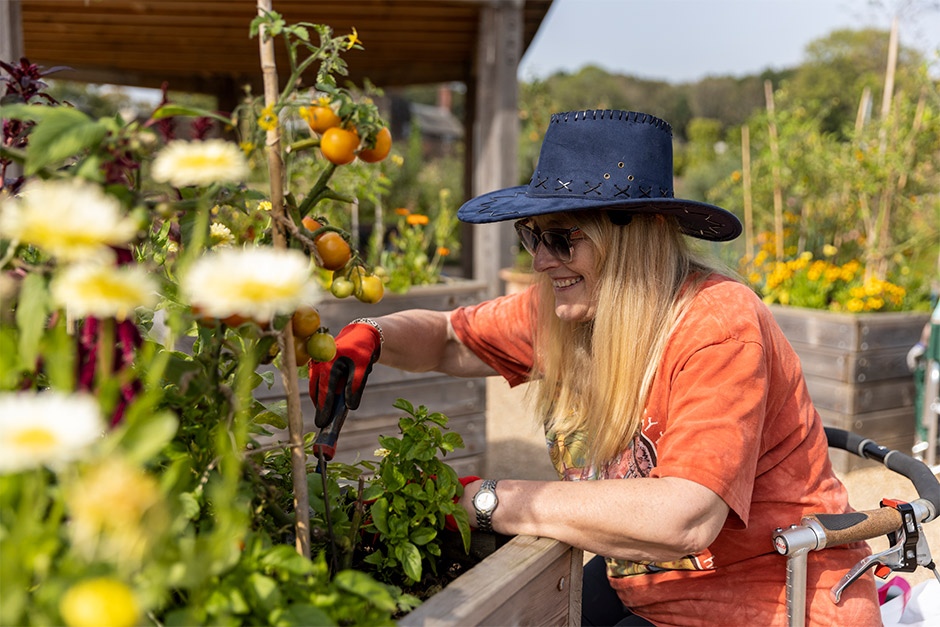
NHS staff continue to care for and enhance their planters, fostering better relationships among colleagues and different teams and providing opportunities to take breaks. The initiative also encourages staff to engage with natural environment and creates an inviting, interactive space that benefits hospital visitors and patients.