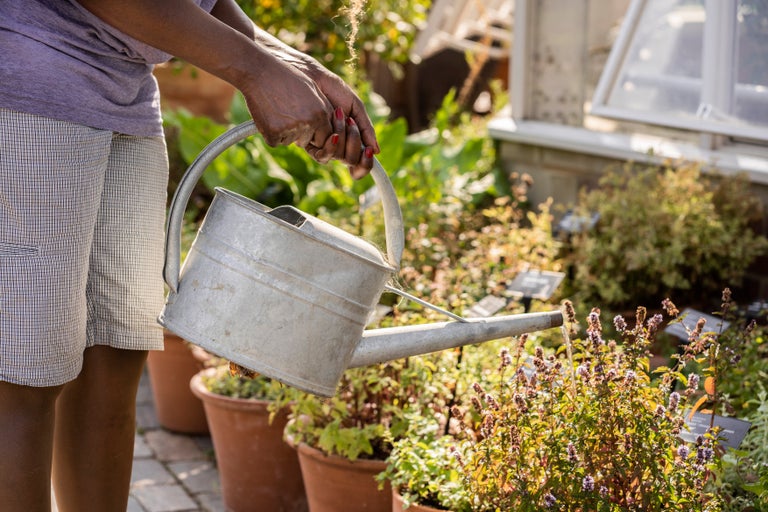
How plants absorb water
Water is as vital to plants as it is to us. Here you can learn more about their amazing ability to absorb water, what happens when there is too much or too little, and how we as gardeners can help to quench their thirst.
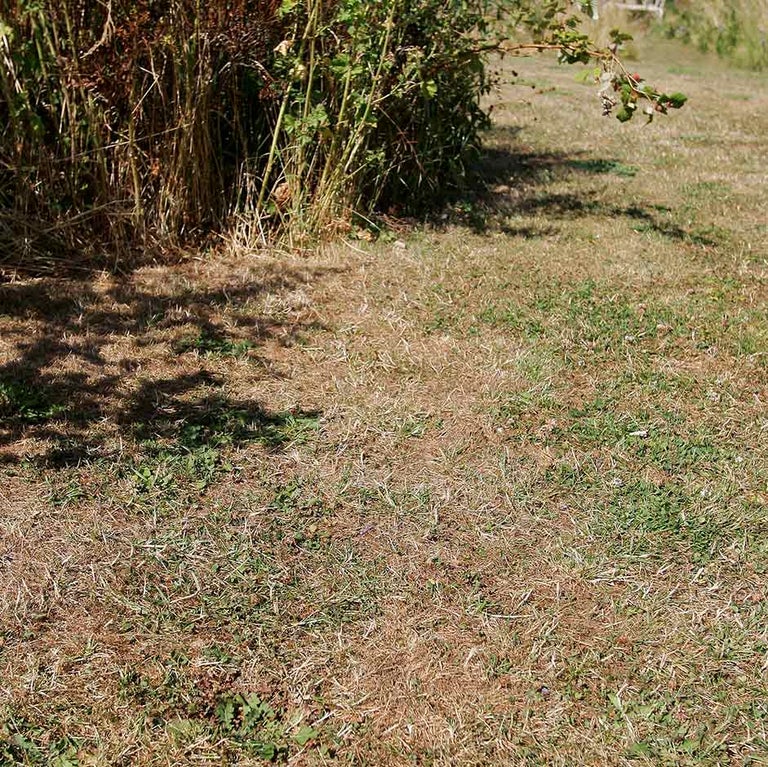
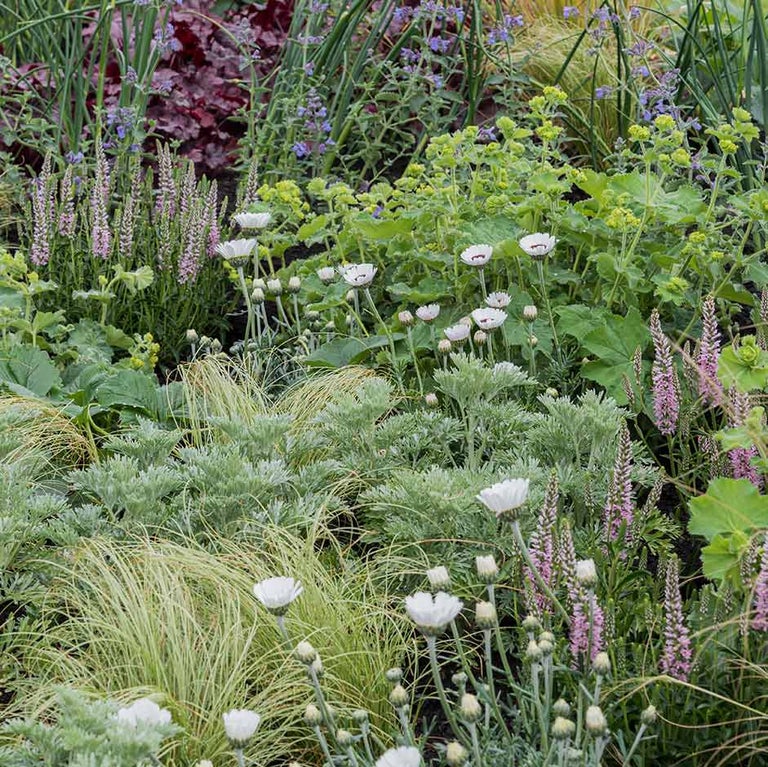
Established trees, shrubs and herbaceous perennials in beds and borders will only need watering in extreme drought. Just water the most stressed individual plants.

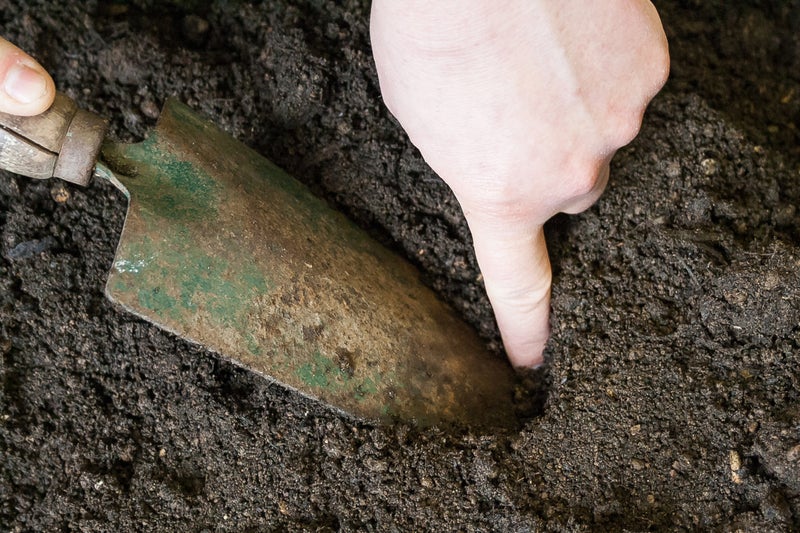
Check the daily from spring through to autumn, and water when it’s dry 2-3cm (1in) below the surface. Plants used for seasonal colour are often fast growing and have high water requirements.
During winter, rainfall is often enough to keep containers watered sufficiently. However, in dry, windy conditions, evergreen plants such as bamboo can desiccate, so it’s worth checking them, especially during prolonged dry spells.
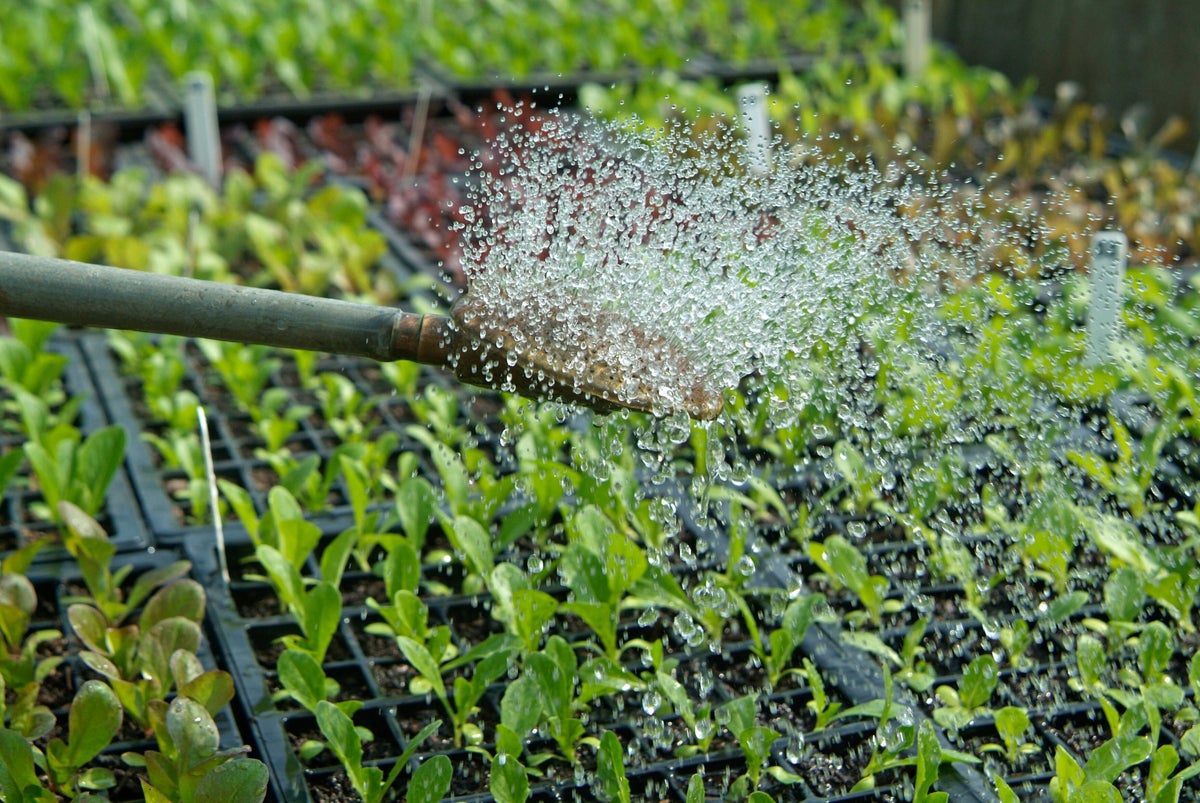
Use a watering can with a rose attachment to water the seed or border before sowing to ensure moisture is available for the roots as the seeds germinate. After sowing, water consistently to keep the surface moist.
Water newly planted trees and shrubs regularly during dry spells from spring to autumn in their first year, and large specimens for up to three summers.
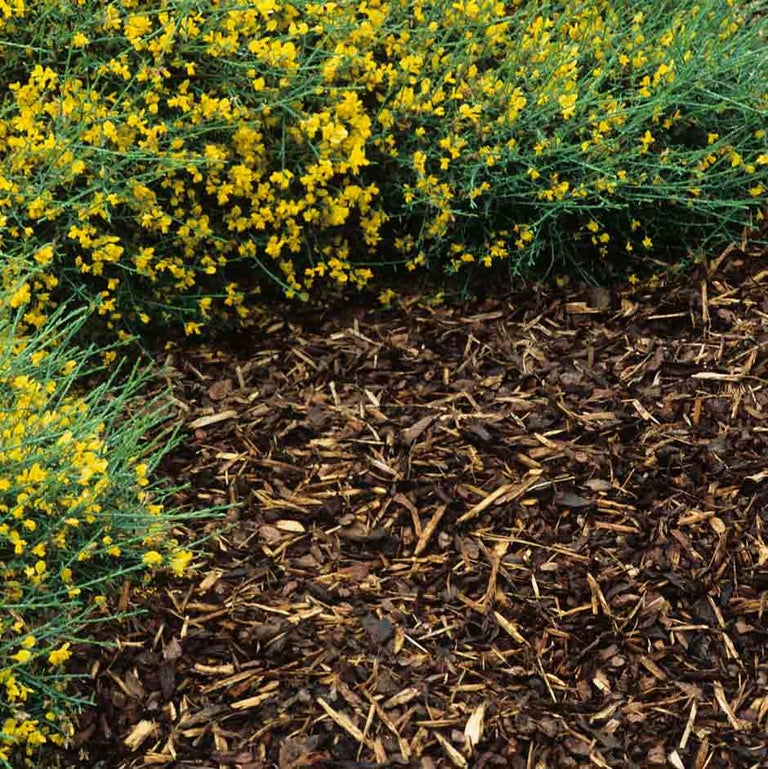
In their first year, water around the base of the plant until the soil is evenly moist down to the depth of the roots – typically 15cm (6in). After the first year, established perennials usually do not need regular watering. Mulching with organic matter around plants will help prevent evaporation.
Water newly seeded lawns regularly to prevent the top layer of soil from drying out. Use a watering can with a rose or a hose with a gentle spray. Water newly laid turf regularly, making sure the soil is damp underneath by lifting a corner to check. In warm, dry or windy conditions, newly seeded or turfed lawns may need to be watered daily. After three or four weeks, gradually move to less frequent but deeper watering, and still check the soil moisture levels regularly.
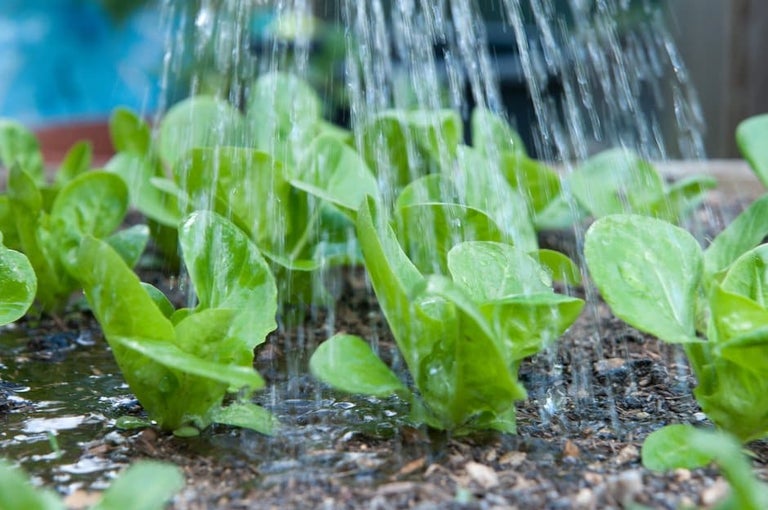
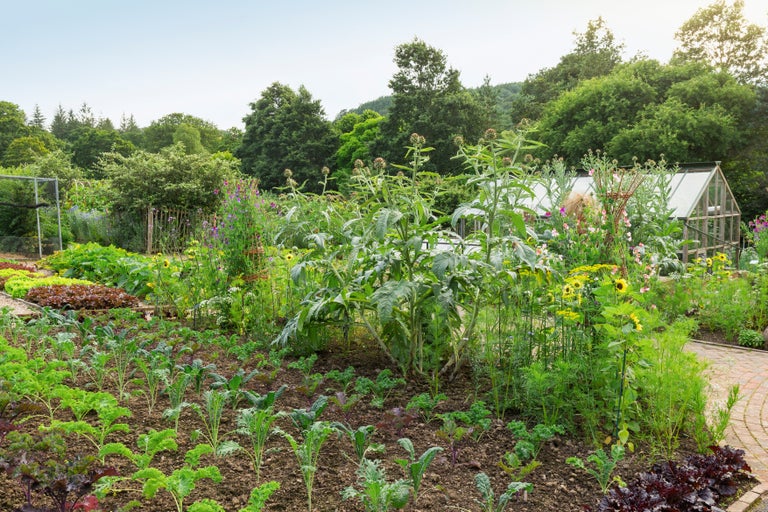
Many vegetable and salad crops prefer consistent moisture, as they are quick growing.
Keep your plants healthy as you water. Make sure you apply water to the base of plants, not on the foliage. This helps avoid fungal diseases.
If you’ve sown in spring, they will need watering in dry weather during summer and possibly into autumn. Self-seeded plants and autumn-sown annuals are less demanding.
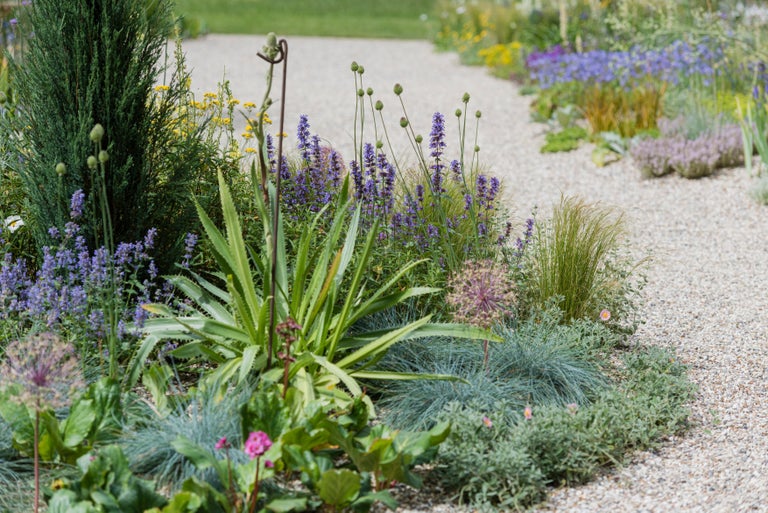
1. Choose the right plant for the right place
2. Improve soil with organic matter
3. Mulch borders annually
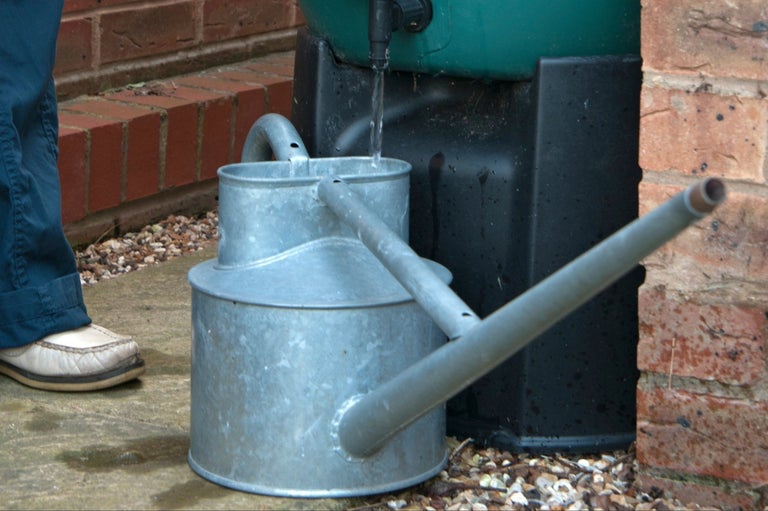
4. Store rainwater from hard surfaces in water butts
5. Use mains water only as a last resort
Timing makes a big difference to how effectively plants use water.
Deep, occasional watering encourages deep roots and drought-tolerant plants. Train your plants to be “drought athletes”.
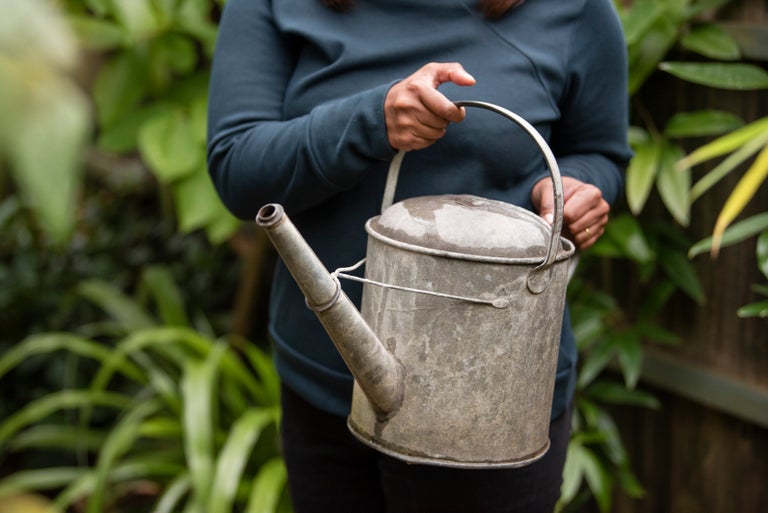
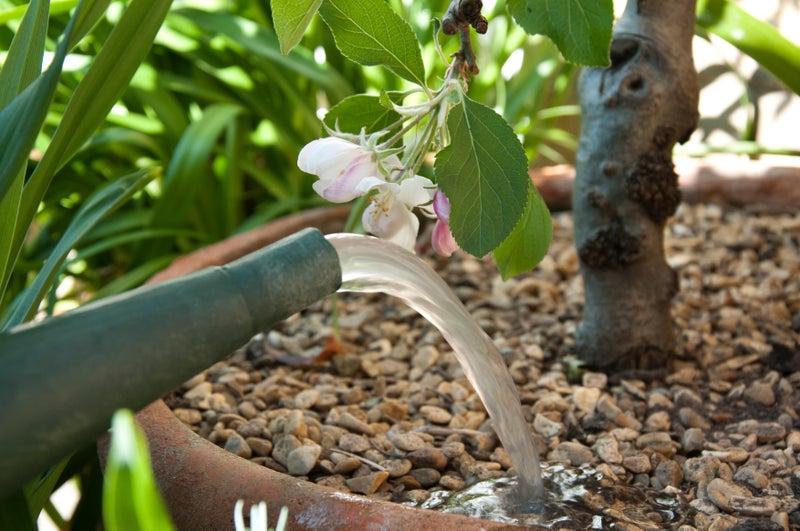
Watering cans are the most water-efficient method and give you the most control. Use hoses sparingly as they use more water. Sprinklers are one of the least efficient ways to water.
Outside taps should have a double check valve to meet water regulations. The valve is designed to prevent any contamination flowing back into the mains supply.
Yes, this is a very sustainable way of using resources. You can use washing up water (grey water) on ornamental plants, and collect rainwater in water butts to use directly on the garden. For more information, see our guide to collecting, storing and reusing water.