Quick Facts
Showy, exotic-looking houseplants
1
Evergreen foliage, often lush and glossy
2
Most are easy to grow
3
Like bright but not direct light
4
Most need humid air and regular watering
5
Some can reach several metres tall
6


Before you get started
What are ornamental figs?
Ornamental figs (Ficus) are tender trees, shrubs and climbers from various tropical regions. They have long been popular as houseplants, with the most enduring favourite being the rubber plant (F. elastica). They bring a bold, exotic look to homes, with their lush, glossy leaves.
Most figs are robust and resilient. They generally need bright light, regular watering and misting of the leaves, although some can tolerate a degree of drought and low or harsh light. Over time they can often grow quite large, creating an eye-catching centrepiece in a room.
Did you know?
Ornamental figs not only bring lush leafy beauty to our homes, they can benefit our health too, both mental and physical. Rubber plants in particular can improve air quality by removing pollutants. See our guide to houseplant benefits.
How and what to buy
Ornamental figs are sold as houseplants in garden centres or by mail order from online suppliers, including RHS Plants. They are available at various sizes – smaller plants are usually relatively cheap, while larger specimens, which create instant tropical impact, can be quite expensive.
Most are easy to grow if given the right conditions (see Planting, below) and should live for many years.
Five of the most widely available are:
- Rubber plant (Ficus elastica) – a robust, easy and ever-popular houseplant with large leathery leaves. forms are available.
- Weeping fig (F. benjamina) AGM – this graceful tree has small, green or variegated leaves on its arching branches. It dislikes being moved. It is sometimes sold with plaited or spiral stems.
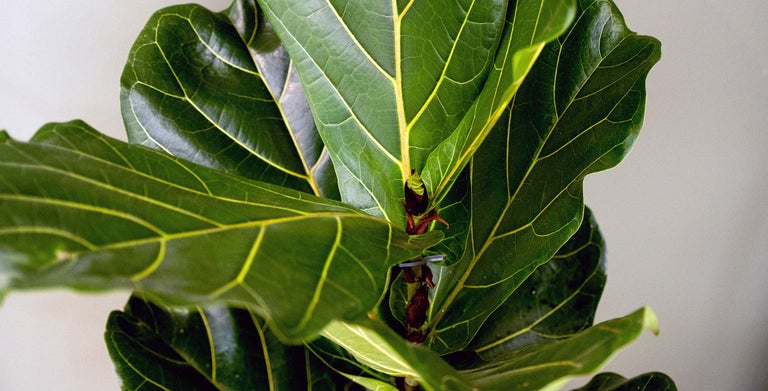
- Fiddle-leaf fig (F. lyrata) AGM – bold and exotic looking, with large, shiny, violin-shaped leaves. Its upright growth means it doesn't take up too much floor space, even when quite tall.
- Creeping fig (F. pumila) AGM – this small-leaved trailing vine will cascade over the side of a pot or hanging container, or climb up a support. Variegated forms are available.
- Curtain fig (F. microcarpa) – has various other names too, including Chinese banyan or ginseng fig, as the trunk often has a swollen base. It is also called the bonsai fig, as the wide trunk and small leaves make it look like a mini-tree. The stem may be trained into contorted shapes.
For more on the various types of ornamental fig, go to RHS Find a Plant. Search for 'Ficus' to browse the photographs and plant descriptions, and find out where to buy them.

Planting
Ornamental figs are generally easy-to-grow, long-lasting plants if given the following conditions:
- Bright indirect light. Some can tolerate a few hours of morning or evening sun, especially in winter. plants need more light than green-leaved ones. Weeping figs dislike being moved, so once you find the right position for it, keep it there
- A warm, even temperature, without large fluctuations and away from draughts. Most are from tropical regions and must be kept above 10–13°C (50–55°F)
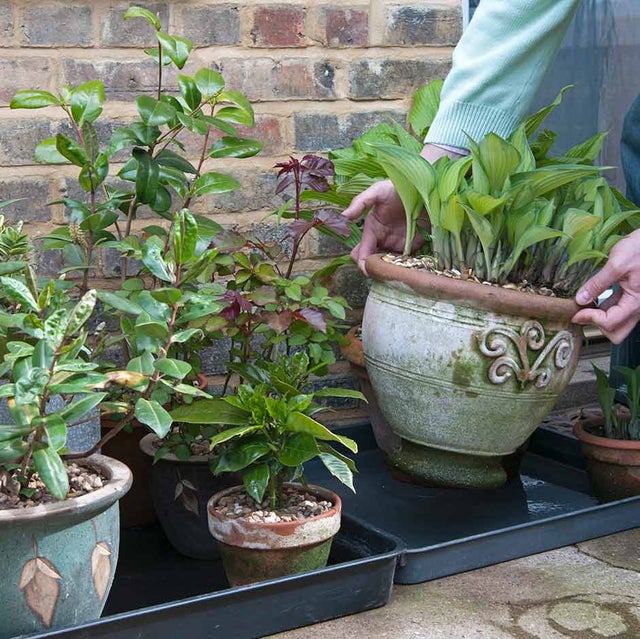
- Medium to high – mist the leaves regularly, particularly in hot weather. Also stand the container in a tray of damp gravel. Keep the water level in the tray just below the surface
Ongoing Care
Watering
- In spring and summer, when plants are in growth, water regularly, using water at room temperature. Let the dry out slightly between waterings
- In winter, keep the compost only just moist
- Increase by standing the container in a tray of damp pebbles and/or by misting the leaves regularly
Feeding
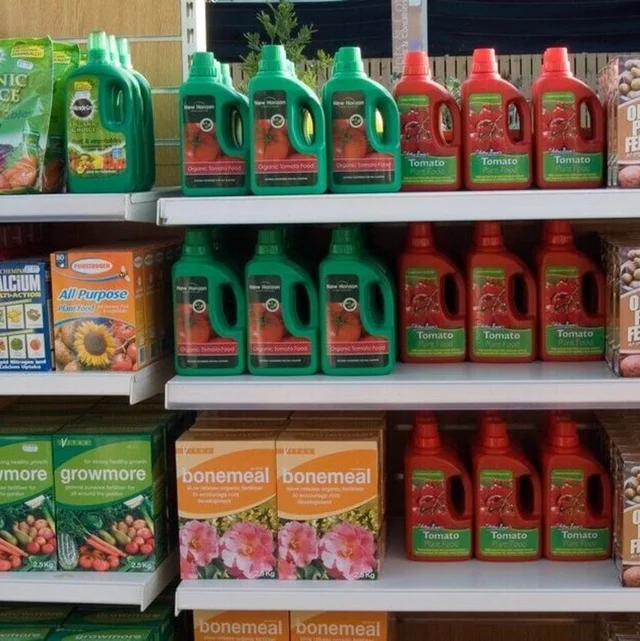
To encourage leafy growth you can feed with a high-nitrogen fertiliser from spring to late summer.
Re-potting and top-dressing
- Every couple of years in spring, move the plant into a slightly larger container
- Use loam-based potting compost, such as peat-free John Innes No 3, with added fine chippings. A peat-free multi-purpose compost would also suit
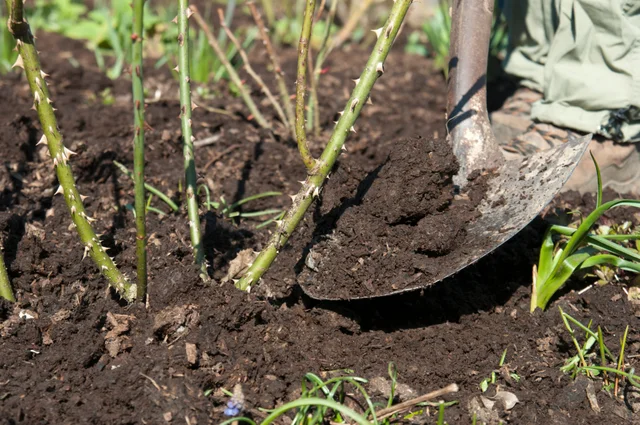
- In years when re-potting isn't necessary, or once the plant becomes too large to re-pot, scrape off the top 2.5cm (1in) of compost and replace with fresh compost
Caring for older plants
If given the correct growing conditions, ornamental figs can live for many years. Some can form quite large specimens over time.
If your plant outgrows your available space, you can prune it down to size and it should recover well (see Pruning and Training, below).
Plants should also be re-potted into a slightly larger container every couple of years in spring (see above).
Pruning and Training
Ornamental figs need little or no pruning. In particular, avoid pruning trained specimens, such as those with plaited stems.
However, pruning may occasionally be necessary:
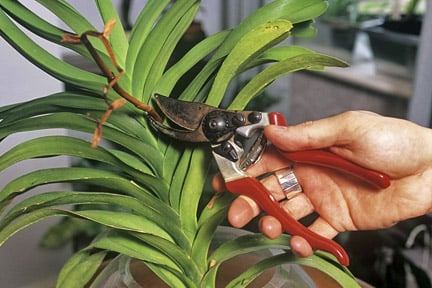
- Vigorous plants may outgrow their space, so can be cut back to reduce their size. Most figs will cope well, even with hard pruning. In late winter or early spring, simply shorten any overly long shoots, making your cuts just above a leaf
- Plants with marbled or leaves may sometimes produce vigorous all-green shoots – these should be removed, otherwise they can quickly take over. See our guide to reversion
Always wear gloves when pruning figs, as the sticky white may irritate skin or aggravate allergies.
Propagating
By cuttings
Take semi-ripe cuttings in spring or summer. A will aid rooting.
Some trailing figs naturally produce roots from their stems – simply detach well-rooted lengths of stem and pot up individually.
By air layering
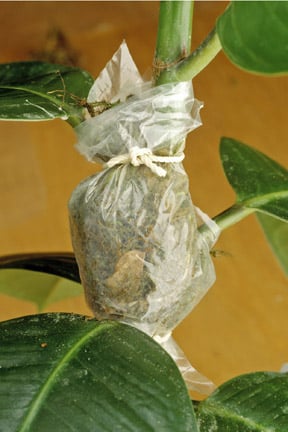
Some figs, including the rubber plant (F. elastica), can be propagated by air layering in spring or late summer. The process is straightforward and rooting will take about a year.
You'll need a sharp knife, a couple of handfuls of sustainably sourced sphagnum moss, a piece of polythene, and string or strong sticky tape.
Problems
Growing conditions
If figs aren't happy with their growing conditions, they may suffer various symptoms, including:
- Suddenleaf drop – this is usually due to overwatering, but may also be caused by low winter temperatures, low light levels, too much fertiliser or cold draughts. Weeping figs, in particular, are prone to shedding their leaves if conditions aren't right or if they are moved. (For preferred growing conditions, see Planting, above)
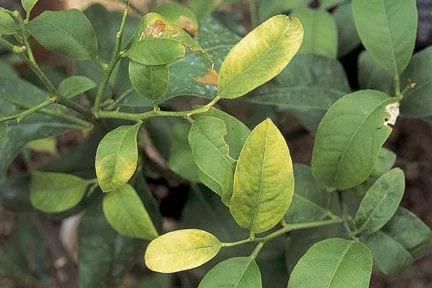
- Yellowing or dark spottingof leaves – this is another sign of overwatering. However, the lower leaves may naturally turn yellow and drop with age
- Dry, shrivelled leaves – this can be due to insufficient , dry or too much direct sun
- Poor new leaf growth or small pale leaves – this may be caused by inadequate light levels. Stunted growth may also be a sign that the plant needs re-potting into a larger container
Pests
Various -feeding pests may colonise ornamental figs, so check plants regularly. The earlier you spot an outbreak, the easier it will be to treat. In particular, look out for: