Quick Facts
Easy to grow shrub
1
Flowers in late spring and summer
2
Evergreen foliage, usually silver-grey or grey-green
3
Best planted in spring, in free-draining soil
4
Thrives in full sun and is drought tolerant
5
Many types are hardy, but avoid planting in cold, damp spots
6
Prune annually to keep compact
7
Easy to propagate from cuttings
8
Leaves and flowers used for drying
9
Flowers are very attractive to bees and other pollinating insects
10


Before you get started
Choosing a lavender
There are many different types of lavender, offering a range of flower colours, fragrances, plant sizes and levels of hardiness. The two most commonly grown types are:
English lavender and its hybrids (Lavandula angustifolia and L. × intermedia)
These are tough plants for borders or containers, and are usually hardy so can be left outside during winter in free-draining soil. They have a strong lavender scent, abundant purple or purple-blue flowers in summer and silver-grey leaves. Other flower colours include mauve, pink and white and these plants grow from 30cm (1ft) to 90cm (3ft) tall.
Lavender is one of nine plants considered to be a high-risk host for the bacteria Xylella fastidiosa. Gardeners should be aware of the risks posed by purchasing imported plants of such high-risk hosts.
French and tender lavenders
These include:
- French lavender (Lavandula stoechas)
- lavender (L. × chaytoriae)
- Spanish lavenders (L. latifolia, L. pedunculata and L. viridis)
- Tenderlavenders, such as L. canariensis, L. dentata, L. lanata and L. pinnata from areas including Portugal, Madeira and the Canary Islands.
These are less hardy than English types and tend to be short-lived, so are best grown in containers and kept somewhere frost-free over winter, such as a greenhouse.
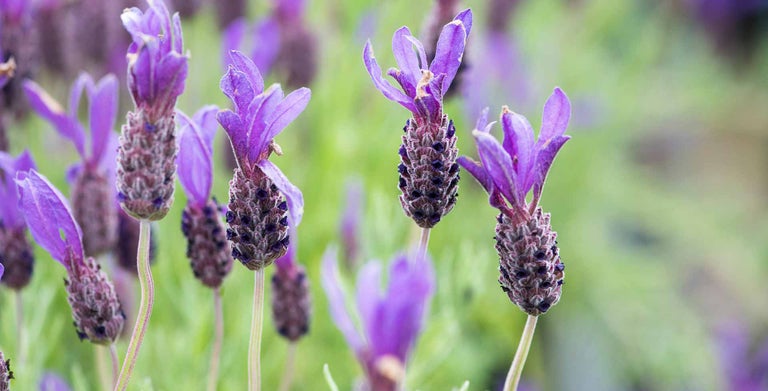
Some of the more specialist types of lavender (such as those from southern Spain or the Canary Islands) aren't hardy, so cannot be left outside over winter. Check plant labels or online descriptions when buying. They have dense flower spikes, often in softer shades of mauve, pink or cream, with a distinctive tuft or ‘ears’ on top and a camphor-like scent. Plants grow to about 60cm (2ft) tall.
Buying a lavender
Plants are widely available during spring and summer in garden centres and online. To track down specific cultivars, you can use RHS Find a Plant.
Plants are usually sold in containers – 9cm (3½in) or larger – ready for planting.
Lavender is also sold as in spring by some mail-order suppliers. This is a cheaper way to buy, especially in larger quantities, but the choice of cultivars is limited. Also, these tiny plants need to be looked after carefully for several months before they are large enough to plant into their final position.
Planting
When to plant
Lavender is best planted in April or May as the soil naturally warms up and when many fresh plants become available in garden centres. Lavender should never be planted in winter when young plants are vulnerable to rotting in cold, wet soils.
Where to plant
Lavender looks great in flower borders, herb gardens and as a low hedge or edging to a border. It also grows well in containers.
Lavender is a Mediterranean plant (in needs if not always in geographic origin) and needs lots of sun and fast-draining soil. It will not survive long in shady, damp or extremely cold conditions.
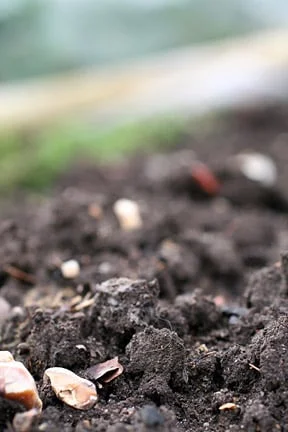
It prefers poor, dry or moderately fertile soil, including chalky and alkaline soils. Lavender will not thrive in heavy clay soil or any soil that becomes over winter.
We have put together this guide to help you identify your soil type.
How to plant
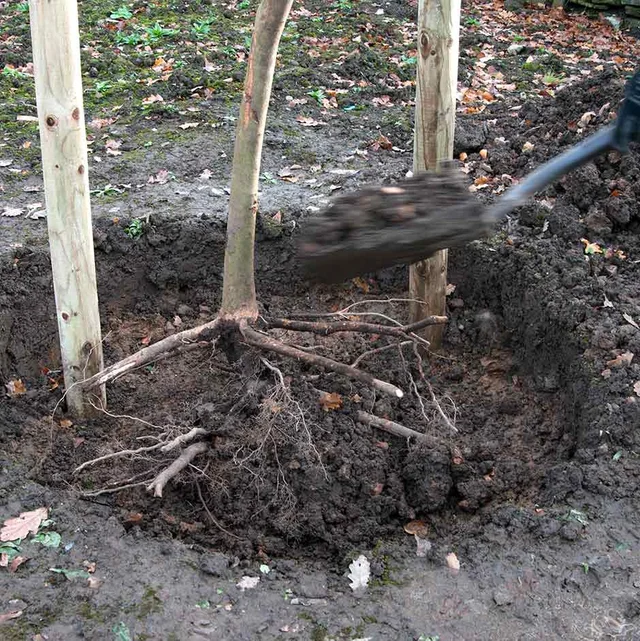
Lavender is easy to plant and takes just a few minutes. If your soil is heavy, plant on a 20-30cm (8in-1ft) mound, ridge or in a raised bed where the roots will not sit in wet soil.
- Plant the lavender as soon as possible after buying
- Space plants about 90cm (3ft) apart if growing in groups
- If planting a hedge, space plants 30cm (1ft) apart or 45cm (18in) for larger cultivars
- After planting, water regularly, especially in dry weather, for the first season
Planting in Containers
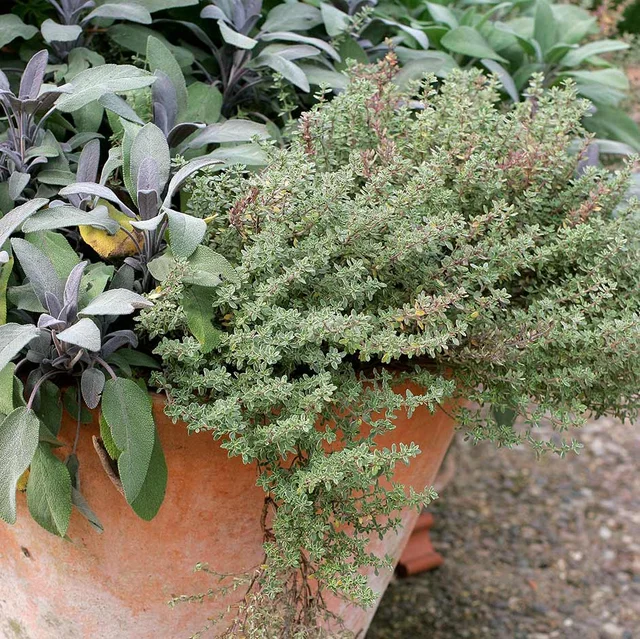
Lavender can also be planted in large containers, 30-40cm (1ft-16in) in diameter.
- Choose a container with large drainage holes
- Use a peat-free multipurpose or peat-free loam-based such as John Innes No.2
- Mix in lots of coarse grit (up to 25 percent by volume) to improve drainage
- Plant the lavender so it sits at the same level it was in its previous pot
- Water well, then water at regular intervals (once or twice a week) during summer, if weather is hot and the compost begins to dry out.
Ongoing Care
Watering
Newly planted lavender should be watered regularly during its first summer.
After that, once it’s well established, lavender is drought tolerant so rarely needs watering when grown in the ground unless there are severe drought conditions.
Plants in containers do need regular water in summer, as they dry out quickly, and the roots have a limited amount soil in which to search for moisture. In winter, keep the containers fairly dry, maybe in a cold greenhouse or in the rain shadow at the base of a wall to keep off excessive rain, which will help improve the plants’ tolerance to cold weather.
Feeding
Lavender likes soil that is quite low in , so plants don’t generally need feeding.
Deadheading
Cut off spent blooms to encourage more to form. However, you can leave them in place towards the end of the flowering season as food for seed-eating birds such as goldfinches.
Overwintering
The different types of lavender vary in their tolerance to winter cold – check plant labels (or descriptions online) before buying, if you want to leave the plant outside over winter. English lavender (Lavandula angustifolia) and its hybrids are the hardiest types.
Plants in containers are always more susceptible to cold, as their roots are less insulated than when in the ground. To help lavender survive:
- Move containers to a sheltered spot over winter, so they aren’t exposed to really harsh weather
- Give them some protection from winter rain by standing them in the lee of a wall (at the base) or in a coldframe or greenhouse. Having their roots in damp makes the plants more susceptible to root rots
Pruning and Training
Left to their own devices, lavender can become woody and ungainly, so to keep plants compact and attractive, it’s best to trim them annually in late summer, just after flowering has finished. Remove any spent flower stalks and about 2.5cm (1in) of leaf growth. Foliage can be clipped over in spring if growth is untidy or frost damaged. Lavender does not break new growth easily from old stems so don't cut back into the woody stems.
Caring for older plants
Even if pruned annually, older lavender plants can become straggly, very woody and mis-shapen so, as they are fast growing and establish quickly, they are best replaced if you want to keep everything looking neat.
Propagating
You can easily make more lavender by taking softwood or semi-ripe from young plants in early to midsummer. You can also take hardwood cuttings after flowering in late autumn, preferably from new flushes of growth. Plants grown from cuttings will be identical to the parent plant.
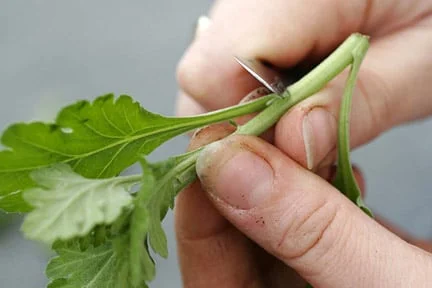
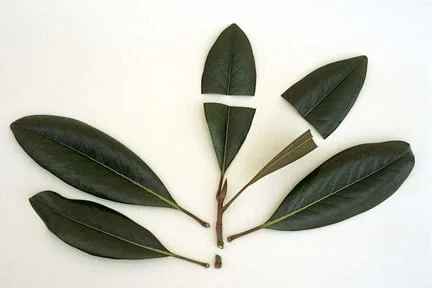
How to take lavender cuttings
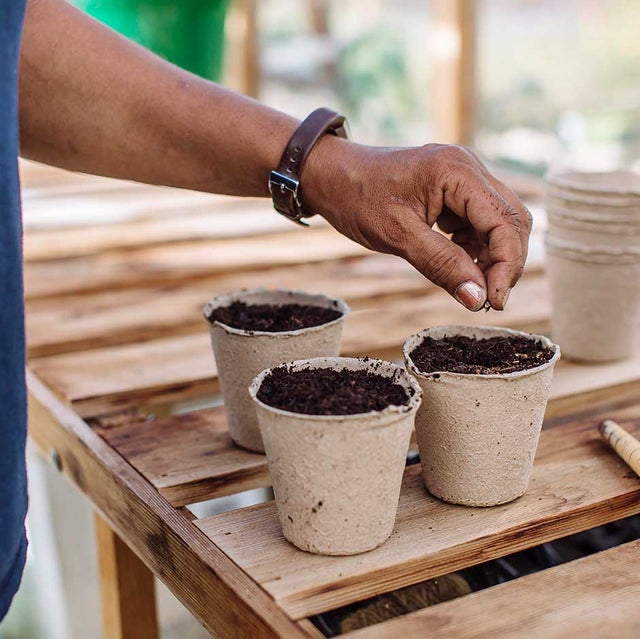
You can collect seeds from dry seedheads in late summer, store them over winter and sow in spring into small pots or trays of peat-free . However, seeds from cultivars will produce plants that may vary from the parent.
Problems
Lavender tends to be trouble-free, if grown in the conditions it enjoys. A sun-drenched spot with free-draining soil is ideal.
However, if grown in wet or , lavender can suffer root rots, leading to its premature demise. To prevent this, grow in a raised bed or container if you have these conditions.
Some types of lavender are not hardy and won’t survive the winter outside – check plant labels carefully and buy a hardy lavender if you want to leave it outside permanently.
Few pests feed on lavender, and they cause only cosmetic damage to the leaves, so treatment is not usually necessary. They include: