What do you mean by vegan gardening?
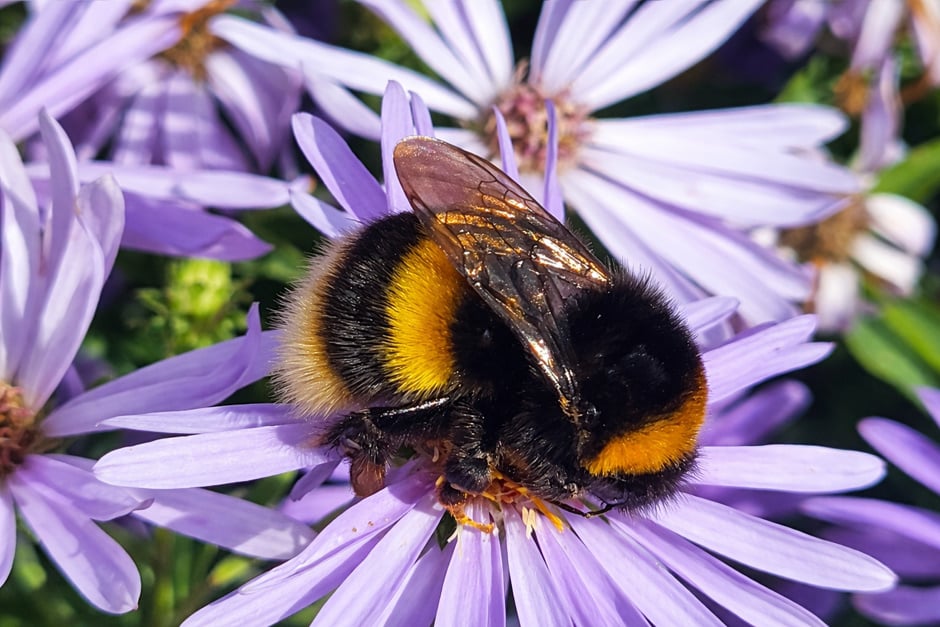
Gardeners should recognise that every life form has a value and, although we like to think humans are at the top of the food chain, we’re definitely not the most important part of that system. If bees died out, we would starve within a few years, but if humans died out the planet would carry on quite well without us. Vegan gardening rejects the human supremacist outlook.
What common garden practices would you deem unethical from a vegan standpoint?
Killing anything – even slugs in a wet year – is just not acceptable. And that includes using Pesticides are substances designed to kill or control the growth and behaviour of living organisms. They are also known as plant protection products and include insecticides, fungicides, herbicides and molluscicides. The RHS doesn’t support the use of pesticides and recommends that gardeners use non-chemical control options whenever needed.
Invertebrates are animals that don't have a backbone. Common garden invertebrates, or minibeasts, include insects, spiders, worms, slugs, snails, woodlice and centipedes. They play important roles in a garden ecosystem, including breaking down organic matter, pollinating flowers and providing food for other animals.
What do your peers make of your activism?
It did cause a rift with some people, but others have been hugely supportive. Knowing that animal agriculture is the leading cause of deforestation, biodiversity loss and species extinction, as well as a leading cause of pollution and climate change, and that being vegan is the easiest, most effective way of minimising our impact on the planet, it was impossible for me to keep quiet about it.
Is there a disconnect between creating gardens for the benefit of ourselves and the benefit of the wider world?
Yes there is, and it is something I find conflicting. I spent my whole life learning how to be a garden designer, but when I became a vegan, I was suddenly faced with the fact that what I was doing could actually harm a lot of lives unnecessarily. There was a tendency in our industry to go into a space and just get rid of everything that was there – often including the soil. The damage to life, destruction of habitat and waste of resources was awful. So, what to do? Eventually I decided to stay in the industry and try to slowly educate people about how every life in the garden matters. If I can help people reconnect with nature, and get them to appreciate even the smallest creatures by giving them somewhere nice to sit and enjoy it, then that is a step in the right direction. I will continue to do what I can to create a world where kindness to all life is normal and not the exception.