

Winter wellbeing calendar
31 suggestions to keep you happily gardening all through winter, and beyond. Dip in and out, pick what you feel like on the day, or follow the suggestions through the month if you need a focus

The RHS, along with Chief Horticulturist Guy Barter, have compiled a list of eight predictions to suggest how the UK’s gardeners will be growing in the year ahead
In 2026, climate change will be the main driver of activity in the garden, with planting diversity becoming ever more important in helping people withstand new demands on their gardens. While gardening will increasingly be purposeful – supporting wildlife, managing water and weather and making the most of changing conditions – gardeners will still be able to draw on some old favourites with a whole new host of plant varieties coming to market.
Plant breeders are increasingly responding to changing weather patterns, but also the expectations of gardeners who want plants that serve multiple purposes and are robust enough to survive our weather extremes. Cultivated plant diversity is important in future proofing our gardens and 2026 looks set to see some new favourites take hold.

"Gardeners want plants that serve multiple purposes and are robust enough to survive our weather extremes"
The continued rising cost of living will see even more people supplementing weekly food shops by growing their own. The huge number of dwarf varieties bred to fit in any gardening space have the added benefit of providing instant decoration to rival cut flowers in the home, convenience through not having to raise and pot on and are an attractive proposition for children, being fresh, small in size and more often than not naturally sweet. New popular choices include table-top chillies, compact aubergines, hanging basket cucumbers and 50cm grape vines. Potted herbs also remain a firm favourite, with sales up 10% in the last year across RHS Retail.

Blackcurrants will begin to see a resurgence thanks to new varieties bred sweet enough to be eaten fresh, rivalling their more popular garden berry counterparts: strawberries, raspberries and blackberries. As a ‘super berry’ rich in vitamins and minerals, blackcurrants could usurp blueberries that produce a lesser yield, require acidic soil and have proved popular in gardens in recent years.

Adventurous container plants, that spend the summer outdoors but come inside for winter, have proved a talking point. Traditionally indoor plants like spider plants and Tradescantia are making their way into outdoor summer hanging baskets and pots. This trend will continue as England sees more frequent hot and dry summer conditions and houseplants continue to benefit from a summer holiday in the garden. Lantana, traditionally grown indoors in Britain, has flowered prolifically at RHS Garden Wisley this summer and is set to be a favourite indoor-outdoor plant in sunny borders or patio pots. Other formerly indoor-outdoor plants are now potential outdoor plants, such as the more delicate Lomandra and Salvia hybrids.

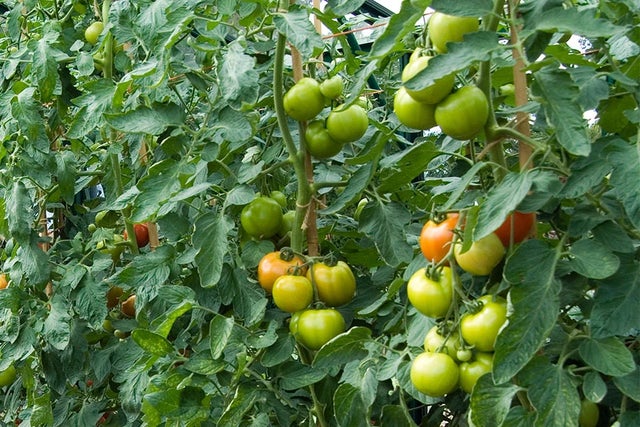
The dry summer resulted in excellent yields and a largely blight-free year for tomatoes, which could drive increased demand in 2026. RHS Retail saw a 14% uplift in sales in 2025 for tried-and-tested traditional varieties such as ‘Shirley’ and ‘Sungold’, but will be increasing the volume of grafted tomatoes it sells owing to their continued success in less-than-ideal conditions. In case of a wet summer, blight-resistant cultivars might be a wise choice, including ‘Buffalosun’, ‘Burlesque’ and ‘Nagina’. See the RHS Recommended: Award of Garden Merit for some of the best-performing in gardens.

Irrigation systems and technologies abound, but savvy gardeners might take note from their community-growing counterparts who are known to puncture small holes in water butts strategically placed to provide a slow-flow of water into the soil for storage and free up capacity for the next rain event, helping to minimise mains water use. AI-enabled water butts that self-empty based on the weather forecast are already being trialled and could be marketed to gardeners before long but, given AI’s known use of water for cooling in data centres, a punctured hole is a green alternative.

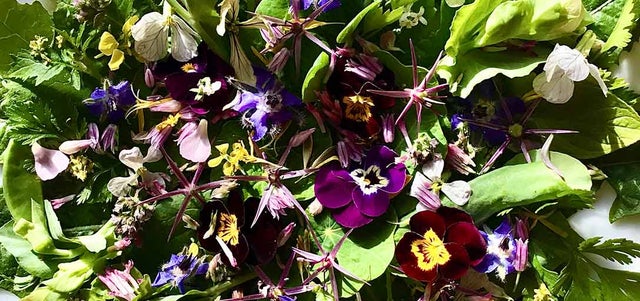
Gardeners are increasingly attuned to plants that serve multiple benefits in a garden, including for wildlife and planet. Next, gardeners will begin to explore their foraging potential. Using known plants that are safe to eat, such as daylilies, you can populate your garden with tasty things to browse, that complement the veg patch. Top picks include borage, dandelions, cowslips, hops, mint, skirret and wood sorrel.

Houseplants have seen a 15% increase in sales in RHS Retail over the last year, beating and herbs. Top of the list are Swiss cheese plant Monstera followed by dragon trees Dracaena for their large green leaved jungle-esque appeal versus more traditionally favoured, architectural plants. For top growing tips and advice, RHS Gardens will host a series of hands-on houseplant events in January 2026.

2025 saw stronger interest in plants for pollinators with drought-tolerant Persica roses – a standout performer in plant trials at RHS Garden Wisley this year – and single-flower dahlias proving popular. In RHS retail, nostalgia and a long growing period are thought to be driving viola sales, which are up on previous years, while RHS Retail is predicting primroses will draw gardener attention and sales in early spring.
Bringing Nature Home
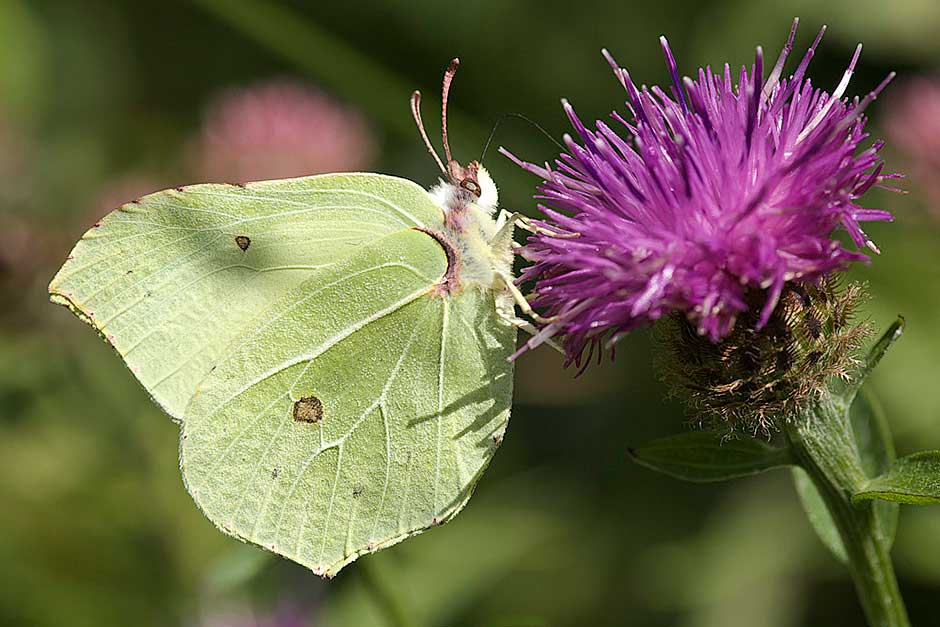
In 2026, the RHS has launched its year-long Bringing Nature Home campaign, which will champion plants’ benefits for wildlife, including pollinators. For an updated list of Plants for Pollinators, and other ways to help, visit RHS Plants for Pollinators