Fertilisers
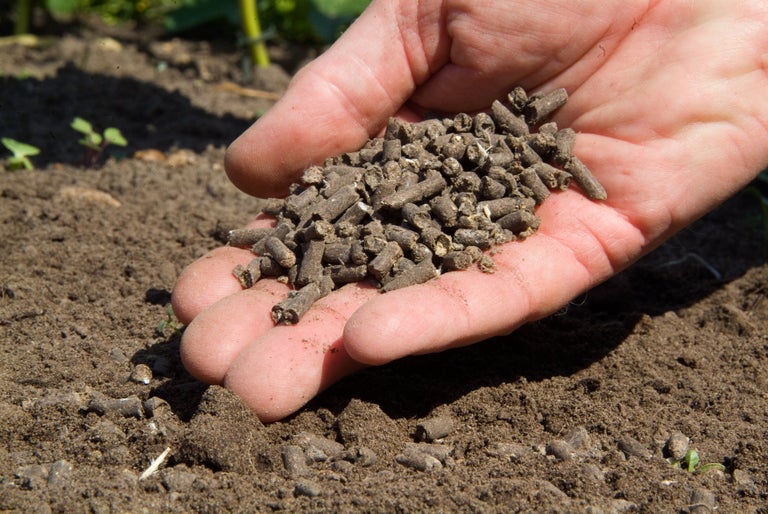
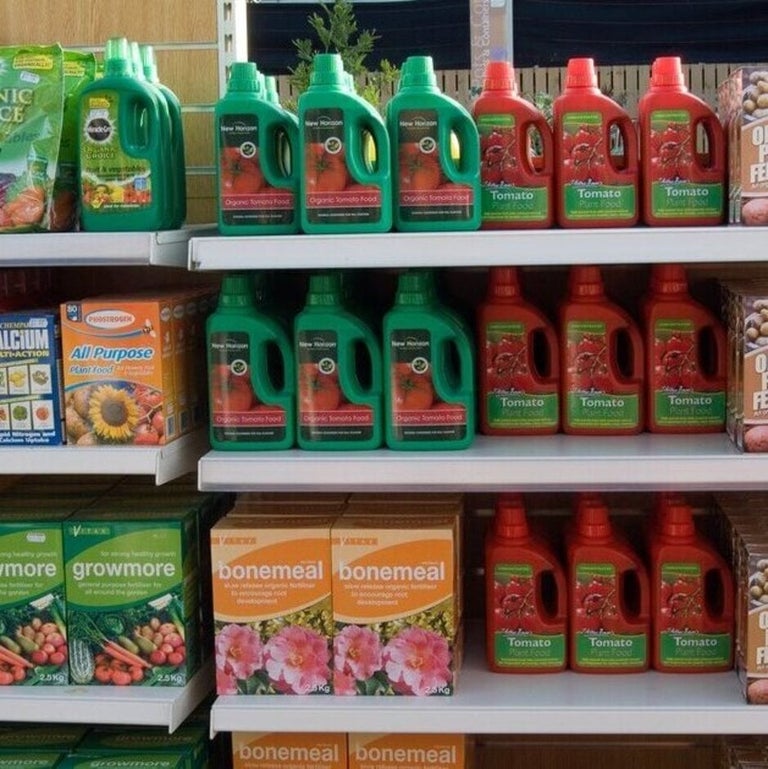
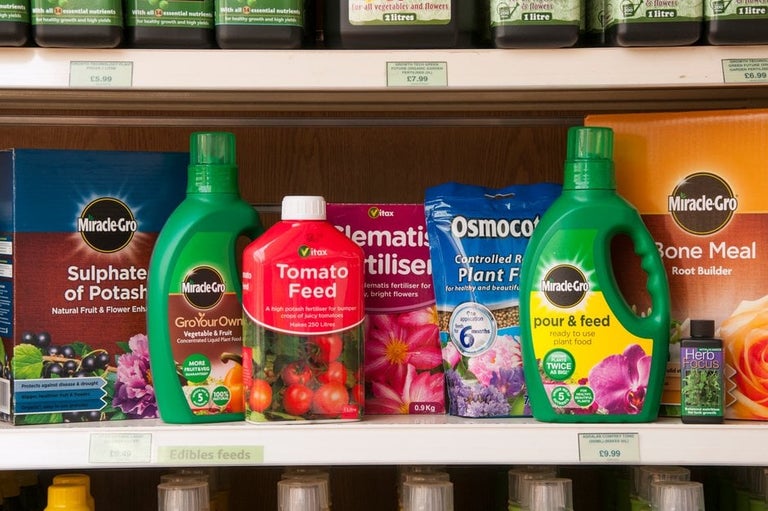
Fertilisers are concentrated sources of plant nutrients. Applying fertilisers is often referred to as ‘feeding’. When used wisely, they improve crop yields, resolve nutrient deficiencies and support the growth of plants in containers.
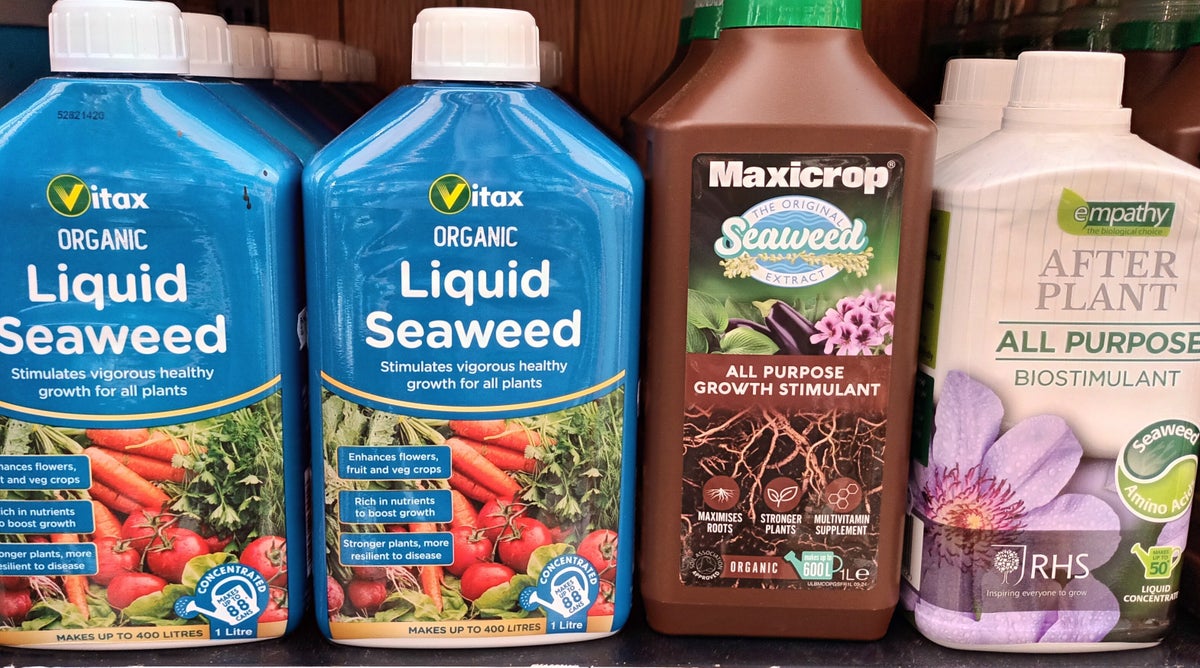
Biostimulants are not fertilisers; instead, they can improve plant growth and crop yield by activating or boosting naturally occurring processes. Think of biostimulants like vitamin tablets – while they don’t have a nutritional value, they do help maintain and enhance plants’ normal functioning alongside food.
Biostimulants are an optional add-on, not a substitute for good soil care practices and right plant, right place selection. Where optimal growing conditions already exist, they’re unlikely to improve plant performance.
Each differs in the way they work, and the benefits they offer.
Different biostimulants are sometimes combined to achieve greater effect.

Biostimulants can help plants:
They offer a potentially sustainable way to garden by enhancing natural plant processes that reduce the need for fertiliser and water. However, some products have additional environmental impacts due to the way they are manufactured.
It depends on the product, but typically:
Always follow the manufacturer’s label instructions for dilution, quantity and timing.
1. Seaweed Extracts
Included in products such as: Maxicrop, Seaweed Meal/Pellets, Vitax Liquid Seaweed and Westland Seaweed Enhanced Growth Stimulant.
2. Amino Acids
Included in products such as: Empathy After Plant All Purpose, Empathy Evergreen, Empathy Grow Your Own and Empathy .
3. Microbial Biostimulants
Included in products such as: Empathy After Plant Rose Food, Empathy After Plant Tree and Shrub, Empathy Rootgrow and Envii Foundation.

While listed separately here, products may contain a combination of biostimulants. Some products have added nutrients. In such cases, the label will state that the product is a biostimulant and fertiliser. Some may give the NPK value.
4. Humic and Fulvic Acids
Leonardite is often derived from non-renewable coal. Composted straw and cow dung can also provide this, but sources are rarely stated. Products containing humic and fulvic acids are best avoided altogether, as the manufacturing processes for both are environmentally unsustainable.
Will I notice a difference?
You will often notice a difference – biostimulants are especially helpful when plants face challenging growing conditions. Though plants may look like those grown with nutrient‑rich organic mulches, biostimulants can improve their resilience to drought, support better nutrient uptake and boost crop yields.
They can also reduce the need for additional feeding because they help plants absorb and use more efficiently. This makes them a more sustainable option compared to traditional feeds.
Can I stop feeding plants?
No – biostimulants work in combination with feeding. Therefore, it’s still important to support hungry plants like vegetables and fruit by mulching with organic matter. This provides the nutrients that biostimulants need to work effectively. Some biostimulant products have nutrients added in the form of fertilisers.
Mycorrhizal products are the exception. These work best without additional fertilisers, since this discourages roots from forming fungal associations.
Will biostimulants treat nutrient deficiencies?
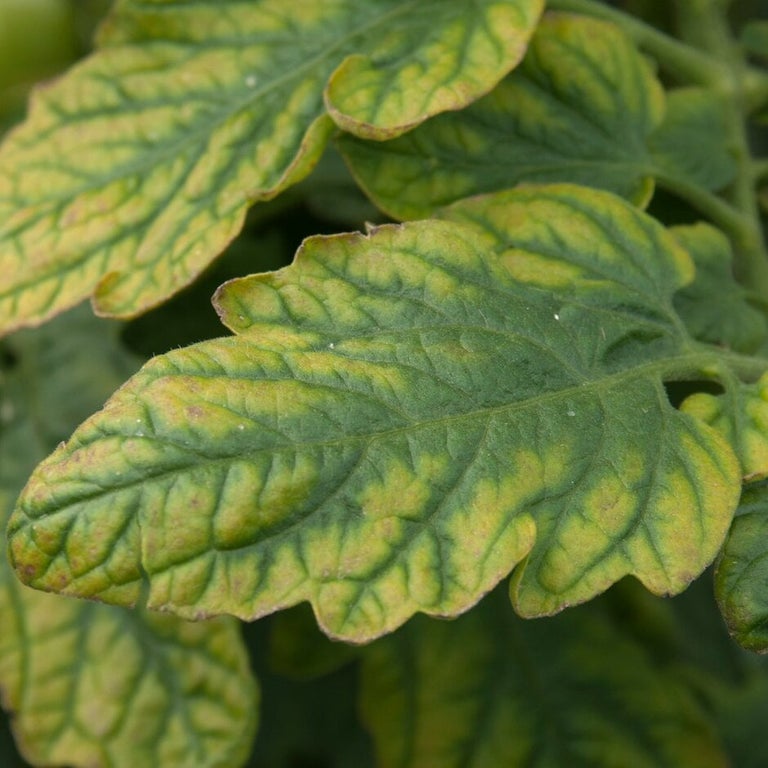
No – they help plants access nutrients but cannot supply them where soils or composts are deficient. However, some products are combined with fertilisers that may help to remedy deficiencies.
Do they work in containers?
Yes – biostimulants can help support plants in containers, provided they are fed adequately.