Highgrove: The King’s crowning glory
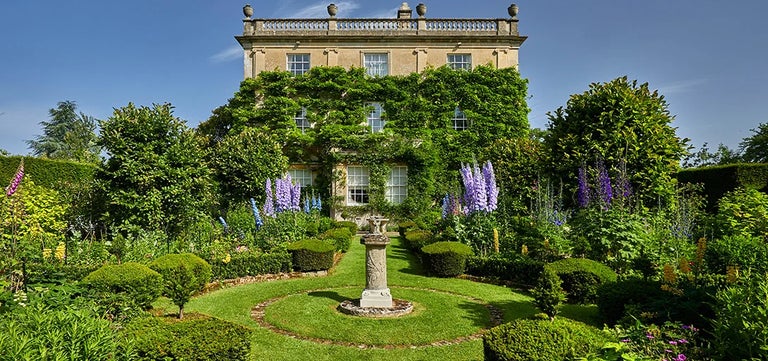
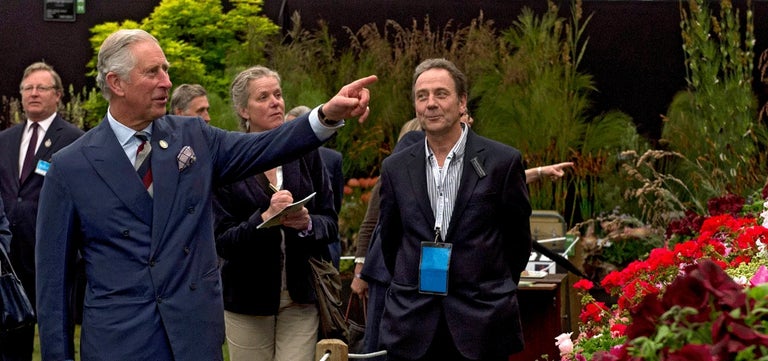
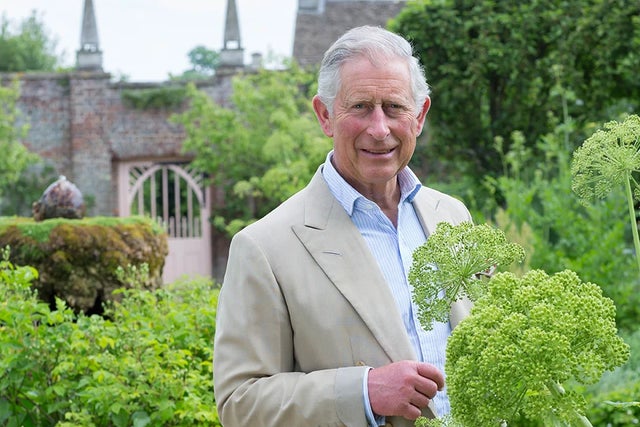
King Charles III cares passionately about his garden at Highgrove. Here Liz Potter takes a look at his gardening ethos and green credentials

For generations, the Royal Family has marked milestones, honoured monarchs and celebrated places through the symbolic act of planting trees. Explore some of the UK gardens where history lives among the branches
Many RHS Partner Gardens across the UK, as well as all five RHS Gardens, have royal heritage rooted in the trees. From an oak planted by Queen Victoria over two centuries ago to the most celebrated cedar in cinema history, a walk among them feels like tracing a living timeline.
Join the RHS and enjoy free access to more than 240 gardens in the UK and around the world at selected times >

Ashridge’s Grade II-listed historic gardens are the finest surviving example of Humphry Repton’s landscape work and are often described as his ‘Garden of Gardens.’ Once a royal residence to King Henry VIII and Princess Elizabeth, Ashridge has long been associated with royalty. During a visit in March 2023, Prince Edward, the Duke of Edinburgh, planted a ceremonial oak in honour of the late Queen Elizabeth II and the late Duke of Edinburgh. The oak stands beside a venerable tree planted two centuries earlier by Queen Victoria in 1823, symbolising a living legacy of royal roots at Ashridge.

The tradition of ceremonial tree planting at Hillsborough Castle and Gardens stretches back more than 150 years, beginning in 1872 with the establishment of the pinetum to mark the birth of the infant Earl of Hillsborough. Since then, trees have been planted to commemorate royal visits and historic occasions, each serving as a lasting link between the gardens and the Royal Family. Many of these trees are later to new locations across the estate, with plaques recording the species, who planted them and when.
Walking among them is like tracing a living timeline through history. The most significant include a Magnolia grandiflora planted by Queen Elizabeth II and the Duke of Edinburgh in 1953, a Magnolia sieboldii planted by the Duke and Duchess of Cambridge and Queen Elizabeth II in 2016, and a Tilia henryana planted by King Charles III and Queen Camilla in 2023 to mark their coronation.

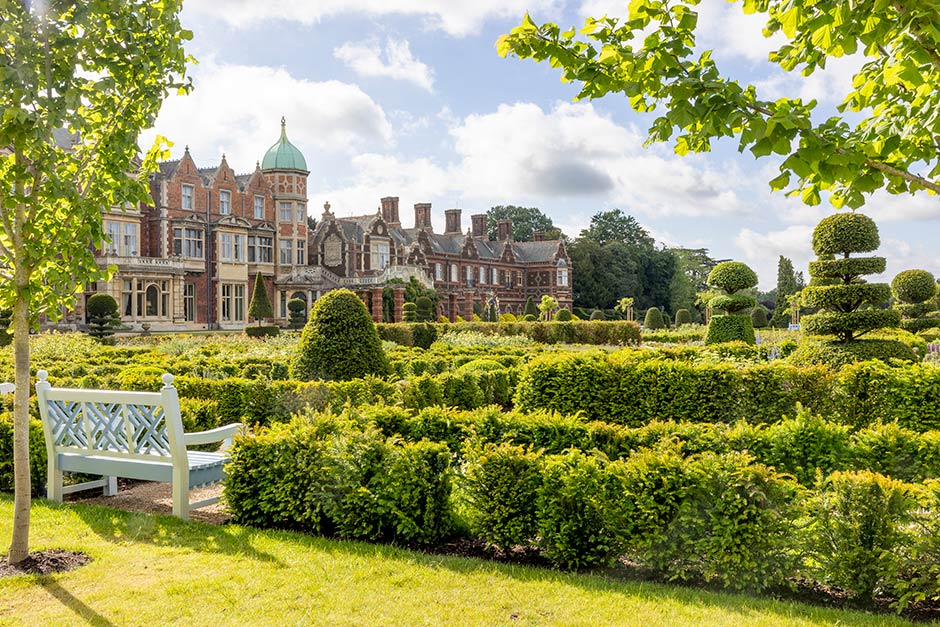
Sandringham’s 60-acre garden has been extensively developed by successive monarchs since 1862. Each tree tells a story, from the large heritage oak planted by Queen Victoria to a giant redwood planted by Princess Christian of Denmark. The oldest tree in the garden is a veteran oak beside the upper lake, believed to be over 800 years old. Today, King Charles III is introducing new horticultural features, most notably a series of geometric, climate-friendly gardens with an extensive topiary garden and a lower yew maze. Many young magnolias and acers were also planted in the last few years.
RHS Sandringham Flower Show
The much-loved country retreat of Their Majesties King Charles III and Queen Camilla will host a brand new RHS Flower Show from 22 to 26 July 2026. Discover more about the RHS Sandringham Flower Show and secure your tickets.

Scone Palace is not only a historic residence but also the site of the celebrated ‘royal trees’. These trees hold a special place in the hearts of Scots, symbolising the enduring bond between the monarchy and the land. The area surrounding Scone Palace was once home to the ancient coronation stone, the Stone of Destiny, upon which Scottish kings were traditionally crowned. It is said that the sanctity of this site extends to the majestic trees that adorn its landscape.
One of the iconic trees at Scone Palace is the Coronation Cedar, a towering cedar of Lebanon that commands attention with its sweeping branches and graceful form. Planted to commemorate the coronation of Queen Victoria in 1838, this majestic tree serves as a living monument to the enduring legacy of the British monarchy.

Not quite royal, but famous in its own right, the Harry Potter Tree is a magnificent cedar of Lebanon that has stood for centuries within the UNESCO World Heritage Site of Blenheim Palace. Its vast hollow trunk with striking dark marbling lends it a dramatic presence, while its sweeping horizontal branches spread into the broad, layered canopy typical of the species.
The tree’s fame grew worldwide after its appearance in Harry Potter and the Order of the Phoenix, earning it a place in cinematic history as well as horticultural heritage. It stands in High Park woodland, an ancient landscape dominated by oak trees, at least 60 of which are believed to date back more than 900 years, to the Middle Ages.

Across the five RHS Gardens, various trees have a connection with the Royal Family. In 1978, the late Queen Elizabeth II and the late Duke of Edinburgh planted a Fagus sylvatica ‘Dawyck Purple’ at RHS Garden Wisley to celebrate the opening of the Jubilee Arboretum and the centenary of the first plantings in the garden. In 2007, Queen Elizabeth also planted a Cornus kousa var. chinensis ‘Wisley Queen’ for the opening of the glasshouse and in 2019, the then Duchess of Cambridge planted a Cedrus atlantica ‘Glauca Pendula’ to mark the opening of the Back to Nature Garden that she co-designed.
At RHS Garden Bridgewater, a towering Quercus robur, the largest tree in the middle wood, is believed to have been visited by Queen Victoria. To celebrate the Coronation of King Charles III in 2023, a tree was planted at each of the five RHS Gardens, while five oaks were dedicated to the late Queen Elizabeth II, Patron of the RHS from 1952 until her death in 2022.
Please check the gardens’ website before you visit, as times and access may change.