Heatwaves are becoming a familiar feature of the UK summer, bringing new challenges to community gardening groups. Dry soil, watering demands and stressed plants can leave groups wondering how best to respond.
However, extreme weather conditions also offer an opportunity to garden more sustainably. By focusing on soil health, using water wisely and supporting volunteer wellbeing, groups can create spaces that remain productive, welcoming and resilient for years to come.
The good news is that a few simple steps can help any community space thrive. Here, the RHS Community Horticulture Specialists share their advice for conserving water, building garden resilience and caring for people and plants in extreme heat so that you have the confidence to keep gardening with care.
1. Keep soil cool and moist
Not all plants need consistent water. Many established trees and shrubs will cope with prolonged dry spells and lawns bounce back once the rain arrives. Helping your garden retain the moisture provided by rain can be as useful as watering.
Mulch is a layer of material, at least 5cm (2in) thick, applied to the soil surface in late autumn to late winter (Nov-Feb). It is used to provide frost protection, improve plant growth by adding nutrients or increasing organic matter content, reducing water loss from the soil, for decorative purposes and suppressing weeds. Examples include well-rotted garden compost and manure, chipped bark, gravel, grit and slate chippings.
“Focus on conserving moisture and working with the garden’s natural resilience,” says RHS Senior Community Horticultural Specialist Lettie Irving.
She suggests watering thoroughly during cooler parts of the day, aiming for deeper, less frequent watering rather than little-and-often sessions. By taking it in turns to water, you’ll also help lighten the load of carrying the cans.Lifting hard surface areas where possible will help water enter the soil, allowing gardens to cope better with flash flooding after dry spells. Harvesting rainwater can also help make the most of increasingly unpredictable weather patterns – it’s free water if only you can capture it.
2. Choose climate-resilient plants
As weather patterns continue to change, plant choice is becoming progressively important. Every time RHS Community Horticulture Specialist Claire Davitt starts a project with a new community group, one of her first recommendations is to examine the soil and “choose plants that are best equipped against the erratic weather we now face.”
Larger-leaved plants can help cool the surrounding environment through shade and releasing water vapour from their leaves, while dense planting shades the soil and helps reduce evaporation. “Plant more, because healthy, well-rooted soil can act like a sponge, soaking up and holding water, while leaves help slow rainfall and surface water flow,” explains Claire.While expert advice and plant labels provide a useful starting point, every community garden is unique. Heatwaves can provide valuable insights into which plants are thriving and which may need replacing in future. Taking time to observe what performs well in hot, dry conditions can help inform future planting decisions and build resilience over time.
And if plants begin to look a little worse for wear during a hot spell, there’s no need to panic. Rosie reassures that a little wilting is often temporary, and even scorched plants typically recover once extreme conditions ease.
3. Adapt how and when you garden
The timing of gardening jobs matters all year round, but during a heatwave, a few simple adjustments can make a big difference.
Gardening activities are often best scheduled during the cooler parts of the day. “While it’s hot, hold off on feeding and pruning,” says Rosie. “They can encourage soft new growth at a time when plants are already struggling to take up enough water.”
Starting earlier can make tasks more comfortable for volunteers while reducing stress on plants. For Lettie, spending time near greenery can also offer some relief, as planted areas often feel noticeably cooler than built up spaces, even if that’s just some paving and a shed wall.Heatwaves aren’t always the best time to tackle major gardening jobs. Instead, use the period to observe your garden and focus on lighter maintenance tasks. Planning major planting projects for spring or autumn can also reduce stress on both plants and volunteers, when conditions are generally more favourable.
4. Build resilience before the next heatwave
A resilient garden starts long before temperatures begin to rise. “Much of what carries a garden through a heatwave comes down to what was done beforehand,” says Rosie. She points out that healthy soil rich in organic matter holds more moisture, acting as a store for plants when rainfall is scarce.
Claire advocates for groups to use Plant-based waste that is suitable for composting, such as dead leaves, clippings from pruning or grass mowing and discarded annuals. Many local councils have green waste recycling schemes if home composting isn't an option.
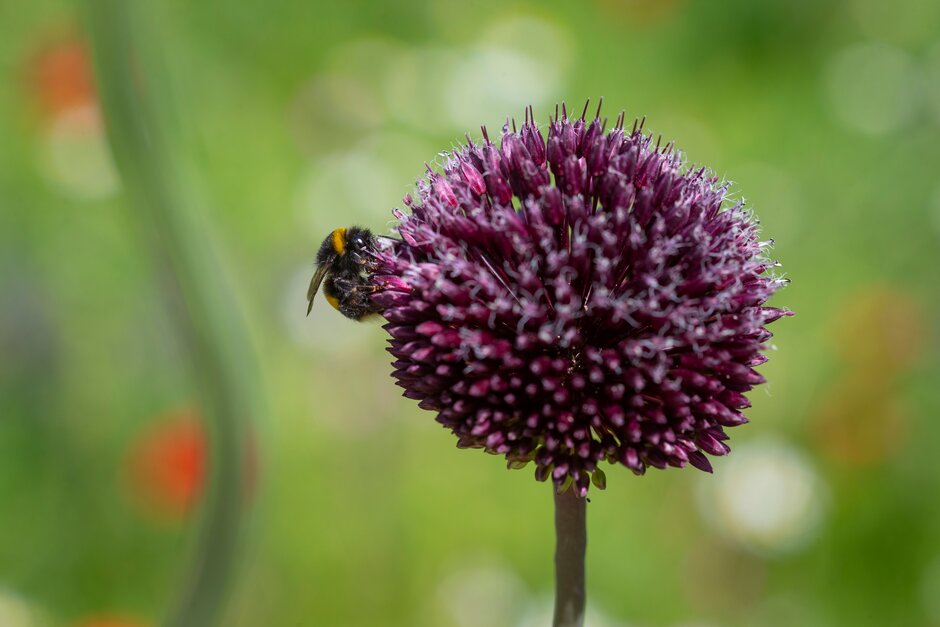
The variety of living organisms (plants, animals, fungi and microorganisms) in a particular environment. Boosting the biodiversity of your garden has many benefits, including supporting wildlife, improving soil health and reducing the likelihood of pest and disease problems.
5. Put people first during hot weather
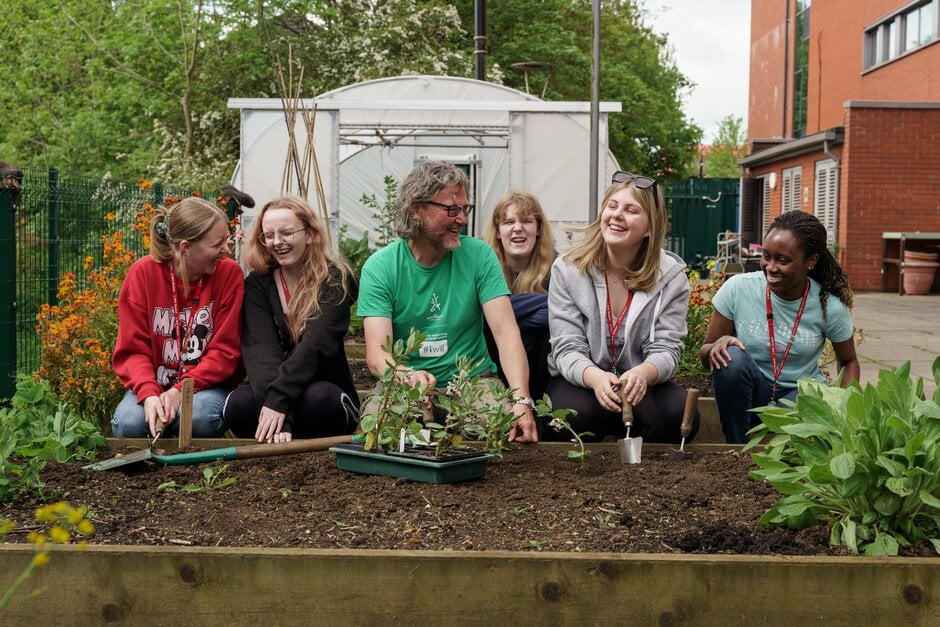
Looking after people is an important part of looking after a community garden. During periods of extreme heat, a few simple precautions can help volunteers garden safely and comfortably.
Advertising events well in advance can attract a range of volunteers, while also allowing them to prepare and choose cooler times of the day to work. Sharing guidance beforehand, such as bringing water, sunscreen and a hat, can help ensure everyone stays safe and comfortable throughout the session.
“Carrying out a risk assessment before a garden gathering is key, as it means groups will be aware of all the risk factors,” says Claire.
Creating opportunities to rest and recharge is equally important. “Setting up temporary shade by hanging a sheet between poles or branches can offer a space for the team to take regular rest breaks,” says Lettie.Community gardening is also about enjoying the space together, so consider harvesting produce earlier in the day and sharing food and conversation in the shade during the hottest hours.
After all, community gardening isn’t just about helping plants thrive – it’s about creating spaces where people can thrive too.