

Size
Ultimate height
0.1–0.5 metresTime to ultimate height
1 yearUltimate spread
0.1–0.5 metresGrowing conditions
Moisture
Moist but well–drainedpH
NeutralColour & scent
| Stem | Flower | Foliage | Fruit | |
| Spring | Green | |||
|---|---|---|---|---|
| Summer | Green | |||
| Autumn | Red | Green | ||
| Winter |
Position
- Full sun
Aspect
West–facing or South–facing
Exposure
Sheltered Hardiness
H3Botanical details
- Family
- Asteraceae
- Native to GB / Ireland
- No
- Foliage
- Deciduous
- Habit
- Bushy
- Potentially harmful
- Skin allergen. Wear gloves and other protective equipment when handling
- Genus
Chrysanthemum are erect woody-based perennials with aromatic, pinnately lobed leaves and flowerheads of diverse form, from late summer to late autumn
- Name status
Accepted
- Horticultural Group
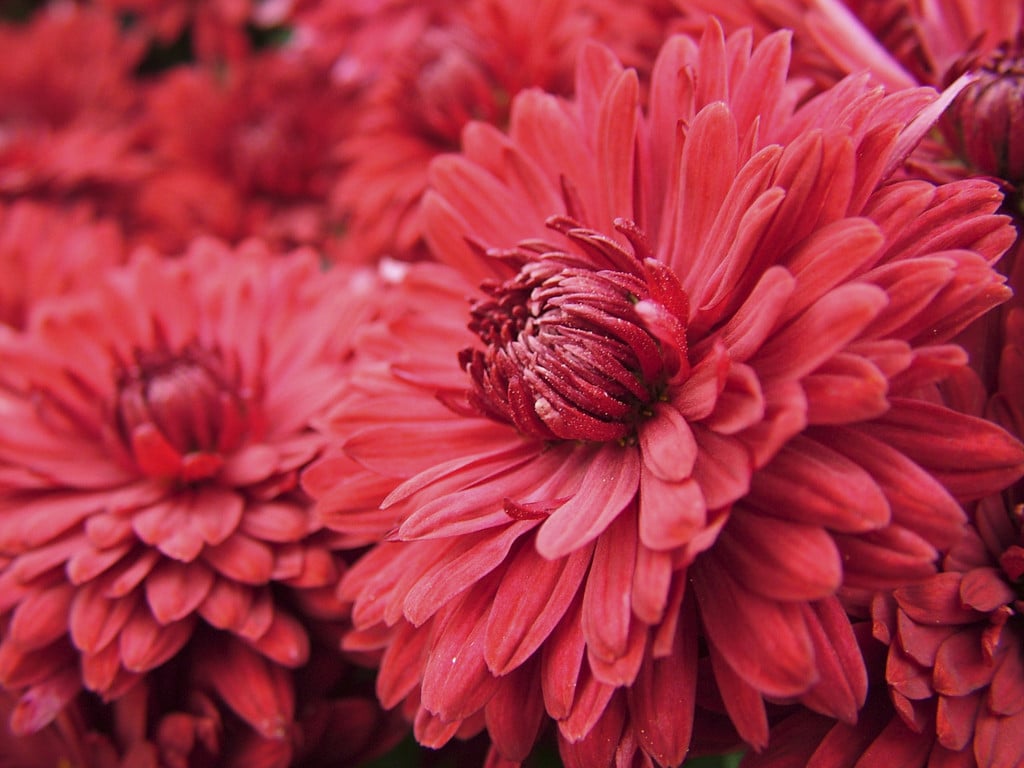
- Reflexed Korean chrysanthemums are perennials with lobed leaves and double or semi-double flowerheads, the ray-florets reflexed from the centre
How to grow
Cultivation
Korean chrysanthemums are borderline hardy. Overwinter more tender cultivars in a cold frame. Needs a sunny site with moderately fertile, well-draining soil. See chrysanthemum cultivation
Propagation
Propagate by division in late spring or by cuttings
Suggested planting locations and garden types
- Flower borders and beds
Pruning
Cut back after flowering
Pests
May be susceptible to chrysanthemum leaf miner, glasshouse whitefly and aphids
Diseases
May be susceptible to glasshouse grey moulds, powdery mildews and chrysanthemum white rust
Get involved
The Royal Horticultural Society is the UK’s leading gardening charity. We aim to enrich everyone’s life through plants, and make the UK a greener and more beautiful place.