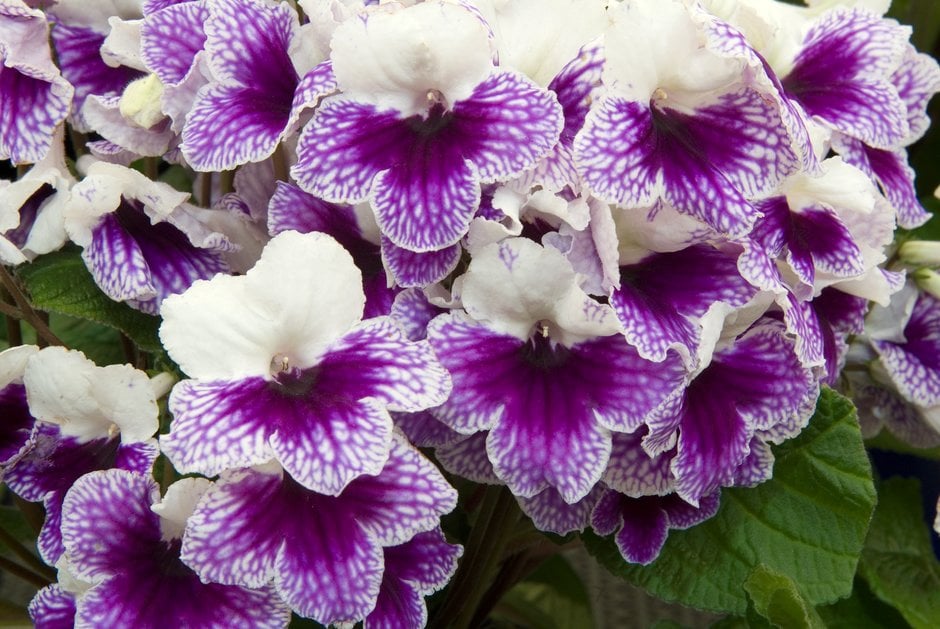
Streptocarpus 'Leyla'PBR
Cape primrose 'Leyla'
'Razzamatazz ' is an upright perennial to 75cm with branched stems supporting rough, hairy leaves. The pink flower-heads, produced from late summer to early autumn, have a large central cone of double disc florets surrounded by a single row of reflexed ray florets
Buy this plant
Size
Ultimate height
0.5–1 metresTime to ultimate height
2–5 yearsUltimate spread
0.1–0.5 metresGrowing conditions
Moisture
Well–drainedpH
Acid, Alkaline, NeutralColour & scent
| Stem | Flower | Foliage | Fruit | |
| Spring | White Purple Blue | Green | ||
|---|---|---|---|---|
| Summer | White Purple Blue | Green | ||
| Autumn | White Purple Blue | Green | ||
| Winter | Green |
Position
- Full sun
- Partial shade
Aspect
West–facing or South–facing or East–facing
Exposure
Exposed or Sheltered Hardiness
H5Botanical details
- Family
- Gesneriaceae
- Native to GB / Ireland
- No
- Foliage
- Deciduous
- Habit
- Bushy
- Genus
Streptocarpus can be annuals, perennials or subshrubs, with usually wrinkled, lance-shaped to rounded leaves and clusters of tubular to trumpet-shaped flowers with 5 spreading lobes, often borne throughout the year
- Name status
Accepted
How to grow
Cultivation
Grow as a houseplant in free-draining compost on an east or west-facing windowsill, or grow in a temperate or warm greenhouse in bright filtered light with shade from hot sun. Water sparingly as compost dries in winter and in the growing season water freely allowing compost to dry out between waterings; feed fortnightly with a high-potassium fertiliser. See Streptocarpus cultivation
Propagation
Propagate by division in spring or autumn although they resent a lot of disturbance. Propagate by root cuttings from late autumn to early winter
Suggested planting locations and garden types
- City and courtyard gardens
- Cottage and informal garden
- Coastal
- Cut flowers
- Flower borders and beds
Pruning
Cut back stems as the blooms fade to encourage further flower production
Pests
May be susceptible to glasshouse leafhoppers, mealybugs, thrips, vine weevil and tarsonemid mite
Diseases
May be susceptible to grey moulds (botrytis) or powdery mildews
Get involved
The Royal Horticultural Society is the UK’s leading gardening charity. We aim to enrich everyone’s life through plants, and make the UK a greener and more beautiful place.